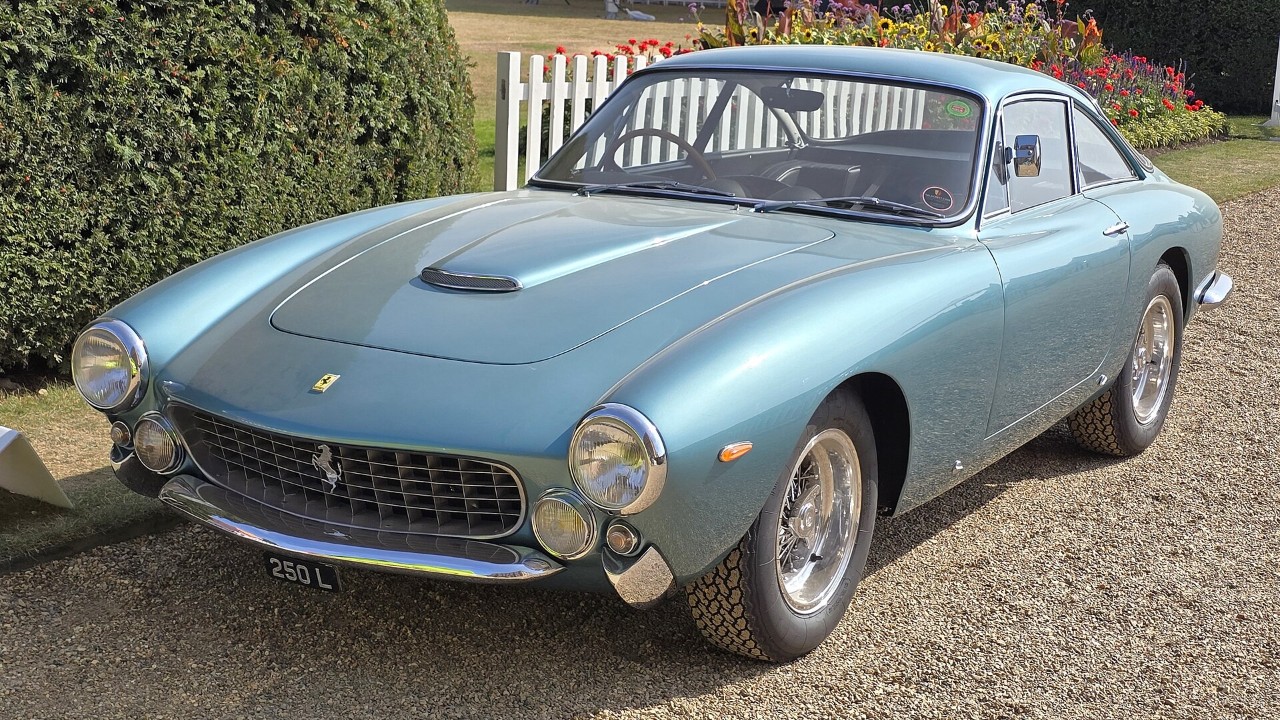
In the decade after World War II, a new kind of American prosperity rolled onto the streets on four chrome trimmed wheels. The cars that people chose to park in their driveways became shorthand for income, taste, and even political optimism, turning the family sedan or flashy coupe into a public declaration of status. I see the postwar years as the moment when the automobile stopped being just transportation and became a moving billboard for who you were, or at least who you wanted to be.
From basic transport to rolling status symbol
Postwar affluence gave Americans the money and the motivation to treat cars as lifestyle upgrades rather than simple tools. As factories shifted from wartime production to consumer goods, designers pushed far beyond prewar boxy silhouettes, experimenting with longer bodies, lower rooflines, and more dramatic ornamentation that signaled success at a glance. The post WWII boom encouraged stylists to treat the automobile as a canvas for aspiration, and by the late 1940s and early 1950s, buyers were choosing between models that promised not just mobility but status, freedom, and a place in a rapidly evolving culture.
That shift was reinforced by the way manufacturers framed their products. Advertisers leaned into the idea that a car could function like a tailored suit or a luxury watch, a visible marker of taste and achievement. Luxury cars in particular were marketed as symbols of status and style, much like designer clothing and accessories, with buyers urged to care as much about what their car represented about their identity as about its mechanical specifications. In American parlance, the Big Three, General Motors, Ford and Chrysler, dominated this new marketplace, and each brand tiered its offerings so that moving up the corporate ladder could be mirrored by moving up the showroom hierarchy.
The Big Three and the ladder of aspiration
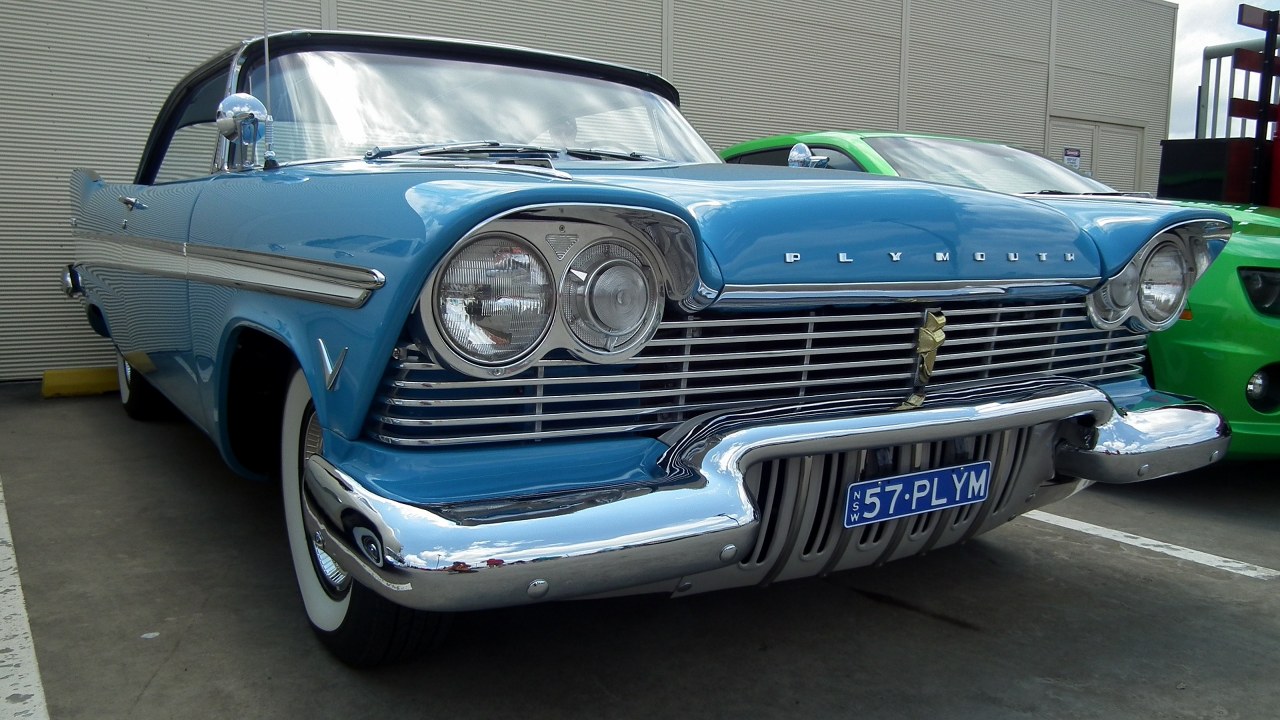
Corporate structure mattered because it gave consumers a clear path to climb. Within General Motors, the progression from Pontiac to Oldsmobile, Buick, and finally Cadillac created a visible staircase of prestige, each step marked by more chrome, more power, and more elaborate styling. Chrysler mirrored that approach with Plymouth and Dodge feeding into higher end nameplates, so that a driver’s badge became a quick read on their economic trajectory. I see this as one of the most important ways the industry baked social aspiration directly into its product lines, turning brand hierarchies into everyday class markers.
By the 1950s, that hierarchy was reinforced by sheer market dominance. In American auto culture, the Big Three controlled roughly 70 percent of sales, which meant their design decisions effectively set the visual language of status on American roads. When they embraced panoramic windshields, sweeping fenders, and tailfins, those cues quickly became shorthand for modernity and success. The result was a landscape where a modest Plymouth or Pontiac signaled solid respectability, while a Buick or Cadillac in the driveway suggested that the owner had arrived, at least in the eyes of the neighborhood.
Tailfins, chrome, and the theater of success
Styling flourishes that might have seemed excessive in earlier decades became essential in the postwar status race. This era saw the rise of sleek chrome trim, sweeping fenders, panoramic windshields, and especially tailfins on American cars from Cadillac, Chevrolet, and Chrysler, turning everyday traffic into a kind of rolling fashion show. Designers were not just chasing aerodynamics, they were staging a visual competition in which bigger fins and brighter chrome translated into louder statements of prosperity. I read those choices as deliberate theater, meant to be seen from across a parking lot or as a flash of prestige cruising down Main Street.
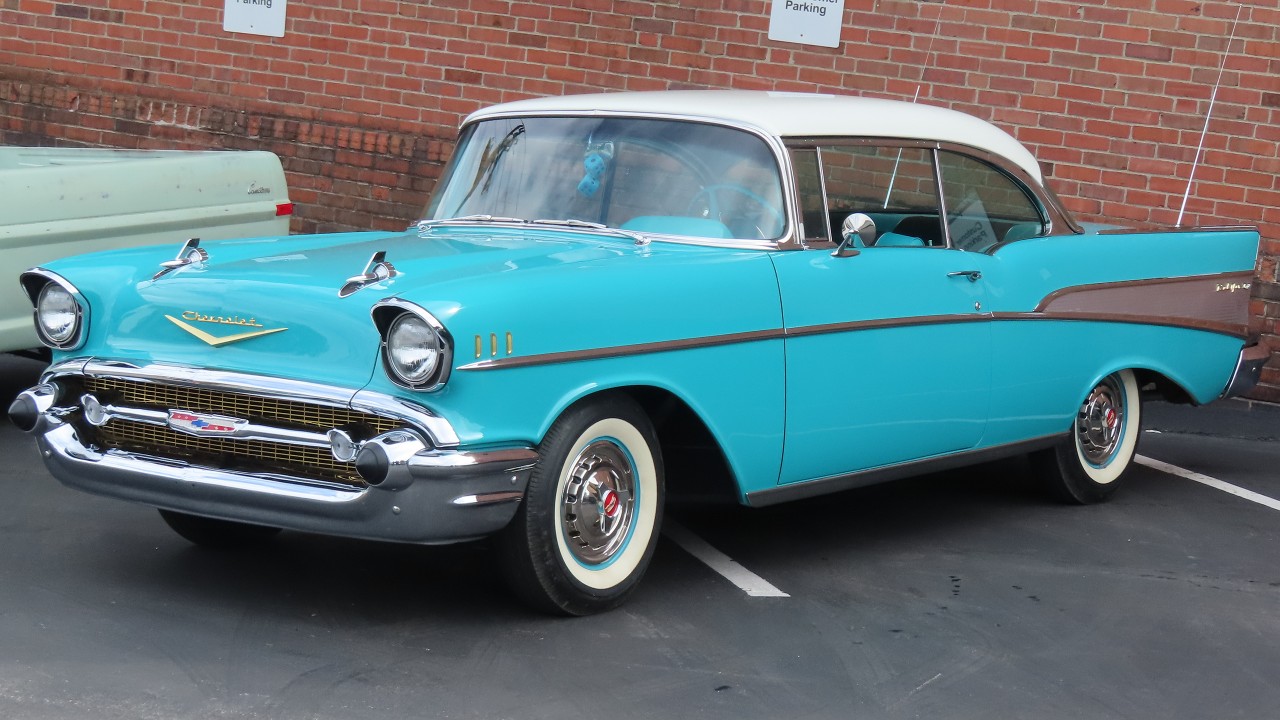
Few models captured that theatrical flair better than the 1957 Chevrolet Bel Air. A 1957 Chevrolet Bel Air is widely recognized as one of the most iconic American classics, celebrated for its chrome details and tailfins that perfectly matched the exuberance of the era. Collectors still treat the 1957 Chevrolet Bel Air as a defining symbol of the fabulous 1950s, precisely because its styling distilled the decade’s optimism and appetite for display. Owning one in period meant more than having a new car, it meant participating in a shared visual language of success that neighbors and strangers alike could instantly decode.
Personal luxury and the rise of the individual
As the 1950s progressed, status became less about how many people a car could carry and more about how personally tailored it felt to the driver. The emergence of personal luxury coupes signaled a shift from purely family focused transportation to vehicles that prioritized style, comfort, and individuality. The Ford Thunderbird, introduced as a two seat personal car, embodied this trend with its wasteful chrome trimmed small tail fins and beguiling lines that made it a favorite among women from the beginning. I see the Thunderbird as a turning point, proof that status could be expressed through intimate scale and design sophistication rather than sheer size.
Luxury sedans evolved in parallel, redefining what high end American motoring looked like. Then there is the Lincoln Continental, a car that redefined American luxury with its sleek, elongated form that broke sharply from the boxy designs prevalent at the time. Its long, clean profile and restrained ornamentation suggested a quieter, more confident kind of wealth, one that did not need towering fins to make its point. Together, the Thunderbird and the Lincoln Continental showed that status in the postwar years could be tailored to different identities, from glamorous personal coupes to dignified executive sedans, each broadcasting a distinct version of success.
Hot rods, youth culture, and the democratization of status
Not all postwar status symbols rolled straight out of a showroom. For younger drivers and returning veterans, hot rodding offered a different path to prestige, one built on ingenuity and performance rather than factory options. The increasing popularity of hot rodding, modifying cars to increase performance, was reflected in the creation of specialized magazines and clubs that celebrated speed and mechanical skill. In that world, the value of a car was measured less by its original price tag and more by how fast it could run and how cleverly it had been transformed, a kind of grassroots counterpoint to the polished luxury of the Big Three.
This performance culture still intersected with broader ideas of status and identity. Even as hot rodders chased raw power, the postwar era’s car culture was about more than acceleration, it was about freedom, mobility, and the ability to shape a machine into a personal statement. Patrick, recalling the 1950s as a time of simplicity and optimism, described how people used to drive for pleasure, treating the open road as both escape and stage. In that context, a customized coupe or stripped down roadster could carry as much social weight at a local drive in as a new Cadillac did in a suburban driveway, proving that status in postwar America was as much about expression as it was about expense.
More from Fast Lane Only: