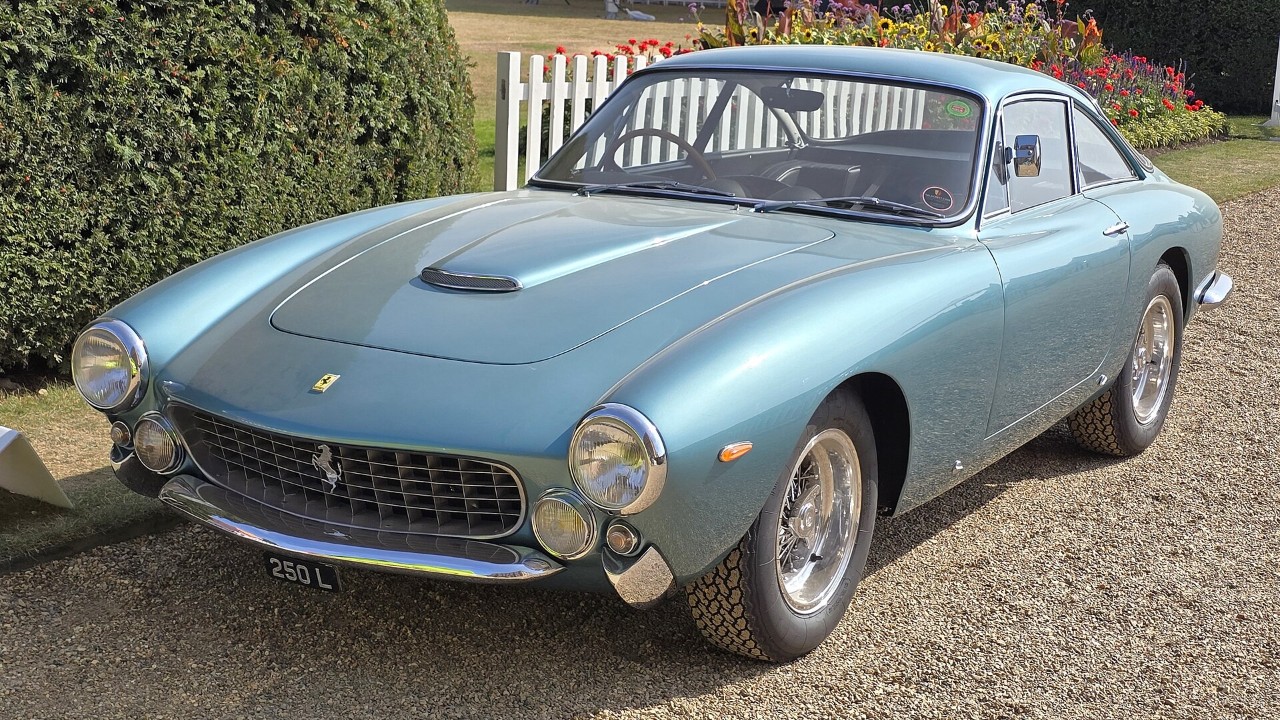
Few decades reshaped the automobile quite like the 1950s. In a span of ten years, cars went from postwar appliances to rolling sculptures that mirrored the Space Age, the Space Race, and a booming American middle class. Some models did more than sell well, they became instant icons that still define how people picture the era.
When I look at which 1950s cars earned that status, a pattern emerges: they combined daring design with new technology and a clear cultural role, whether as a family cruiser, a sports car, or a symbol of youthful rebellion. From tailfinned American coupes to European speed records and a humble German van, these machines turned a moment in history into metal and chrome.
Why 1950s cars were primed to become icons
The 1950s car boom did not happen in a vacuum. In the United States, rising incomes, expanding suburbs, and a highway network turned the automobile into a daily necessity and a status symbol at the same time. Designers leaned into the optimism of the Space Age and the Space Race, translating rockets and jet aircraft into large tailfins, flowing chrome, and wraparound glass that made even a family sedan look futuristic, a shift captured in accounts of 1950s American automobile culture.
Under the skin, the decade also brought meaningful engineering advances that made these dramatic shapes easier to live with. Power steering, for example, moved from luxury experiment to showroom reality when Chrysler introduced a commercially available system on the 1951 Chrysler Imperial, marketed under the name Chrysler, a sign that comfort and ease of use were becoming selling points in their own right. As collecting grew later on, analysts of classic car culture have noted that models from this era gained iconic status when they paired such technical steps forward with a distinctive design philosophy or a clear link to a cultural moment, rather than relying on styling alone.
Chevrolet Bel Air and the rise of the American family icon
Among 1950s family cars, the Chevrolet Bel Air stands out as the model that instantly read as aspirational yet attainable. Introduced at the start of the decade, The Chevrolet Bel Air quickly became one of the most famous American cars, especially in its mid decade iterations that combined two tone paint, generous chrome, and a clean, confident profile. Later collectors and transport specialists describe the Chevrolet Bel Air as a staple of 1950s American motoring, noting how it signaled high end status without straying out of reach for middle class buyers.
By 1957, the Bel Air had evolved into a shape that remains instantly recognizable, with a crisp rear fender line, modest tailfins, and brightwork that captured an optimistic national mood. Classic car commentators point to the 1957 Bel Air as a car that perfectly represented the era’s upbeat spirit, arguing that its styling distilled the decade’s fascination with motion and progress into a package that families could park in their driveways. Later lists of The Most Iconic Collector Vehicles from the 50s routinely place the Chevrolet Bel Air near the top, reinforcing how quickly it moved from showroom favorite to enduring symbol of the period.
Corvette, Thunderbird and the birth of the American dream sports car

If the Bel Air defined the family driveway, the Chevrolet Corvette and Ford Thunderbird turned the 1950s sports car into a uniquely American fantasy. The Chevrolet Corvette, introduced in 1953, is frequently credited with altering the automotive landscape in the United States by proving that a domestic brand could build a fiberglass bodied two seater aimed at driving pleasure rather than pure practicality. Analysts of 1950s design call out the early Corvette as one of the most beautiful cars of the decade, arguing that its low stance and clean lines helped set expectations for what an American sports car should look like.
Ford’s answer arrived shortly after in the form of the Ford Thunderbird, unveiled at the Detroit Auto show as a more comfort oriented alternative. Rather than chasing lap times, the Thunderbird was marketed as a “personal luxury car,” a label that later commentators repeat when they describe how Ford positioned it against the Corvette. Coverage of timeless 1950s cars notes that the Ford Thunderbird gave buyers a glamorous two seater they could actually afford at around $2,900, while insurance specialists and historians alike now refer to the Ford Thunderbird as a Fifties Icon that proved there was room in the market for style focused, driver centric coupes. Together, the Corvette and Thunderbird showed that 1950s America wanted cars that could project individuality as much as they provided transportation.
Cadillac tailfins and the peak of Space Age excess
No visual cue screams “1950s” more loudly than a set of towering tailfins, and Cadillac turned that flourish into a brand signature. As the decade progressed, tailfins grew from modest nods to aviation into dramatic sculptures, culminating in late 1950s models that pushed the idea to its limit. Specialists in car tailfin history point to the 1959 Cadillac Eldorado and the 1959 Imperial Crown as examples of the most extreme fins ever fitted to production cars, with the Cadillac Eldorado pairing its vertical fins with twin bullet shaped taillights that looked like rocket exhausts.
Collectors and film buffs often single out Cadillac coupes and convertibles from this period as the pinnacle of the company’s design language, describing how bold lines, tailfins, and extravagant chrome detailing turned them into rolling statements of prosperity. Contemporary enthusiasts on classic car forums still cite tail fins, big and elaborate grilles, and what some call “dollar grins” on American cars as the 1950s features that stand out most, a reminder that these visual excesses left a lasting impression. Modern overviews of iconic 1950s cars note that Cadillac styling from this era is both celebrated and critiqued for its boldness, but that very divisiveness is part of what made these models instant icons: they were impossible to ignore.
Speed, style and counterculture: from European record breakers to the Volkswagen Bus
While American manufacturers chased fins and chrome, European makers were quietly setting performance benchmarks that gave the 1950s some of its most enduring legends. Records of production car top speeds list the Jaguar XK120 at 124.6 mph in 1949, setting the tone for the decade, and later identify the Mercedes Benz 300SL as the fastest production car of 1955 at 150.7 mph, figures that underscored how quickly road car performance was advancing. A separate compilation of record-breaking production vehicles reinforces this picture, showing how each year brought a new make and model to the top of the top speed table, and helping explain why certain European coupes from this era still command reverence among enthusiasts.
At the opposite end of the spectrum, the Volkswagen Bus became an icon not through speed but through its role in emerging youth and counterculture movements. Retrospectives on the Volkswagen Bus describe how it’s simple engineering, boxy shape, and flexible interior made it a favorite of families, surfers, and later activists, turning a humble commercial vehicle into a symbol of freedom and community. Broader histories of car collecting note that during this era, models gained iconic status when they were tied to a cultural or historical moment, a design philosophy, or a technological leap, and the Volkswagen Bus checks at least two of those boxes. It may not have worn tailfins or set records, but like the Bel Air, Corvette, Thunderbird, and Cadillac coupes of its time, it captured a specific 1950s dream in sheet metal, which is why it still feels instantly recognizable today.
More from Fast Lane Only: