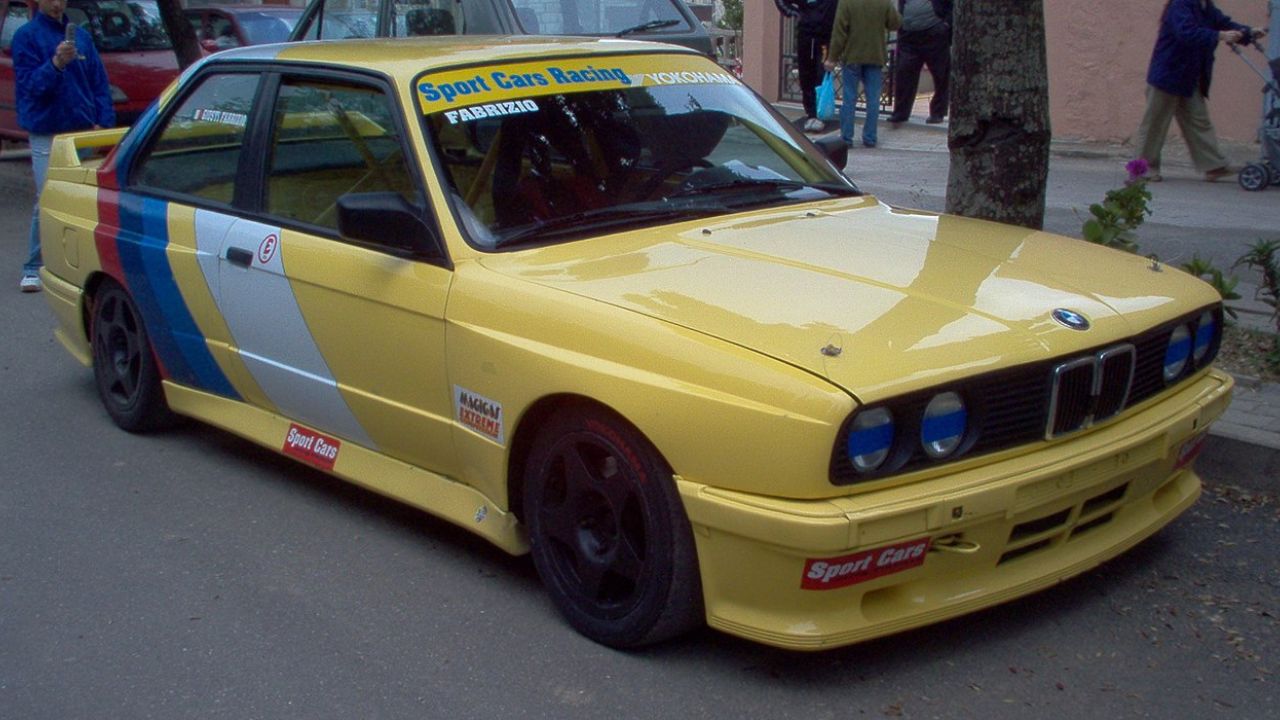
For years, some cars were punchlines at weekend meets and online forums, dismissed as too common, too compromised or simply not “pure” enough to be collectible. Yet those same models now roll across auction blocks and social feeds as coveted artifacts, with values and reputations transformed. The shift says as much about changing tastes and regulations as it does about the metal itself.
As younger buyers enter the hobby and governments tighten rules on emissions and registration, models once written off as disposable are being reconsidered. The story of how enthusiasts changed their minds about certain classics offers a glimpse of where the market is heading next.
How once-unloved cars earned a second look
Classic car culture long revolved around a narrow canon: 1960s muscle, prewar luxury and a handful of blue-chip European sports cars. Anything outside that lane, especially mass-produced sedans or 1980s and 1990s “used cars,” rarely drew serious attention. That hierarchy is breaking down, pushed by data, demographics and scarcity.
Market analysts tracking collector values have shown that appreciation is no longer confined to the usual suspects. Data from a major insurance-backed index, presented in a series of market charts, highlights how younger enthusiasts are driving interest in vehicles from the 1980s, 1990s and early 2000s. Cars like the Mazda MX-5 Miata, BMW E30 3 Series and early Subaru WRX, once cheap entry points, now command premiums in the right specification.
Generational change is a big part of the story. Collectors often chase the cars they grew up around. As buyers in their thirties and forties gain spending power, they are seeking out analog, manual-transmission machines that still feel modern enough to use regularly. The poster cars of their youth, from the Acura Integra Type R to the Toyota Supra, have moved from tuner culture to mainstream auction darlings. What older purists once dismissed as “imports” or “boy-racer specials” now sit beside big-block Chevrolets and air-cooled Porsches at high-end events.
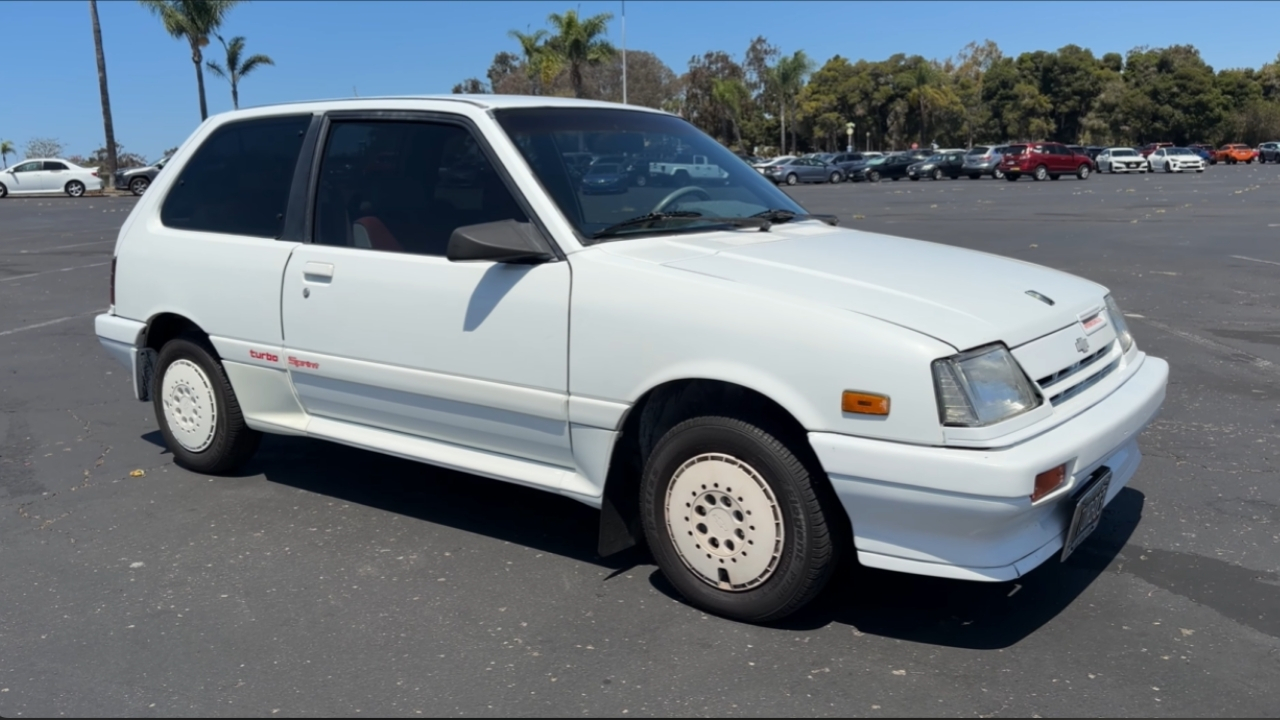
Many of these newly prized models were also heavily modified or simply used up when they were cheap, which makes unmolested survivors rare. Enthusiasts who shrugged at a stock Honda Civic hatchback a decade ago now pay a premium for low-mileage examples with original paint and factory wheels. Scarcity has a way of rewriting reputations.
Regulation has nudged opinions as well. In California, for instance, stricter emissions standards and talk of limiting older internal-combustion vehicles have fueled a narrative of a “war on classic. That sense of threat has encouraged some owners to preserve and celebrate models that once felt too ordinary to save. If the regulatory window for enjoying combustion cars is narrowing, even a humble V8 sedan or 1990s hot hatch starts to look like a piece of cultural history rather than just a used car.
Governments are not uniformly hostile, though. In the United Kingdom, the Driver and Vehicle Licensing Agency has updated registration policies to support older vehicles. The agency publicly backed the classic sector with revised rules on historic registrations and age-related plates, giving owners more certainty that their projects will remain road legal. Moves like this reinforce the idea that a wider range of vehicles, including former workhorses and family cars, deserve preservation.
Why shifting tastes in classics matter right now
The reappraisal of once-overlooked models matters for more than bragging rights at cars and coffee. It is reshaping values, legislation debates and even how cities think about transport heritage.
On the economic side, collector indexes show that appreciation has broadened beyond traditional investment-grade cars. The same data-driven analysis that tracks Ferrari and Porsche prices now also monitors Japanese sports cars, youngtimer German sedans and even early SUVs. As capital flows into these segments, restoration shops, parts suppliers and specialist dealers follow. That means jobs and skills tied to vehicles that many regulators once assumed would quietly disappear.
The political dimension is just as significant. In California, television host and collector Jay Leno has criticized proposals that he argues would sideline older internal-combustion cars, and he has promoted ideas such as limited-use exemptions for historic vehicles. A proposal associated with Leno that sought special treatment for classic cars was ultimately rejected, as reported in coverage of the law proposal. The debate showed how sharply opinions diverge between those who see older cars as mobile heritage and those who view them primarily through an emissions lens.
Enthusiasts’ changing attitudes influence these policy battles. When a 1960s muscle car is the only vehicle seen as “worthy” of protection, lawmakers can argue that exemptions are elitist. Once the conversation expands to include everyday classics, from Volvo wagons to first-generation Toyota RAV4s, the constituency looks broader and more representative. These are the cars families actually drove, and their preservation feels less like a niche hobby and more like cultural archiving.
An environmental paradox is at work, too. Older cars pollute more per mile than modern hybrids or electric vehicles, yet enthusiasts typically drive their classics sparingly, often only a few thousand miles a year. Some advocates argue that keeping an existing vehicle running, rather than scrapping it and building a new one, can be a rational use of resources when annual mileage is low. This argument resonates more strongly when the car in question is a modest hatchback or sedan, not just a high-value supercar.
For cities and regions trying to balance air quality with heritage, the growing respect for once-maligned models offers a path forward. Low-emission zones can be paired with limited-use permits for historic vehicles, defined not only by age but by registration in recognized classic schemes. The DVLA’s support for historic registrations gives one template for how such systems might work in practice.
Where the re-rating of classics is heading next
If the past decade turned 1980s and 1990s performance cars into darlings, the next wave is already forming. Early 2000s machines that bridge the analog and digital eras are starting to attract the same affection. Manual-transmission BMW M3s, first-generation Audi TTs and early Nissan 350Zs are entering the age bracket where nostalgia and affordability intersect.
Electric vehicles add a new twist. The first-generation Nissan Leaf or Tesla Roadster lacks the mechanical drama that traditionally defines a classic, yet they represent the opening chapter of mass-market electrification. As combustion cars face tighter restrictions, some collectors will inevitably turn to these early EVs as historical artifacts. The same pattern that lifted once-ignored diesels and economy cars into the spotlight could repeat for the first generation of battery-powered models.
Policy will continue to shape which cars survive long enough to be re-evaluated. If jurisdictions adopt blanket bans on older internal-combustion vehicles, many borderline models will simply be scrapped. If, instead, they follow a path closer to the DVLA’s updated approach, with clear historic categories and registration pathways, enthusiasts will have an incentive to rescue and restore cars that might otherwise be lost.
Market data suggests that breadth is here to stay. As the collector charts expand to track more segments, they validate what grassroots communities have already decided: taste is fragmenting, and value can emerge in unexpected corners. A 1990s Japanese minivan or a first-generation hybrid might never rival a Ferrari in price, but it can still become a respected, sought-after piece of automotive history.
For enthusiasts, the lesson is clear. The next great classic might not be the obvious halo car. It could be the manual wagon that survived a hard family life, the base-model hatchback that escaped modification or the early EV that quietly commuted until its battery faded. As attitudes shift and regulations evolve, the cars once dismissed as forgettable are increasingly the ones that tell the most interesting stories.
More from Fast Lane Only
- Unboxing the WWII Jeep in a Crate
- 15 rare Chevys collectors are quietly buying
- 10 underrated V8s still worth hunting down
- Police notice this before you even roll window down
*Research for this article included AI assistance, with all final content reviewed by human editors