You probably think of shortcuts as time savers, but one common “shortcut” behind the wheel quietly eats through your brake pads and rotors long before their time. When you keep your foot resting on the brake pedal to control speed instead of using proper braking and spacing, you turn every minute of your drive into extra friction, heat, and wear. Mechanics regularly trace premature brake jobs back to this habit, not to defective parts.
Once you understand how that constant light pressure multiplies heat and grind inside your braking system, you can start changing how you drive on hills, in traffic, and through neighborhoods. With a few small tweaks, you protect your brakes, keep your stopping distances consistent, and avoid surprise repair bills.
What “riding the brakes” really does to your car
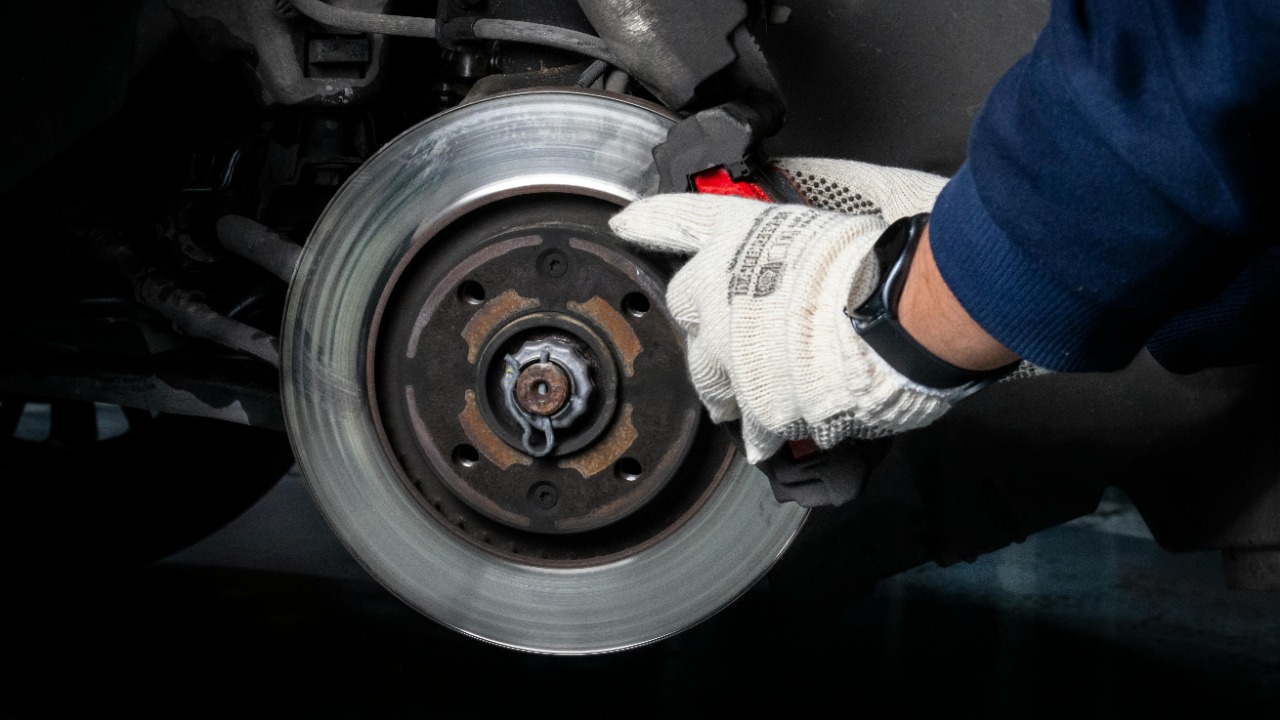
When you rest your foot on the pedal to keep speed in check, you keep the pads in near constant contact with the rotors. It might feel gentle from the driver’s seat, but inside the wheels you are creating continuous friction that never gives the metal and friction material a chance to cool. Shops that work with frequent stop-and-go traffic in places like Indianola warn that keeping constant pressure on the pedal is one of the fastest ways to chew through pads and glaze rotors.
That heat does more than just thin out the pad material. As temperatures climb, the friction surface can harden and become slick, which reduces bite and forces you to press even harder next time. It also transfers more heat into the brake fluid and calipers, which can lead to a soft pedal feel and, in extreme cases, temporary loss of braking power. Over time, the repeated stress of this shortcut shows up as warped rotors, noisy stops, and that familiar recommendation from your mechanic to replace hardware earlier than expected.
How your driving style accelerates wear
Your braking system is built to handle heavy use, but it is not designed for constant, unnecessary drag. When you mix riding the brakes with aggressive habits such as hard braking and late reaction, you compound the damage. Guides on driving habits explain that Aggressive Driving with repeated sudden stops dumps huge bursts of heat into already stressed pads and rotors, and that combination shortens the life of every component in the system.
Even if you avoid slamming the pedal, constant “micro braking” in traffic or on descents wears parts faster than necessary. Hovering your foot and applying tiny corrections instead of leaving space and coasting adds up to hundreds of small heat cycles on each trip. Brake specialists describe how short trips and already stress brakes with repeated stops, so layering on constant pedal contact in that environment is like running a marathon in heavy boots.
Why the “shortcut” feels safe but costs you money
Riding the brakes often starts as a comfort move. You might feel safer keeping your foot ready on the pedal in traffic, on a downhill, or when you follow closely because you think you will react faster. In reality, you trade a tiny perceived reaction time advantage for a steady stream of extra wear. Brake experts who look at premature failures emphasize that Role of Driving is central when pads wear out early, and that your style behind the wheel can matter as much as the brand of parts you buy.
There is also a budget hit that sneaks up on you. When you keep using this shortcut, you are not just replacing pads more often. You are more likely to score or crack rotors, overheat calipers, and even damage wheel bearings from excess heat. Shops that walk drivers through what causes brake point out that every extra replacement or machining service comes straight out of your maintenance budget, and that smarter habits are the cheapest step to better brake care.
What mechanics see when brakes wear out too soon
From the service bay, the patterns are obvious. Technicians who inspect premature failures regularly see heat spots, uneven pad deposits, and rotors that have changed color from excessive temperature. When they explain Causes of Premature on vehicles like Nissan sedans and SUVs, they point directly to aggressive driving habits, which include both hard stops and the kind of constant light braking that keeps discs bathed in heat.
You see the symptoms from the driver’s seat as well, often long before a warning light appears. Squealing at low speeds, vibration through the steering wheel, a burning smell after a downhill stretch, or a pedal that feels soft or pulses under your foot are all red flags. Brake specialists who outline common reasons brakes tie many of these symptoms back to heat and wear from hard braking and aggressive driving, which includes the constant partial braking you might think of as a harmless shortcut.
How to break the habit and protect your brakes
You can keep the control you want without riding the pedal once you change a few routines. Start by building more distance between you and the vehicle ahead so you can use coasting instead of constant light braking to manage speed. In heavy traffic, look several cars ahead and ease off the accelerator early instead of reacting at the last second. Guides on Late or Abrupt explain that consistently braking at the last minute is a major contributor to wear, so smoothing out your timing gives your pads and rotors a much easier life.
On hills, use lower gears and engine braking instead of resting your foot on the pedal all the way down. If your vehicle has a “L” or numbered gear on the shifter, or a manual mode on an automatic, you can select a lower range to let the engine help control speed. For longer descents, apply firm, short braking to bring speed down, then release the pedal completely to let parts cool, instead of dragging the brakes the entire time. Maintenance guides that list mistakes that wear also remind you to keep your braking system healthy with fresh fluid and quality parts, because good hardware paired with better habits is what keeps your stopping power strong.
More from Fast Lane Only