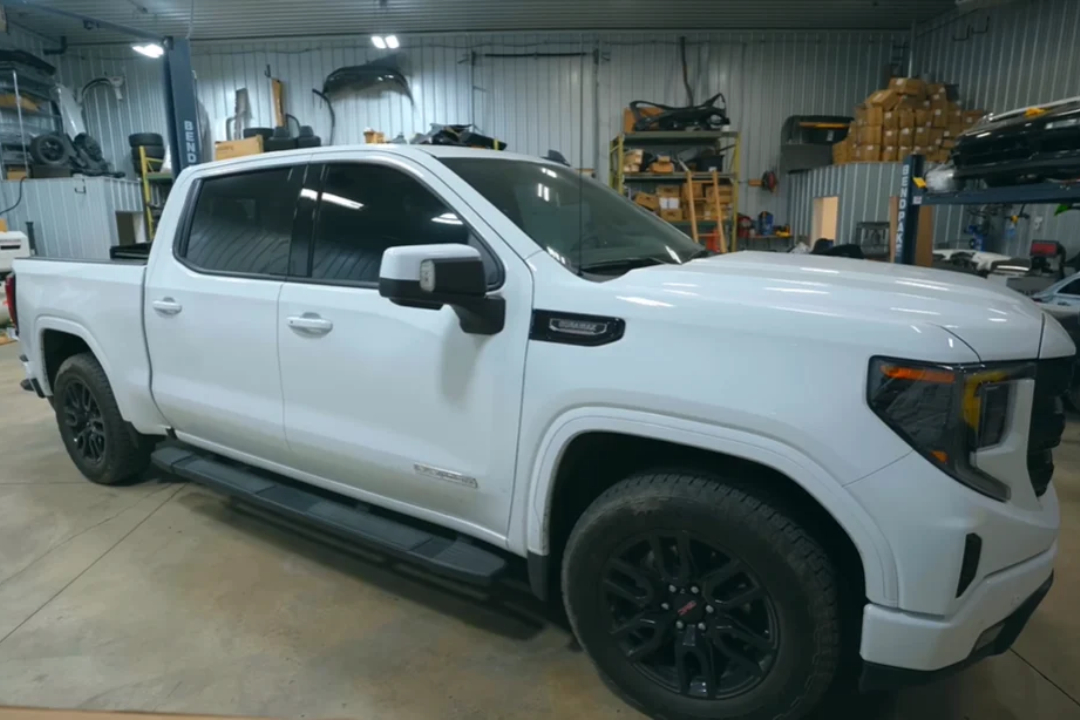
The reliability of trucks is crucial for both commercial and personal use, and several engineering decisions play a pivotal role in this dependability. Key choices in design, materials, and technology contribute significantly to the performance and longevity of some of the most reliable trucks on the market. This exploration delves into the engineering aspects that ensure trucks not only meet but exceed the expectations of their users.
Engine Design and Performance
The engine is often considered the heart of a truck, and its design fundamentally impacts reliability. Two primary engine types dominate the market: diesel and gasoline. Diesel engines, known for their durability and fuel efficiency, excel in heavy-duty applications where torque is paramount. They can deliver substantial horsepower while maintaining lower RPMs, making them ideal for towing and transporting heavy loads. Conversely, gasoline engines are typically lighter and provide quicker acceleration, making them suitable for lighter trucks and personal vehicles.
Innovations in engine technology have led to significant advances in fuel efficiency and emissions control. For instance, the introduction of turbocharging in diesel engines has allowed manufacturers to enhance power output without compromising fuel economy. Moreover, companies are increasingly adopting selective catalytic reduction (SCR) systems to meet stringent emissions standards, ensuring that trucks remain environmentally compliant while maintaining performance. These advancements not only improve engine longevity but also enhance overall reliability in demanding conditions.
Chassis and Suspension Systems
The chassis of a truck plays a crucial role in determining its stability and load distribution. A well-engineered chassis can support heavier loads without compromising safety or performance. Manufacturers often utilize high-strength steel and advanced composite materials to create a robust chassis that can withstand the rigors of heavy use, while also optimizing weight to improve fuel efficiency. For example, the Ford F-Series has consistently incorporated advanced materials to enhance the strength-to-weight ratio, contributing to its reputation as a reliable workhorse.
Additionally, the suspension system is integral to ride quality and durability. Modern trucks often feature independent suspension systems that enhance comfort and handling on various terrains. Advances in suspension technology, such as air suspension, allow for better load management and ride stability, especially when traversing uneven surfaces. This not only boosts the reliability of the truck but also reduces wear on components, extending the vehicle’s lifespan.
Transmission Engineering
Transmission systems significantly influence a truck’s performance and reliability. There are two primary types: manual and automatic. While manual transmissions have traditionally been favored for their simplicity and control, advances in automatic transmission technology have made them increasingly reliable. Contemporary automatic transmissions, such as the 10-speed automatic found in the Chevrolet Silverado, offer smoother shifts and improved fuel efficiency without sacrificing performance.
Gear ratios play a vital role in optimizing performance across various terrains. Trucks designed for off-road conditions often feature lower gear ratios, allowing for better torque at lower speeds, crucial for navigating challenging landscapes. Innovations in transmission engineering, such as adaptive transmission control systems, enhance reliability by adjusting shift patterns based on driving conditions, ensuring that the truck remains responsive and efficient.
Brake Systems and Safety Features
Effective braking systems are essential for ensuring the safety and reliability of trucks. There are two main types: hydraulic and air brake systems. Hydraulic brakes are commonly used in light-duty trucks, while air brakes are preferred for heavier vehicles due to their superior stopping power and reliability under heavy loads. The use of advanced materials in brake components, such as carbon-ceramic discs, has further improved braking performance and longevity.
Safety features, including anti-lock braking systems (ABS) and electronic stability control, are now standard in many trucks. These systems not only enhance safety but also contribute to the overall reliability of the vehicle by preventing wheel lock-up and maintaining control during sudden stops. The ongoing advancements in braking technology, such as regenerative braking systems, are also proving to be game-changers, allowing for energy recovery while enhancing reliability.
Electrical Systems and Technology Integration
The evolution of electrical systems in modern trucks has greatly improved their reliability. Advanced onboard diagnostics (OBD) systems allow for continuous monitoring of vehicle performance, enabling proactive maintenance and reducing the likelihood of breakdowns. Telematics systems, such as those offered by Fleet Complete, provide fleet operators with real-time data on vehicle health, facilitating timely interventions and minimizing downtime.
Furthermore, the integration of advanced driver-assistance systems (ADAS) enhances reliability by providing additional safety features that help prevent accidents. Technologies such as lane departure warnings, collision avoidance systems, and adaptive cruise control contribute not only to safety but also to the overall dependability of the truck, ensuring that it performs reliably in various driving conditions.
Durability Testing and Quality Control
Rigorous testing protocols are essential for ensuring the reliability of new truck models. Manufacturers conduct stress tests and fatigue tests to simulate the conditions that vehicles will face in real-world scenarios. For example, companies like Volvo and Freightliner have established comprehensive testing programs that assess everything from engine performance to chassis durability. This rigorous approach ensures that any weaknesses are identified and addressed before the trucks reach the market.
Quality control during manufacturing is equally important. By implementing strict quality assurance measures at every stage of production, manufacturers can ensure that their trucks meet high standards of reliability. Long-term reliability studies, such as those conducted by the Fleet Operator Research, help inform design decisions and improve future models, ultimately enhancing overall dependability.
User Feedback and Iterative Design
Feedback from fleet operators and individual users plays a crucial role in shaping engineering decisions. Manufacturers often engage with their customer base to understand their experiences and identify areas for improvement. For instance, the Ford Super Duty series has undergone numerous updates based on user feedback, including enhancements to engine performance and towing capabilities.
This iterative design process not only helps in the redesign of truck models but also fosters a culture of continuous improvement. Case studies of successful adaptations, such as the introduction of more fuel-efficient engines or improved cabin ergonomics, demonstrate how user input can lead to significant enhancements in reliability and overall performance.
Maintenance and Serviceability
Design features that facilitate easy maintenance and repairs can significantly enhance the reliability of trucks. Manufacturers are increasingly adopting modular component designs, allowing for easy replacement and upgrades. For example, the Ram 1500’s modular construction means that components can be easily accessed and serviced, minimizing downtime during maintenance.
Additionally, engineering decisions that extend the life cycle of truck parts are crucial for reliability. Utilizing durable materials and incorporating designs that reduce wear and tear can lead to longer-lasting components. This proactive approach to maintenance ensures that trucks remain dependable over the long term, ultimately benefiting both commercial operators and individual owners.
Environmental Considerations and Future Trends
As the focus on sustainability grows, engineering decisions are increasingly aligning with environmental goals. The rise of electric trucks, such as those from Tesla and Rivian, represents a significant shift in the industry. These vehicles not only offer reduced emissions but also boast lower operational costs, contributing to their reliability in the long run.
Regulations also play a significant role in shaping truck design and reliability. Stricter emissions standards are pushing manufacturers to innovate and improve their technologies. Future trends in truck engineering, such as the integration of alternative fuel sources and advancements in battery technology, promise to enhance reliability while also reducing the environmental impact of trucking operations.
More from Fast Lane Only