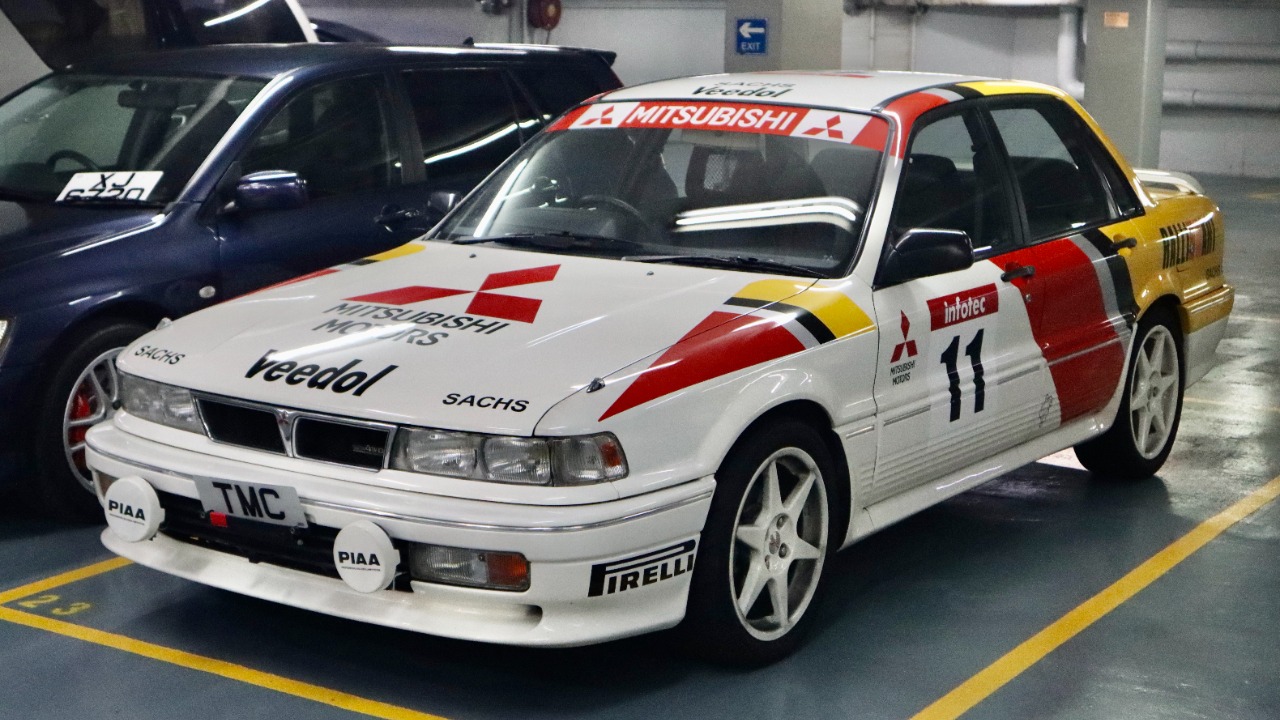
Automakers love to sell performance, but for decades they quietly built something more interesting: factory sleepers that looked ordinary yet hid serious engineering. Many of those packages have slipped from memory, overshadowed by halo models and modern badges. One of those forgotten configurations, a humble factory bundle that blended real hardware with anonymous styling, now seems oddly well suited to the way enthusiasts drive and spend today.
Revisiting that kind of package is not nostalgia for its own sake. It is a way to ask whether carmakers left value on the table by abandoning subtle, mechanically focused upgrades in favor of louder styling and software toggles. Coverage over the past few years, from obscure Japanese sedans to unloved American dirt bikes, suggests the answer might be yes.
How a low-key factory bundle became invisible
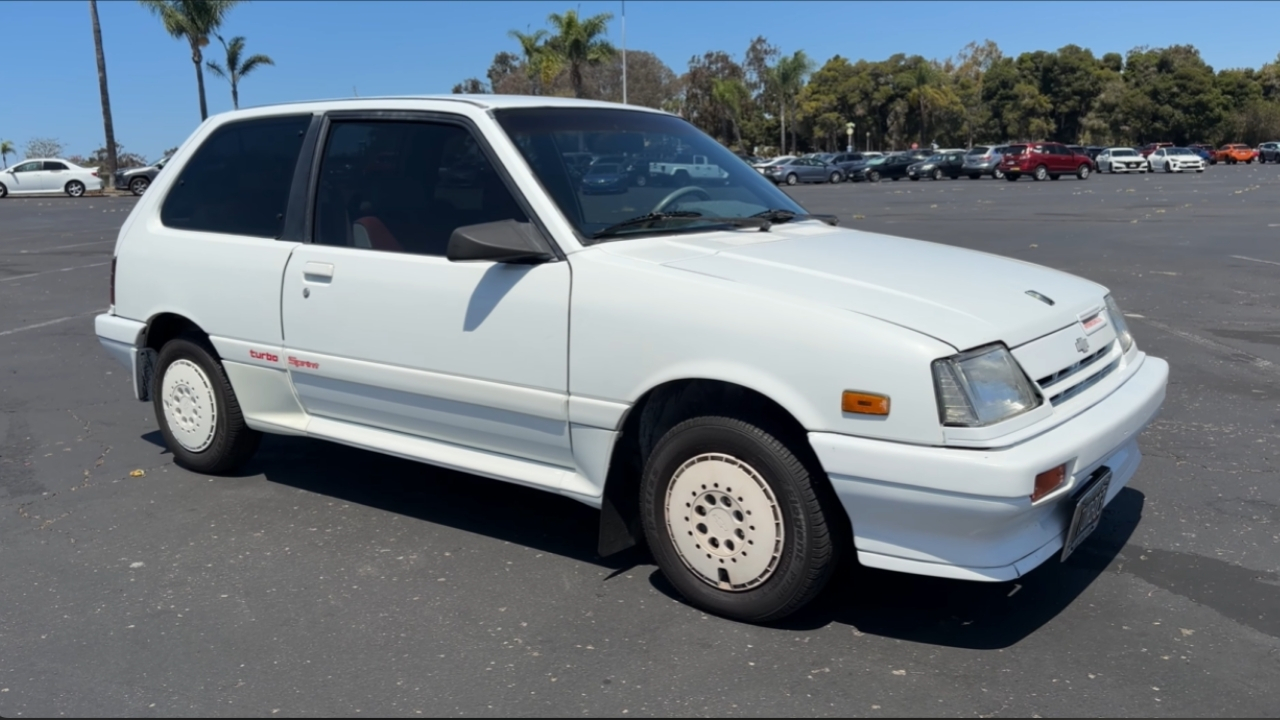
In the 1980s, Japanese brands perfected the art of the under-the-radar performance car. Models such as the Toyota Chaser, Nissan Leopard or Mitsubishi Galant VR-4 carried conservative sheet metal, yet paired it with turbocharged engines, sophisticated suspensions and, in some cases, all-wheel drive. Recent retrospectives on these Japanese sleepers highlight how deliberately understated they were, even as they shared hardware with headline-grabbing sports cars.
The forgotten factory package in that era was not a single trim but a formula. It combined a mid-grade body, usually a sedan or wagon, with an uprated engine, firmer springs, better brakes and little else. No flared arches, no wild spoilers, sometimes not even a badge. Buyers who knew what to look for could order something that drove like a specialist car but parked like a company fleet special.
That formula faded for several reasons. Insurance categories began to track power more closely, which reduced the advantage of hiding performance in an ordinary shell. Marketing departments discovered that bright graphics and aggressive body kits sold more cars than quiet competence. Regulators and internal cost cutters pushed for platform simplification, which made low-volume hardware packages harder to justify. Over time, the subtle factory bundle that once defined enthusiast value became a footnote.
A similar pattern shows up outside cars. In professional wrestling, the tag team of Christian and Edge spent years as a unit before their split was overshadowed by louder storylines. A detailed account of the Christian vs Edge describes how a carefully built partnership gave way to solo pushes that fit television’s appetite for clear stars. The supporting act, like the factory option code on an order sheet, slipped out of focus.
Why that sleeper-style package fits the current moment
Enthusiast culture has circled back to many of the priorities that defined those old factory sleepers. Buyers want real mechanical upgrades, but they also face crowded cities, rising insurance costs and a social climate that frowns on overtly antisocial cars. A package that hides its capability yet improves daily usability suits that reality far better than a shouty track special.
There is also a growing discomfort with wasteful one-dimensional toys. The cult following around Harley-Davidson’s short-lived two-stroke MX bikes reflects this shift. Analyses of Harley’s forgotten dirt point out that the machine offered serious capability but arrived at the wrong cultural moment for the brand, so it vanished quickly. Today, riders who want something light, simple and effective see it as a missed opportunity.
Automakers face a similar reckoning. Many performance trims now amount to software unlocks and cosmetic kits. That strategy makes sense for margins, but it leaves a gap for buyers who care more about chassis tuning and powertrain durability than about screens and ambient lighting. The old-school factory sleeper package, with its focus on springs, dampers and cooling, answered that need directly.
Environmental pressure also changes the equation. Industrial projects that once would have been judged solely on output now stand or fall on their ability to integrate cleaner technology. A proposal for a so-called green copper complex in Tamil Nadu, for instance, has been reevaluated because its backers argue that modern smelting can cut emissions and support domestic supply chains. Advocates for that copper project frame it as a case study in how legacy heavy industry might adapt instead of disappear.
That debate echoes in the car world. Rather than scrap combustion expertise outright, some engineers argue for leaner, cleaner, more efficient performance packages that use smaller engines, smarter gearing and lightweight bodies. A factory sleeper built around that philosophy could bridge the gap between enthusiasts and regulators, especially if it prioritised emissions hardware and recyclability along with speed.
How pop culture keeps rescuing the overlooked
Forgotten factory configurations rarely return on their own. They are pulled back into view by critics, archivists and fans who spot something ahead of its time. In literature, the career of Mary Hunter Austin shows how this can work. Long ignored, she is now cited as a writer who anticipated ecology, environmentalism and realist fiction decades before those ideas became mainstream. Recent profiles of the forgotten novelist argue that her work reads as contemporary precisely because she treated land use, resource limits and community as a single system.
Film and television follow similar cycles. The 2012 remake of Total Recall arrived to mixed reactions, then slipped into streaming back catalogues. New viewers now encounter it through platforms like Netflix, where reassessments point to its production design and social commentary on surveillance and class. A recent review of the Total Recall remake describes how its depiction of a stratified, climate-stressed future feels more resonant than it did at release.
Documentary film has its own rediscoveries. The project that tracked Josh Harris and his experiment with life under constant surveillance, for example, has been revisited as a kind of early warning about social media. Critics who argue that the documentary about that experiment deserves another look point to its uncomfortable accuracy about how willingly people trade privacy for attention.
These cultural revivals matter for cars because they show how context can flip. A package that once seemed niche or commercially awkward can, in hindsight, look prophetic. The sleeper-style factory bundle anticipated a world in which drivers wanted capability without spectacle, efficiency without boredom and authenticity without constant self-promotion. That mix aligns closely with the way younger enthusiasts talk about their ideal daily driver.
What a modern version of the forgotten package could look like
If an automaker chose to revive this kind of option, it would not be a retro decal set. It would be a quiet, engineering-led bundle that adds real hardware and trims away distractions. The template already exists in those 1980s sedans and wagons, but a contemporary version would need to reflect current constraints on emissions, safety and digital architecture.
A plausible specification would start with a mid-range hatchback or compact sedan. The package would add a slightly uprated engine tune, stronger cooling, a mechanical limited-slip differential, firmer yet compliant suspension and high quality tires. Inside, it would delete some nonessential screens and gimmicks in favor of lighter seats and physical controls. Externally, it would be almost indistinguishable from the base car, perhaps with a single small badge or different wheel finish.
Pricing would be critical. The old sleepers worked because they were attainable. They often sat one notch above the volume trim, not at the top of the range. A modern equivalent would need similar positioning so that buyers choosing between a loaded crossover and a modest sedan could justify the trade. The value proposition would rest on driving quality and longevity rather than on gadgets.
There is precedent for this strategy in other media. The 1992 film Toys, starring Robin Williams, blended whimsical visuals with unsettling themes about militarisation and surveillance. For years it confused audiences who expected a simple family comedy. Recent essays on the Toys movie treat that tonal clash as a strength, not a flaw. The work did not fit its original marketing box, but in hindsight that mismatch feels prescient.
More from Fast Lane Only
- Unboxing the WWII Jeep in a Crate
- 15 rare Chevys collectors are quietly buying
- 10 underrated V8s still worth hunting down
- Police notice this before you even roll window down
*Research for this article included AI assistance, with all final content reviewed by human editors