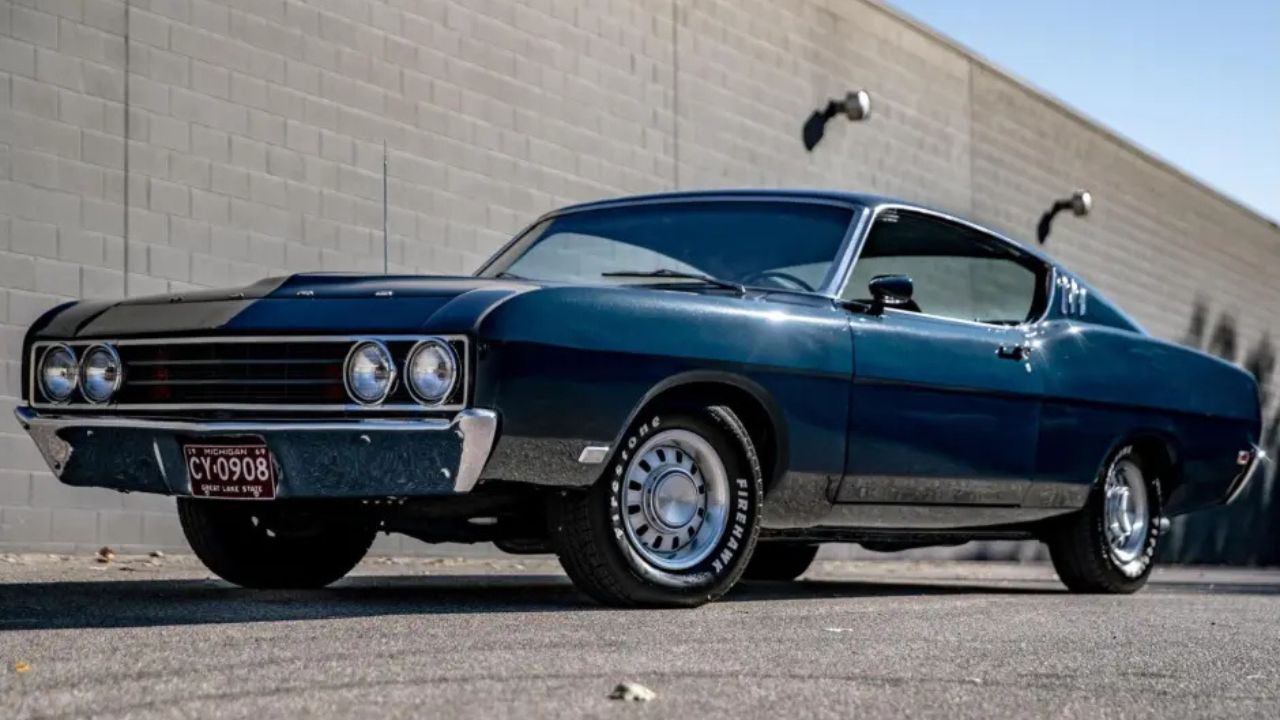
The Ford Torino Talladega was one of the most specialized muscle cars of the late 1960s. Built specifically to help Ford dominate NASCAR superspeedway racing, the sleek fastback combined aerodynamic engineering with powerful big-block performance, creating a machine that quietly became one of Detroit’s most effective stock car homologation specials.
Ford created the Talladega to fight NASCAR’s speed wars
When Ford Motor Company developed the Ford Torino Talladega, NASCAR competition had become increasingly focused on high-speed aerodynamic efficiency. Rival manufacturers were searching aggressively for advantages on massive superspeedways like Daytona and Talladega.
Inside Ford Motor Company racing development, engineers realized standard production cars created excessive aerodynamic drag at extreme speeds. The Torino Talladega emerged as a specialized solution designed specifically to improve stability and top-speed performance during NASCAR competition.
Aerodynamic modifications separated the Talladega from ordinary Torinos
Although the Ford Torino Talladega resembled a standard Torino at first glance, Ford engineers made several important aerodynamic revisions. The front end received a smoother extended nose design, while the body profile reduced turbulence at high speeds.
For Ford Motor Company, even small aerodynamic improvements could dramatically affect superspeedway performance. These refinements helped the Talladega cut through air more efficiently than conventional muscle cars competing in NASCAR during the late 1960s.
Big-block power backed up the aerodynamic design
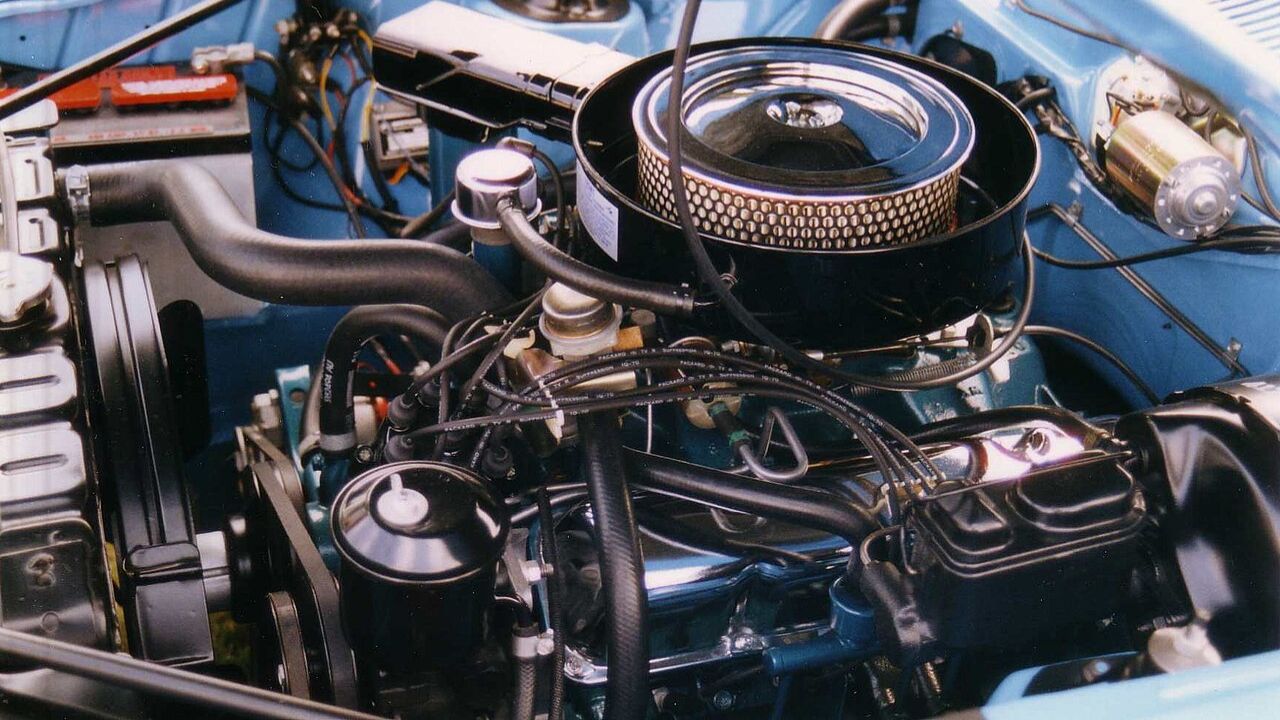
Under the hood, the Ford Torino Talladega carried serious performance hardware. Ford equipped the car with powerful big-block V8 engines capable of delivering the sustained high-speed output necessary for long NASCAR events.
Within Ford Motor Company performance engineering, the Talladega balanced raw horsepower with aerodynamic efficiency. This combination allowed the car to achieve exceptional speed on NASCAR’s largest tracks while maintaining stability under racing conditions.
NASCAR success quickly proved Ford’s strategy worked
The reputation of the Ford Torino Talladega grew rapidly once it reached competition. Ford teams used the Talladega platform to achieve major success against rival manufacturers during one of NASCAR’s fiercest eras.
For enthusiasts of NASCAR history, the Talladega represents an important turning point when aerodynamics became just as critical as engine power. The car’s effectiveness helped push manufacturers toward increasingly radical racing body designs in the years that followed.
Limited production turned the Talladega into a rarity
Because the Ford Torino Talladega existed primarily to satisfy NASCAR homologation requirements, production numbers remained relatively limited. Ford needed enough street-legal examples to qualify the car for competition, but it was never intended as a mass-market muscle car.
As years passed, surviving examples became increasingly desirable among collectors of Ford Motor Company performance history. Many enthusiasts began recognizing the Talladega as one of the most historically significant aerodynamic muscle cars ever produced.
Today the Torino Talladega remains an overlooked NASCAR legend
Modern collectors still admire the Ford Torino Talladega for its unique combination of racing purpose, aerodynamic engineering, and big-block muscle. Despite its importance, the car often receives less attention than more famous winged NASCAR specials from the same era.
For fans of NASCAR and classic American performance, the Torino Talladega symbolizes a brief period when manufacturers openly built street cars designed almost entirely around winning races. That singular mission is exactly why the Talladega remains such a fascinating forgotten legend today.
More from Fast Lane Only