The muscle car era produced no shortage of legends. Names like Charger, GTO, Chevelle, and Mustang continue to dominate conversations about American performance. Yet hidden beneath the spotlight were several machines that delivered serious speed without receiving the recognition they deserved. Some arrived at the wrong time, some were overshadowed by more famous siblings, and others simply lacked the marketing support needed to become household names.
Among these overlooked performers were muscle cars that quietly delivered performance capable of embarrassing more celebrated rivals. While buyers at the time often focused on horsepower ratings, bold styling, or racing success, a few surprisingly quick models slipped through the cracks. Decades later, enthusiasts have begun to appreciate just how capable these forgotten machines really were.
Insurance pressures helped hide their potential
By the early 1970s, the muscle car market was changing rapidly. Rising insurance costs, emissions regulations, and growing fuel economy concerns were beginning to reshape the industry.
Manufacturers responded in different ways. Some reduced performance outright, while others became more creative with marketing and engine offerings. During this transition, certain vehicles ended up being underestimated because official specifications failed to tell the whole story.
Horsepower ratings were often changing from gross to net measurements, making direct comparisons difficult. Some cars appeared weaker on paper than they actually felt on the road, creating opportunities for hidden performance gems.
The Plymouth Duster 340 became an unexpected giant killer
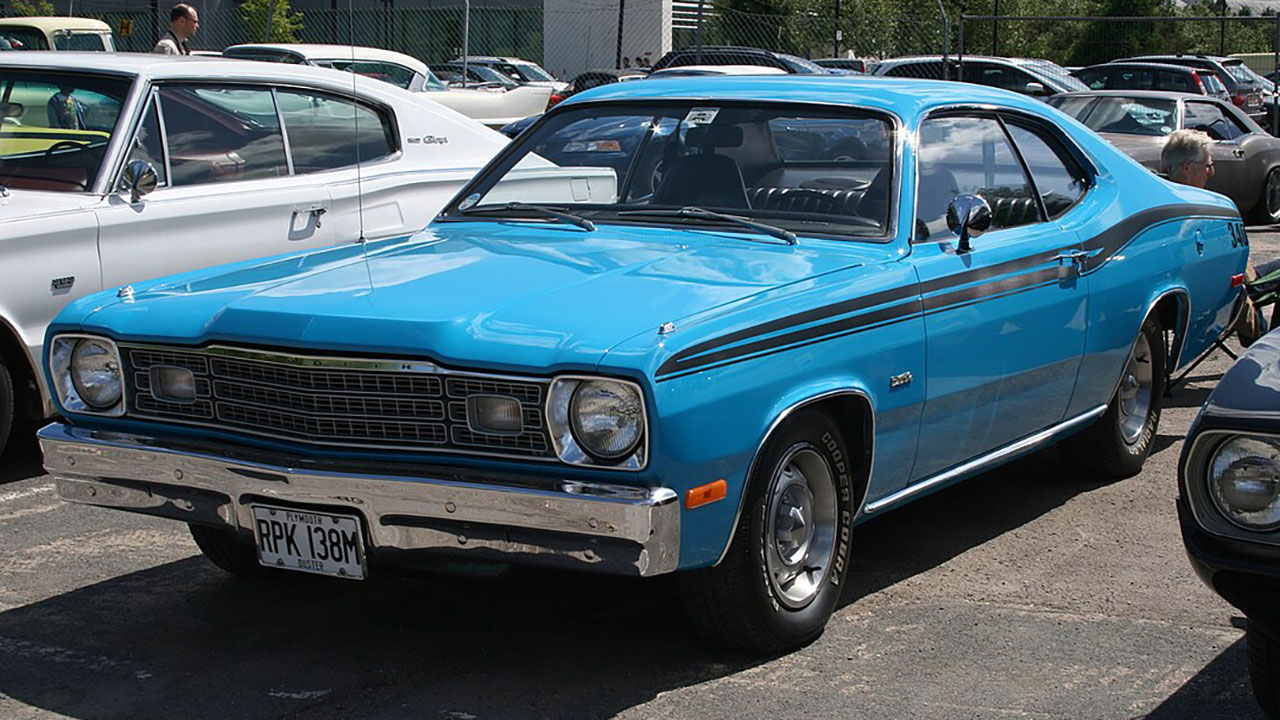
One of the clearest examples was the Plymouth Duster 340. At first glance, it looked like a practical compact car rather than a serious muscle machine.
Under the hood, however, sat Chrysler’s respected 340 cubic-inch small-block V8. Combined with the Duster’s relatively light weight, the result was a surprisingly quick package that many competitors underestimated.
Enthusiasts quickly discovered that the Duster 340 could deliver impressive acceleration while costing less than many larger muscle cars. It lacked the prestige of a Hemi-powered model, but its real-world performance earned it a loyal following among those who knew what it could do.
Lightweight construction made all the difference
One reason overlooked muscle cars often performed better than expected was simple physics. A lighter vehicle required less power to achieve strong acceleration.
Many buyers focused heavily on engine size, assuming bigger always meant faster. In reality, a well-balanced combination of weight and horsepower frequently produced better results.
Cars such as the Duster 340 benefited from this formula. While they lacked the intimidating image of larger muscle cars, they often matched or exceeded the performance of heavier rivals equipped with more powerful engines.
Factory ratings did not always tell the whole story
The muscle car era featured numerous examples of conservative factory horsepower ratings.
Manufacturers sometimes understated output figures for insurance reasons, marketing strategy, or internal corporate policies. Enthusiasts and racers quickly learned that certain engines produced significantly more power than their official ratings suggested.
As a result, some forgotten muscle cars developed reputations among knowledgeable buyers that differed dramatically from their public image. Their performance on the street often revealed capabilities that spec sheets failed to communicate.
Handling advantages often went unnoticed
Straight-line speed dominated muscle car marketing, but handling also played an important role in real-world performance.
Several overlooked muscle cars featured lighter front ends, balanced chassis setups, and responsive steering characteristics that made them more enjoyable to drive than some larger competitors.
Drivers frequently discovered that these vehicles felt quicker because they inspired confidence and responded more effectively to driver inputs. While they may not have attracted attention at dealerships, they earned respect behind the wheel.
Famous rivals stole the headlines
One of the biggest reasons certain muscle cars became forgotten is that they existed alongside legendary competition.
A buyer walking into a showroom during the late 1960s or early 1970s might naturally gravitate toward a Hemi Cuda, Chevrolet Chevelle SS, Dodge Charger R/T, or Pontiac GTO. Those vehicles dominated advertising campaigns and enthusiast magazines.
Meanwhile, less celebrated models often delivered impressive performance without receiving comparable publicity. Their capabilities remained largely known only to owners and dedicated enthusiasts who experienced them firsthand.
Over time, this imbalance in attention helped create the perception that some vehicles were less significant than they actually were.
Modern enthusiasts are rediscovering these cars
Today’s collectors increasingly appreciate overlooked performance cars from the muscle car era. Rising prices for iconic models have encouraged enthusiasts to explore alternatives that offer comparable excitement and historical significance.
Vehicles once considered second-tier choices are now receiving renewed attention. Collectors recognize that many forgotten muscle cars delivered outstanding performance while remaining more affordable and accessible than the most famous names.
This reevaluation has helped shine a light on models that spent decades living in the shadows of more celebrated machines.
Real-world performance matters more than reputation
The history of muscle cars is filled with examples of vehicles that performed better than their reputations suggested. While marketing, styling, and horsepower figures influenced public perception, actual performance often told a different story.
Cars like the Plymouth Duster 340 demonstrated that intelligent engineering, favorable power-to-weight ratios, and strong engines could create genuinely quick machines without attracting widespread attention. Their achievements may not have generated the same headlines as the era’s biggest stars, but their capabilities were every bit as real.
The hidden heroes of the muscle car era
The forgotten muscle cars of the late 1960s and early 1970s remind enthusiasts that performance is not always measured by fame. Some of the quickest and most rewarding vehicles of the era arrived without massive marketing campaigns or legendary badges.
Instead, they relied on smart engineering, lightweight construction, and engines that delivered more than buyers expected. Decades later, collectors and enthusiasts are finally giving these overlooked performers the appreciation they deserve. Their stories prove that some of the most interesting chapters in muscle car history were written far from the spotlight.