Automakers spent the past decade turning dashboards into glass slabs, treating cars as rolling smartphones and relegating physical controls to a design relic. That experiment is now meeting resistance from regulators, safety advocates, designers and drivers who argue that critical functions should not hide behind layers of software. The growing backlash against touch-centric cabins is beginning to reshape future models, as brands rediscover the value of simple, tactile buttons.
The debate has moved beyond nostalgia or aesthetics. Research on distraction, new safety rules and high-profile reversals at companies such as Volkswagen and Mercedes are giving physical controls fresh authority. The argument is straightforward: a car is a machine that moves at speed in unpredictable environments, and its controls must work instantly, by feel, even when software freezes or screens go dark.
The safety case against all-screen dashboards
Critics of screen-heavy interiors increasingly frame their objections in terms of reaction times and crash risk. Studies cited in recent reporting show that interacting with complex touch menus can impair performance more than driving at the legal alcohol limit, because drivers must look down repeatedly and navigate nested icons instead of reaching for a familiar knob. One widely referenced experiment found that drivers took significantly longer to perform basic tasks on a touchscreen than with conventional controls, with some sequences stretching several seconds, which at highway speeds translates into dozens of meters traveled without full attention.
Those concerns are echoed by safety advocates who see infotainment systems morphing into unregulated smartphones on wheels. Center for Auto Safety Executive Director Michael Brooks has described touchscreen problems as a major safety concern, pointing to blackouts, frozen displays and software glitches that can suddenly strip drivers of climate, audio or navigation controls. In one set of data highlighted by advocates, drivers forced to use touch interfaces drifted out of their lane 42 percent more often, a figure that aligns with growing regulatory pressure to keep essential tasks simple and tactile. New rules discussed in several markets would require physical switches for core functions such as hazard lights and windshield defogging, a direct response to evidence that burying them in menus increases distraction.
Designers, drivers and the limits of “phone logic”
For years, interior design teams celebrated touchscreens as a way to declutter dashboards and chase a minimalist aesthetic. Suppliers describe how touchscreen technology enabled them to strip away physical switches, create sweeping surfaces and update features through software, all while promising customizable layouts for different drivers. That logic borrowed heavily from smartphones, where users accept visual menus and frequent updates as the price of flexibility. In a stationary device held at arm’s length, such trade-offs can be reasonable.
Inside a moving vehicle, however, the smartphone analogy breaks down. Owners on enthusiast forums complain that, as with other dangerous trends in car design, the push toward tablet-style interfaces can be traced to early adopters such as Tesla, where touchscreens were marketed as symbols of tech-infused modernity. Drivers now report fatigue with glossy panels that attract fingerprints, lag under heavy software loads and require eyes-off-road time for tasks that once took a half-second twist of a knob. Accessibility advocates add that lack of tactile particularly harms sight-impaired users and older drivers, who struggle when touch surfaces stop registering input or hide controls behind small icons.
Volkswagen, Mercedes and the symbolic return of knobs
The clearest sign that the all-screen era has peaked comes from automakers now reversing course in public. Volkswagen design chief Andreas Mindt has told the British magazine Autocar that beginning with the electric ID 2all, future models will again feature physical switches for key functions. In his view, it is not a phone, it is a car, and customers should be able to adjust volume, climate and lights through dedicated hardware. Coverage of Volkswagen notes that the company had leaned heavily into screen-dominant interiors, only to face complaints about confusing sliders and poor visibility of basic controls at night.
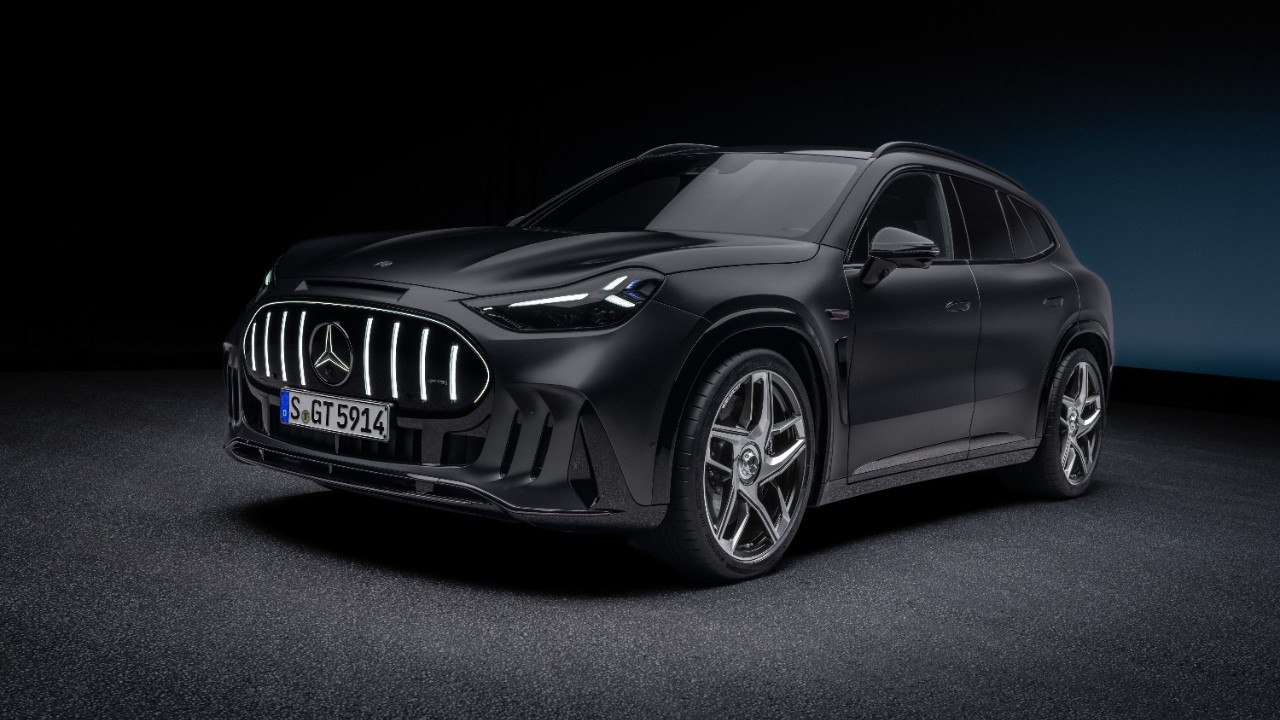
Mercedes is making a similar pivot on its flagship models. After experimenting with glossy, touch-sensitive steering wheel pads that controlled everything from audio to driver assistance systems, the company has begun adding real buttons back to its SUVs and has revealed a refreshed 2026 S-Class that abandons the controversial setup. Reporting on Mercedes highlights that the company is not only restoring steering wheel buttons but also reintroducing a traditional volume knob, a small detail that has become a symbol of driver-friendly design. Other brands, including Porsche and BMW, have been praised for retaining rotary dials and shortcut keys alongside larger screens, with BMW’s iDrive system keeping dedicated buttons and knobs that now seem refreshingly practical rather than outdated.
Regulation, public pressure and what comes next
Regulators are starting to translate this backlash into formal requirements. Proposals in several regions would limit how many core driving functions can be controlled solely through a touchscreen and would mandate physical switches for items such as hazard flashers, wipers and demisters. Analysts note that new safety regulation would effectively cap the current trend of pushing every interaction into software, and would force manufacturers to rethink cost-saving strategies that relied on a single central display. On social media, designers and architects have called for brands such as MINI to return to buttons and knobs for key functions, arguing that current big screens are a safety hazard because drivers must visually aim and tap while moving, which is treated similarly to phone use while driving and is illegal in some jurisdictions.
Consumer sentiment appears to be shifting in parallel. Enthusiast communities celebrate models like the Mazda CX-70 that retain extensive physical controls, with one widely shared thread titled with the emphatic word Love praising the layout and claiming that 70 percent of daily interactions can be handled without touching the main screen. Video explainers with titles such as automakers killing touchscreens attract large audiences who share frustration that changing the air conditioning has become a four-step process. At the same time, industry-focused commentary on touchscreens and buttons argues that the future is likely to be a hybrid approach, where a central display handles navigation and media while a carefully chosen set of knobs and keys manages the controls that must never fail. In that vision, the backlash is not a rejection of technology but a demand that digital convenience respect the realities of driving.
More from Fast Lane Only