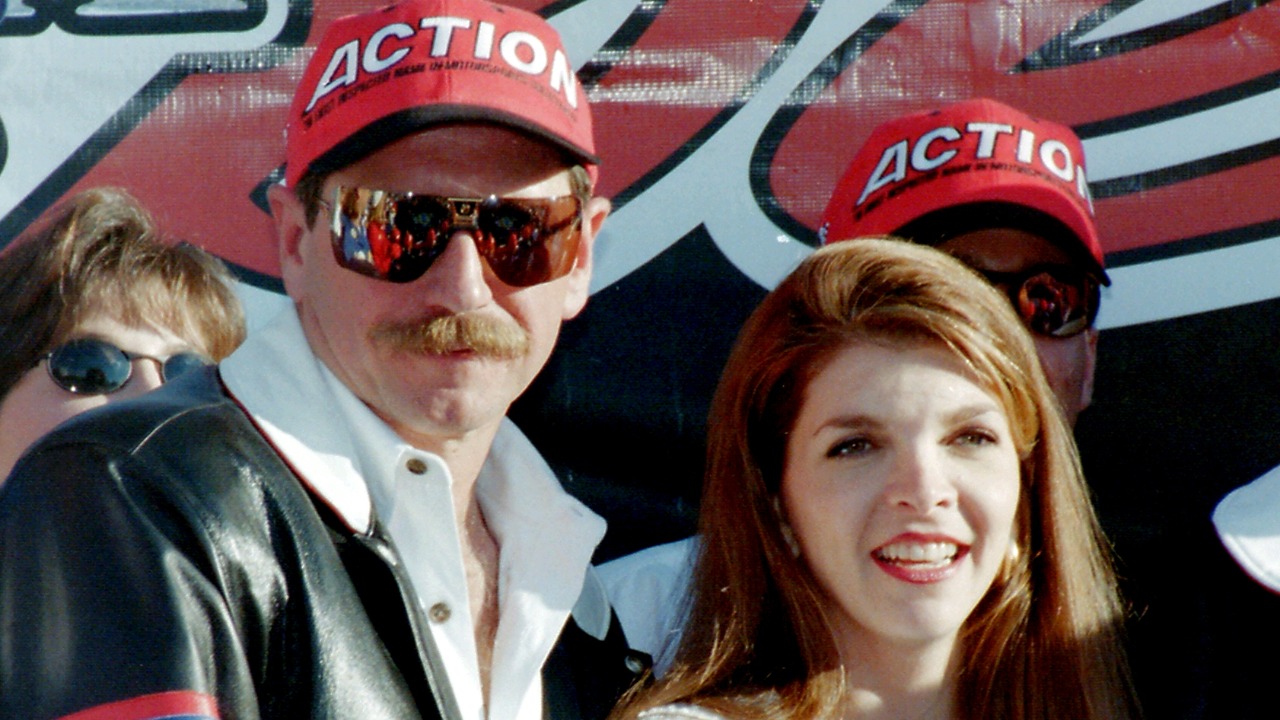
Throughout the history of motorsport, certain drivers have left an indelible mark on the sport with their sheer aggression and relentless pursuit of victory. These individuals didn’t just race; they transformed the landscape of racing with their bold tactics and fearless approaches. From the iconic circuits of Formula 1 to the high-octane ovals of NASCAR, their legacies continue to inspire and provoke debate. Here are eight drivers who pushed the boundaries and changed racing with their pure aggression.
Ayrton Senna: The Relentless Pursuer
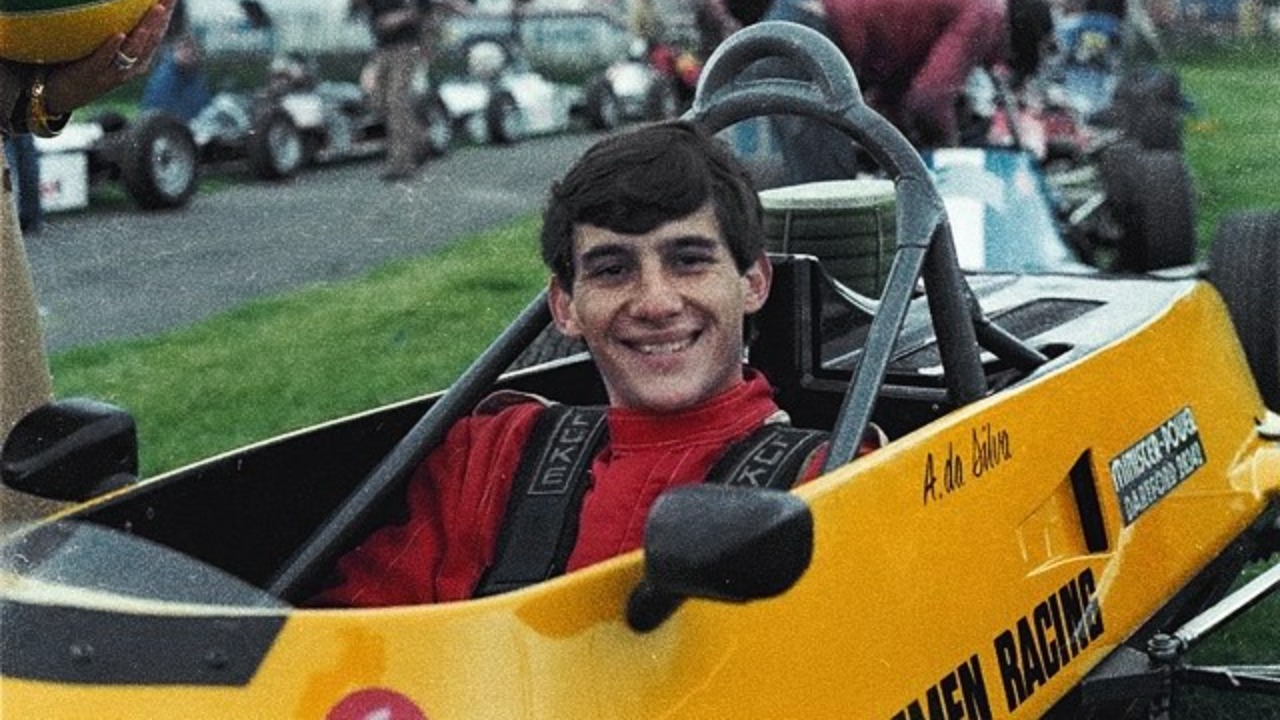
Ayrton Senna was not just a driver; he was a phenomenon. With his aggressive driving style and unwavering determination, Senna redefined what it meant to compete in Formula 1. His legendary battles with Alain Prost, particularly during the 1988 and 1989 seasons, showcased his relentless pursuit of victory. Senna’s ability to push his car to the absolute limit, even in adverse conditions, made him a formidable opponent. The iconic 1993 European Grand Prix, where he expertly navigated a wet track to secure a remarkable victory, is a testament to his skill and tenacity. Senna’s legacy lives on, influencing countless drivers today, and his impact on racing is still felt.
Senna’s aggressive tactics often sparked controversy, but they also ignited passion among fans. His willingness to take risks, especially at high-speed corners, was unparalleled. The infamous collision with Prost at Suzuka in 1989 is a prime example of how far he would go to win. Ultimately, Senna’s life was tragically cut short in 1994, but his spirit and approach to racing continue to inspire discussions about aggression and ethics in motorsport. The balance between aggression and respect remains a topic of interest among racing enthusiasts, as seen in debates on forums like Reddit.
Dale Earnhardt: The Intimidator’s Legacy
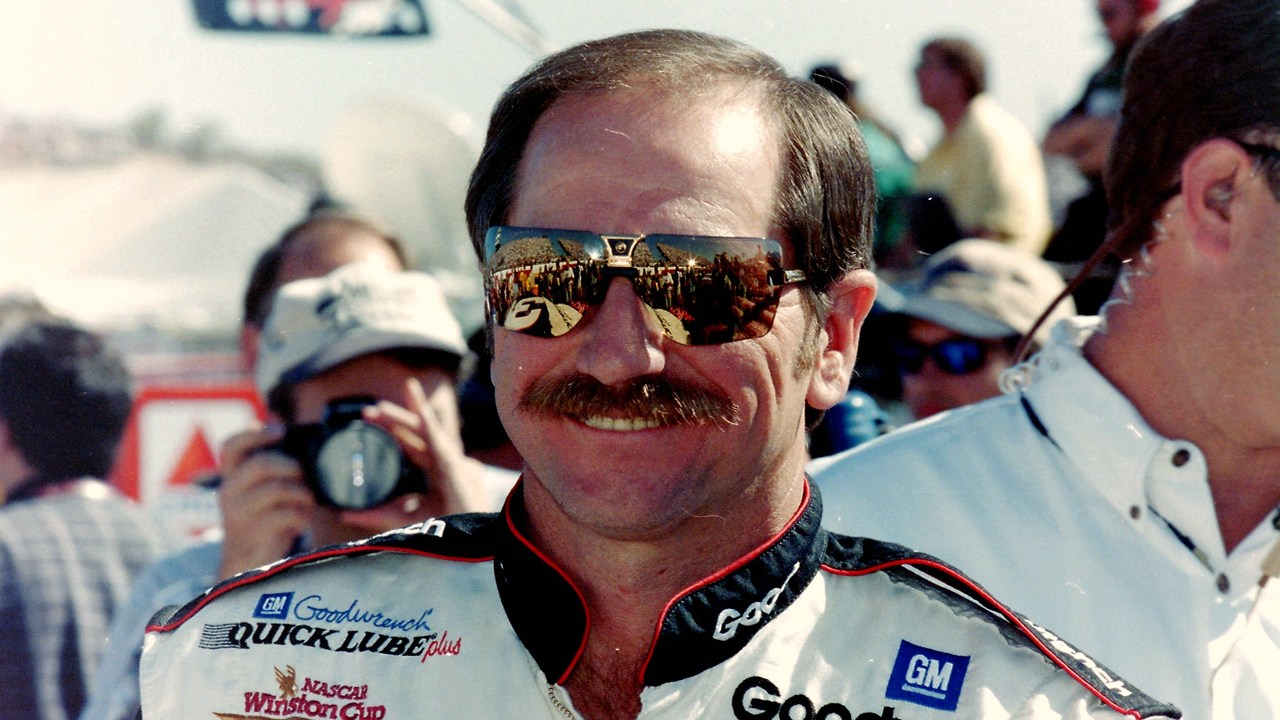
Dale Earnhardt, known as “The Intimidator,” was a driving force in NASCAR. His aggressive style on the track earned him a reputation that struck fear into the hearts of competitors. Earnhardt’s willingness to rough up opponents in pursuit of victory became a hallmark of his career. The 1990 Daytona 500, where he won in dramatic fashion, showcased his tenacity and competitive spirit. His ability to put pressure on other drivers, especially in the closing laps of a race, often resulted in thrilling finishes and unforgettable moments.
Earnhardt’s influence extended beyond his driving style. He was a master strategist, using his knowledge of the sport to manipulate situations to his advantage. His fierce rivalries, particularly with drivers like Jeff Gordon and Rusty Wallace, captivated fans and elevated the sport’s profile. Tragically, Earnhardt lost his life in a crash during the 2001 Daytona 500, but his legacy lives on through the countless drivers he inspired. Discussions about aggression in racing often reference Earnhardt’s tactics, reminding us of the fine line between assertiveness and recklessness, a topic that has been explored in articles on NASCAR.
Juan Manuel Fangio: The Fearless Innovator
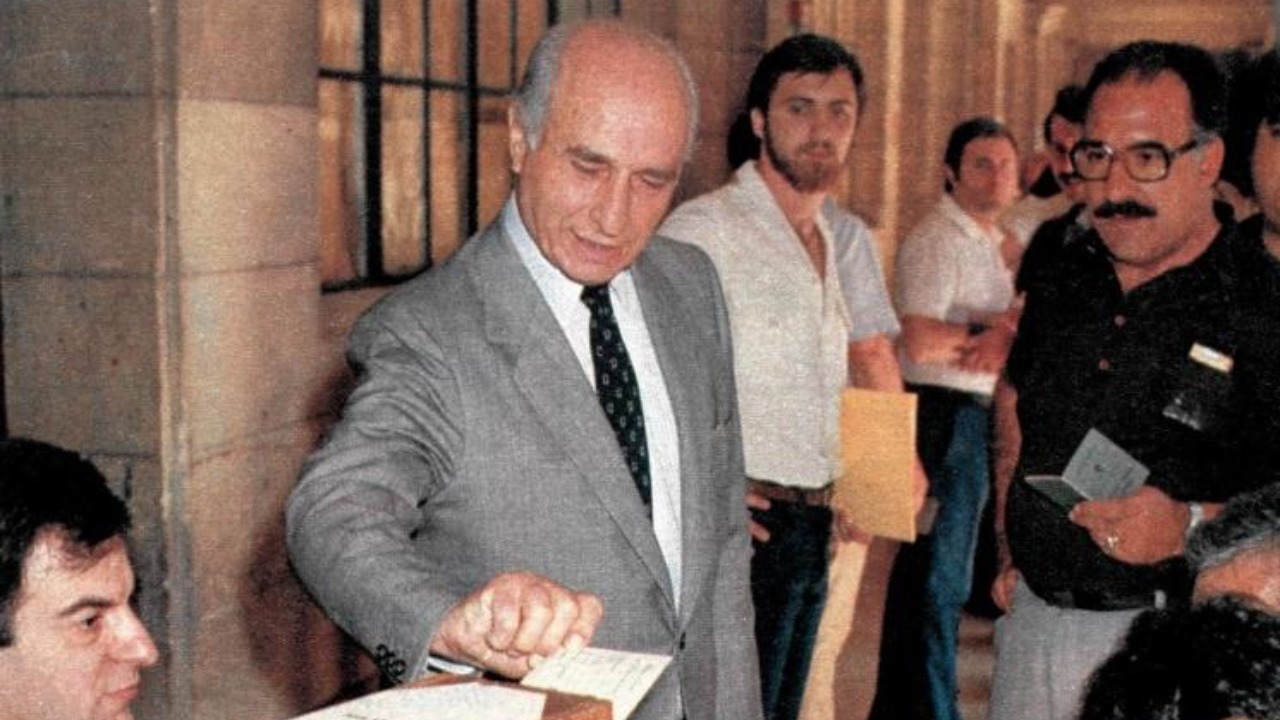
Juan Manuel Fangio, often regarded as one of the greatest Formula 1 drivers of all time, was known for his innovative and aggressive driving style. Competing in the 1950s, Fangio’s approach to racing was characterized by his ability to push the limits of his car while maintaining exceptional control. His victories in five World Championships are a testament to his skill and strategic mindset. Fangio’s famous duel with Alberto Ascari at the 1956 French Grand Prix exemplifies his fearlessness and willingness to take calculated risks on the track.
Fangio was not just aggressive; he was also a pioneer, often experimenting with different driving techniques that would later become standard in the sport. His adaptability to changing race conditions and his understanding of car dynamics allowed him to outpace competitors consistently. The way he navigated the treacherous circuits of his time, often with less sophisticated safety measures, speaks volumes about his courage. Fangio’s legacy continues to inspire modern drivers to balance aggression with innovation, a concept supported by research available in journals like ScienceDirect.
Niki Lauda: The Warrior’s Comeback
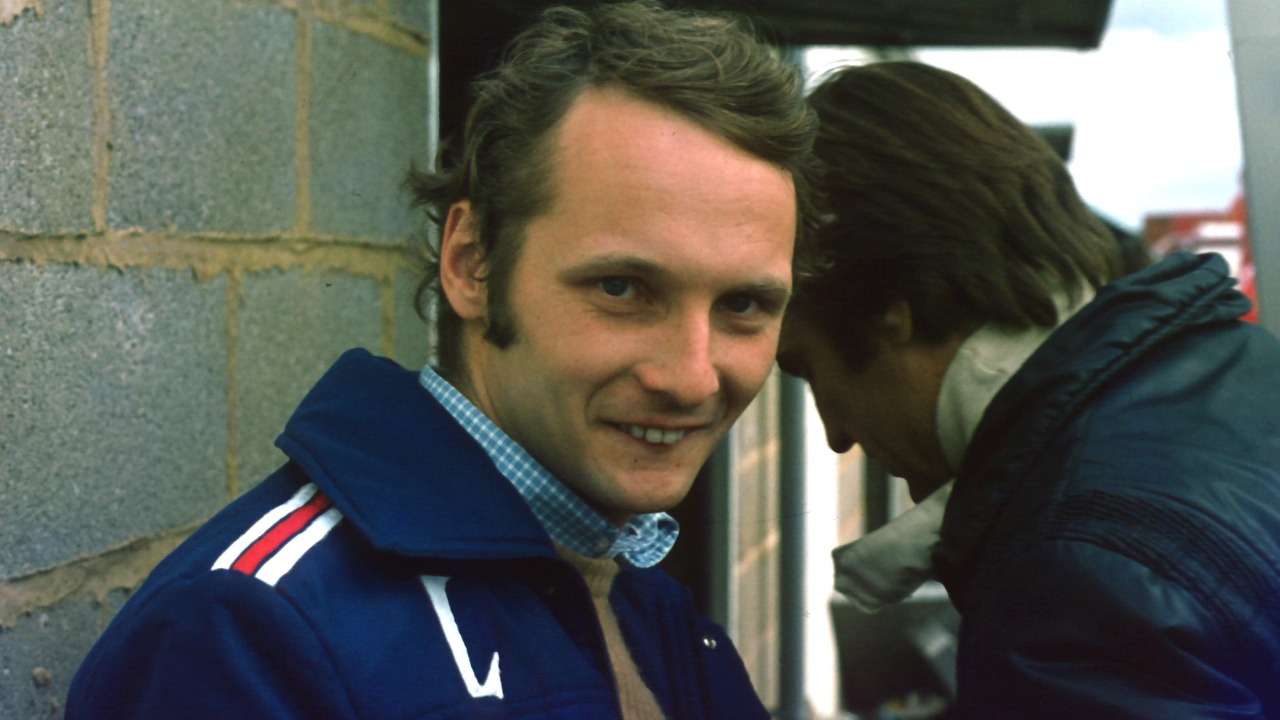
Niki Lauda’s story is one of sheer determination and resilience. After a near-fatal crash at the 1976 German Grand Prix, which left him with severe burns, Lauda’s aggressive comeback to racing is legendary. Just weeks after the accident, he returned to the track, showcasing not only physical bravery but also an intense passion for the sport. His rivalry with James Hunt during the 1976 season was defined by Lauda’s relentless pursuit of the championship, despite the odds stacked against him.
Lauda’s approach to racing was marked by a blend of aggression and calculated precision. He was known for his ability to assess risks and make split-second decisions, which often proved advantageous on the track. The 1977 season saw him reclaim the championship, solidifying his place in racing history. Lauda’s story serves as a powerful reminder of the human spirit’s capacity to overcome adversity. His legacy continues to influence drivers, demonstrating that aggression can be harnessed not just for victory but also for personal triumph.
Michael Schumacher: The Ruthless Competitor
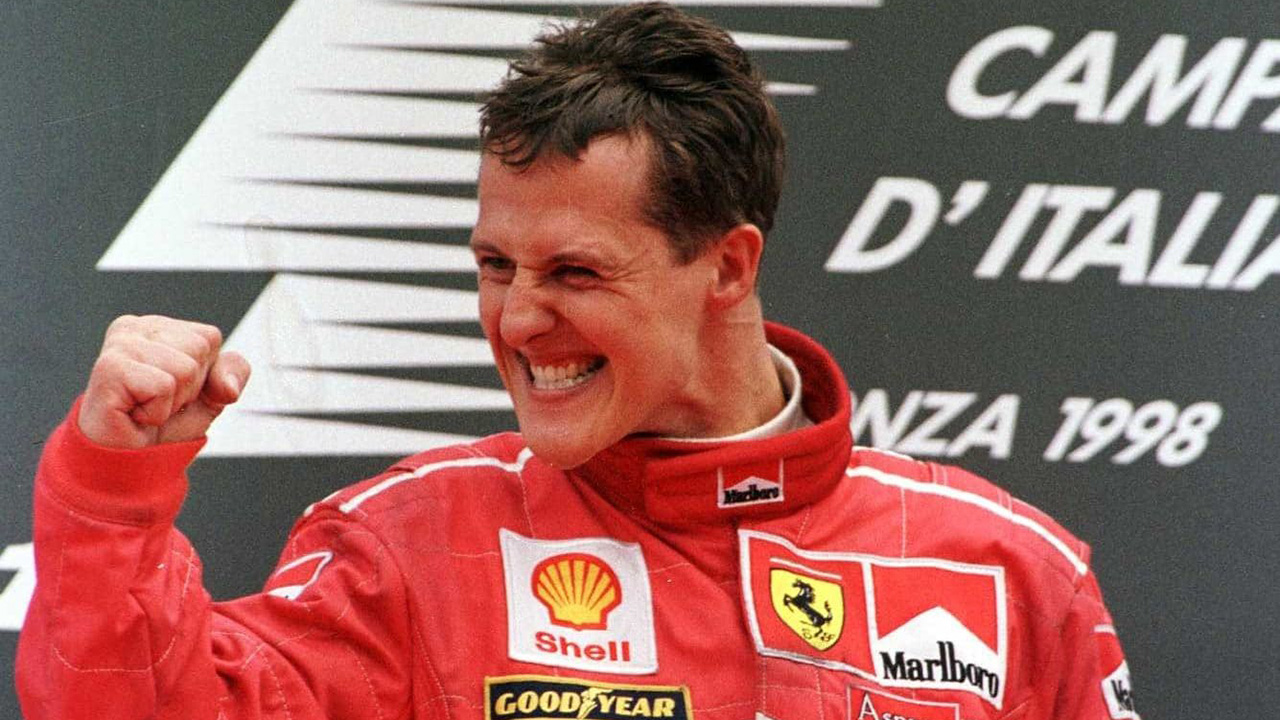
Michael Schumacher redefined the standards of excellence in Formula 1 with his aggressive driving and unparalleled work ethic. Winning seven World Championships, Schumacher was known for his fierce competitiveness and strategic mind, often outsmarting his rivals both on and off the track. His infamous battles with Mika Hakkinen and Fernando Alonso showcased his ability to push the limits while navigating intense pressure in crucial moments. The 2000 season, where he clinched the title with a series of dominant performances, exemplifies his aggressive approach to racing.
Schumacher’s tactics were often debated, particularly his willingness to take risks that some deemed reckless. The controversial collision with Damon Hill at the 1994 Australian Grand Prix raised questions about the ethics of aggression in racing. Despite the controversies, Schumacher’s impact on the sport is undeniable, and his legacy continues to inspire future generations. Discussions about the balance between aggression and sportsmanship are prevalent among racing fans, and Schumacher’s career often serves as a focal point in these debates.
Sebastian Vettel: The Young Bull’s Charge
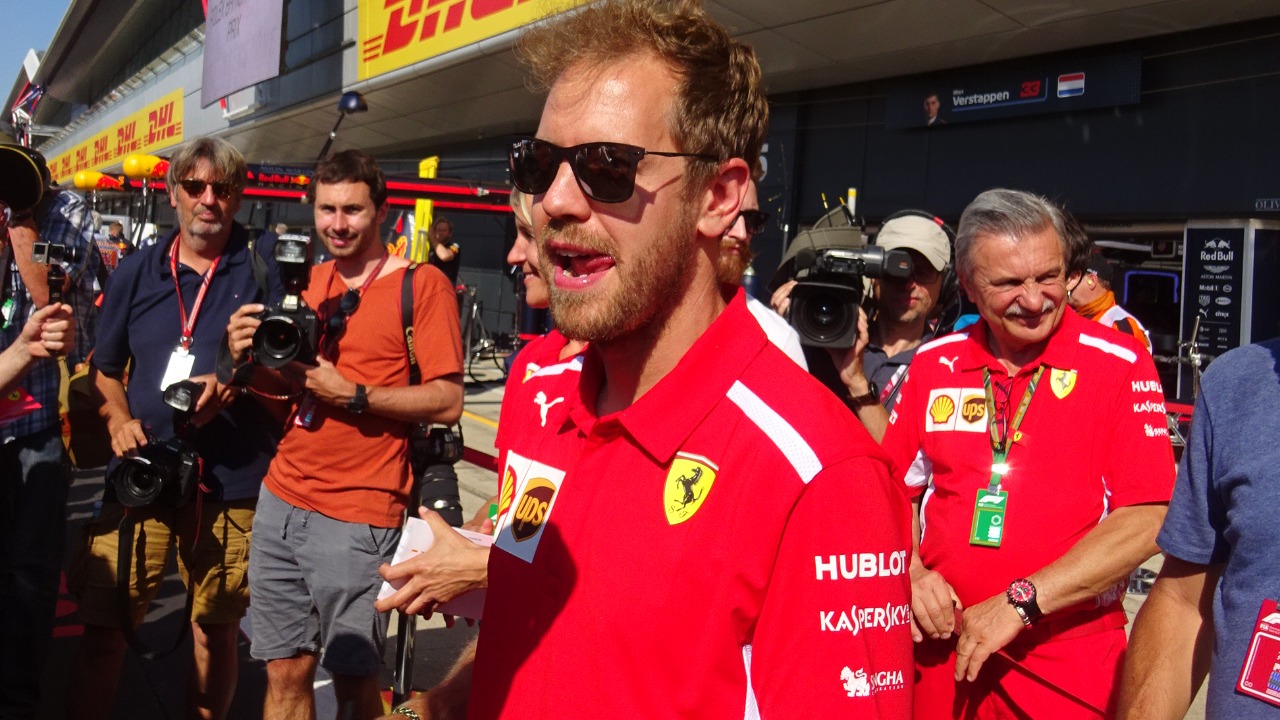
Sebastian Vettel burst onto the Formula 1 scene as a young driver with an aggressive style that quickly caught the attention of fans and competitors alike. Winning four consecutive championships from 2010 to 2013 with Red Bull Racing, Vettel’s assertive driving and strategic acumen made him a dominant force in the sport. His ability to control the race from pole position and fend off challengers showcased a level of aggression that few could match. The 2011 British Grand Prix, where he overcame a 12-second deficit to secure victory, is a prime example of his tenacity.
Vettel’s aggressive tactics sometimes led to controversies, such as his infamous “Multi-21” incident with teammate Mark Webber in 2013, sparking debates about team dynamics and driver behavior. His career evolution from a young prodigy to a seasoned competitor reflects the challenges of balancing aggression with maturity. As he transitioned to Ferrari, Vettel continued to embody the spirit of competition, reminding fans and racers alike that aggression is a pivotal element in achieving greatness.
Lewis Hamilton: The Aggressive Strategist
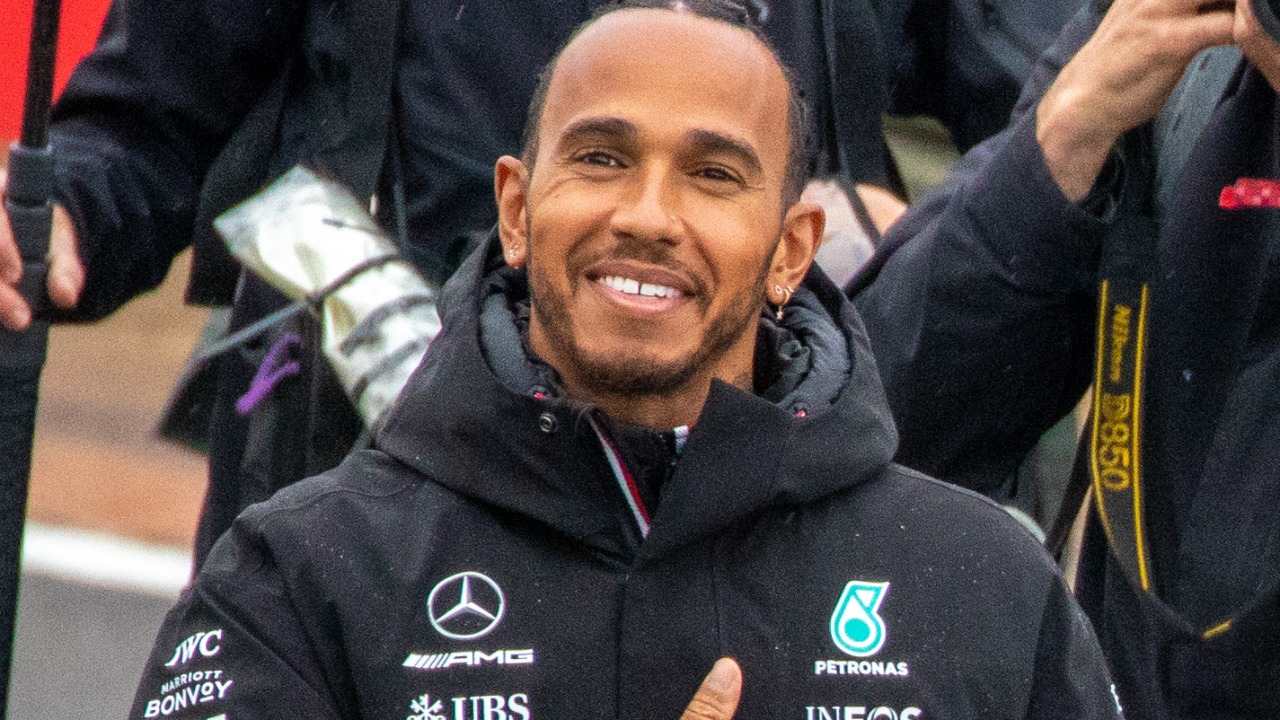
Lewis Hamilton has become a modern icon in Formula 1, known for his aggressive driving style and strategic mindset. As one of the most successful drivers in the sport’s history, Hamilton’s ability to adapt and thrive under pressure has set him apart. His battles against rivals like Nico Rosberg and Sebastian Vettel have often been marked by intense racing and fierce competition. The 2016 season, where he faced Rosberg in a thrilling title fight, demonstrated his capability to handle aggressive tactics while maintaining a cool head.
Hamilton’s approach extends beyond the racetrack; he has used his platform to advocate for social justice and environmental issues, showcasing a side of aggression that challenges the status quo. His willingness to speak out on important topics while competing at the highest level has made him a role model for many. The discussions around Hamilton’s influence and his aggressive yet calculated approach to racing continue to resonate within the motorsport community, emphasizing the evolving nature of competitive tactics.
Danica Patrick: Breaking Barriers with Boldness
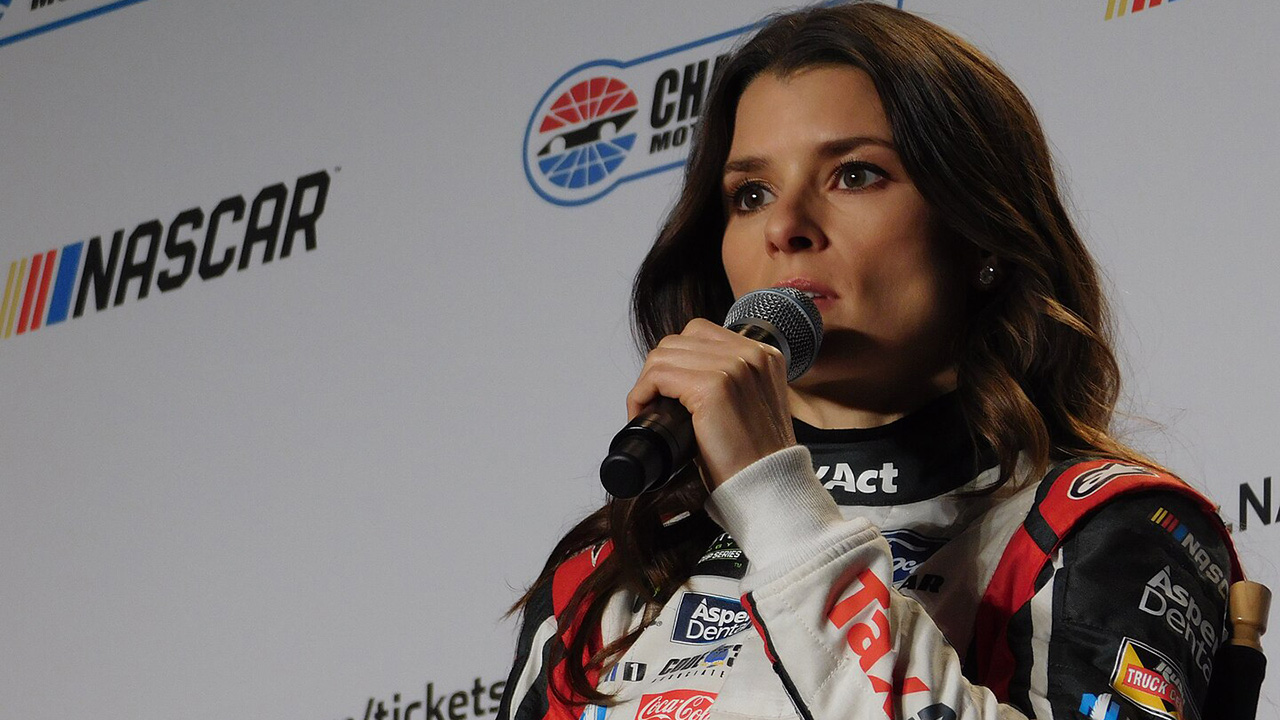
Danica Patrick made history as one of the most recognizable female drivers in motorsport, known for her aggressive driving style and determination to succeed in a male-dominated sport. Her breakthrough in the IndyCar Series, particularly her impressive performance at the 2005 Indianapolis 500, marked a turning point for women in racing. Patrick’s bold approach to racing not only broke barriers but also challenged stereotypes about female drivers. Her aggressive overtaking maneuvers and competitive spirit brought a new audience to the sport.
While her career in NASCAR had its ups and downs, Patrick’s influence extended beyond her on-track achievements. She became a symbol of empowerment, inspiring young women to pursue careers in racing and other traditionally male-dominated fields. As discussions around diversity and inclusion continue in motorsport, Patrick’s legacy serves as a reminder of the importance of boldness and aggression in breaking down barriers. The conversations surrounding her impact can often be found in dedicated racing communities, such as those on Facebook.
More from Fast Lane Only
- Unboxing the WWII Jeep in a Crate
- 15 rare Chevys collectors are quietly buying
- 10 underrated V8s still worth hunting down
- Police notice this before you even roll window down
*Research for this article included AI assistance, with all final content reviewed by human editors.