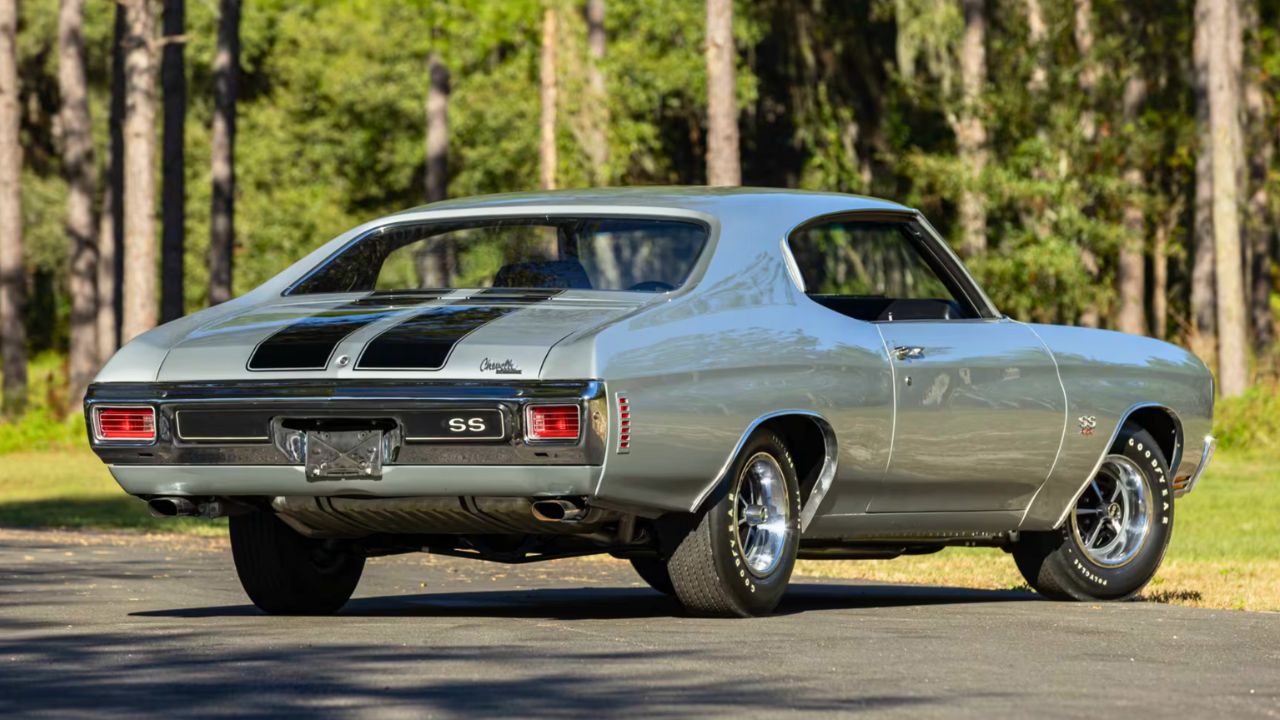
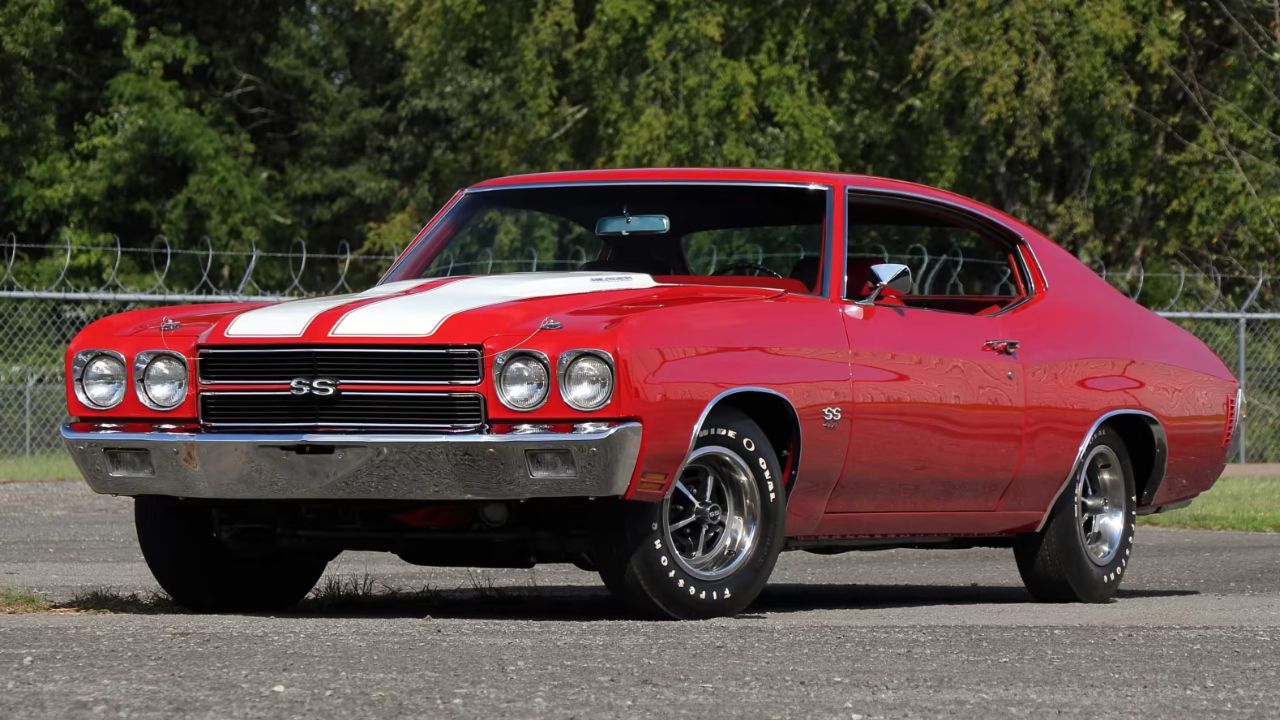
In 1970, Chevrolet built something that didn’t just walk into the muscle car wars—it kicked the door off the hinges. The Chevelle SS 454 LS6 wasn’t about subtlety. It was the kind of car that backed up every inch of its swagger with brutal numbers and track-ready hardware.
At a time when big engines were everywhere, the LS6 stood out by doing one thing better than almost anyone else—putting down serious power without flinching. This wasn’t marketing hype or badge games. This was the Chevelle at full throttle, no apologies.
Built for the Strip, Legal for the Street
The LS6 wasn’t just quick—it was drag-ready. Chevy equipped the car with a heavy-duty M22 “Rock Crusher” four-speed or a bulletproof Turbo 400 automatic. The 12-bolt rear axle came standard with a 3.31 or optional 4.10 gear ratio, giving it the punch off the line that few could touch.
Add in the factory dual exhaust with low-restriction mufflers and that signature growl? You knew exactly what was lurking under the hood, even if you never saw it coming. It was a street car in title only.
The 454 LS6 Was a Street Monster

The 1970 Chevelle SS 454 LS6 packed one of the most potent engines ever dropped into a factory muscle car. This thing cranked out a rated 450 horsepower and 500 lb-ft of torque from its 454-cubic-inch big block. It was a solid-lifter beast topped with an aluminum intake and a massive Holley 800 CFM four-barrel carb.
And that horsepower rating? It was conservative. Many who owned or raced one knew these cars were punching above their numbers. Straight from the showroom, the LS6 could hit 13s in the quarter mile—no tuning required.
Suspension Meant Business

Chevy didn’t cut corners on the suspension. The LS6 came with F41 sport suspension—front and rear sway bars, heavy-duty coil springs, and stiffer shocks. It helped keep all that power grounded and the body roll in check, whether hammering it in a straight line or making quick work of a backroad.
Though it wasn’t built for road courses, the suspension setup made it tighter than your average A-body. It gave the car just enough balance to feel planted when you were pushing it hard.
Clean and No-Nonsense Interior

Inside, the LS6 wasn’t flashy. It kept things straightforward with a bench or optional bucket seats and a center console if you wanted the floor shifter. Vinyl was standard, and the layout was clean—gauges were easy to read, and everything was where it needed to be.
SS trim added the round pod instrument cluster and optional tachometer. It wasn’t built to coddle you, but it didn’t feel stripped either. Chevy knew the real draw was under the hood, not in the carpet pile.
The Cowl Induction Hood Wasn’t Just for Looks

One of the most recognizable features was the cowl induction hood with the flapper door. It wasn’t just there to look aggressive—it was functional. When you hit the throttle, the vacuum-actuated flap opened to let in cooler, denser air from the base of the windshield.
More oxygen meant better combustion, and it gave the LS6 a bit of an extra edge at wide-open throttle. Plus, it added an unmistakable growl when the secondaries kicked in.
Factory Lightweight Options

While the LS6 was already stripped of most comfort fluff, there were a few choices buyers could make to get it even lighter. You could skip power steering and power brakes, and some cars left the line without air conditioning to save weight and parasitic loss.
These weren’t creature comforts; they were choices that meant quicker times at the strip. If you were serious about going fast, you made those trade-offs with no regrets.
Rare Colors and Trim Combos

Most buyers went with the familiar red, black, or blue, but the LS6 was available in some offbeat factory colors like Misty Turquoise and Forest Green. Some were even ordered with vinyl tops or unusual interior trim combos.
It makes hunting down original examples today an interesting game. If you find one with oddball paint or original build sheets that match, you’re looking at a unicorn. The rarer the combo, the more attention it gets at shows now.
Production Was Short But Sweet

The LS6 was only available in 1970, and while official numbers vary a bit, estimates sit around 4,475 units built with the LS6 option. Fewer than 150 were convertibles, making those extremely scarce.
It’s a one-year-only legend. After 1970, compression ratios started to drop, emissions got tighter, and horsepower ratings took a nosedive. If you wanted the Chevelle at full strength, 1970 was your only shot.
It Took Down Big Names at the Track

In period tests, the LS6 Chevelle could run toe-to-toe with HEMIs, Boss 429s, and even give early Corvettes a scare. Its brutal torque made it lethal from a dead stop, and with slicks and tuning, racers could easily get deep into the 12s.
It wasn’t about finesse—it was about force. At the strip, the Chevelle LS6 showed that you didn’t need a flashy nameplate to dominate. You just needed the right build—and Chevy nailed it.
Collector Status Is Only Rising

These cars weren’t babied. They were raced, daily driven, and a lot of them didn’t survive. That makes original LS6 Chevelles—especially numbers-matching examples—seriously valuable today. You’re looking at six-figure price tags for clean, documented cars.
Even clones and tributes fetch strong money. The LS6 sits in that rare air of machines that earned their respect not through hype, but through raw performance. The muscle era may have peaked in 1970, but this one never really faded.
Like what you read? Here’s more by us:
*Created with AI assistance and editor review.