Sometimes, even the most iconic muscle cars need a little time to find their stride. These legendary vehicles didn’t always roar off the production line as superstars. Over time, however, they became the stuff of automotive dreams. Let’s take a look at nine muscle cars that proved that patience can pay off in a big way.
Ford Mustang GT350
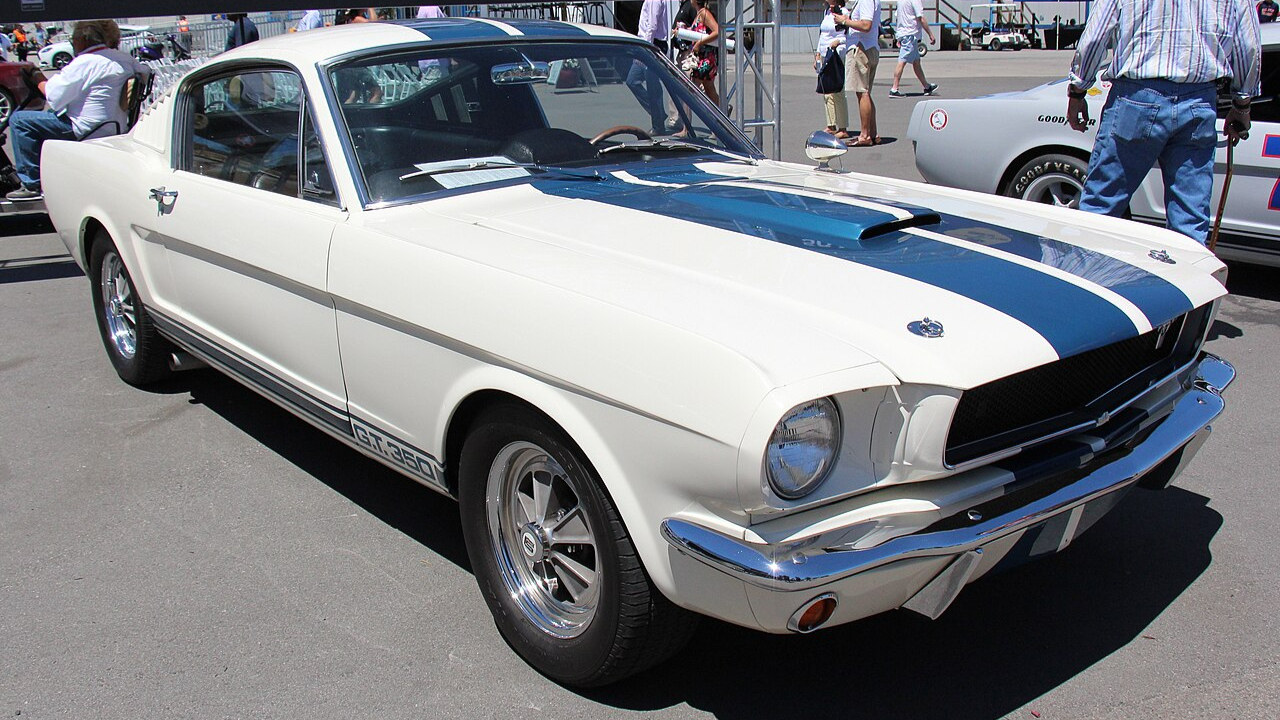
The Ford Mustang GT350 didn’t immediately set the world on fire when it was introduced in 1965. Initially, it was overshadowed by its more powerful siblings. However, the GT350’s racing pedigree and performance upgrades, including its high-revving 289-cubic inch V8 engine, soon made it a darling of the track.
With the legendary Carroll Shelby’s touch, the GT350 transformed into a beast that dominated the SCCA racing circuit. Today, it’s revered not just for its performance, but for its significant role in cementing the Mustang’s status as an American icon.
Chevrolet Camaro Z/28
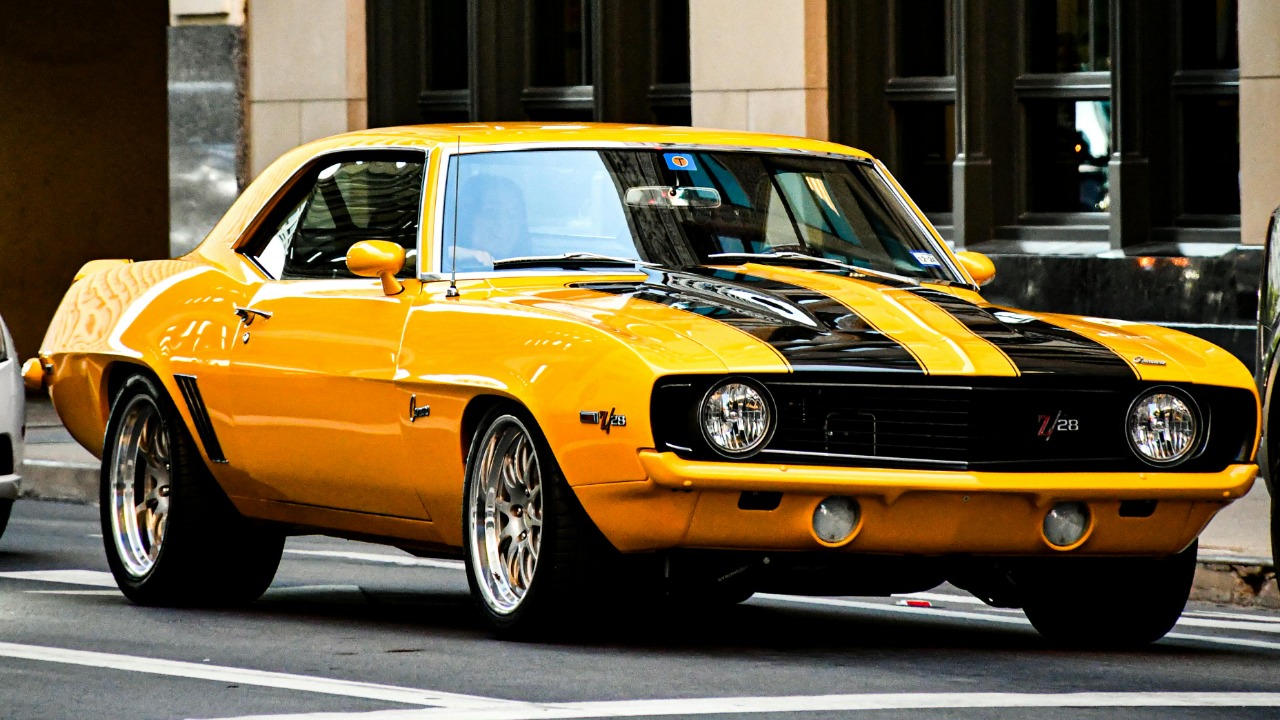
The 1967 Chevrolet Camaro Z/28 was initially introduced to compete in the Trans-Am racing series, but it struggled to gain popularity with the everyday driver. It wasn’t until the 1969 model year that the Z/28 truly captured the public’s imagination.
With its high-winding 302-cubic inch engine and a focus on handling, the Z/28 became a force to reckon with on the racetrack. The ’69 model’s aggressive styling and performance capabilities eventually earned it a place in the pantheon of great muscle cars.
Dodge Challenger R/T

Debuting in 1970, the Dodge Challenger R/T initially had a lukewarm reception due to the crowded muscle car market. Despite its powerful 426 Hemi engine and bold styling, it took time for the R/T to gain traction with enthusiasts.
As the years went by, the Challenger R/T’s reputation grew, bolstered by its appearances in cult classic films and its undeniable street presence. Today, it’s celebrated as one of the quintessential muscle cars of its era.
Pontiac GTO Judge

The Pontiac GTO Judge, introduced in 1969, started off as a niche variant of the GTO lineup. Its flamboyant styling and “Here Comes the Judge” marketing campaign were initially met with mixed reviews. However, its performance prowess couldn’t be ignored.
With its 400-cubic inch Ram Air III engine, the Judge became a force to be reckoned with, offering impressive acceleration and handling. Over time, its unique character and rarity increased its allure among collectors.
Plymouth Barracuda
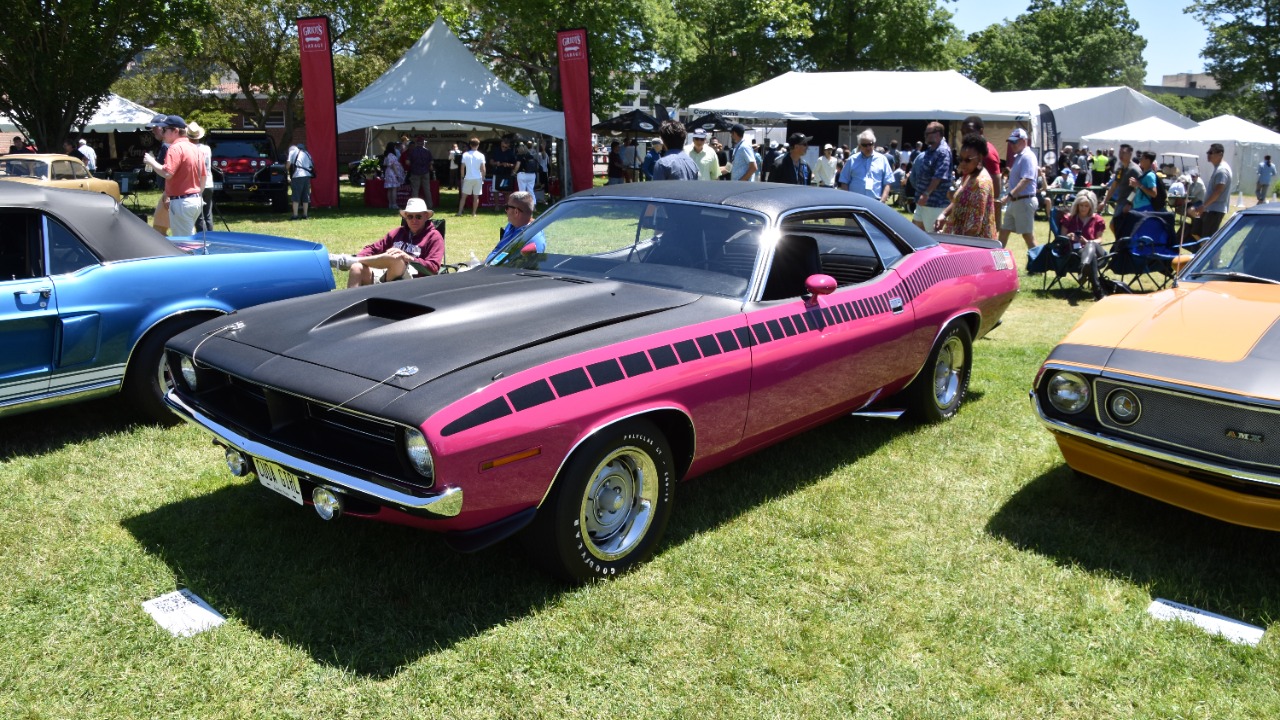
The Plymouth Barracuda had a modest start when it first appeared in 1964. As a compact car based on the Valiant, it took a few years to establish its muscle car credentials. It wasn’t until the 1970-1971 models that the Barracuda truly hit its stride.
With the introduction of the Hemi ‘Cuda, featuring the legendary 426 Hemi engine, the Barracuda became a performance powerhouse. Its aggressive design and raw power have since made it a highly sought-after classic.
Buick GSX Stage 1
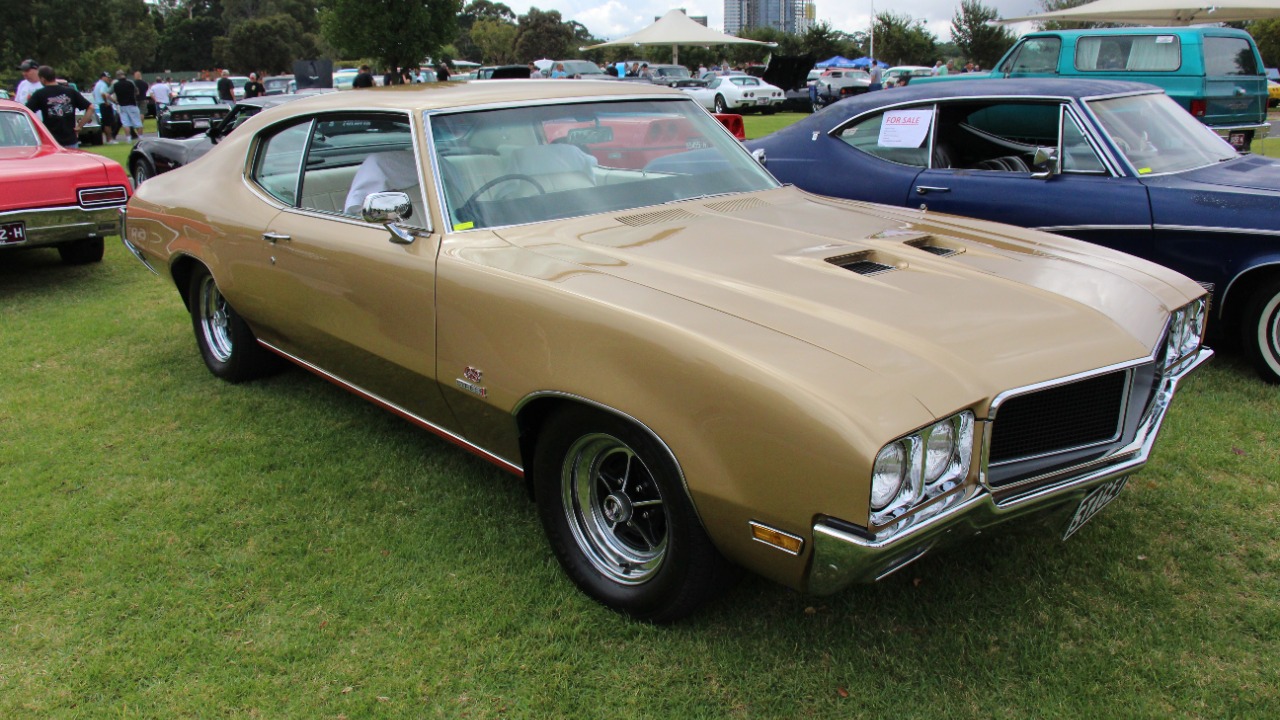
When the Buick GSX debuted in 1970, it wasn’t initially recognized as a top-tier muscle car. Many overlooked it due to Buick’s reputation for luxury rather than performance. However, the GSX Stage 1 package changed perceptions quickly.
Equipped with a 455-cubic inch V8 engine, the GSX Stage 1 became known for its impressive torque and speed. Its bold styling and rare production numbers have helped it achieve legendary status among muscle car enthusiasts.
Oldsmobile 442

The Oldsmobile 442 started in 1964 as an option package and didn’t immediately stand out in the muscle car crowd. It took a few years for the 442 to carve out its niche and gain recognition for its performance capabilities.
By 1970, with a 455-cubic inch engine and W-30 performance package, the 442 had become a serious contender. Its combination of luxury and muscle made it a favorite among those seeking a powerful yet refined ride.
AMC Javelin AMX

The AMC Javelin AMX, introduced in 1968, faced stiff competition from the Big Three automakers. Initially, it struggled to capture the public’s attention despite its competitive pricing and unique design.
Over time, the Javelin AMX gained respect for its performance, especially the 1971-1974 models with the 401-cubic inch V8 engine. Its racing success in the Trans-Am series and distinctive styling have since earned it a devoted following.
Mercury Cougar Eliminator

The Mercury Cougar Eliminator, launched in 1969, initially played second fiddle to the Ford Mustang. Its more luxurious approach to the muscle car formula didn’t immediately resonate with performance purists.
However, the Eliminator’s optional Boss 302 and 428 Cobra Jet engines soon caught the eye of enthusiasts. Today, its combination of muscle and style makes it a standout in the world of classic muscle cars.
More from Fast Lane Only