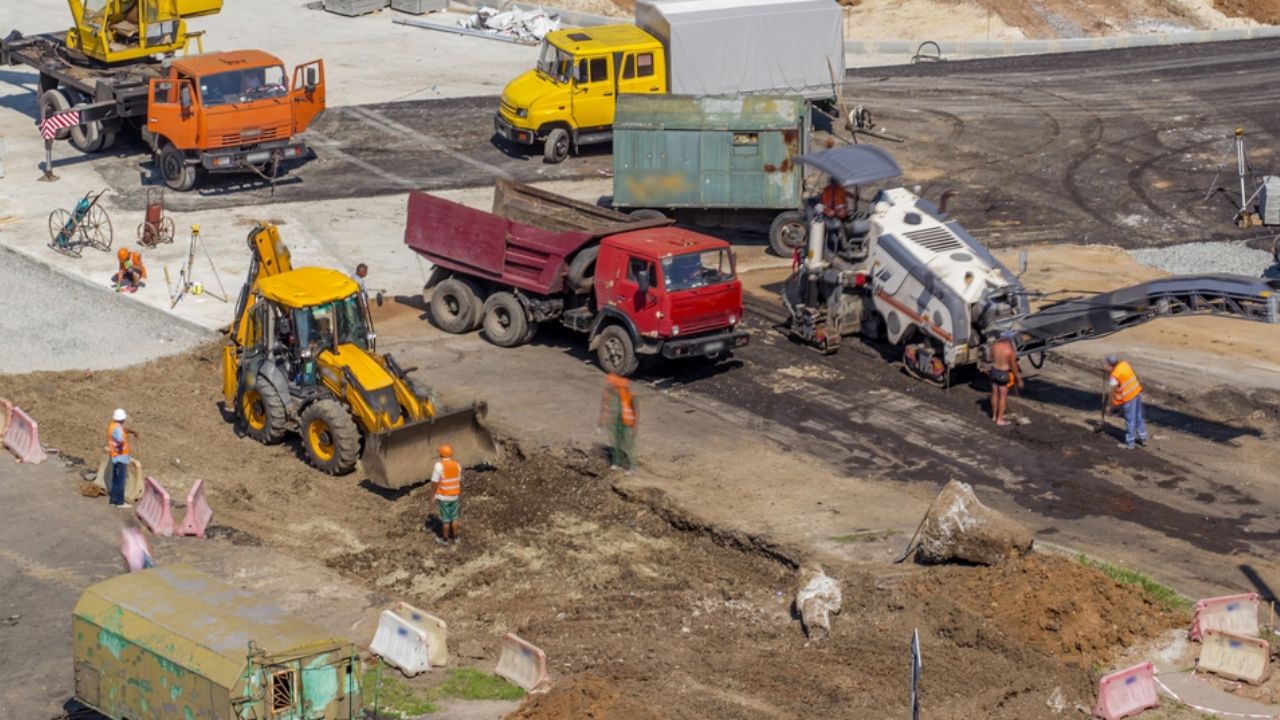
The construction of the first major highways was a monumental task that required innovative machinery and techniques. These early endeavors laid the foundation for modern roadways, transforming transportation and commerce. Key machines and technologies used in the creation of these pioneering routes have significantly shaped the infrastructure we rely on today.
The Early Days of Road Construction
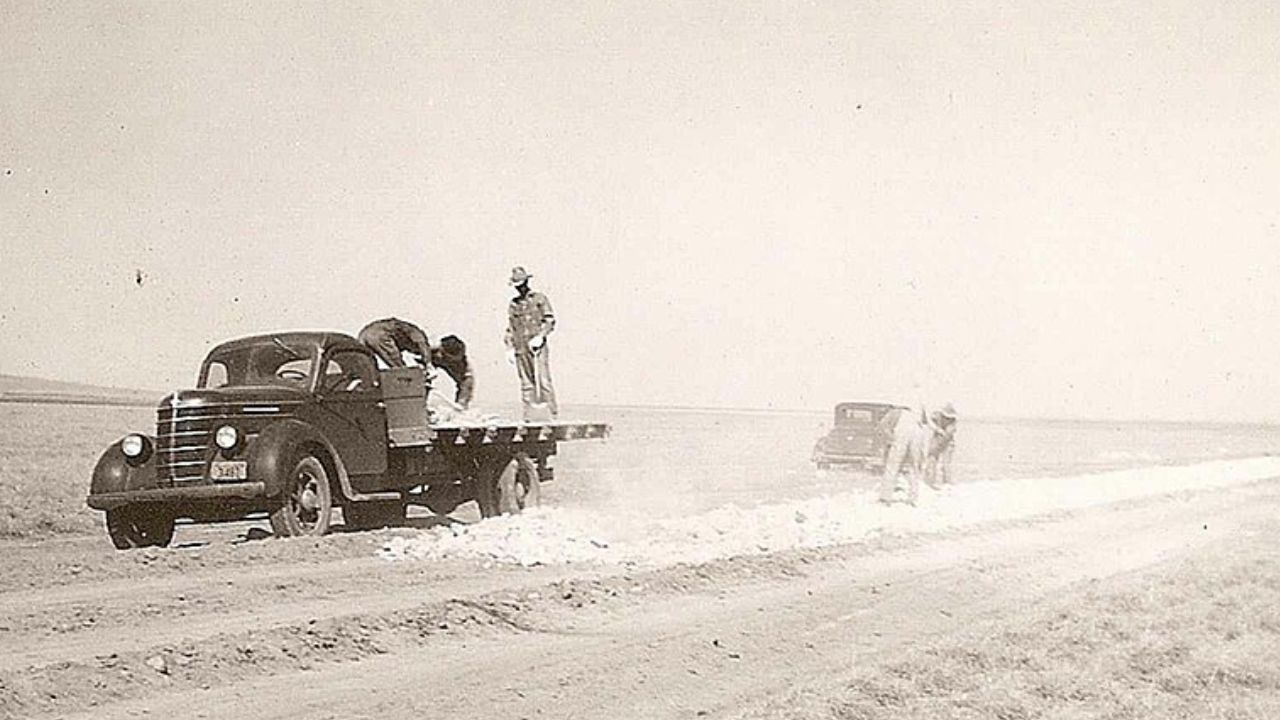
In the early days of road construction, human labor was the primary driving force. Workers relied on rudimentary tools like shovels, picks, and wheelbarrows to clear paths and lay the groundwork for roads. This labor-intensive process was not only time-consuming but also limited in scale. Despite these challenges, early road builders managed to establish essential routes that facilitated the movement of people and goods across regions.
The Industrial Revolution marked a turning point in road construction, introducing new technologies that transformed the industry. Steam-powered machines began to replace manual labor, offering increased efficiency and scale. The development of the Great Wagon Road, a crucial early precursor to modern highways, exemplifies this transition. This route, which stretched over 700 miles, was constructed using both traditional methods and emerging technologies, setting the stage for future advancements in highway construction.
Steam-Powered Machinery
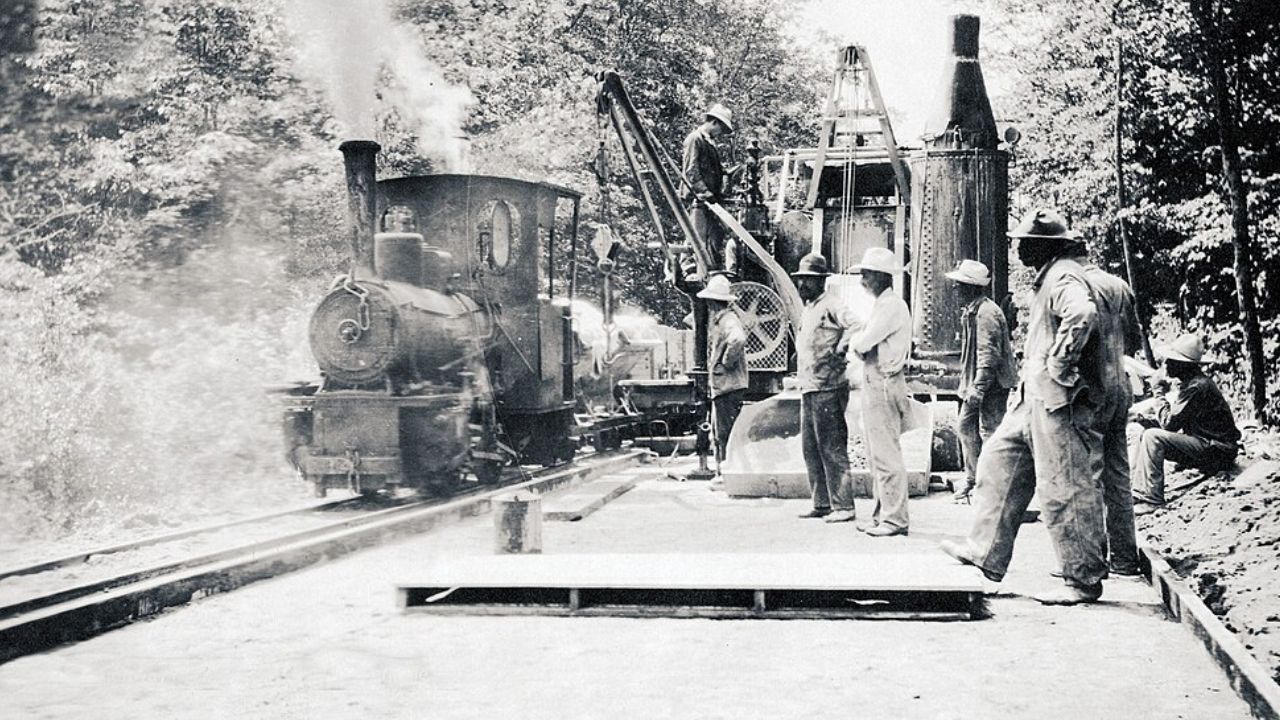
The introduction of steam-powered machinery revolutionized road construction. Among these innovations, the steamroller played a pivotal role. With its ability to compact road surfaces effectively, the steamroller made roads more durable and less susceptible to wear and tear. The steamroller’s impact on road quality cannot be overstated, as it significantly increased the lifespan and reliability of early highways.
Another key innovation was the steam shovel, which greatly improved the efficiency of earth-moving tasks. Steam shovels enabled road builders to move large quantities of earth quickly, accelerating the construction process. This advancement marked a significant shift from manual labor to mechanized processes, laying the groundwork for future innovations in road construction. The transition to steam-powered machinery was a crucial step in the evolution of highway building, as it allowed for larger and more ambitious projects.
The Rise of Gasoline and Diesel Engines
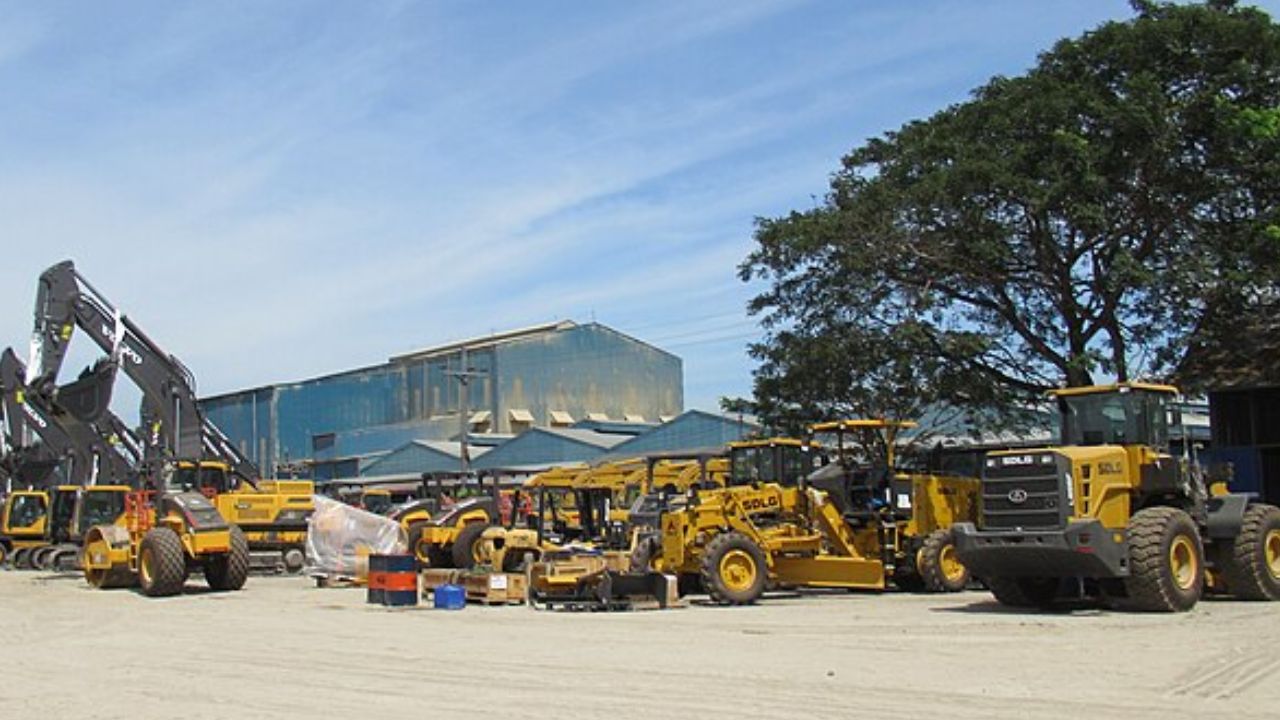
As technology continued to evolve, gasoline-powered equipment began to replace steam power in road construction. Gasoline engines provided greater flexibility and efficiency, allowing for more versatile machinery. This shift was particularly significant in the development of specialized equipment designed for specific tasks, such as grading and paving. The introduction of gasoline-powered vehicles and machinery marked a new era in road construction, characterized by increased speed and efficiency.
Diesel technology further advanced the capabilities of road-building equipment. Diesel engines offered more power and reliability, making them ideal for heavy machinery used in highway construction. This innovation allowed for the development of more robust and efficient vehicles, further enhancing the speed and quality of road projects. As diesel technology became more prevalent, it played a crucial role in shaping the modern landscape of highway construction.
Modernization and Electrification
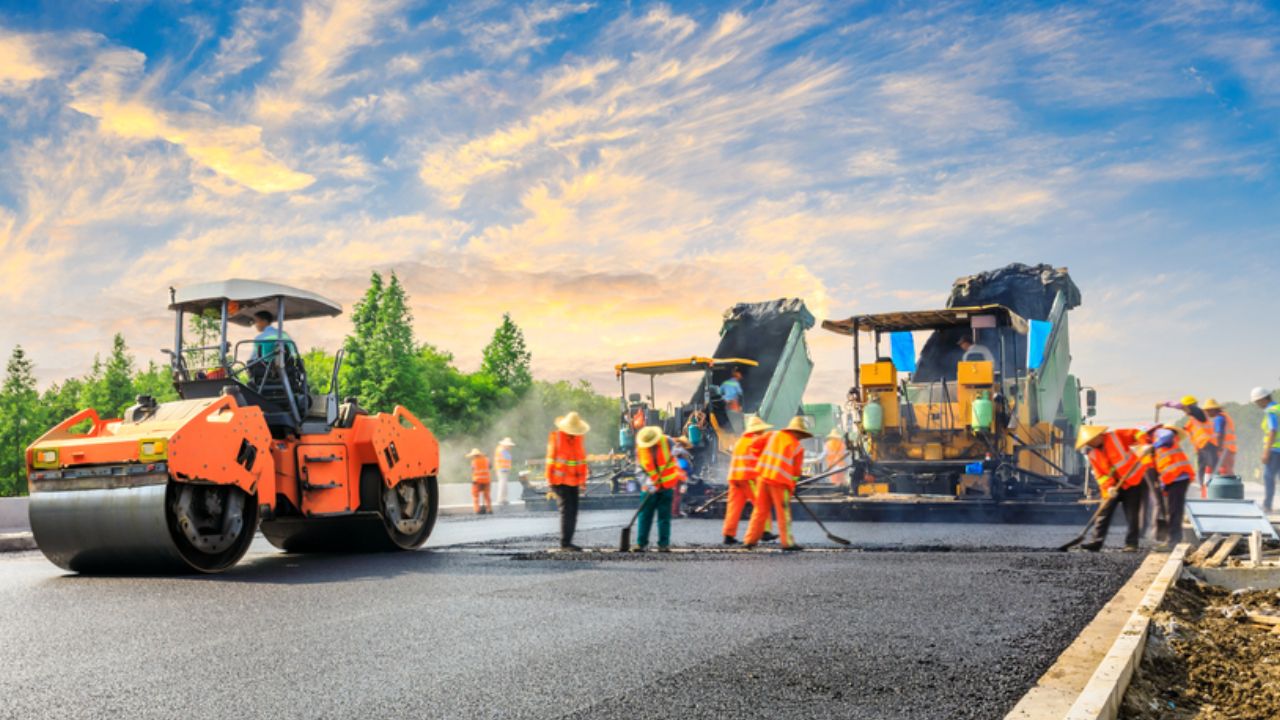
The history of electric vehicles in highway construction is a fascinating chapter. Although their initial impact was limited, electric vehicles have seen a resurgence in recent years, driven by a push towards sustainability and reduced environmental impact. Modern electric machinery offers the potential for quieter and cleaner construction processes, aligning with contemporary goals for energy efficiency and sustainability.
Innovations in paving technology have also played a significant role in the modernization of highway construction. The use of advanced materials such as asphalt and concrete has improved the longevity and quality of road surfaces. These materials offer superior durability and are more resistant to weathering, reducing maintenance costs and enhancing the overall driving experience. The push towards sustainable construction practices continues to shape the industry, with a focus on minimizing environmental impact and maximizing resource efficiency.
The Legacy of Early Highway Machinery
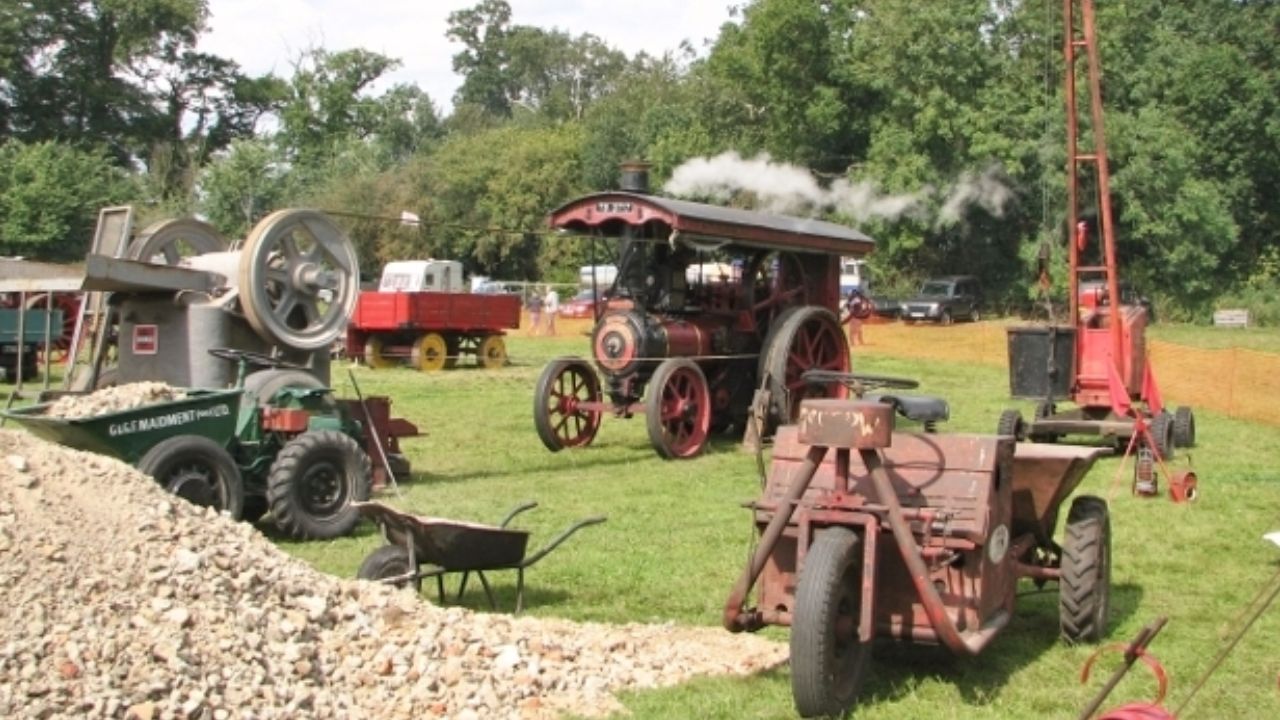
The machines and methods used in early highway construction have left a lasting legacy on modern infrastructure. The innovations and techniques developed during this period have informed current practices, guiding the development of new technologies and approaches. Preserving historical machinery is an important endeavor, with efforts underway to showcase these artifacts as a means of educating the public about the evolution of road building.
Lessons learned from early highway construction continue to guide infrastructure development in the 21st century. The principles of efficiency, durability, and sustainability remain central to contemporary road-building efforts. As we look to the future, the insights gained from past experiences will play a crucial role in shaping the next generation of highway construction projects.
The evolution of highway machinery underscores the dynamic nature of the construction industry. From the manual labor of the early days to the sophisticated technologies of today, each phase of development has contributed to the robust infrastructure we rely on. As Indiana recently became the first state to approve interstate tolling for highway rebuilding, it highlights ongoing efforts to enhance and sustain our transportation networks. The machines of the past have paved the way for future advancements, ensuring that our highways remain vital arteries of commerce and connectivity.
Like Fast Lane Only’s content? Be sure to follow us.
Here’s more from us:
*Created with AI assistance and editor review.