Mopar fans have long suspected that some of their favorite engines were stronger than the factory brochures claimed. The numbers printed on air cleaner decals and window stickers told one story, but quarter-mile slips, dyno pulls, and real-world towing loads often hinted at another. That quiet discrepancy is part of what keeps certain Chrysler V8s surrounded by mystique, and it still shapes how modern buyers think about Mopar performance.
A closer look at those underrated powerplants also helps explain the company’s current crossroads. From classic big-blocks to Scat Pack Hemis and the latest twin-turbo inline-sixes, Mopar has a habit of letting real output run ahead of the official rating, which affects everything from insurance classifications to how enthusiasts modify and value these engines today.
From paper ratings to street reality
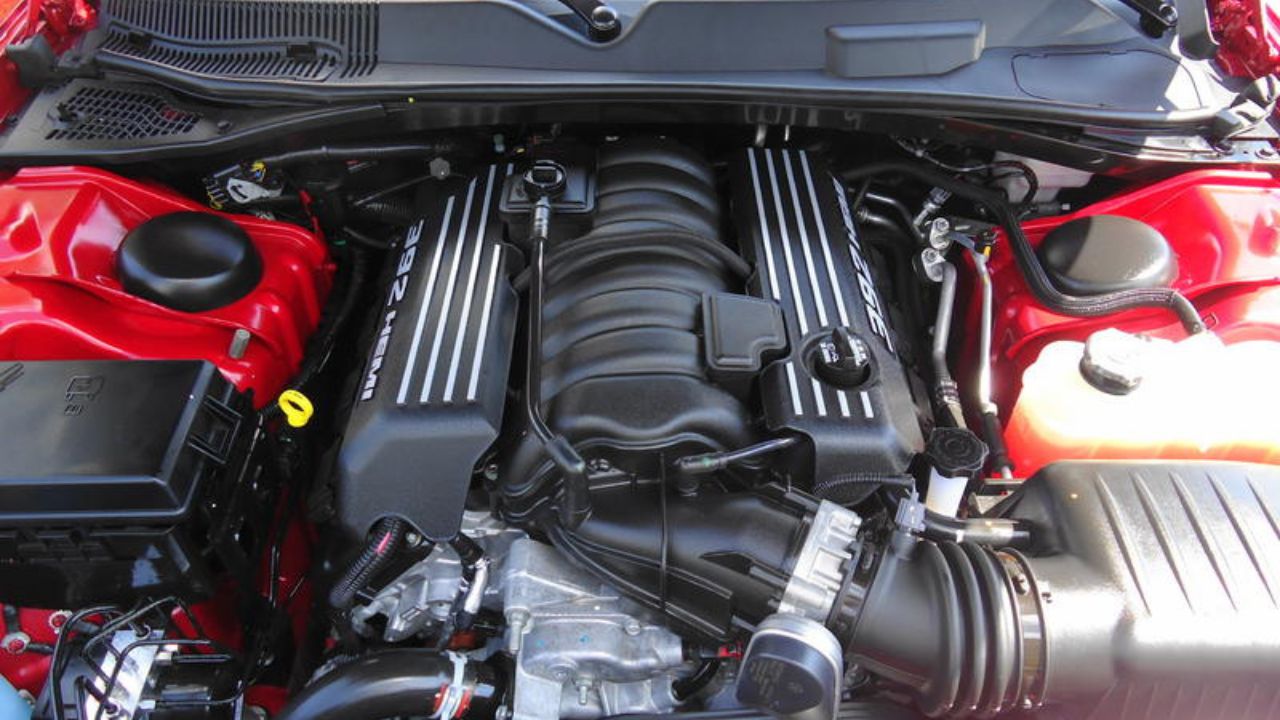
Among modern Mopars, the 6.4-liter Hemi in Scat Pack models has become the poster child for suspicion that the numbers are conservative. Officially rated at 485 horsepower, the naturally aspirated V8 has been repeatedly shown to punch above its weight when owners compare it with similar output rivals and even some higher rated performance cars. Enthusiast testing and back-to-back runs have helped cement the idea that the Scat Pack sits at a sweet spot where the catalog figure trails the real-world punch of the engine.
That perception is strengthened by how consistently the 6.4 Hemi delivers its performance. Owners report that Charger and Challenger Scat Pack cars run trap speeds that suggest more power than the brochure, especially when conditions are favorable and the cars are on sticky tires. The engine’s broad torque curve and willingness to rev give it an edge that makes the official rating feel like a floor rather than a ceiling, a point often highlighted in coverage of Scat Pack performance.
The idea of an underrated Mopar is not new. During the original muscle car era, Chrysler’s big-blocks developed a reputation for hitting harder than their stated numbers. Period road tests showed full-size Dodges and Plymouths running better times than their paper specs would predict, which fed the belief that the company quietly sandbagged its ratings while letting owners discover the surplus on the street and strip.
How corporate strategy shaped Mopar power
Chrysler’s corporate path helps explain why some of its engines ended up stronger than advertised. The company has repeatedly been shuffled through mergers and alliances, from the DaimlerChrysler era to the later tie-up with Fiat and the eventual creation of Stellantis. Analysts have speculated that if Chrysler, Fiat, Lancia, and Alfa Romeo had been combined earlier, in the 1990s, the group might have shared engines and platforms in ways that changed which powerplants got developed and how they were positioned. That hypothetical history has been explored in depth through concept sketches of the cars that might have existed if the brands had been herded together decades sooner, as in one study of alternate Chrysler and.
In reality, Mopar often had to make the most of what it already had. That meant stretching big-block and Hemi architectures across multiple segments, from muscle cars to trucks, and sometimes rating them conservatively so they could slot neatly into product and insurance brackets. A lower official horsepower figure could keep a car in a friendlier insurance class or avoid overshadowing a more expensive halo model, even if the engine itself was capable of more.
The strategy also reflected durability priorities. Truck and police applications demanded engines that could survive hard use, so engineers tended to build in margin. When those same engines or closely related variants found their way into performance cars, that margin translated into underrated power once the intake, exhaust, and calibration were optimized for speed rather than longevity alone.
Why hidden strength still matters to Mopar buyers
Today, Mopar enthusiasts face a very different showroom, but the question of real versus rated output is as relevant as ever. Stellantis is transitioning away from large-displacement Hemis in key models, and the new Hurricane twin-turbo inline-six has taken center stage in vehicles like the 2026 Ram 1500. Official specs pitch the Hurricane against the outgoing 5.7-liter and 6.2-liter V8s, yet independent testing has shown that the twin-turbo six can match or beat traditional V8 performance while delivering better efficiency, as highlighted in a comparison of the Ram 1500 Hemi.
That shift raises a familiar question for Mopar loyalists: is the new engine being underrated to ease the transition, or are the numbers finally as literal as they look on paper? The answer affects how enthusiasts view the last generation of Hemis. If the Hurricane quickly proves to be another case of conservative ratings, the 6.4 and supercharged 6.2 V8s may be remembered as part of a longer tradition of Mopar engines that quietly exceeded their claims, rather than as outliers from a different era.
At the same time, the collector market has become more data driven. Dyno charts, drag strip times, and towing tests are easy to share and compare. Buyers of used Chargers, Challengers, and Ram trucks now look at real-world performance evidence alongside factory specifications. Engines that consistently outperform their ratings gain a reputation for honest strength, which can support resale values even as the industry moves toward downsized and electrified powertrains.
The big-block legend that set the template
Any discussion of underrated Mopar power eventually circles back to the big-block V8s that predated the modern Hemi revival. Among these, certain 383 and 440 combinations have been singled out by enthusiasts and analysts as classic examples of Chrysler giving buyers more than the brochure promised. Coverage of one particularly potent big-block describes it as an overpowered alternative that could beat contemporary Hemis while costing less, a claim supported by period test figures and modern recreations of big-block performance.
These engines benefited from generous displacement, efficient cylinder heads for their time, and relatively mild factory tunes that responded well to simple upgrades. Once owners added better exhaust systems and optimized ignition timing, the gap between rated and real output widened. The result was a generation of Mopars that punched above their catalog numbers, particularly in street and strip settings where torque and midrange power mattered more than peak dyno figures.
The legend of those big-blocks shaped how later Mopar engines were received. When the 5.7 and 6.4 Hemis arrived, many enthusiasts immediately assumed the official ratings were conservative and set out to prove it. That expectation became self-reinforcing as more cars hit the track and dyno, creating a feedback loop where Mopar engines were almost assumed to be underrated until proven otherwise.
What an underrated engine means in the Stellantis era
As Stellantis rationalizes its global engine lineup, the company faces a choice about how much headroom to build into its future powertrains. The Hurricane inline-six, electrified variants, and any remaining V8s must satisfy emissions and efficiency targets while still delivering the sort of effortless shove that Mopar loyalists expect. If those engines are tuned with significant margin, they may again end up stronger than their advertised numbers, especially once aftermarket tuners start exploring their potential.
Corporate strategy will play a role. Stellantis now manages a wide portfolio of brands and must balance performance bragging rights against fleet emissions and internal hierarchy. A conservatively rated engine can offer flexibility, allowing higher trims or performance models to unlock more power through calibration changes without redesigning hardware. That approach would echo the way earlier Mopar engines were used across sedans, coupes, and trucks with different states of tune.
For enthusiasts, the next chapter will likely revolve around how easily the new engines respond to modifications. If the Hurricane and any successor powerplants show the same willingness to outperform their factory ratings once intake, exhaust, and software are optimized, they will carry forward the tradition that made Mopar engines feel stronger than the brochure suggested. If, instead, the new designs arrive closer to their mechanical limits from the factory, the classic big-blocks and Scat Pack Hemis will stand apart as high-water marks of quiet overachievement.
More from Fast Lane Only
- Unboxing the WWII Jeep in a Crate
- 15 rare Chevys collectors are quietly buying
- 10 underrated V8s still worth hunting down
- Police notice this before you even roll window down
*Research for this article included AI assistance, with all final content reviewed by human editors