Dominant NASCAR seasons are not just about piling up trophies, they are about bending the competitive landscape around a single driver until everyone else is racing for second place. Across different eras, a handful of campaigns have stood out so completely that they still define what greatness looks like in stock car racing.
When I look at the sport’s history, the most overpowering years share a common thread: staggering win totals, control of the championship picture, and a sense that the outcome was inevitable long before the finale. From Richard Petty’s record-shattering run to precision assaults by drivers like David Pearson and Bobby Isaac, these are the benchmark seasons that still shape how dominance is measured.
Richard Petty and the gold standard of dominance
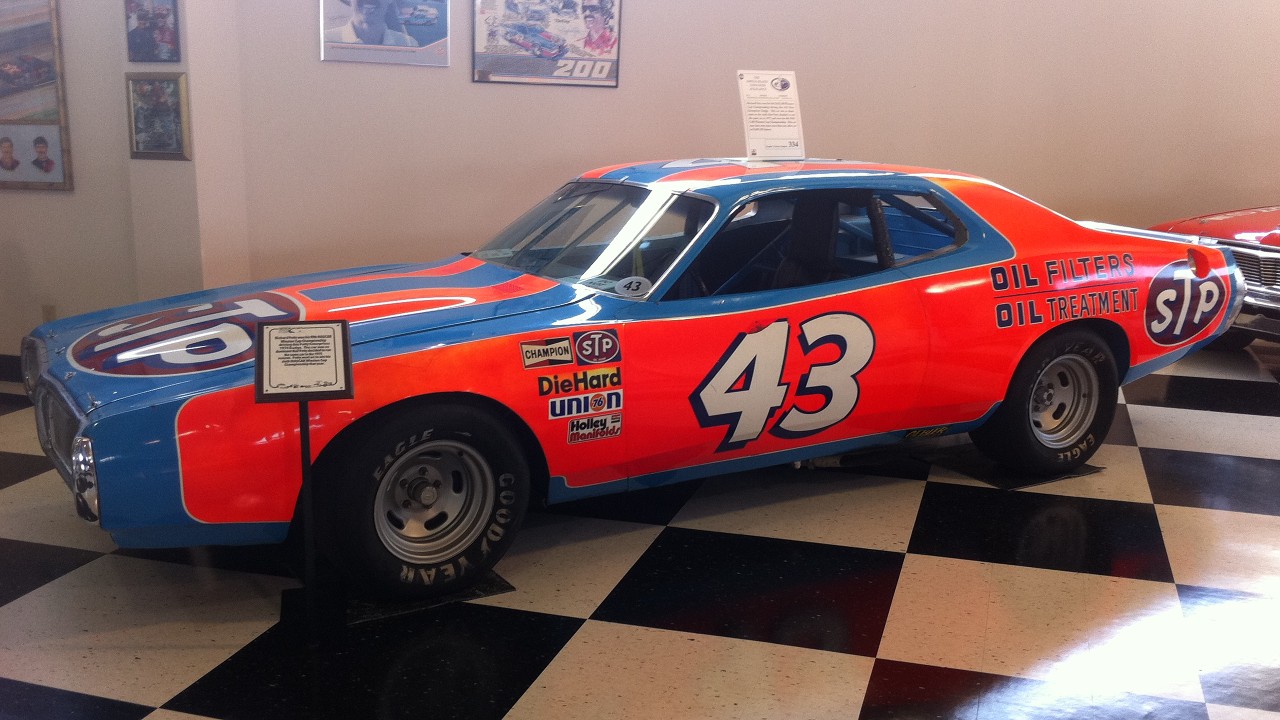
Any conversation about overwhelming NASCAR seasons starts with Richard Petty at his peak. His 1967 campaign remains the reference point for what it means to own a schedule, with a towering 27 Wins that no modern driver has come close to matching. That year, Petty did not simply win often, he controlled races in bunches, stringing together streaks that turned the championship into a formality long before the final laps of the season.
Later rankings of the Most Dominant Seasons in NASCAR Cup History consistently place Petty’s prime years at or near the top, underscoring how far ahead of the field he operated. Analyses of the top 8 most dominant seasons in NASCAR history describe his 1967 effort as a record that sits alongside other unbreakable sports marks, the kind that appear almost untouchable in the current era of deeper fields and tighter rules. When I weigh dominance, I see Petty’s combination of volume (those 27 Wins), sustained pace, and a championship secured with a big lead as the clearest example of a driver reshaping what competitors believed was possible.
Precision over volume: David Pearson, Bobby Isaac and the efficiency masters
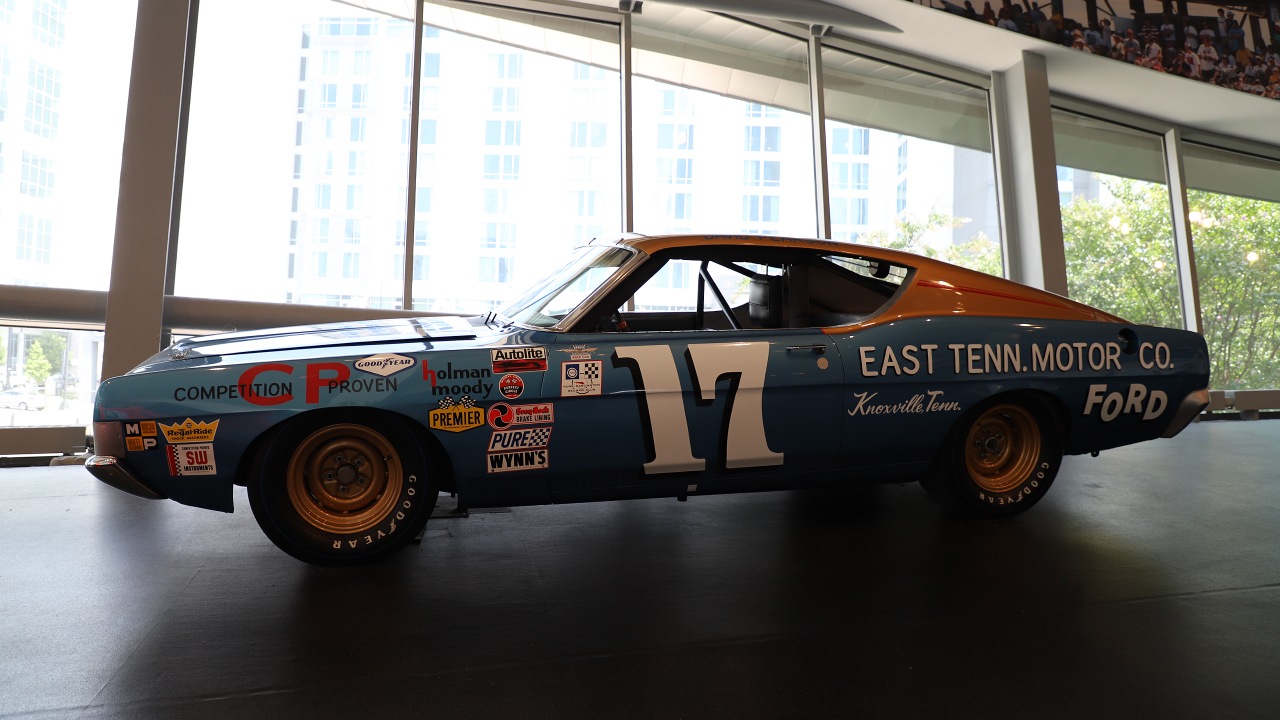
Not every overpowering season is built on Petty-level volume. Some of the most impressive campaigns relied on ruthless efficiency, where a driver ran fewer events but turned nearly every start into a threat to win. David Pearson’s 1973 season is a prime example, highlighted in lists of the Most Dominant Seasons in NASCAR Cup History for how rarely he chased the full championship yet still bent the competitive balance. Pearson’s approach showed that dominance could be measured not only in raw totals but in win rate, poles, and the way he dictated the tempo whenever he unloaded at the track.
Earlier historical rankings that Read as a tour through NASCAR’s biggest seasons also spotlight Bobby Isaac’s 1969 run as a masterclass in this kind of targeted supremacy. Isaac’s year is framed as one of the top 10 in NASCAR history, with Uncredited and Associated Pre photography often capturing a driver who seemed to be in his own lane competitively. When I compare these seasons to Petty’s, I see a different flavor of control: fewer starts, but a higher percentage of days where the rest of the field had to adjust strategy around a single car’s speed and durability.
How later eras redefined “untouchable” seasons
As the sport evolved, dominance had to survive deeper competition, more standardized equipment, and longer schedules, which makes some later campaigns stand out in a different way. Modern retrospectives on the 8 most dominant seasons in NASCAR history and broader lists of the most dominant NASCAR seasons ever point to drivers who thrived under these constraints, turning preparation and sharp instincts into a weekly edge. These pieces highlight how certain champions combined qualifying speed, pit road execution, and late-race aggression so effectively that rivals were left chasing setups rather than wins.
Other historical rundowns, including those that rank the 10 most dominant seasons in Sprint Cup Series history, circle back to Richard Petty again, particularly his work in the 196 range, to show how his template still applies even as formats and car designs have changed. When I line up these eras, I see a continuum: Petty’s 27 Wins season sits alongside Pearson’s selective brilliance and Isaac’s 1969 surge, while later stars adapt the same principles to a more compressed competitive window. It is no surprise that some of these campaigns are now mentioned alongside other top unbreakable sports records, the kind fans Learn about when they want to understand why certain numbers may never fall.