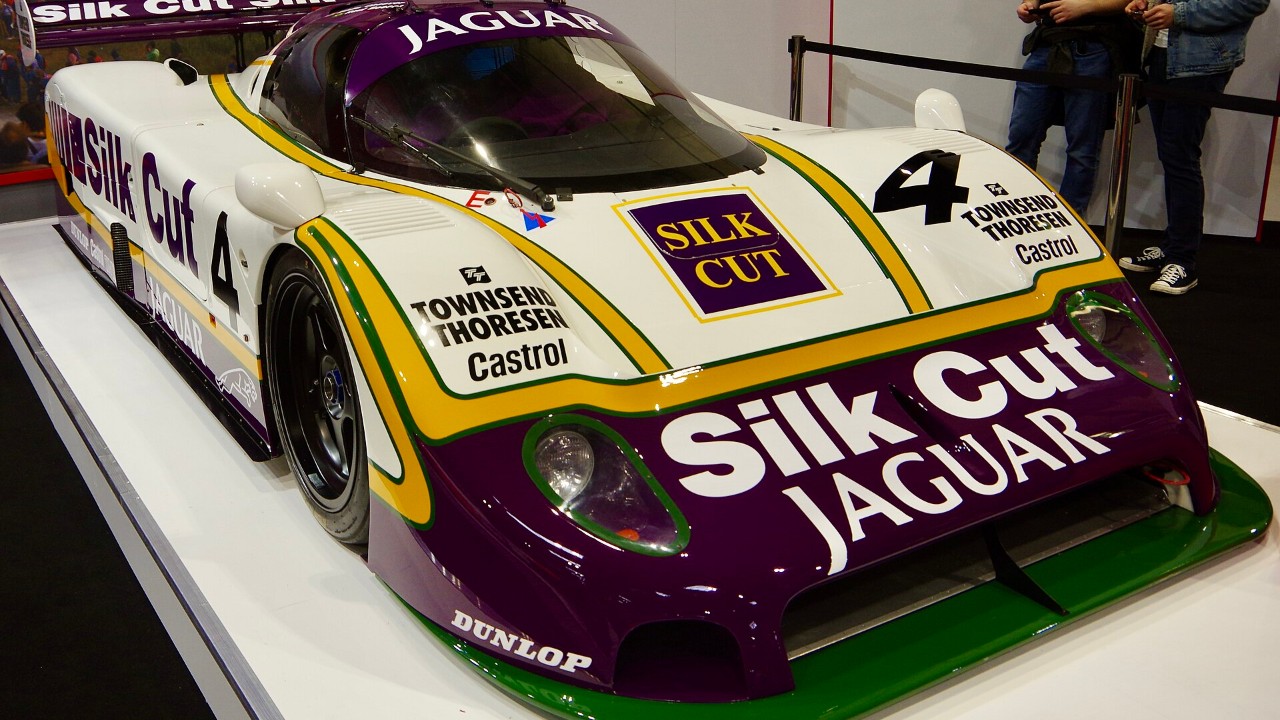
The automotive industry has been a cornerstone of global economic development and cultural identity, with car brands becoming symbols of innovation, luxury, and status. However, the journey of these iconic car brands is often fraught with peaks and valleys, shaped by market demands, technological advancements, and strategic decisions. Exploring the rise and fall of some of the most iconic car brands in history reveals the factors that led to their legendary status and the challenges that caused their decline.
The Golden Age of Automotive Innovation
In the early 20th century, the automotive industry experienced a transformative period known as the Golden Age of Automotive Innovation. This era was marked by the emergence of mass production techniques, pioneered by Henry Ford with the introduction of the assembly line in 1913. Ford’s approach revolutionized the industry, making cars more affordable and accessible to the general public. The Model T, often referred to as the “car that put America on wheels,” became a symbol of this era. Concurrently, General Motors (GM) rose to prominence by offering a diverse range of vehicles, catering to various market segments and establishing itself as a formidable competitor.
The post-war economic boom further fueled the expansion of car culture in the United States and Europe. During the 1950s and 1960s, cars became more than just a means of transportation; they represented freedom, status, and individuality. Iconic models like the Ford Mustang, introduced in 1964, captured the imagination of a generation, while the Volkswagen Beetle, with its distinctive design and affordability, became a global phenomenon. These models not only solidified the legacies of their respective brands but also left an indelible mark on popular culture, influencing everything from music to movies.
Global Expansion and Brand Diversification
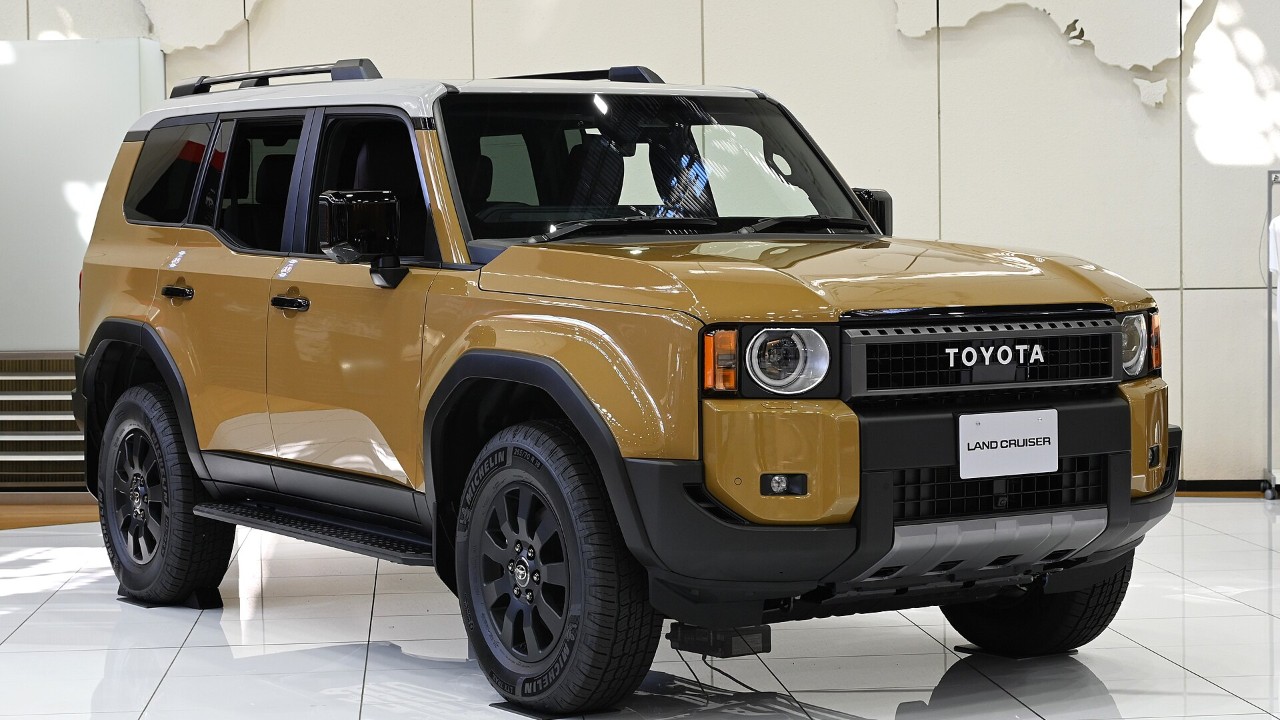
As the automotive industry continued to grow, car manufacturers strategically sought to expand their global presence and diversify their offerings. The 1980s and 1990s witnessed a significant shift as Japanese automakers like Toyota and Honda entered international markets with a focus on reliability, fuel efficiency, and innovative technology. The Toyota Corolla and Honda Civic became synonymous with dependability, challenging traditional American and European manufacturers and reshaping consumer expectations.
Luxury car brands also played a pivotal role in setting new standards for performance and prestige. German automakers such as Mercedes-Benz and BMW emerged as leaders in the luxury segment, with models like the Mercedes-Benz S-Class and BMW 3 Series becoming benchmarks for quality and engineering excellence. These brands capitalized on their reputation for craftsmanship and cutting-edge technology, appealing to affluent consumers seeking both status and sophistication.
Challenges and Decline in the Modern Era
The automotive industry faced significant challenges in the modern era, as economic recessions and shifting consumer preferences impacted car sales and brand stability. The 2008 financial crisis, for example, led to a sharp decline in vehicle sales worldwide, forcing many manufacturers to reevaluate their strategies and streamline operations. Iconic brands such as Chrysler and General Motors faced bankruptcy, highlighting the vulnerability of even the most established names in the industry.

Adapting to changing environmental regulations and consumer demands for sustainability posed additional challenges. Brands that failed to innovate or misjudged market trends often found themselves struggling to remain relevant. Saab, once known for its pioneering safety features and turbocharged engines, failed to keep pace with competitors and ultimately ceased production in 2011. Similarly, the British marque MG, renowned for its classic sports cars, experienced a decline in popularity due to outdated models and a lack of investment in new technologies.
Revival and Reinvention of Classic Brands
Despite these challenges, some classic brands have successfully revived their fortunes through nostalgia and retro-inspired models. The reintroduction of the Mini Cooper in 2001 by BMW is a prime example of leveraging a brand’s heritage while incorporating modern design and technology. Similarly, the Fiat 500’s relaunch in 2007 captured the essence of the original model, appealing to a new generation of consumers seeking both style and practicality.
Mergers, acquisitions, and partnerships have also played a crucial role in reviving struggling brands. The alliance between Renault and Nissan, for instance, has provided both companies with the resources and expertise needed to innovate and expand their global reach. Additionally, the emergence of electric vehicles (EVs) and sustainability initiatives has reshaped brand identities, with companies like Tesla setting new standards for performance and eco-friendliness. Established manufacturers such as Porsche and Jaguar have embraced electrification, introducing models like the Porsche Taycan and Jaguar I-Pace to compete in the growing EV market.
The Future of Iconic Car Brands
As the automotive industry enters a new era of autonomous and electric vehicles, the future of iconic car brands will be defined by their ability to adapt and innovate. The rise of autonomous technology presents opportunities for traditional manufacturers and newcomers alike to redefine the driving experience. Companies such as Waymo, a subsidiary of Alphabet Inc., are at the forefront of developing self-driving technology, potentially reshaping the landscape of personal transportation.
In this rapidly changing industry, there is also potential for new brands to rise to iconic status. Rivian, an American electric vehicle automaker, has garnered significant attention with its innovative approach to electric trucks and SUVs. By focusing on sustainability and adventure-oriented vehicles, Rivian aims to capture the imagination of environmentally conscious consumers seeking alternatives to traditional internal combustion engines.
Ultimately, the role of technology and innovation will be crucial in defining the next generation of automotive legends. Augmented reality, artificial intelligence, and advanced connectivity are expected to play an integral role in shaping the future of mobility. As car manufacturers continue to push the boundaries of what’s possible, the evolution of iconic car brands will undoubtedly be a testament to their resilience and adaptability in an ever-evolving world.
Like Fast Lane Only’s content? Be sure to follow us.
Here’s more from us:
*Created with AI assistance and editor review.