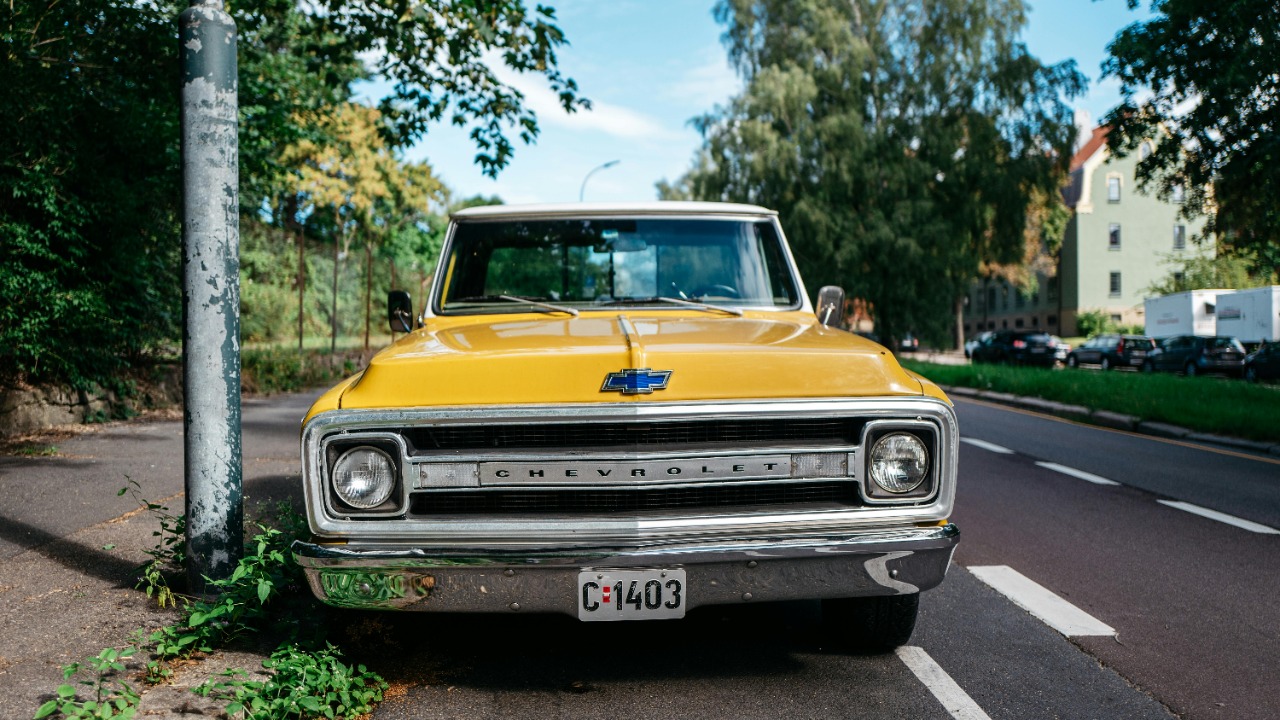
It was supposed to be a simple road-trip win: a six-hour drive, a quick look at a classic Chevy truck, a handshake, and a happy ride home. The listing had the right vibe—clean photos, a confident description, and the kind of price that made it feel like a “move fast” situation. So they packed snacks, hit the highway, and showed up ready to buy.
Then came the moment that changed everything. When they asked to see under the hood, the owner refused. Not “give me a second,” not “it’s tricky,” but a firm no—and suddenly the whole deal felt less like a fun find and more like a guessing game.
A promising listing and a long drive
According to the couple, the truck had been advertised as a well-kept classic with “no major issues” and a strong-running engine. The photos showed glossy paint, tidy interior shots, and enough angles to make it seem like the seller had nothing to hide. Like most people shopping older vehicles, they expected some quirks, but they also expected basic transparency.
They confirmed the meet-up time, double-checked the address, and made the drive in one shot. Six hours is a lot of windshield time for anything, but for the right truck, it can feel like part of the adventure. They arrived excited, a little tired, and ready to inspect.
The inspection started normally—until it didn’t
At first, everything sounded routine. They walked around the truck, checked the body lines, looked for rust bubbles, and peeked under it as much as they could. The seller chatted casually and pointed out a few features like new tires and recent maintenance.
Then they asked the obvious question: “Mind popping the hood?” That’s when the mood shifted. The owner reportedly said it wasn’t necessary, and when they asked again, the refusal got more direct.
Most experienced buyers will tell you that a hood check isn’t some nitpicky request—it’s step one. Even people who don’t know engines well want to see if something looks wildly off: missing parts, messy wiring, fresh leaks, or obvious patchwork. The couple said they weren’t trying to be difficult; they just wanted the same basic access any buyer expects.
Why a closed hood raises eyebrows
There are a few innocent reasons someone might hesitate. Maybe the hood latch is broken, the release cable is stuck, or the hood is heavy and awkward to lift without help. Some older trucks have quirky latches, and more than one classic owner has wrestled with a stubborn hood in public like it’s a stage performance they didn’t audition for.
But a flat refusal is different from “it’s jammed.” If the seller can’t open it, most will say so and offer a workaround—like showing maintenance records, sending a video later, or letting a mechanic take a look. When the answer is simply “no,” buyers naturally start thinking about what might be hidden: overheating issues, oil leaks, a swap that wasn’t disclosed, or repairs that look fine from twenty feet away but scary up close.
It’s also a trust issue. A classic vehicle is basically a relationship—high charm, occasional drama, and you need honest communication from day one. If the seller won’t allow a basic inspection while asking someone to spend real money, it’s hard not to wonder what else is “off limits.”
The couple tried to keep it polite
The couple said they didn’t accuse the owner of anything. They stayed calm and explained that seeing the engine bay was a dealbreaker, not a personal insult. They offered to be quick, not touch anything, and even suggested the owner could hold the hood the whole time.
Still, the seller wouldn’t budge. At that point, the couple faced the kind of decision that feels worse because of the drive: do you walk away and “waste” the trip, or do you risk buying something you can’t properly inspect? They chose the boring option—the safe one—and didn’t move forward.
What experts generally recommend in situations like this
Car-buying pros tend to agree on one rule: if a seller blocks a normal inspection step, you leave. A hood check is as basic as confirming the VIN and taking a test drive. If access is restricted, you’re not buying a truck—you’re buying a mystery.
A pre-purchase inspection is another common line in the sand, especially for classics. If a seller won’t let an independent mechanic look it over, that’s often treated as a giant red flag, even if the vehicle looks beautiful. Old paint can be charming; old surprises are expensive.
Documentation matters, too. Service records, build receipts, and even a simple list of what’s been replaced can change the whole vibe of a deal. And if the seller doesn’t have records, transparency becomes even more important, not less.
How to protect yourself before you hit the road
This situation is a good reminder to set expectations before you drive across multiple counties. Buyers who travel for a car often ask for a short walkaround video that includes a cold start, an under-hood shot, and a quick look underneath. It’s not foolproof, but it makes it harder for a listing to hide behind flattering photos.
It also helps to confirm basics in writing—text is fine. Ask directly: “Can I see the engine bay when I arrive?” and “Are you okay with a pre-purchase inspection?” If the response is vague, defensive, or overly pushy about “serious buyers only,” that’s information in itself.
And if you’re bringing cash, keep it flexible. Having a firm walk-away budget—and the willingness to actually walk away—can save you from the emotional trap of, “Well, we already drove six hours…” That’s how people end up buying problems with headlights.
A seller’s refusal can mean more than one thing
To be fair, nobody outside the situation can say exactly why the hood stayed shut. It could’ve been something as simple as a broken latch and pride getting in the way, or a misunderstanding that escalated. But in the used car world, misunderstandings are exactly why clear access and clear answers matter.
What the couple walked away with, at minimum, was clarity. They didn’t buy a truck they couldn’t verify, and they didn’t reward behavior that made them uncomfortable. The drive home may have felt longer without a classic Chevy in the rearview mirror, but it probably felt a lot better than discovering a hidden issue after the money changed hands.
In the end, it’s a reminder that the best deals don’t just look good—they feel straightforward. A classic truck can have quirks, leaks, and personality for days. The one thing it shouldn’t come with is a locked door to the most important part.
More from Fast Lane Only