Some performance packages fade into footnotes. The WS6 didn’t. From its debut in 1978 as a suspension upgrade to its early-2000s Ram Air apex, the WS6 badge became synonymous with real-world speed and road presence. Whether you favor the burly second-gen or the LS-powered fourth-gen, WS6 cars offered more than extra letters—they delivered better grip, bolder styling, and in many cases, a lot more fun.
This article tracks 10 key moments in WS6 history, proving that while the badge may be gone, its legend is still very much alive.
The WS6 Package Debuts in 1978

The WS6 performance package first appeared in 1978 as an option on the Pontiac Trans Am. It wasn’t about horsepower—it was about handling. The package included upgraded suspension components, wider 15×8 snowflake wheels, quicker steering, and larger sway bars, giving the Trans Am real grip for the first time.
Buyers who selected the WS6 could also pair it with the W72 400-cubic-inch V8, which made 220 hp—a solid number for the era. Only about 12,000 WS6-equipped Trans Ams were built that year, setting the stage for what would become a legend among muscle car fans.
1979: WS6 Expands and the 400 Bows Out
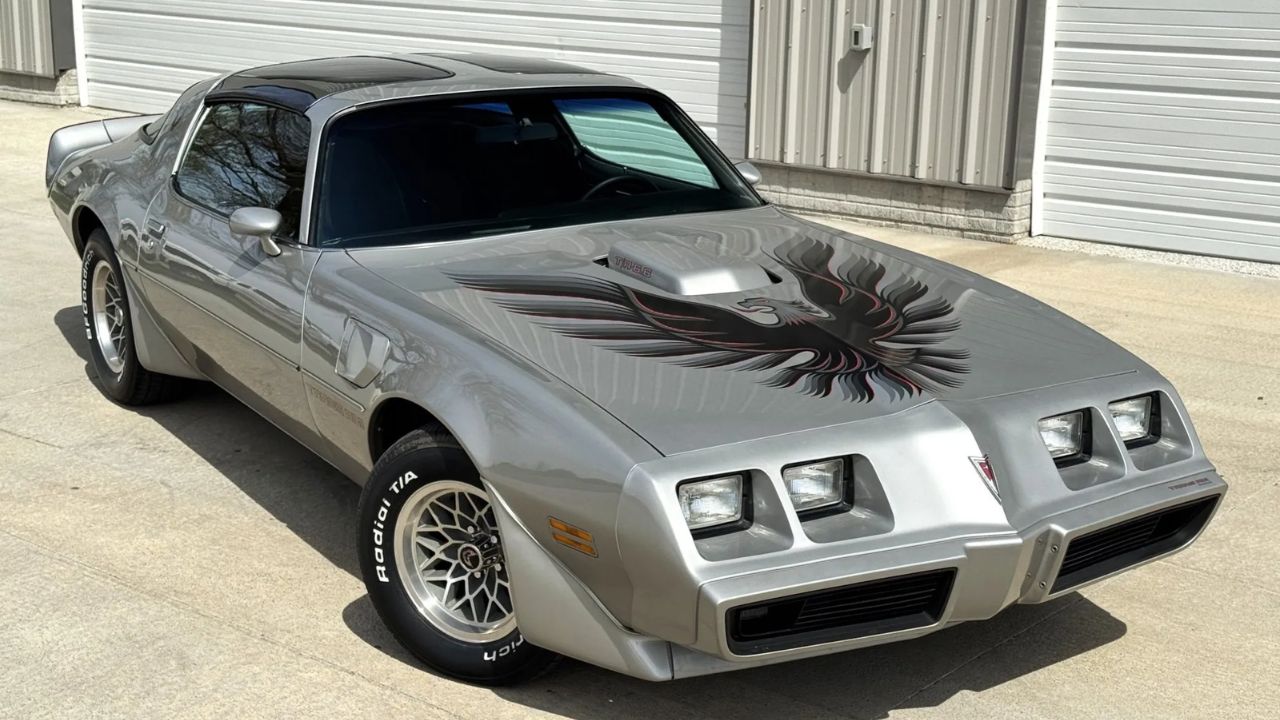
In 1979, the WS6 package became available on both the Trans Am and the Formula models, making it more accessible. This year also marked the last appearance of the 400-cubic-inch Pontiac V8. While the W72/WS6 combo was only available with a 4-speed manual, it delivered the best performance you could get that year.
The WS6-equipped 1979 cars included 4-wheel disc brakes—a first for the Trans Am—and firmer suspension tuning. Over 30,000 WS6 cars were built in ’79, the highest production of the early years, making it a high-water mark for second-gen handling upgrades.
1987: WS6 Quietly Returns in the Third Gen

By the mid-1980s, the WS6 option returned as a handling package on the third-gen Firebird Trans Am. It wasn’t flashy—just tighter suspension, upgraded 15-inch wheels, and quicker steering. The available engines included the LG4 305 or LB9 TPI 305 V8s, offering between 170–215 horsepower.
Buyers focused on road feel more than raw power, and the WS6 helped give the Trans Am some much-needed bite in the corners. It was a subtle upgrade, but it gave the third-gen cars an edge over their Camaro siblings in both looks and driving dynamics.
1989: Turbo Trans Am and WS6 Combine Forces
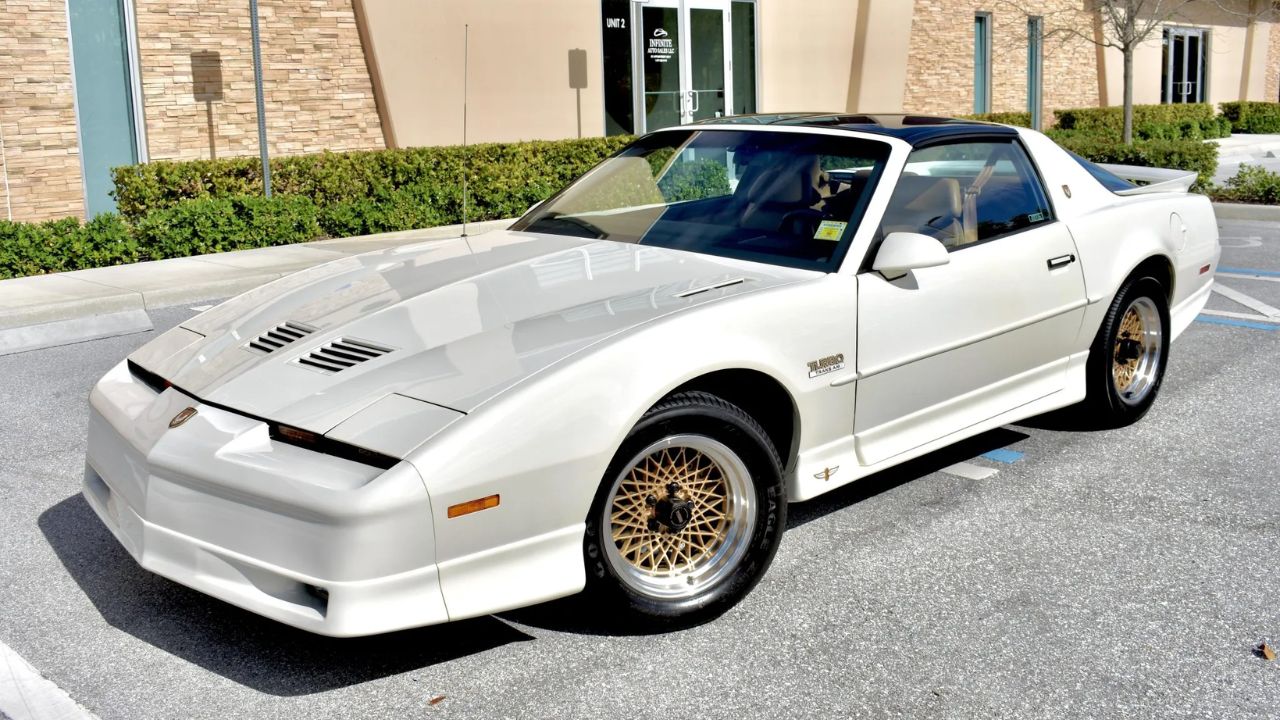
Pontiac built something special in 1989 to celebrate the 20th anniversary of the Trans Am: the Turbo Trans Am. Based on the GTA and powered by a 3.8L turbocharged V6 borrowed from the Buick Grand National, it also came standard with the WS6 suspension.
This made it one of the best-handling Trans Ams to date, capable of sub-14-second quarter miles and excellent road manners. Just 1,555 were built, and every one came with four-wheel disc brakes, quick-ratio steering, and specially tuned suspension—all part of the WS6 package at its absolute best.
1996: WS6 Returns with the Ram Air Look
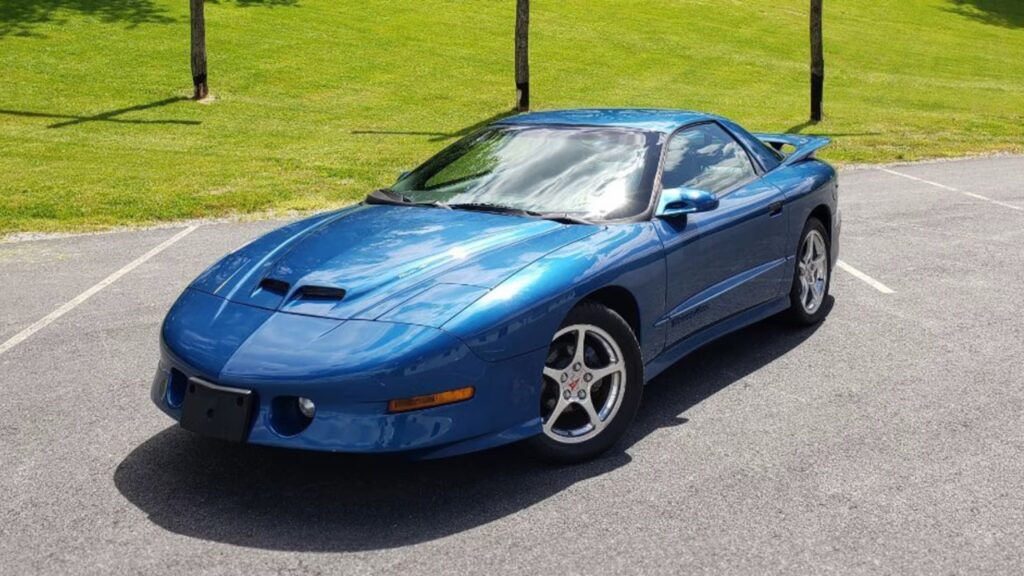
In 1996, the WS6 package returned to the fourth-gen Trans Am and Formula models, this time with serious visual attitude. The new Ram Air hood fed a functional cold-air system, while performance upgrades included a freer-flowing intake, tuned suspension, and wider 17-inch wheels.
The WS6 LT1 V8 made 305 hp—10 more than the standard car—and that power bump, combined with the aggressive look, made it a must-have. Around 2,600 WS6 Trans Ams were produced that year, and they marked the start of what many consider the golden era of fourth-gen WS6 cars.
1998: LS1 Power Brings New Performance

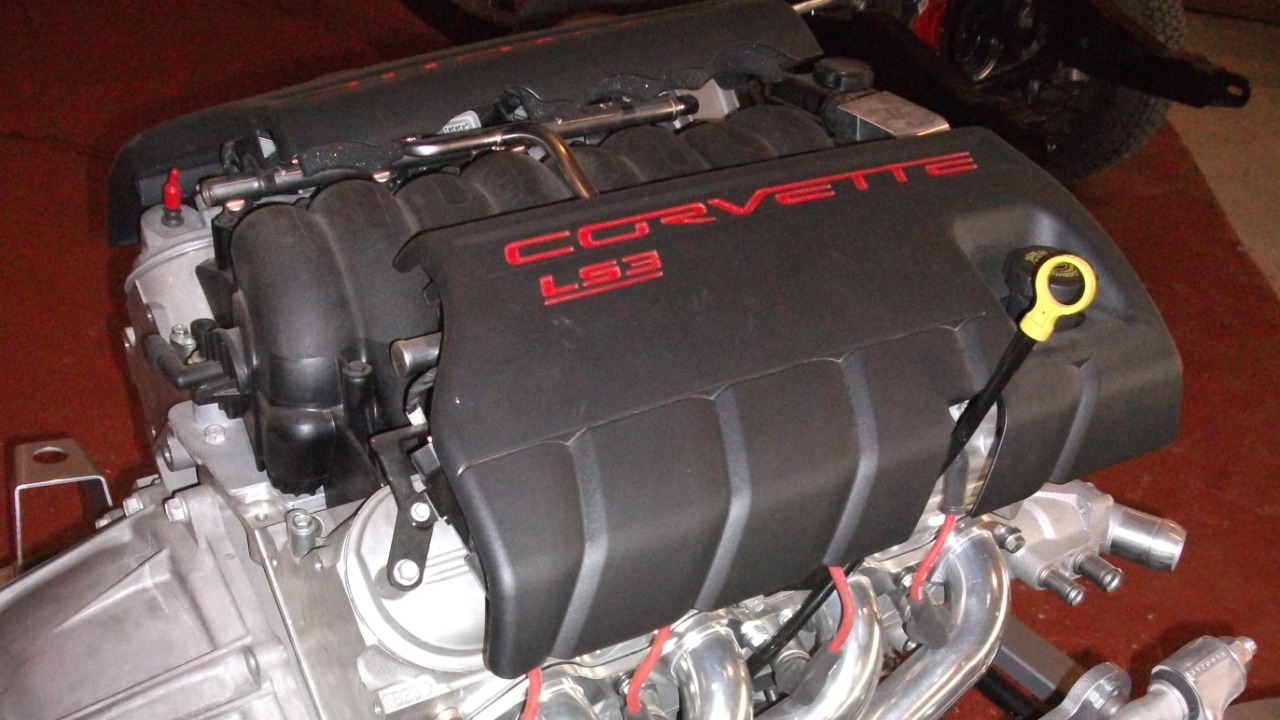
With the arrival of the LS1 in 1998, the WS6 package took another leap. The 5.7L all-aluminum V8 produced 320 hp (some say more in practice), and the WS6 upgrades included a revised Ram Air hood, suspension tweaks, and aggressive 17-inch wheels wrapped in wider rubber.
Zero-to-60 dropped to around 5 seconds, and the quarter mile came up in the low 13s. It wasn’t just a good-looking package—it had the performance to back it up. Sales for WS6-equipped cars jumped as Pontiac leaned harder into muscle car marketing.
1999: Formula WS6 Makes a Rarer Statement
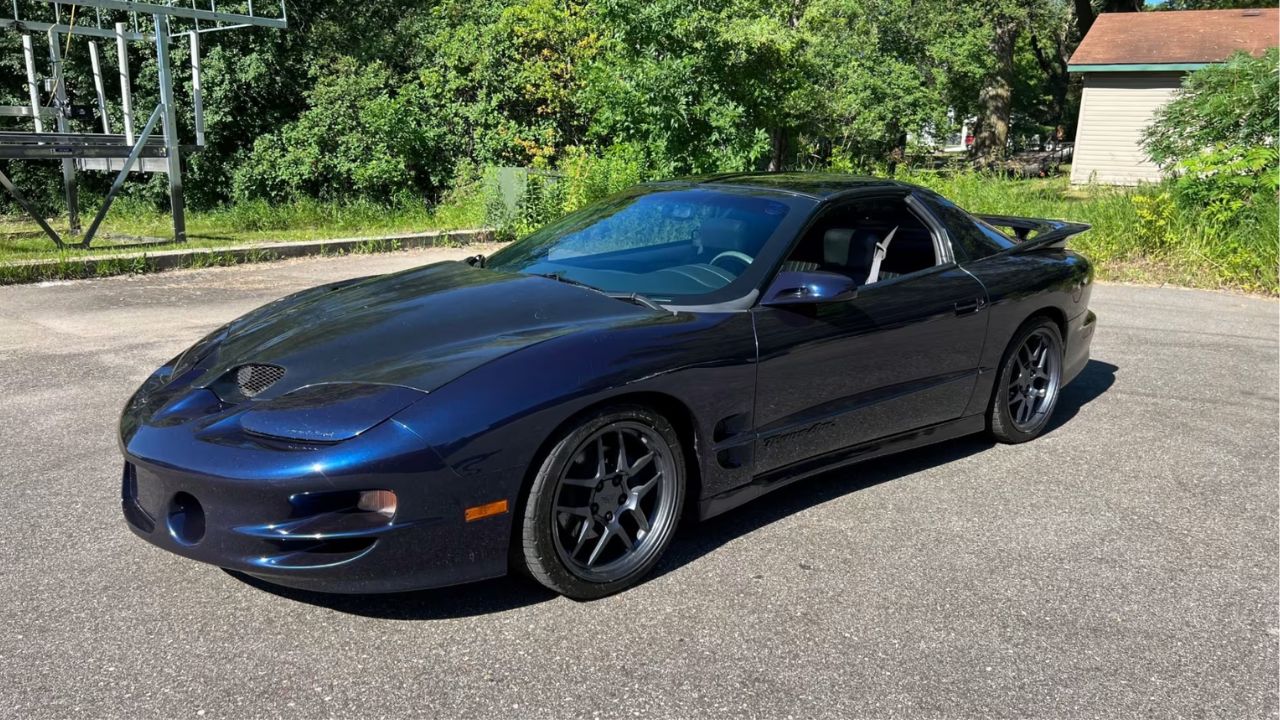
While most WS6 buyers gravitated toward the Trans Am, Pontiac also offered the package on the lighter, less flashy Formula model. The 1999 Formula WS6 featured the same 320 hp LS1, suspension upgrades, and Ram Air hood, but with subtler styling and a weight advantage.
Only 175 Formula WS6s were built in 1999, making it one of the rarest combinations. For buyers who wanted performance without the attention-grabbing Trans Am graphics and wing, the Formula WS6 offered a sleeper alternative with full-bore hardware underneath.
2001: Peak Performance Before the End

By 2001, the WS6 Trans Am was nearing its final form. With 325 hp and 350 lb-ft of torque, it was among the quickest cars in its class. It came standard with the WS6 suspension, functional Ram Air, and a revised intake manifold for better airflow.
GM claimed 0–60 in about 4.8 seconds, which was impressive for a car that still had a live rear axle and a 6-speed manual. The WS6 had matured into a true performance package—not just appearance—and it was one of the last great analog muscle cars before electronics took over.
2002: The Final WS6 Roars Off the Line

The WS6 Trans Am signed off in 2002, along with the entire Firebird line. That year, Pontiac built just over 30,000 Trans Ams, and nearly half wore the WS6 badge. It was the last gasp of the American pony car before a long hiatus.
The final WS6 models still packed the 325 hp LS1, Ram Air hood, and upgraded suspension. The styling remained sharp, and performance remained strong. For many collectors, a 2002 WS6—especially in collector colors like Sunset Orange or Navy Blue—is the pinnacle of fourth-gen Firebird muscle.
Interior and Detail Evolution
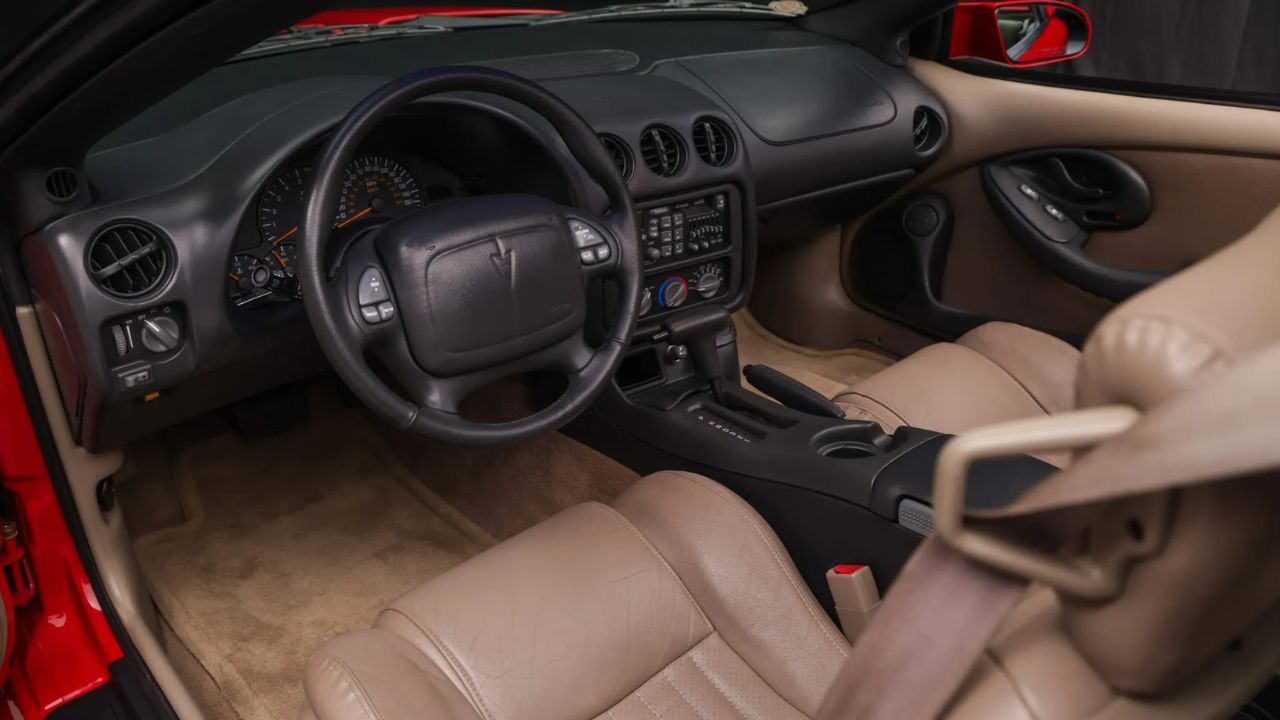
Throughout its run, WS6-equipped Trans Ams offered more than just speed—they also improved creature comforts. Fourth-gen models got leather seating, Monsoon audio systems, and power everything. The cockpit layout stayed tight and driver-focused, with gauges that leaned more toward analog than flashy.
Though build quality varied across the years, WS6 cars often included tighter trim, better ride control, and cosmetic touches like badging and embroidered headrests. It wasn’t luxury, but it was comfortable enough to daily—assuming you didn’t mind climbing out over the side bolsters in tight parking spots.
WS6 Legacy and Collectibility

Today, the WS6 Trans Am is more than just a trim code—it’s a cult car with serious collector value. Earlier WS6 second-gen cars are prized for originality, while the late fourth-gen models are rising quickly in value, especially low-mileage or rare-color examples.
From handling-focused beginnings in 1978 to Ram Air thunder in the 2000s, the WS6 package built a legacy of performance that outlasted the Firebird itself. With clean examples becoming harder to find, the WS6 isn’t just iconic—it’s becoming investment-worthy for collectors who want their nostalgia with a proper soundtrack.
Like what you read? Here’s more by us:
*Created with AI assistance and editor review.