Few cars wear a nameplate as heavy as the Dodge Charger—and fewer still manage to evolve with the times without losing their edge. From wind-tunnel warriors to luxury cruisers and fire-breathing sedans, the Charger has worn many faces over the decades. But whether it was chasing wins on NASCAR tracks or lighting up quarter miles, it always stood for performance with presence.
This list covers 10 Chargers that left a mark—some because they were fast, others because they were first, and a few because they simply refused to blend in.
1966 Dodge Charger – The Original Fastback
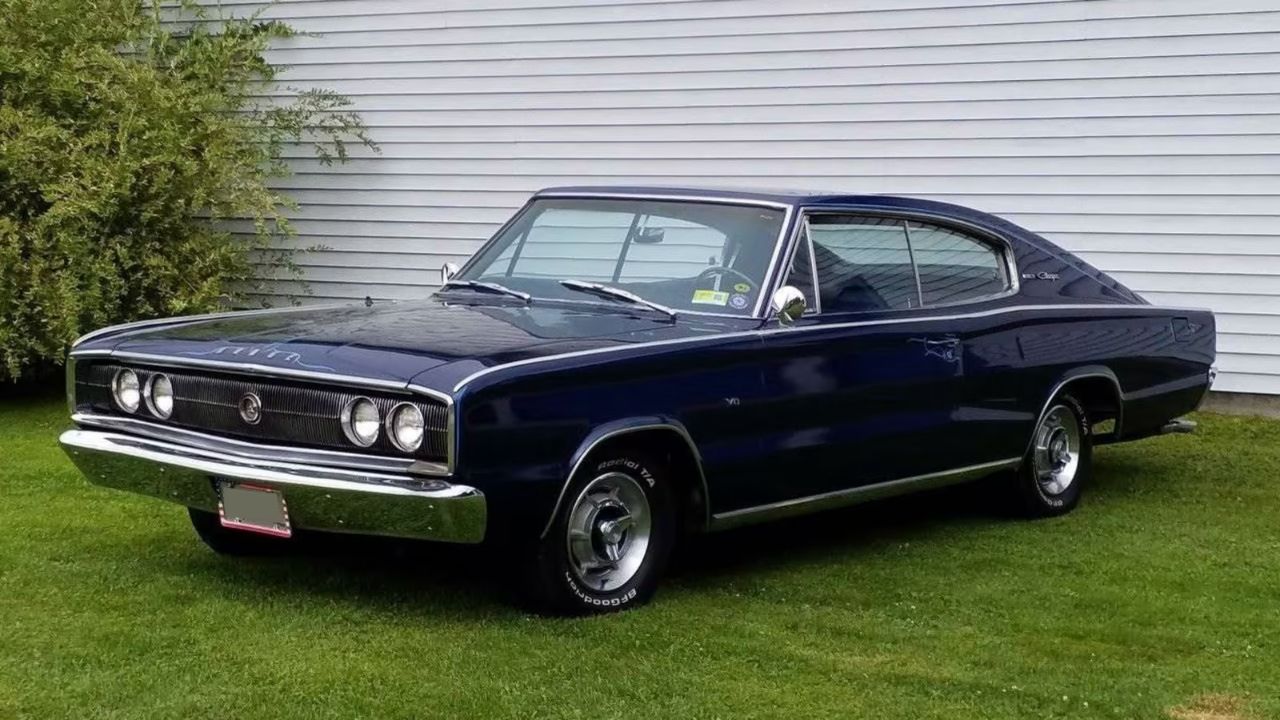
The Charger name hit the scene in 1966 as Dodge’s answer to the fastback craze. Based on the B-body platform, it came with hidden headlights, a four-bucket-seat interior, and full-length console. It was more stylish cruiser than street brawler—at least in its debut year.
Buyers could choose from a base 318 V8 all the way up to a 426 Street HEMI. Only 468 HEMI Chargers were built in 1966, making them rare even back then. Total sales for the model hit just over 37,000 units, proving it still had ground to gain in the muscle market.
1968 Dodge Charger R/T – The Look That Stuck
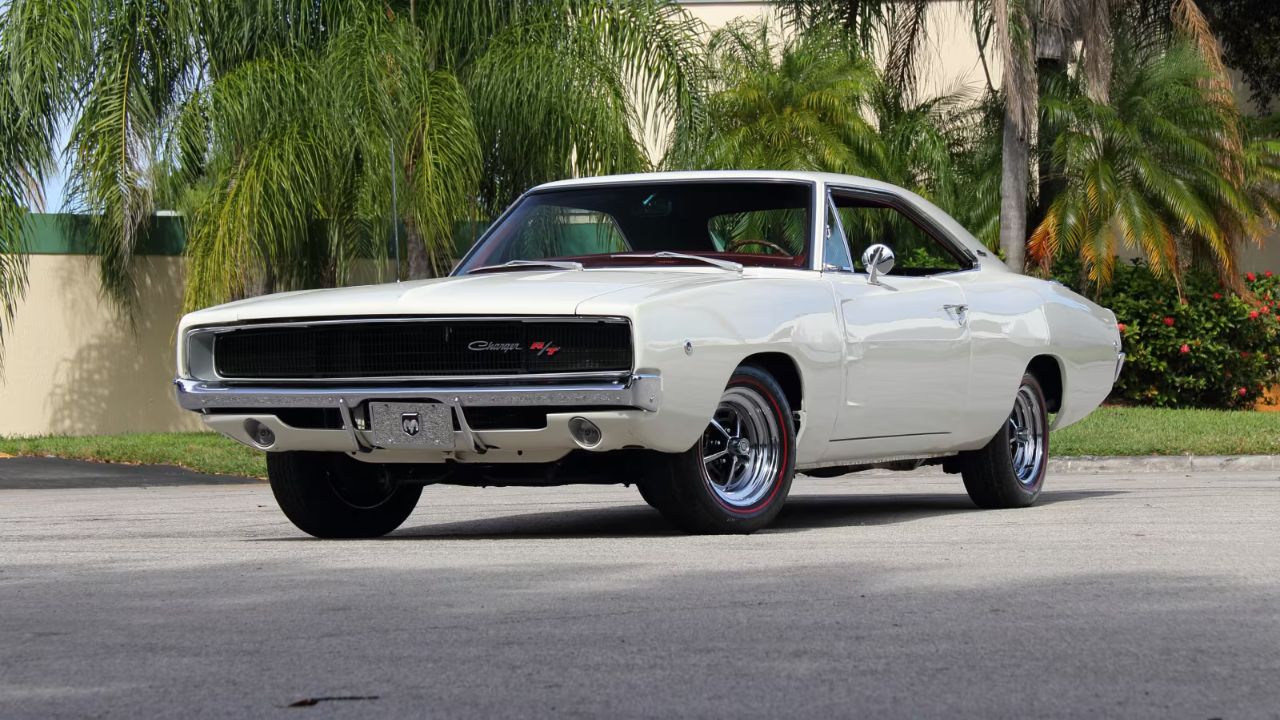
The 1968 Charger R/T introduced the now-legendary coke-bottle shape, recessed grille, and hidden headlights. It also brought the “bumblebee stripe” and full muscle attitude. The standard R/T engine was a 440 Magnum with 375 hp, though the 426 HEMI was still on the order sheet for those with deep pockets.
Production jumped to over 96,000 Chargers that year, with 17,665 of those being R/Ts. The new styling made it one of the best-looking cars of the era, and it’s still the body most people picture when they hear “Dodge Charger.”
1969 Dodge Charger Daytona – Built to Fly
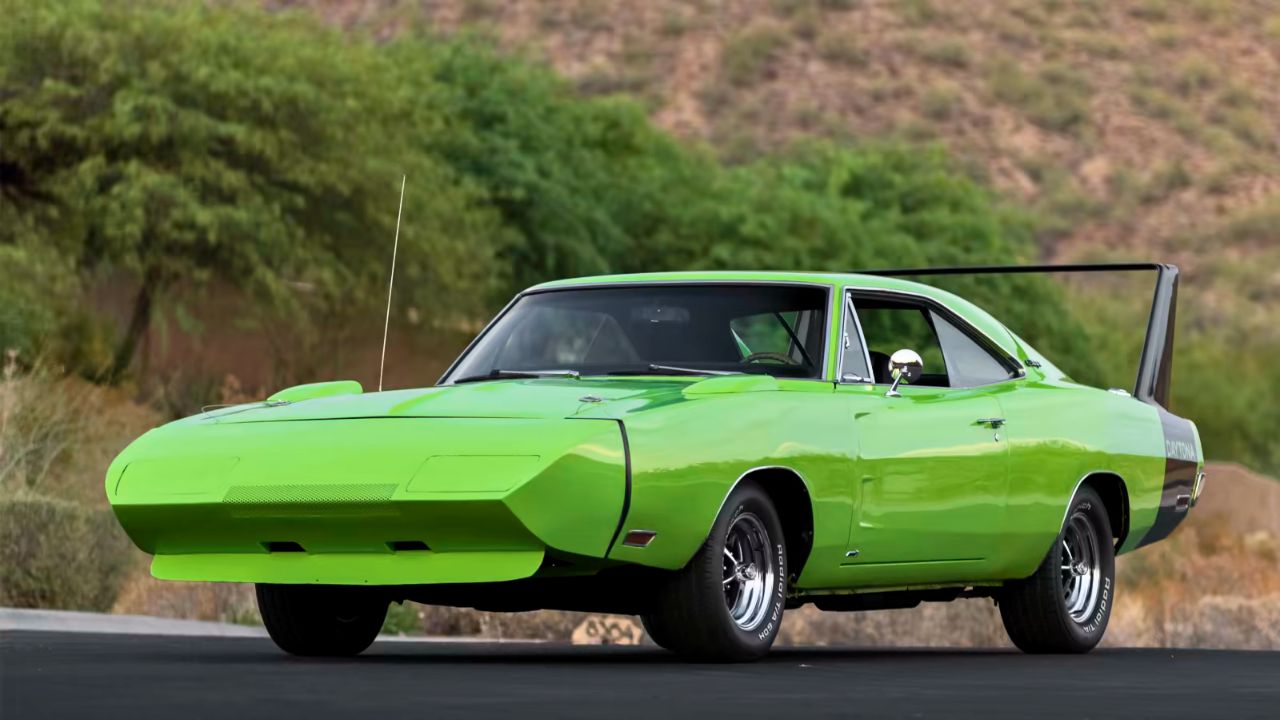
Built strictly to dominate NASCAR, the 1969 Daytona featured a pointed nose cone and a massive 23-inch rear wing. It was the first car to break 200 mph in a NASCAR race, and it made sure Dodge got back into the winner’s circle.
Only 503 Daytonas were built for the street to meet homologation requirements. Under the hood, buyers got either a 440 Magnum or the 426 HEMI. The Daytona was extreme in every way—and it had to be. NASCAR banned it (and its cousin, the Plymouth Superbird) shortly after.
1970 Dodge Charger R/T – Muscle at Its Peak
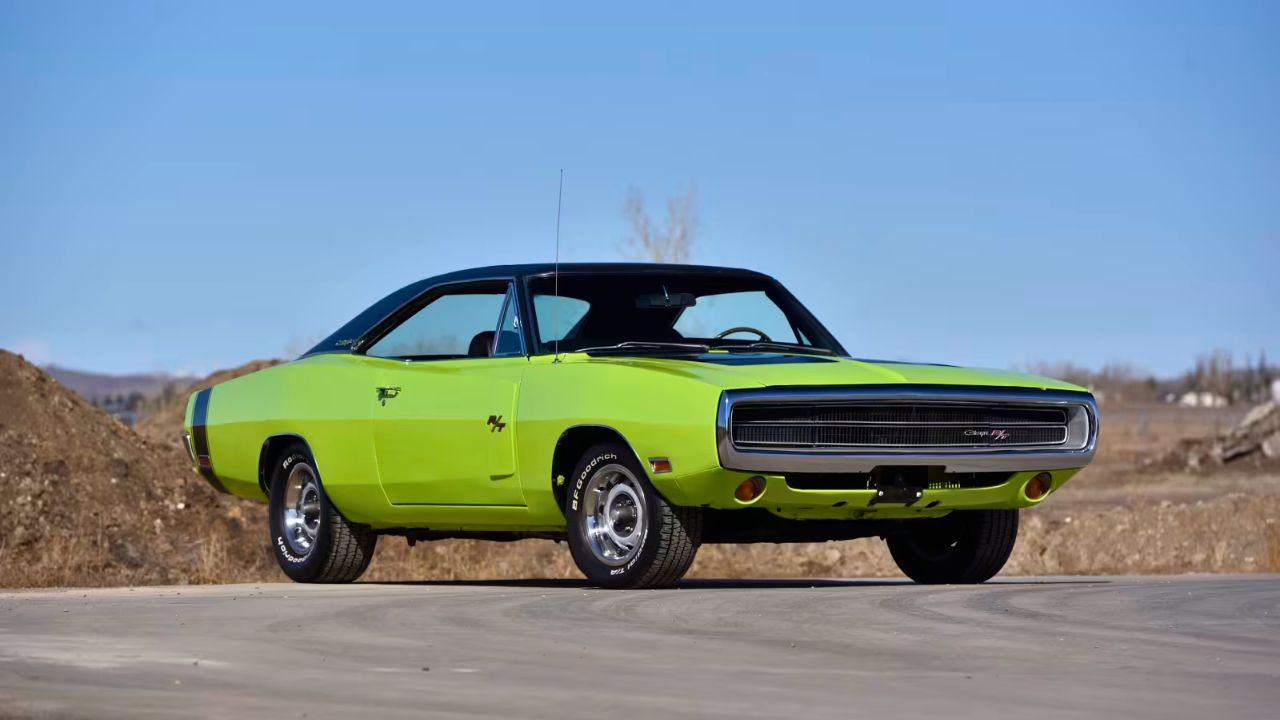
The 1970 model brought only subtle styling tweaks—like a loop-style front bumper and revised tail lamps—but under the skin, it remained serious. The Charger R/T could still be had with a 440 or 426 HEMI, backed by a 727 TorqueFlite or 4-speed manual.
Sales cooled slightly from ’69, with 10,337 R/Ts produced, partly due to rising insurance premiums. Still, the ’70 model represents the peak of the muscle car era before things began to fade. It’s also the last Charger with the original B-body muscle car DNA before the malaise years took over.
1971 Dodge Charger Super Bee – One-Year Oddity
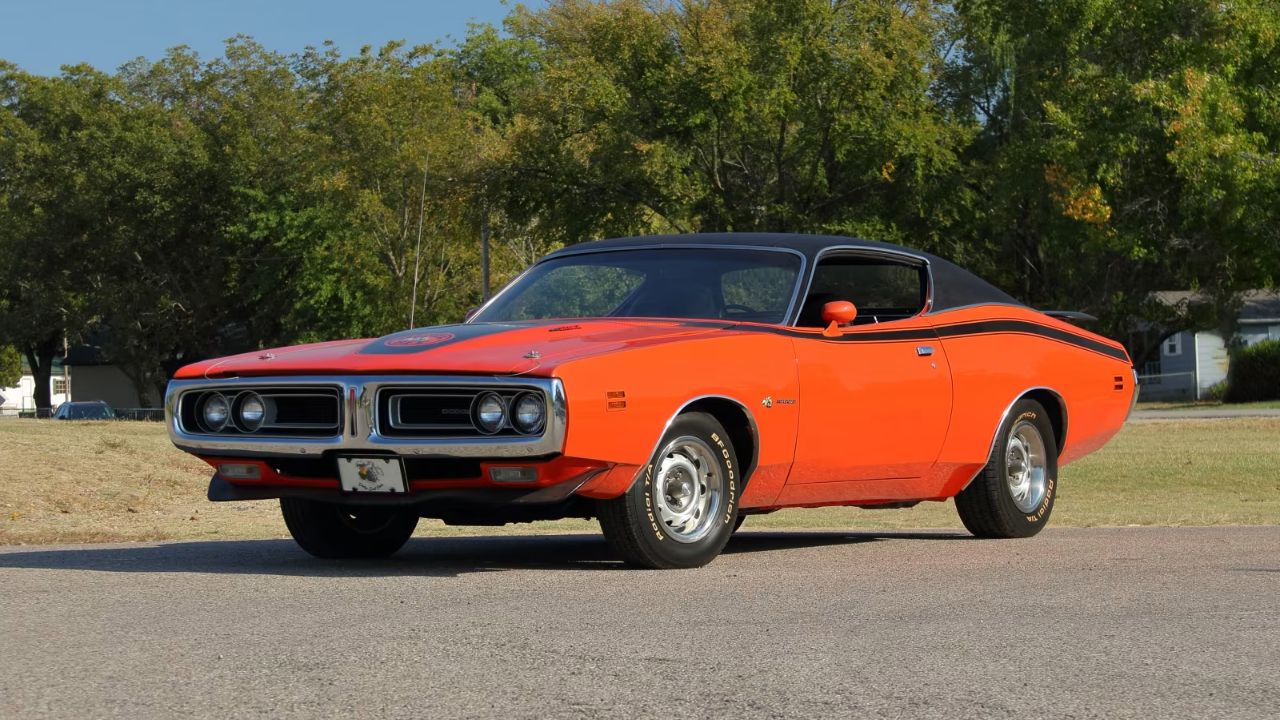
For 1971, the Super Bee badge was applied to the Charger for the first and only time. Previously part of the Coronet line, the Super Bee moved over as Dodge streamlined its intermediate offerings. It came with standard 383 power, with 440 and HEMI options available.
Only 5,054 Super Bees were built on the Charger shell that year, making them a low-production curiosity. The fuselage styling was polarizing, and 1971 marked the last year for the Street HEMI. This was Dodge hanging on to performance as emissions and regulations tightened the screws.
1975 Dodge Charger SE – The Luxury Pivot
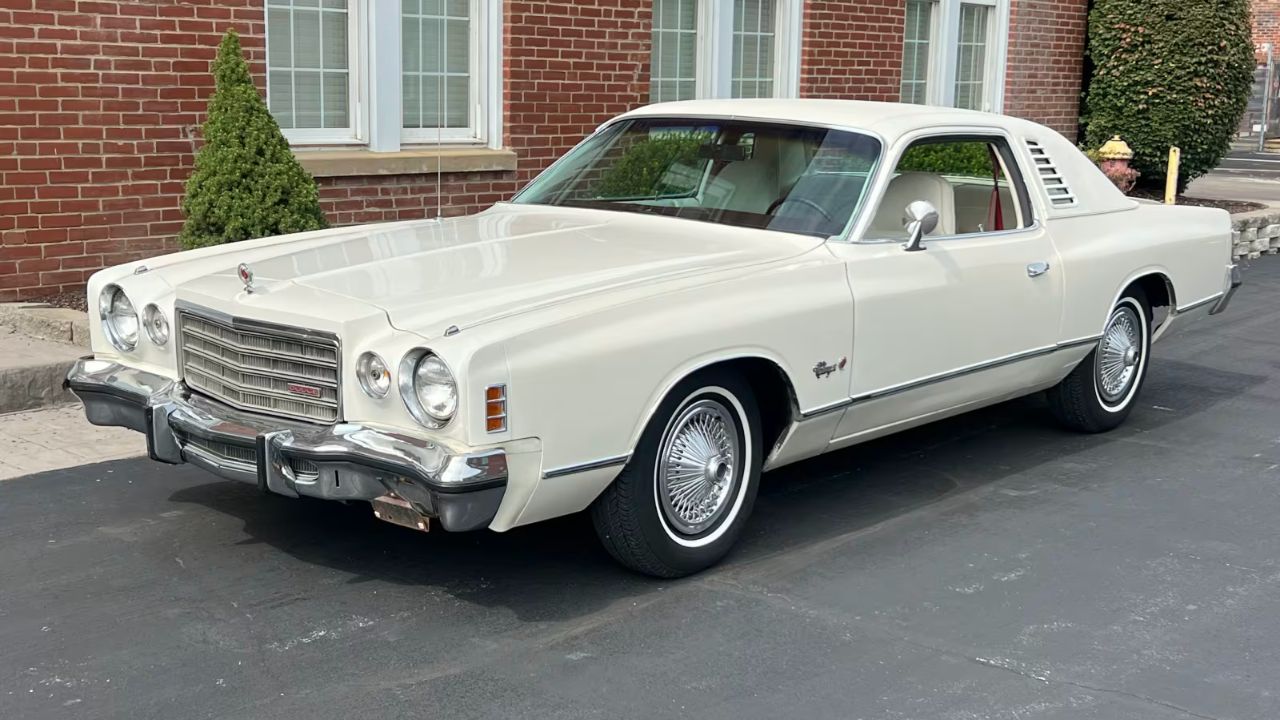
By the mid-‘70s, performance was out and personal luxury was in. The 1975 Charger SE reflected that shift, now based on the Chrysler Cordoba. It featured plush interiors, vinyl roofs, opera windows, and woodgrain—less drag strip, more country club.
The top engine was a 400-cubic-inch V8, though it was mostly about comfort, not speed. Dodge sold over 30,000 Charger SEs in 1975. While not a muscle car by any stretch, this era helped keep the name alive during a time when many performance badges were shelved altogether.
1987 Dodge Charger Shelby GLHS – Front-Drive Fury
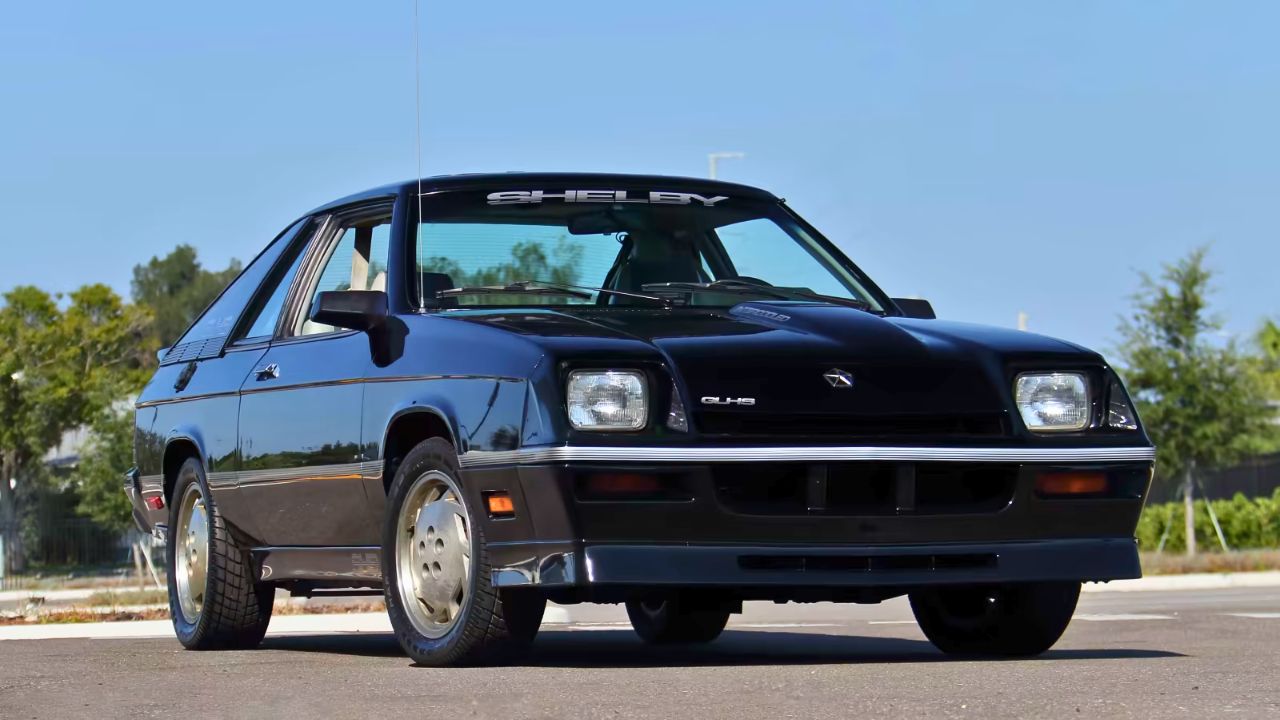
In the 1980s, the Charger name returned—but this time on a front-wheel-drive hatch based on the Dodge Omni. While most weren’t memorable, the 1987 Shelby GLHS was a different beast. GLHS stood for “Goes Like Hell S’more,” and Shelby wasn’t kidding.
The turbocharged 2.2L inline-four cranked out 175 hp and could hit 60 mph in around 6.5 seconds. Only 1,000 were built, all black, with upgraded suspension, brakes, and Goodyear Gatorback tires. It wasn’t a traditional Charger, but it showed that Dodge could still pack a punch—even with four cylinders and front-wheel drive.
2006 Dodge Charger SRT8 – Rear-Drive Revival

The Charger returned to its roots in 2006 with a proper rear-wheel-drive layout and a big V8 under the hood. While the four-door design raised eyebrows, the SRT8 answered critics with a 6.1L HEMI making 425 hp and Brembo brakes to haul it down.
It rode on the LX platform shared with the Chrysler 300 and came loaded with comfort and performance features. Dodge sold over 3,500 SRT8s that year, proving there was still a market for modern muscle. The sedan body added practicality, helping the new Charger carve out a fresh identity.
2012 Dodge Charger SRT8 – HEMI with Tech
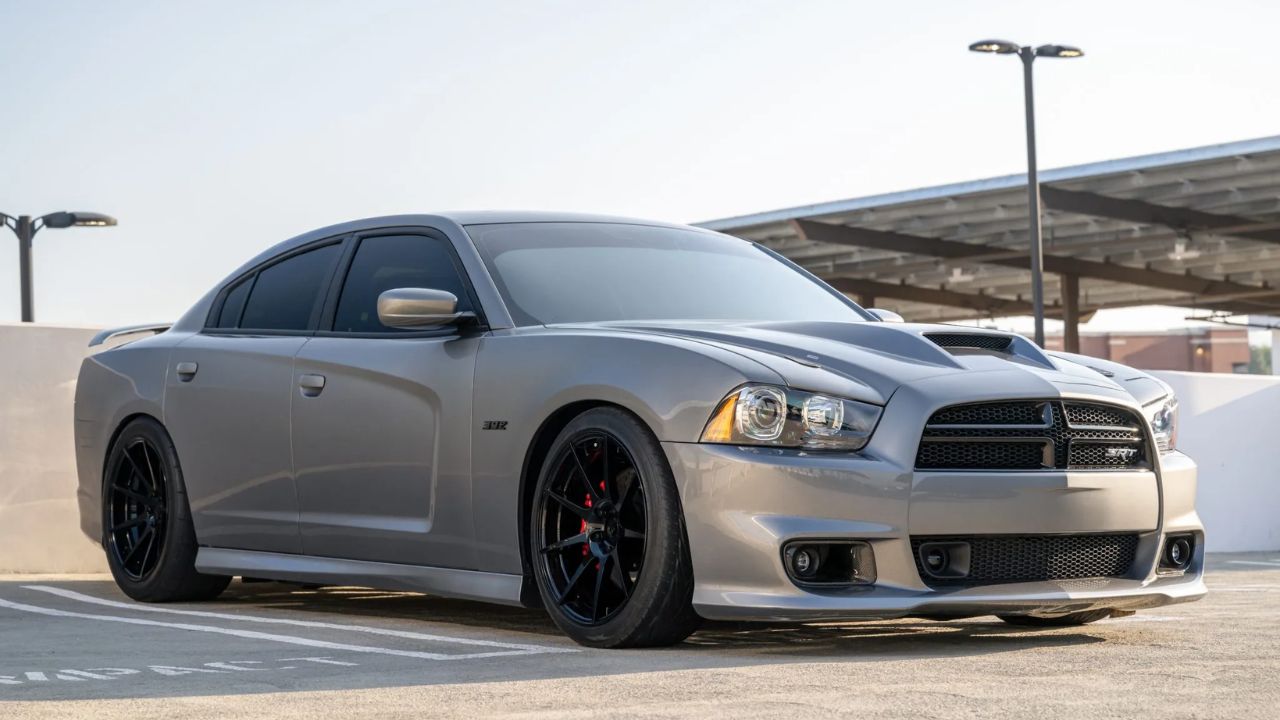
The 2012 refresh brought updated styling, a refined interior, and a bigger 6.4L HEMI with 470 hp. The SRT8 still used rear-wheel drive and a 5-speed automatic, but it now included launch control, adaptive suspension, and improved aerodynamics.
This generation blended old-school muscle with modern tech. The cabin was finally on par with competitors, and the performance made it one of the quickest full-size sedans on the market. It showed Dodge was serious about performance without leaving daily drivability behind.
2015 Dodge Charger Hellcat – 707 Horsepower Sedan
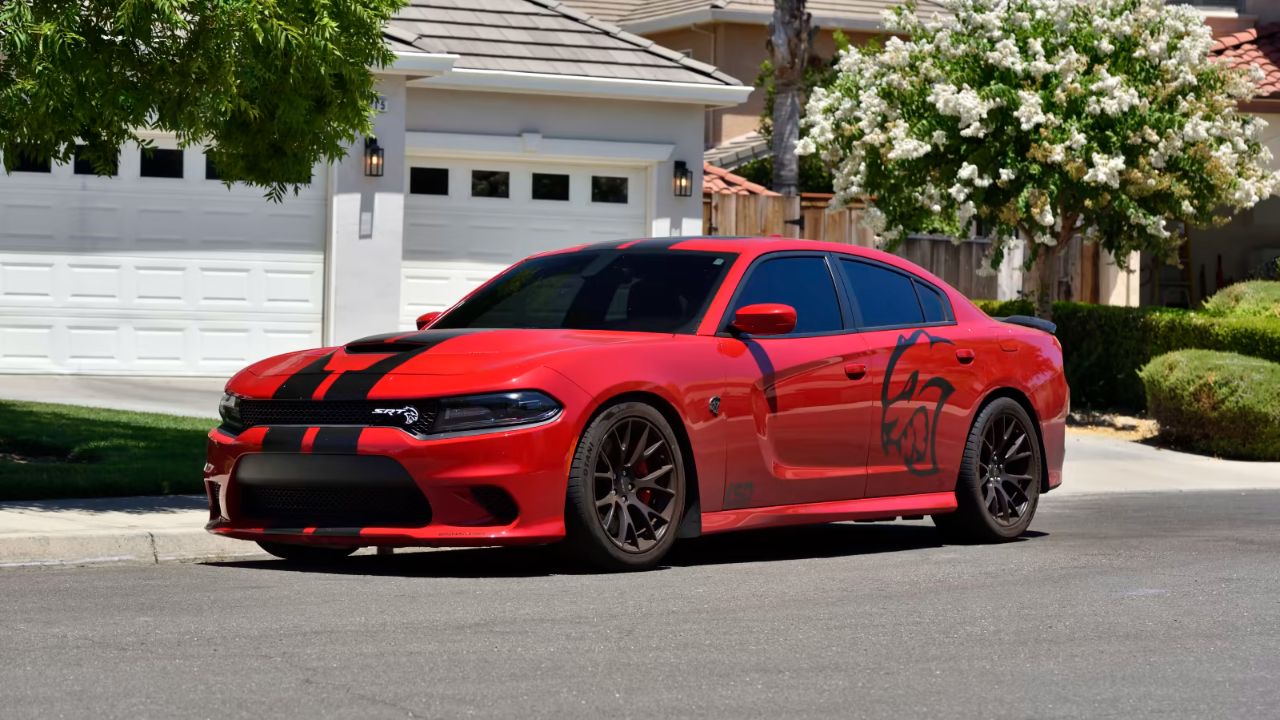
The Hellcat version of the Charger turned everything up to 11. With a 6.2L supercharged HEMI V8 making 707 hp and 650 lb-ft of torque, it became the most powerful production sedan in the world. It ran the quarter mile in 11 seconds flat—on stock tires.
It came with big Brembos, adaptive suspension, and a valet mode to keep things civilized. Starting at just over $60K, it offered insane value for the horsepower. The Charger Hellcat redefined what a muscle sedan could be—and reminded everyone Dodge still knew how to stir things up.
2023 Dodge Charger King Daytona – The Sendoff
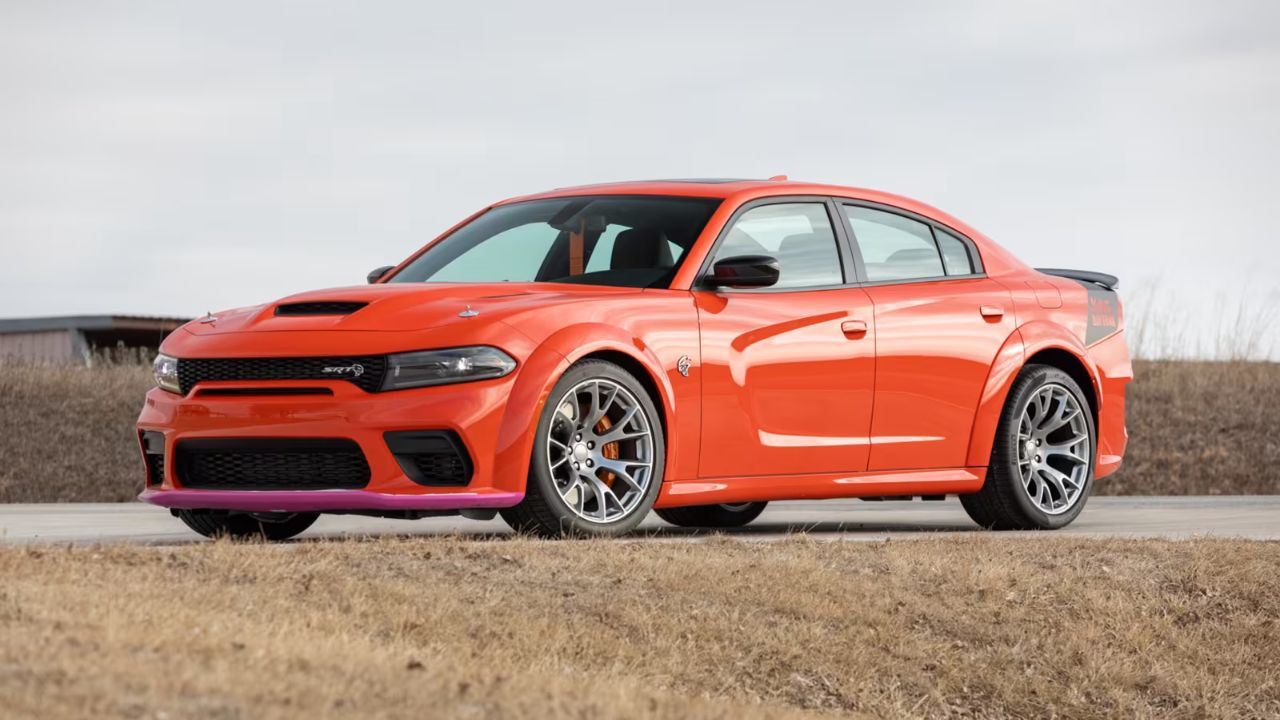
As Dodge winds down internal combustion Charger production, they’ve released limited-edition “Last Call” models. The King Daytona is one of them—a widebody Hellcat Redeye with 807 hp, named in tribute to drag racing legend Willie “Big Willie” Robinson’s original ‘60s Daytona.
Only 300 were built, all in Go Mango orange with black graphics and orange stitching. It’s packed with every performance option Dodge could throw at it. The King Daytona marks the end of an era—not just for the Charger, but for high-horsepower street cars as we know them.
Like what you read? Here’s more by us:
*Created with AI assistance and editor review.