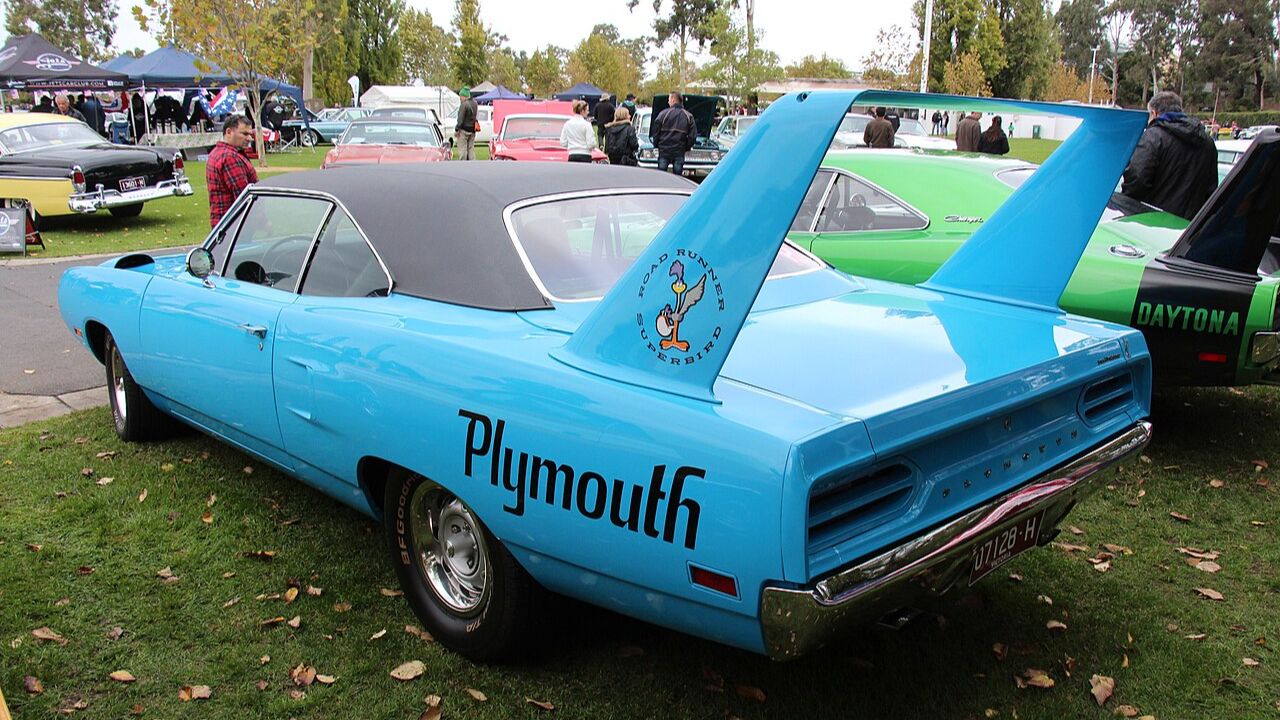
The 1970 Plymouth Superbird is often remembered for its striking design, particularly its iconic giant rear wing. However, the story behind its creation is as fascinating as the car itself, entwined with the evolution of NASCAR, aerodynamic innovation, and corporate strategy.
The Birth of the Superbird Concept
Plymouth’s ambition to make a mark in NASCAR during the late 1960s and early 1970s was driven by the need to compete with American muscle car giants like Ford and Chevrolet. The Chrysler Corporation recognized the growing popularity of stock car racing and saw an opportunity to boost its brand image by developing high-performance vehicles that would dominate the racetrack. The Plymouth Road Runner, already a well-regarded muscle car, became the foundation for this new racing machine.
As the need for speed and performance escalated, the Superbird was introduced as a derivative of the Road Runner. The car was designed to meet the homologation requirements imposed by NASCAR, which mandated that manufacturers produce a certain number of street versions of their racing vehicles. This corporate strategy not only aimed to satisfy racing regulations but also to capture the attention of car enthusiasts and potential buyers who craved performance on the road.
Aerodynamics and Engineering Innovations
The design of the Superbird’s rear wing was not merely for show; it was a calculated move to enhance the car’s aerodynamics. Engineers understood that high speeds required careful attention to airflow, and the massive wing was intended to increase downforce, thereby improving stability at high velocities. The engineering team, including notable figures such as Gary Romberg, employed advanced aerodynamic principles to create a vehicle that could cut through the air with minimal resistance.
Collaboration between engineers and automotive designers was crucial in the Superbird’s development. They experimented with various designs and wind tunnel testing, refining the wing’s shape to achieve the perfect balance between speed and control. These innovations were not just limited to the wing; the entire vehicle was engineered with performance in mind, ensuring that it could handle the rigors of NASCAR racing while still appealing to everyday drivers.
The NASCAR Connection
In the context of NASCAR racing in the early 1970s, the Superbird stood out as a revolutionary vehicle. It was not only powerful but also visually striking, making it a favorite among fans and drivers alike. The car’s introduction coincided with a period when NASCAR was rapidly evolving, necessitating vehicles that could withstand the competition’s increasing intensity. The Superbird quickly became a formidable contender on the tracks, driven by some of the sport’s most talented racers.
The impact of homologation rules cannot be overstated. To qualify for NASCAR races, Plymouth needed to produce a specific number of street-legal Superbirds, which resulted in the creation of approximately 1,900 units. This production strategy ensured that the Superbird could compete at a professional level while also allowing the average consumer the chance to own a piece of racing history. Various NASCAR teams utilized the Superbird, with some notably achieving significant success during the 1970 season.
Public Reception and Controversy
Upon its release, the Superbird elicited mixed reactions from the automotive public and racing fans. While many admired its bold design and performance capabilities, others viewed the car with skepticism. The enormous rear wing, although functional, was seen by some as an aesthetic oddity that drew criticism from traditionalists. The controversy surrounding the Superbird’s design was amplified by its perceived unfair advantage on the racetrack, leading to debates about the legitimacy of its success.
This public perception had a substantial impact on the Superbird’s sales and legacy. Despite its impressive specifications and racing pedigree, the car did not achieve the commercial success Plymouth had hoped for. The combination of its unconventional looks and the divisive opinions about its racing prowess contributed to a lack of widespread acceptance among consumers. Nevertheless, the Superbird ultimately carved out a niche in automotive history, becoming a symbol of the muscle car era.
Design Choices: The Wing and Beyond
The design elements of the Superbird, particularly its iconic rear wing, deserve a closer examination. The wing, standing at an impressive height, not only served a functional purpose but also became a defining characteristic of the vehicle’s overall aesthetic. This bold design choice set the Superbird apart from its contemporaries, which often featured more subdued styling. In comparison, cars like the Chevrolet Camaro and Ford Mustang of the same era relied on sleek lines and subtle accents to convey performance.
Balancing form and function was a crucial aspect of the design process. While the wing was integral to enhancing performance, it also needed to appeal to consumers’ tastes. The Superbird’s design team successfully married these two elements, creating a car that was not only capable on the racetrack but also visually striking on the road. The unique design choices made during the development of the Superbird would influence future automotive designs, as manufacturers began to prioritize aerodynamics in their vehicles.
The Superbird in Popular Culture
The Plymouth Superbird’s influence extends beyond the racetrack and into popular culture. It has been portrayed in various films, television shows, and media, solidifying its status as an icon of the muscle car era. One notable appearance was in the 1974 film “Dirty Mary, Crazy Larry,” where the Superbird became synonymous with rebellious freedom and high-speed chases. Such portrayals have helped the Superbird maintain its status in the collective memory of car enthusiasts.
Beyond film, the Superbird has inspired a vibrant community of fans and car shows dedicated to celebrating this unique vehicle. Enthusiasts share their passion for the Superbird through online forums, social media, and events. These communities not only honor the car’s legacy but also keep its history alive for future generations, ensuring that the Superbird remains a cherished part of automotive culture.
Legacy of the Plymouth Superbird
The long-term impact of the Superbird on automotive design and performance is significant. Its introduction marked a turning point in how manufacturers approached vehicle aerodynamics and performance features. The lessons learned from the Superbird’s design and engineering have influenced generations of performance vehicles, shaping the way modern cars balance aesthetics with functionality.
Today, the Superbird enjoys a prominent status in collector circles and at car auctions. Its rarity and unique history contribute to its desirability among collectors, often fetching impressive prices. As interest in classic cars continues to grow, the Superbird’s legacy endures, serving as a reminder of an era defined by innovation and competition in the automotive industry.
More from Fast Lane Only