During the 1980s, digital dashboards seemed destined to replace traditional analog gauges in automobiles around the world. Bright electronic displays, glowing numbers, and futuristic graphics gave many cars the appearance of science-fiction machines. Although the technology generated enormous excitement and appeared in numerous production models, its popularity faded surprisingly quickly before making an unexpected return decades later.
Automakers Wanted Cars to Look Like the Future
The 1980s were defined by rapid advances in consumer electronics. Digital watches, personal computers, calculators, and home entertainment systems were becoming common, and automakers wanted their vehicles to reflect this technological progress.
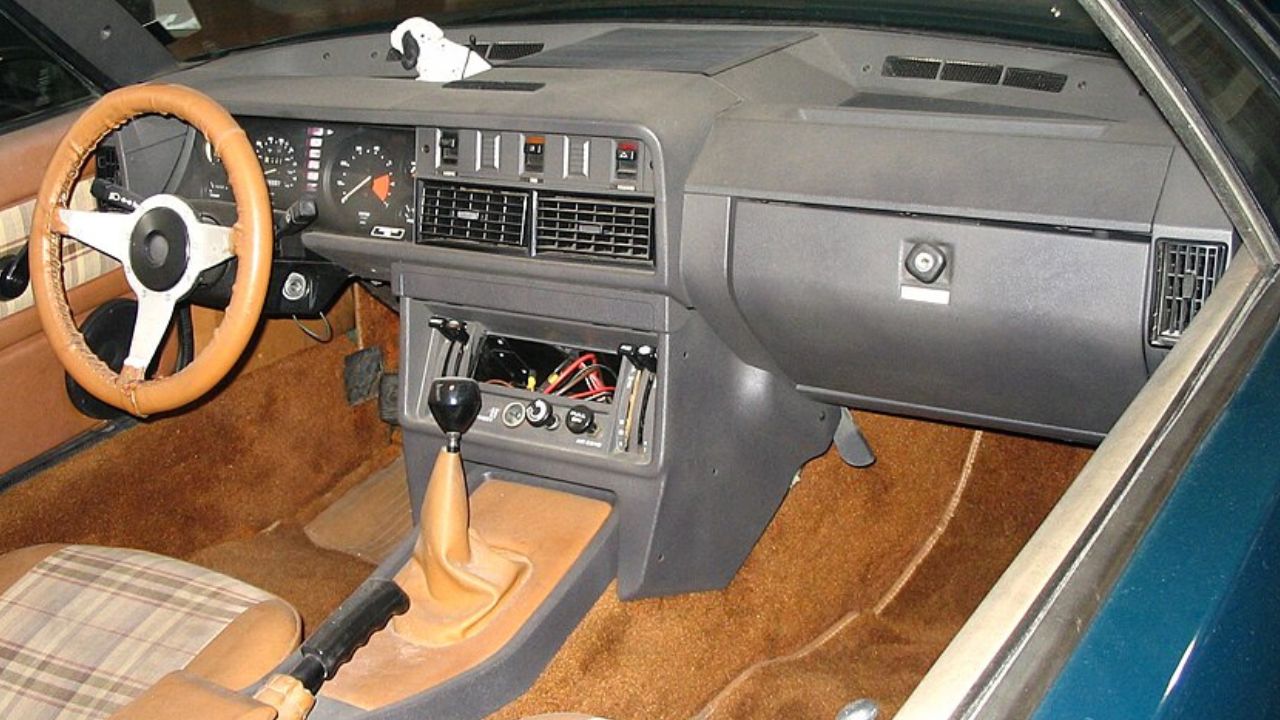
Manufacturers introduced instrument panels that replaced conventional speedometers and gauges with vacuum fluorescent or liquid crystal displays. Instead of watching a needle sweep across a dial, drivers saw glowing numbers showing speed, fuel level, engine information, and other vehicle data.
Luxury brands and performance models often promoted digital dashboards as premium features that demonstrated engineering sophistication. Buyers associated the displays with innovation, helping manufacturers create interiors that looked unlike anything from previous decades.
At the time, many believed analog gauges would soon become obsolete.
The Technology Impressed but Had Limitations
Digital dashboards certainly attracted attention, especially during nighttime driving when their bright displays illuminated the cabin with a futuristic glow. They also offered highly accurate numerical readings that some drivers appreciated.
However, many motorists discovered that digital displays could be more difficult to read at a quick glance. A traditional speedometer needle allowed drivers to estimate speed almost instantly through its position, while digital numbers required more direct visual attention.
Early electronic displays also varied in brightness depending on lighting conditions, and some systems proved difficult to read in strong sunlight. As the vehicles aged, failing display segments, dim backlighting, and electronic malfunctions became increasingly common, leading to costly repairs.
These practical drawbacks gradually reduced enthusiasm for the once-exciting feature.
Changing Priorities Shifted Dashboard Design
By the early 1990s, manufacturers began emphasizing ergonomics and driver-focused design rather than futuristic styling alone. Research increasingly showed that analog gauges allowed drivers to process information more quickly, especially during high-speed driving.
At the same time, automakers faced pressure to reduce production costs while improving reliability. Conventional instrument clusters remained less expensive to manufacture and generally required fewer specialized electronic components.
Rather than abandoning digital technology altogether, manufacturers combined the strengths of both approaches. Analog gauges returned to prominence, while small digital displays provided supplemental information such as trip computers, fuel economy, and warning messages.
This balanced solution proved more practical for everyday driving.
Modern Displays Revived the Original Vision
Although fully digital dashboards largely disappeared after the 1980s, advances in display technology eventually brought the concept back. High-resolution LCD, OLED, and configurable digital instrument clusters now offer clarity, reliability, and flexibility that early electronic dashboards could not achieve.
Modern systems allow drivers to customize layouts, navigation maps, performance data, and vehicle information while maintaining excellent visibility in nearly all lighting conditions. Powerful processors also ensure smooth graphics and rapid response that were impossible with 1980s electronics.
Today’s luxury and performance vehicles frequently feature fully digital instrument panels, but they often include graphics that mimic traditional analog gauges because drivers still appreciate their intuitive design.
Looking back, the strange rise and fall of digital dashboards in the 1980s was not the story of a failed idea but of a technology introduced before it had fully matured. Once limited by early electronics and display technology, the concept has returned stronger than ever, proving that the future sometimes arrives in more than one generation.
More from Fast Lane Only
- Unboxing the WWII Jeep in a Crate
- 15 rare Chevys collectors are quietly buying
- 10 underrated V8s still worth hunting down
- Police notice this before you even roll window down
*Research for this article included AI assistance, with all final content reviewed by human editors