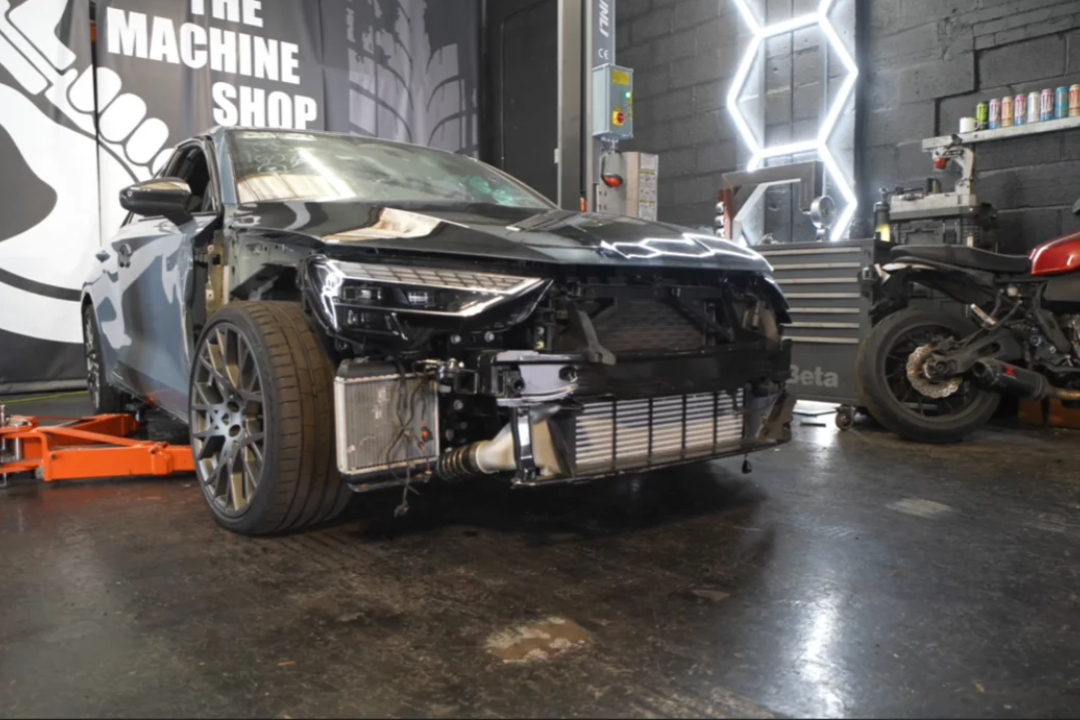
The intersection of weight and speed has long been a topic of debate in various fields, from physics to athletics. As we delve into the world of automotive engineering, we come across a classic platform that challenges the conventional belief that lighter is always faster, showcasing examples where weight does not limit real-world speed.
Understanding the Weight-Speed Dichotomy
In the realm of physics, the relationship between weight and speed can often be defined through the lens of basic principles such as inertia and momentum. The general assumption is that a lighter object will accelerate faster than a heavier one; however, this notion oversimplifies the complexities of real-world performance. Factors such as aerodynamics, power-to-weight ratios, and vehicle design play significant roles in determining speed. For instance, the iconic Ford Mustang has showcased that a well-engineered chassis can allow for heavier weights while still achieving impressive speeds.
Historically, performance in various domains, including racing and aircraft design, has often favored lighter materials, but there are notable exceptions where heavier designs have outperformed their lighter counterparts. For example, some of the most potent muscle cars from the 1970s, like the Chevrolet Chevelle SS, demonstrated that raw horsepower could compensate for weight, challenging the traditional belief that lighter always equates to faster.
Case Studies: Classic Platforms in Action
When we analyze classic racing platforms, several noteworthy examples spring to mind. The Porsche 911 Turbo, for instance, is renowned for its heavier weight compared to similar sports cars, yet it has consistently set benchmarks in speed and handling. This is largely due to its turbocharged engine and advanced aerodynamics, which allow it to outperform lighter models in many scenarios. The 911 Turbo’s ability to deliver power efficiently means it can accelerate rapidly, showcasing that weight can be mitigated through intelligent design.
Another example is the Chevrolet Corvette, particularly the C7 model, which, while not the lightest sports car on the market, is engineered for exceptional performance. With its mid-engine layout and advanced materials, the Corvette achieves a remarkable balance between weight and speed. The performance metrics of these heavyweight models often surprise enthusiasts who assume that lighter vehicles will inherently outperform them.
The Role of Materials in Speed Performance
Advancements in materials science have revolutionized automotive design, challenging traditional weight limitations. The introduction of lightweight materials such as carbon fiber and aluminum has allowed manufacturers to create vehicles that are both light and sturdy. For instance, the McLaren P1 uses a carbon fiber monocoque chassis, which provides a high strength-to-weight ratio. This means that while the car is not the lightest on the road, its design allows it to achieve extraordinary speeds due to both structural integrity and weight distribution.
Moreover, the significance of these materials extends beyond mere weight reduction. The choice of materials can significantly alter speed dynamics, irrespective of the vehicle’s overall heft. When manufacturers focus on reducing weight through innovative materials while maintaining strength, they can enhance acceleration and handling. The use of carbon fiber not only helps in reducing weight but also improves aerodynamics, allowing cars like the Lamborghini Aventador to slice through the air with minimal drag.
Engineering Innovations that Defy Expectations
The evolution of engineering techniques in the automotive industry has led to remarkable innovations that enhance performance, even if they don’t necessarily focus on reducing weight. Take the example of active aerodynamics, which some manufacturers have integrated into their designs. The Ferrari 488 GTB features adjustable aerodynamic elements that optimize airflow, helping the vehicle maintain stability and speed regardless of its weight. This approach challenges the conventional wisdom that lighter cars are always faster.
Additionally, the integration of technology has changed how we interpret speed. With the rise of advanced computer simulations and dynamic testing, engineers can now better understand how a vehicle’s weight interacts with various performance metrics. This has led to designs that prioritize aerodynamics and engine efficiency over sheer weight reduction, allowing even heavier cars to perform exceptionally well on the track. The Tesla Model S, for instance, utilizes an electric powertrain that delivers instant torque, allowing it to accelerate rapidly despite its heavier battery pack.
Real-World Applications: From Sports to Aerospace
In various fields, weight isn’t always the primary factor influencing speed. In motorsports, for example, many teams are now employing hybrid technologies in their race cars. The combination of a traditional internal combustion engine with an electric motor allows for a power boost that can propel heavier vehicles to remarkable speeds, as seen with the Toyota TS050 Hybrid in endurance racing.
Aerospace technologies also prioritize structural integrity alongside speed, illustrating that weight can sometimes take a backseat. Aircraft like the Boeing 787 Dreamliner, which uses advanced composite materials, manage to balance weight and efficiency effectively, achieving better fuel economy and speed without compromising safety or performance. This trend may influence future designs in high-speed vehicles and machinery across various industries.
More from Fast Lane Only