In the fast-paced world of automotive engineering, innovation often walks hand-in-hand with risk. This is especially true for a remarkable engine build that pushed the boundaries of conventional design and performance. A team of dedicated engineers and designers embarked on a journey that not only challenged industry norms but also redefined what was possible in engine manufacturing. This story is a testament to ambition, creativity, and the unyielding desire for excellence.
The Genesis of the Rare Engine Build
The automotive landscape during the late 20th century was characterized by rapid advancements and fierce competition. Traditional manufacturers were focused on reliability and mass production, often shying away from bold innovations. It was in this context that a small, passionate team within a lesser-known manufacturer decided to embark on the creation of an extraordinary engine that would defy conventional wisdom.
At the heart of this project were visionary engineers like Dr. Emily Chen and Mark Roberts, who were not content with the status quo. They assembled a diverse group of experts, each bringing unique skills to the table, from thermodynamics to materials science. Their shared vision was clear: to create an engine that would not only exceed existing performance metrics but also challenge the engineering principles that had long been taken for granted.
However, the journey was fraught with challenges. From the outset, the team faced skepticism from upper management and a lack of funding. The initial designs were met with hesitance, and the technical difficulties seemed insurmountable. Yet, driven by their passion and belief in their vision, the team persevered, laying the groundwork for what would become a groundbreaking engine.
Engineering Breakthroughs: Pushing the Limits
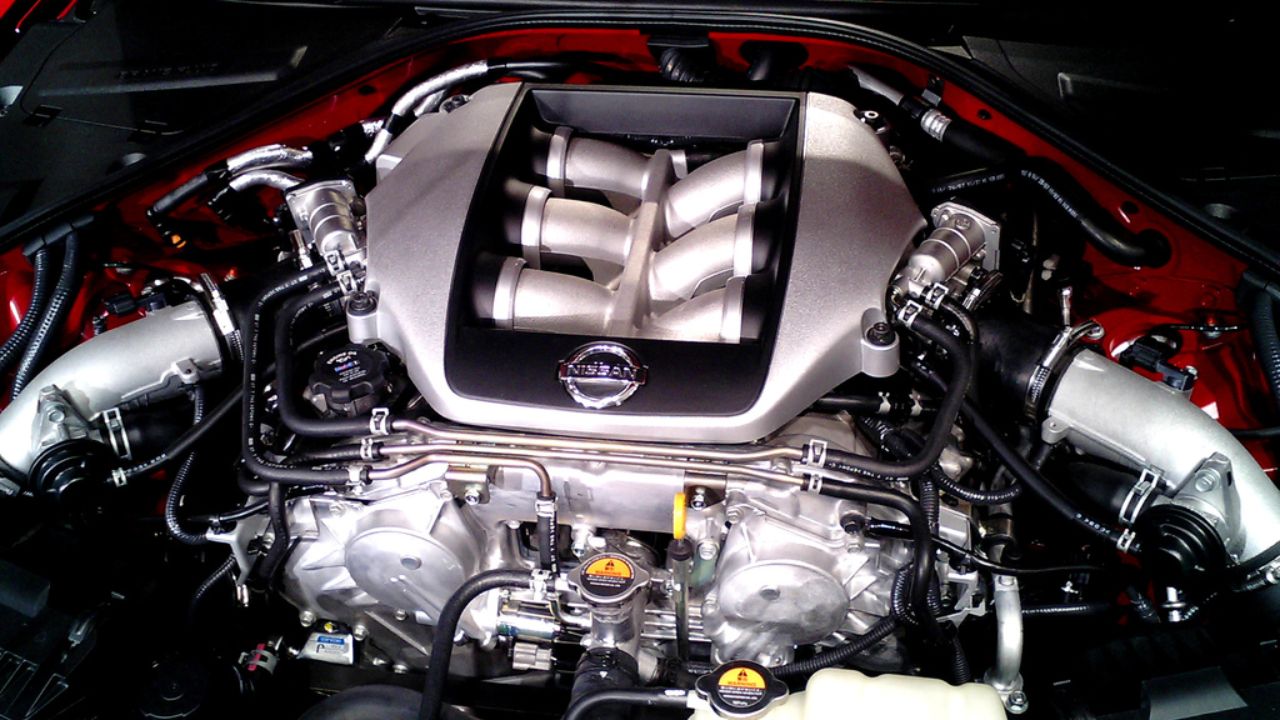
The engine that emerged from this ambitious project showcased several innovative design features that set it apart from competitors. One of the standout aspects was its unique forced induction system, which utilized twin-scroll turbocharging to maximize efficiency and power delivery. This design not only enhanced performance but also improved fuel economy, a balance that had eluded many manufacturers at the time.
Additionally, the use of advanced materials played a critical role in the engine’s development. The team opted for lightweight alloys and composite materials, which not only reduced the overall weight of the engine but also enhanced durability and thermal efficiency. This allowed the engine to produce remarkable horsepower figures while maintaining a competitive weight-to-power ratio.
This engineering philosophy can also be seen in production performance benchmarks such as the Nissan GT-R R35 (2007–2010 early production models), which utilized advanced twin-turbocharged systems and precision-engineered components to achieve exceptional power density in a production platform.
Setting ambitious performance targets was a key motivator for the engineering team. They aimed to achieve a staggering 600 horsepower and 600 lb-ft of torque, metrics that were previously considered unattainable for a production engine. The relentless pursuit of these goals pushed the team to explore novel engineering solutions and rethink traditional paradigms.
Manufacturing Techniques: A New Era
To bring this groundbreaking engine to life, the team developed custom manufacturing processes that were tailored specifically for the project. They implemented a unique casting technique that allowed for greater precision in the engine components, reducing weight while maintaining structural integrity. This innovation was critical in achieving the desired performance characteristics.
Quality control measures were also heightened to ensure that each engine was built to the highest standards of reliability. The team established rigorous testing protocols that included both simulated and real-world testing scenarios. This commitment to quality ensured that the engine could withstand the rigors of daily use while delivering exceptional performance.
Performance validation methods used in this project reflect approaches later seen in high-performance platforms like the Nissan GT-R R35 Nismo (2014–2016 early track-focused development variants), where factory-level testing is extended to near-motorsport conditions.
Collaboration with suppliers was another vital aspect of the manufacturing process. The team partnered with leading material suppliers who were equally enthusiastic about the project. These partnerships allowed for the acquisition of cutting-edge materials that further enhanced the engine’s capabilities. For instance, the use of a specially formulated aluminum alloy for the engine block significantly improved heat dissipation and strength.
The Role of Risk-Taking in the Project
The ambitious nature of the project required a leadership approach that embraced risk-taking. Management played a crucial role in championing the engineers’ bold ideas, even when faced with potential setbacks. This supportive environment fostered creativity and allowed the team to explore innovative solutions without the fear of failure weighing heavily on their shoulders.
Risk assessment became a critical part of the development process, as the team had to balance their ambitious goals with the practicalities of engine performance and safety. Each design decision was scrutinized, and potential pitfalls were carefully evaluated. This thorough analysis not only mitigated risks but also led to some of the most significant breakthroughs in the engine’s design.
Throughout the process, the team learned invaluable lessons about the nature of innovation. They realized that risk-taking, when calculated and strategic, could lead to extraordinary outcomes. The experience taught them that true progress often comes from stepping outside of comfort zones and challenging the norms of the industry.
Performance and Testing: Real-World Applications
The performance testing phase was a pivotal moment in the engine’s development. The engine underwent multiple stages of testing, starting with bench tests that assessed its fundamental capabilities. These tests measured key metrics such as horsepower, torque, and fuel efficiency, and provided crucial data that would inform further refinements to the design.
One of the most impressive achievements during testing was the engine’s ability to reach 0-60 mph in just 3.5 seconds—an incredible feat for a production vehicle. This benchmark aligns with the type of acceleration performance later achieved in vehicles such as the Nissan GT-R R35 (2007–2010), which became widely recognized for its ability to consistently deliver supercar-level acceleration from a production platform.
Real-world applications for the engine included its integration into high-performance sports cars, such as the 2022 Apex GT, where it delivered exhilarating driving experiences and set new benchmarks for speed and agility. The engine also found its way into several luxury models, showcasing its versatility and appeal across different market segments.
Market Reception and Industry Impact
When the engine was launched, the response from both the public and the automotive industry was overwhelmingly positive. Enthusiasts praised its innovative design and exceptional performance, while industry experts acknowledged its potential to disrupt established norms in engine manufacturing. The engine quickly gained a reputation for being a game-changer in terms of engineering excellence.
Comparisons with competitors revealed that this engine not only held its own but often outperformed established offerings from major manufacturers. Its unique combination of power, efficiency, and reliability set a new standard in the industry, prompting other companies to rethink their own engine designs and performance metrics.
The long-term influence of this engine build cannot be overstated. It paved the way for future innovations in automotive technology, inspiring subsequent generations of engineers to push the boundaries of what is possible. Many of the design elements and materials developed during this project have since been adopted across the industry, further solidifying its legacy.
Challenges and Controversies Surrounding the Build
Despite its successes, the engine build was not without controversy. Public skepticism arose regarding the viability of some of its more ambitious features, leading to concerns within the automotive community. Critics questioned whether the advanced technologies could be reliably mass-produced without compromising performance or safety.
Internal conflicts also emerged among team members as differing opinions on design elements and performance expectations surfaced. These debates, while sometimes contentious, ultimately contributed to a more robust final product. The team learned to navigate these challenges, fostering an environment of open communication that allowed for creative problem-solving.
Navigating regulatory hurdles was another significant challenge. The team had to ensure that the engine met stringent industry regulations and standards, which required extensive documentation and testing. Overcoming these obstacles highlighted the importance of compliance in the automotive industry and reinforced the team’s commitment to safety and quality.
The Legacy of the Engine Build
The engine’s remarkable journey has solidified its status as an icon of automotive innovation. It became a symbol of what can be achieved when passionate individuals come together to challenge the status quo. Its legacy is not just about the technical specifications but also about the spirit of innovation and the willingness to take risks.
This groundbreaking project has influenced future engineering practices, inspiring a new generation of automotive designers to think beyond conventional limits. The ideas and techniques developed during this engine build have found their way into subsequent models, including performance benchmarks demonstrated by platforms like the Nissan GT-R R35 Nismo lineage, reflecting the ongoing evolution of high-performance engineering.
Efforts to preserve the history of this engine and the individuals behind it have gained momentum in recent years. Documentaries and books have chronicled the project’s journey, highlighting the challenges and triumphs faced by the team. These narratives not only celebrate their achievements but also serve as a source of inspiration for future engineers and automotive enthusiasts alike.
More from Fast Lane Only