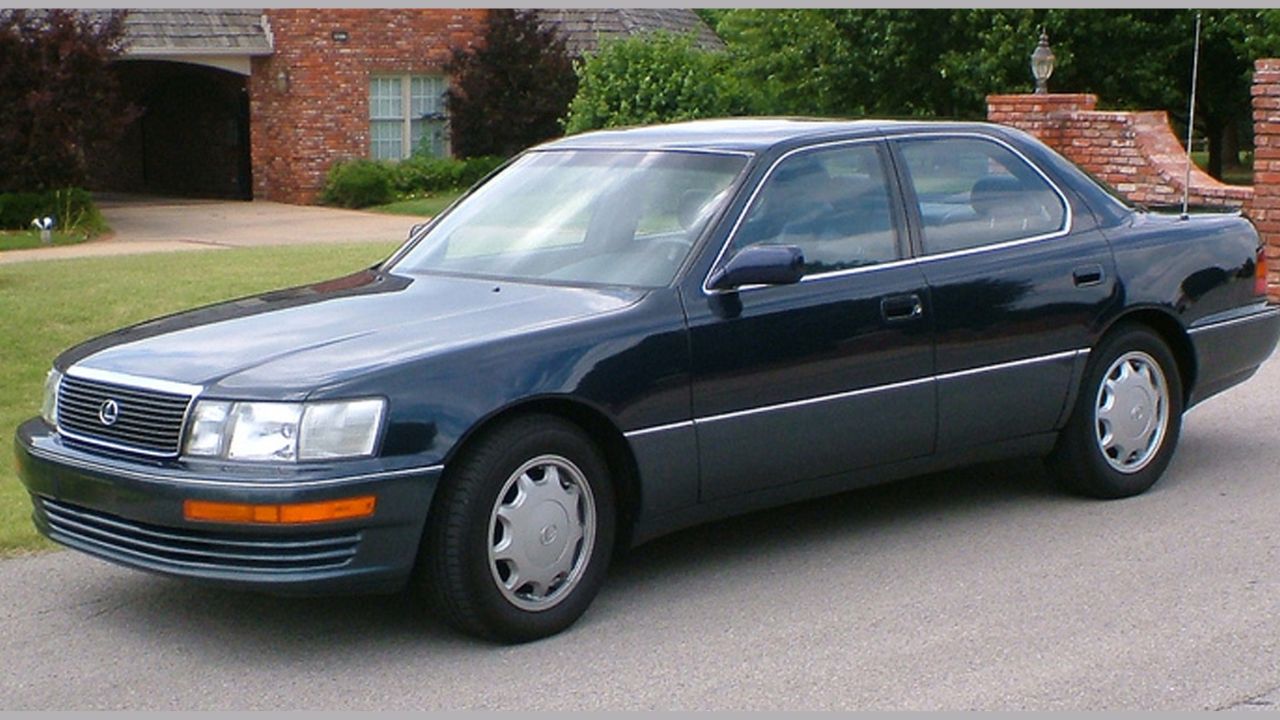
It’s easy to assume the newest car on the lot will automatically feel best on the road. More screens, more drive modes, more sensors, more everything. But after a week of everyday errands, freeway runs, rough side streets, and a couple of rain-soaked commutes, one classic vehicle quietly made the newer competition feel a little… overcomplicated.
The surprise wasn’t that the classic could keep up in a straight line. It was how calmly it dealt with real-world driving—the stuff most of us actually do—without needing a menu, a setting, or a software update to feel settled. And yes, it also did it while making the whole experience feel more human.
The real-world test: potholes, traffic, weather, and bad roads
The route wasn’t glamorous: patched asphalt, expansion joints, rutted lanes, and that one intersection that looks like it was repaired with a shovel and optimism. The kind of driving where you’re constantly braking lightly, changing lanes, and reacting to everyone else’s last-second decisions. It’s also where a lot of newer cars reveal their quirks.
Some modern competitors felt nervous over broken pavement, as if the suspension was tuned for a smooth proving ground instead of a city that’s been through a few winters. Others were quiet but oddly busy—little steering corrections, sudden brake grabs from driver-assist systems, and that vague sense that the car was “thinking” about what you asked it to do. The classic just tracked straight and got on with it.
Why the classic felt better: steering you can trust
Steering feel is one of those things that’s hard to explain until you notice it’s missing. In several newer vehicles, the wheel was light and quick, but it didn’t always build confidence on imperfect roads. Tiny inputs sometimes felt like suggestions being filtered through layers of software.
The classic’s steering wasn’t artificially heavy, and it wasn’t trying to impress anyone with razor-sharp response. It simply communicated what the front tires were doing, especially mid-corner on uneven pavement. That steady feedback made everyday driving feel calmer, like you could place the car exactly where you wanted without second-guessing it.
Suspension that’s not chasing “sporty” at the expense of comfort
A lot of newer competitors are tuned to feel sporty during a five-minute test drive. The suspension is firm, the body stays flat, and the first impression is “wow, this feels tight.” Then you live with it for a week and realize tight can also mean jittery, especially over real potholes and rough concrete.
The classic vehicle’s suspension had a different priority: compliance. It absorbed sharp impacts without crashing, and it settled quickly after big bumps instead of bouncing for an extra beat. The ride wasn’t floaty, just forgiving in a way that made rough roads feel smaller.
Power delivery that behaves in traffic
Modern powertrains can be wildly capable, but capability isn’t always the same as drivability. Some turbocharged engines and multi-gear transmissions feel hesitant at low speeds, then suddenly surge when the boost arrives or the gearbox changes its mind. In stop-and-go traffic, that can turn smooth driving into a constant negotiation.
The classic didn’t have the punchy “wait—now go!” personality. Throttle response was predictable, and acceleration built in a clean, linear way that matched what your foot asked for. It meant fewer accidental lurches in parking lots and less mental effort when merging.
Brakes that feel natural instead of overly eager
Here’s a weirdly common modern issue: brakes that feel grabby at low speeds. It’s sometimes a side effect of aggressive brake-assist tuning, regenerative blending, or just calibration aimed at making the car feel responsive. The result can be that awkward head-nod stop when you’re trying to park like a normal person.
The classic’s brake pedal was easy to modulate. It didn’t feel numb, and it didn’t bite too hard at the top of the travel. In traffic, that made smooth stops easier and kept passengers from doing that little involuntary “whoa” lean forward.
Driver-assist tech: helpful until it isn’t
To be fair, modern safety tech can be genuinely great. Blind-spot monitoring, emergency braking, and lane-keeping features have prevented plenty of close calls. But the newer competitors in this comparison sometimes felt like they were trying to co-drive, and not always politely.
Overly sensitive lane-centering tugged at the wheel on narrow roads, and some adaptive cruise systems braked earlier than most human drivers would. That might be “safer” on paper, but it can also make driving feel less smooth and, ironically, less predictable to the people around you. The classic didn’t have those interventions, which meant it also didn’t surprise you.
Visibility and simple ergonomics still matter
One of the classic vehicle’s biggest advantages was something nobody brags about on a spec sheet: you could see out of it. Thinner pillars, a more upright seating position, and straightforward mirrors made lane changes and tight turns feel easy. In newer vehicles, higher beltlines and thicker roof supports sometimes created blind spots that no camera view fully fixes.
Controls were also refreshingly simple. Climate knobs did climate things, and basic functions weren’t buried under layers of touchscreen menus. It’s funny how quickly “old-fashioned” turns into “thank goodness” when it’s raining and you’re trying to defog the windshield without taking your eyes off the road.
Noise, comfort, and the kind of calm you notice later
Not every classic is quieter than a modern car, and this one didn’t pretend to be a library. You could hear the tires, the wind, and the road surface changing under you. But the noise never felt harsh, and there was an overall sense of mechanical honesty rather than constant electronic hush.
Several newer competitors were quieter, yet strangely more tiring to drive. The combination of artificial steering, busy ride motion, and frequent driver-assist corrections added up over time. The classic, by contrast, was the one you’d finish driving and realize your shoulders weren’t tense.
So what does this say about newer cars?
It’s not that newer vehicles are “bad” or that progress is a mistake. Modern cars are safer, more efficient, and packed with features that genuinely help a lot of people. But real-world driving isn’t a brochure, and sometimes the push for headline-grabbing tech and sporty tuning makes the basics less satisfying.
The classic vehicle’s edge came from balance: predictable controls, forgiving suspension, and feedback you can actually use. It didn’t need to feel clever; it just needed to feel right. And on the roads most of us drive every day, it did.
There’s a quiet lesson here for anyone shopping today. The best car for real life isn’t always the one with the newest interface or the most modes. Sometimes it’s the one that makes you forget about the car entirely—because it’s already doing exactly what you hoped it would.
More from Fast Lane Only