In the world of automotive manufacturing, certain rare factory setups can create a performance edge that often goes unnoticed. A prime example of this is the unique configuration found in a car model that, despite its rarity, offered a significant boost to performance. By exploring the intricacies of this setup, we uncover the reasons behind its subtle yet impactful influence on the car’s capabilities and why it was mostly unnoticed at the time.
The Uncommon Factory Setup
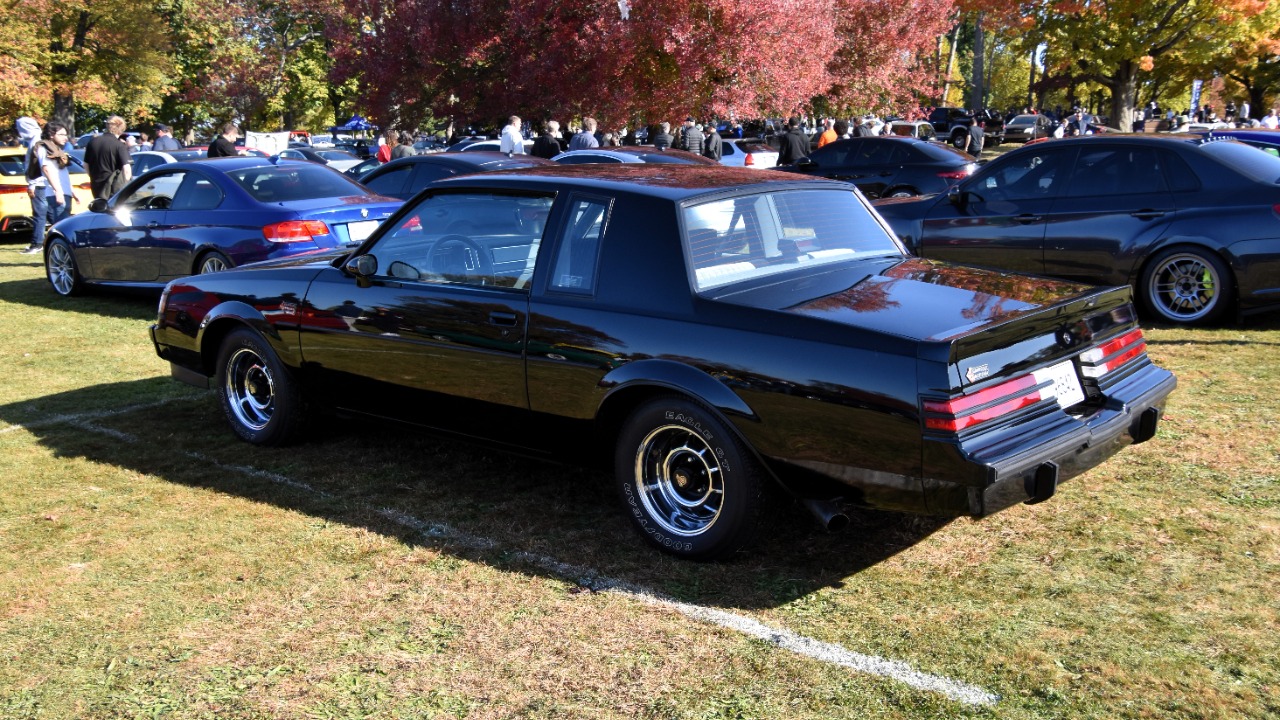
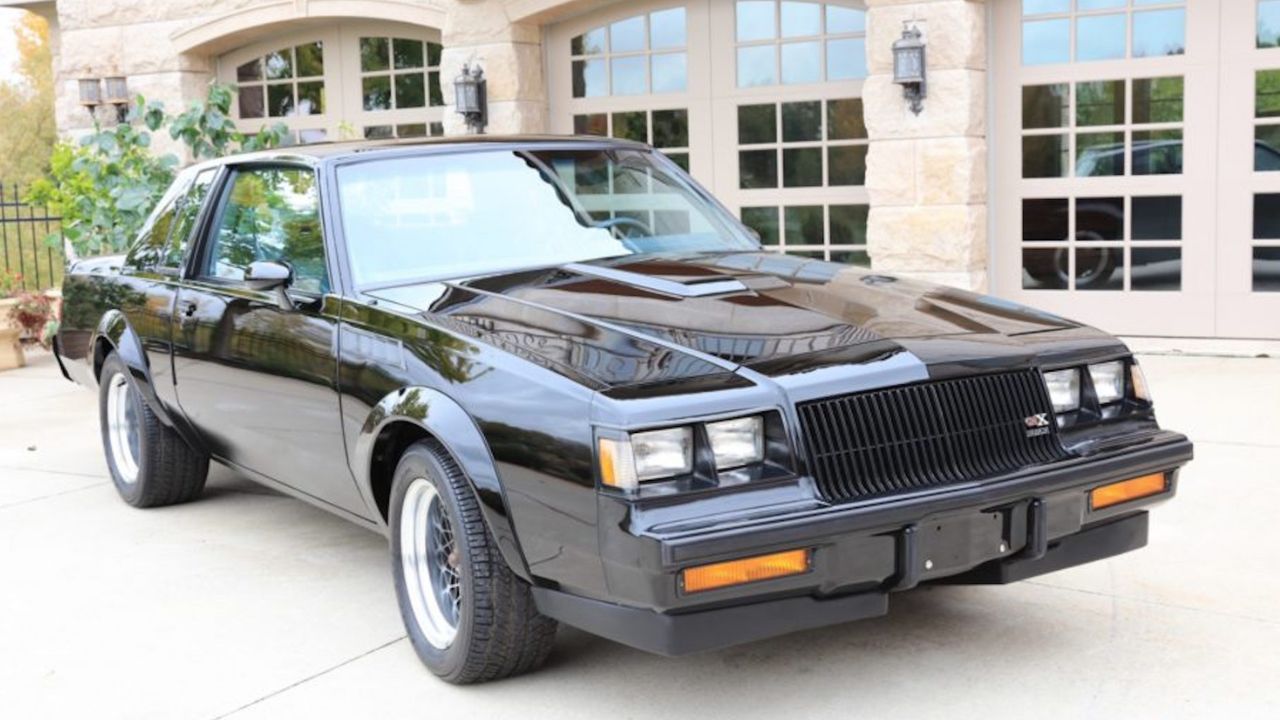
During the late 1980s, automotive innovation was at its peak, with manufacturers experimenting with different assembly line processes to gain a competitive edge. One such standout was the 1987 Buick GNX. This car was a product of a collaboration between Buick and McLaren Performance Technologies, resulting in a unique factory setup that deviated from the norm. The GNX was built in limited numbers, and its assembly process included hand-selected parts and precision tuning that were not typical for mass-produced vehicles at the time.
The assembly line for the GNX was distinct because it incorporated elements typically reserved for high-performance sports cars. The car was equipped with a modified turbocharged V6 engine, special transmission components, and an upgraded suspension system. This combination was meticulously crafted to create a balance between power and drivability. The rare setup also involved additional steps in quality control, ensuring each vehicle met the high standards set by both Buick and McLaren. Despite these enhancements, the setup was not widely adopted, likely due to the high costs and time-intensive nature of the production process.
Performance Benefits Unveiled
One of the most remarkable aspects of the Buick GNX’s uncommon factory setup was its impact on vehicle performance. The turbocharged V6 engine produced an impressive 276 horsepower, which, at the time, placed it among the fastest-accelerating cars available. The GNX could sprint from 0 to 60 mph in just 4.7 seconds, a feat that rivaled many of the sports cars of that era. Its unique suspension setup also provided exceptional handling, allowing the GNX to navigate corners with precision and stability.
When compared to other vehicles of the same period, the GNX’s performance stood out. Vehicles lacking this particular setup often struggled to achieve the same level of speed and agility. For instance, the Ford Mustang GT of the same year, despite being a popular muscle car, couldn’t match the GNX’s acceleration and handling prowess. Insights from engineers involved in the project reveal that the intended benefits of the setup were to bridge the gap between muscle car raw power and sports car finesse, a goal that was successfully achieved but perhaps not fully appreciated by the market at the time.
Market Oversight and Lack of Recognition
Despite its impressive performance capabilities, the Buick GNX faced challenges in gaining recognition when it was first released. The late 1980s automotive market was primarily driven by consumer preferences for practicality and fuel efficiency, which overshadowed the demand for high-performance vehicles. This market condition led to the GNX being overshadowed by more conventional models that prioritized economy over excitement.
The marketing strategies employed during the GNX’s release didn’t fully capitalize on its unique setup. Buick’s promotional efforts focused more on the exclusivity of the car rather than its technological advancements and performance benefits. Industry experts have often pointed out that had the GNX been marketed with an emphasis on its engineering marvels and performance superiority, it might have captured more attention from enthusiasts and the general public alike. Unfortunately, this lack of effective promotion contributed to the car’s initial oversight and underappreciation.
Legacy and Modern Appreciation
In recent years, the Buick GNX has experienced a resurgence in interest from automotive enthusiasts and collectors. The unique factory setup that once went unnoticed is now celebrated for its contribution to the car’s exceptional performance. As more people become aware of the GNX’s history and capabilities, its value in the collector’s market has significantly increased, with well-preserved models fetching prices that reflect their rarity and engineering excellence.
Automotive historians have played a crucial role in bringing attention to the GNX’s overlooked features. Through detailed documentation and storytelling, they’ve highlighted the significance of the car’s factory setup and its impact on performance, sparking renewed interest and appreciation. This newfound recognition has elevated the GNX to a status of reverence among collectors, with its market value continuing to rise as enthusiasts seek to own a piece of automotive history that was ahead of its time.
Lessons for Future Automotive Innovations
Looking at the legacy of the Buick GNX’s rare factory setup, modern manufacturers can draw several valuable lessons. One key takeaway is the importance of innovation and the willingness to take risks in automotive design and engineering. While the GNX may not have been fully appreciated at its inception, its performance capabilities and unique setup have proven to be influential in shaping the future of high-performance vehicles.
Educating consumers about the unique features and benefits of a vehicle is also crucial. Manufacturers today can learn from the GNX’s initial lack of recognition by ensuring that their marketing strategies effectively communicate the advantages of their innovative setups. By doing so, they can foster a deeper connection with consumers who are increasingly interested in the technological advancements that enhance their driving experience.
As the automotive industry continues to evolve, there’s potential for similar rare setups to be utilized or adapted in future car models. The growing interest in electric and hybrid vehicles, for instance, presents opportunities for manufacturers to experiment with unconventional assembly processes that prioritize performance and efficiency. By embracing the spirit of innovation exemplified by the GNX, the industry can continue to push the boundaries of what’s possible in automotive design and performance.
More from Fast Lane Only