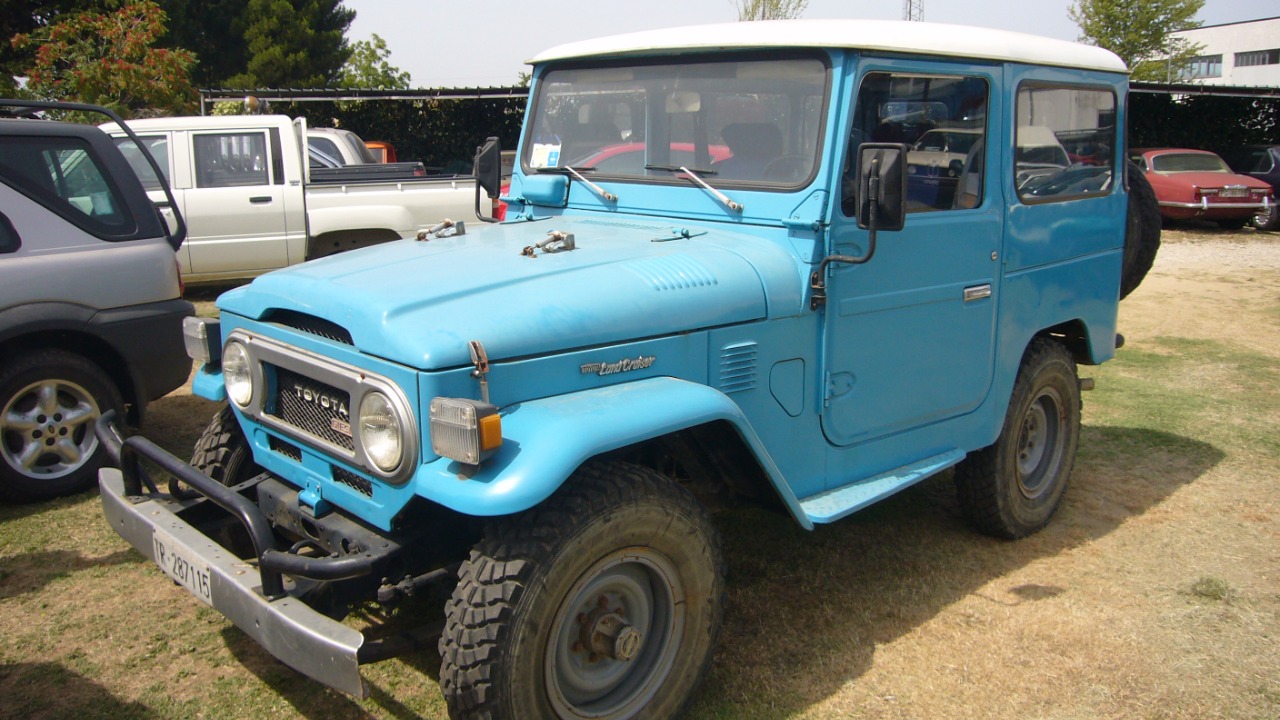
Every car has that one story floating around it, the kind that sounds exaggerated until you see the odometer and the receipts (or lack of them). This one centers on an old Toyota Land Cruiser—specifically the sort built when trucks were still proud to be trucks. The surprising part isn’t that it survived a hard life. It’s that it kept showing up, starting up, and driving off even when basic maintenance got treated like an optional subscription.
It’s not a fairy tale about neglect being “fine,” because it isn’t. It’s more like a reminder that some machines were engineered with so much margin for error that they can tolerate years of “I’ll do it next weekend” energy. And few classics have earned that reputation more than the Land Cruiser, the brick-shaped, slow-but-steady icon that’s quietly been hauling people through the world’s worst roads for decades.
The vehicle that shrugged off missed oil changes
The Land Cruiser’s reliability legend isn’t built on perfect ownership habits. It’s built on the opposite: stories of dusty farm duty, long idles, overloaded cargo, and oil changes that happened whenever someone remembered where the drain plug was. Somehow, these rigs often kept running with a kind of stubborn dignity, like they were mildly disappointed but not surprised.
A big part of that comes down to how Toyota approached the platform. Instead of squeezing every last ounce of performance, the engineers leaned into durability: understressed engines, conservative tuning, and components designed to last in places where a tow truck is basically a myth. When maintenance slipped, there was still enough “extra” built into the drivetrain to keep it from immediately falling apart.
Why the engine didn’t act fragile
Classic Land Cruisers came with a range of engines depending on market and era, but the common theme was simple: low-stress, long-life design. Many of these powerplants weren’t chasing high horsepower numbers; they were chasing “will it still run when it’s 115°F and loaded to the roof?” That means thicker castings, robust internals, and cooling systems that were designed for punishment, not pampering.
Even the way these engines deliver power helps. A lot of torque down low means less frantic revving, which can reduce wear when everything isn’t perfectly maintained. It’s not magic—dirty oil is still dirty oil—but a relaxed engine tends to survive longer than one that’s constantly being wrung out to keep up.
The drivetrain was built like it expected trouble
Land Cruisers earned their keep with drivetrains that felt almost overbuilt for the job on paper. Solid axles, stout transfer cases, and conservative gearing weren’t there to impress anyone at a stoplight. They were there so the vehicle could crawl, climb, and pull without turning every trip into a mechanical gamble.
That toughness can mask neglect for a while. When u-joints go ungreased or fluids get old, a heavy-duty setup might keep functioning longer than a lighter-duty one would. The downside is that when wear finally catches up, the repairs can be bigger and more expensive—like finding out your “it’s fine” has been quietly charging interest.
Simple systems meant fewer surprise failures
Part of the Land Cruiser’s charm is that many older examples are wonderfully straightforward. Fewer electronic modules, fewer sensors having existential crises, and fewer “limp mode” moments triggered by something tiny. When something did go wrong, it was often mechanical and gradual—more squeaks and seepage than sudden shutdown.
That simplicity also helped owners improvise. A loose hose clamp, a tired battery, or a sticky linkage could sometimes be handled with basic tools and a bit of patience. It’s the kind of vehicle where “field repair” feels plausible, which is a nice trait when your maintenance schedule has been more of a suggestion.
But “ignored maintenance” didn’t mean “no consequences”
Here’s the part that gets left out when people tell these stories at a cookout: neglect still causes damage. It just doesn’t always cause immediate, dramatic damage. Old oil can sludge up an engine, worn belts can snap at the worst time, and tired cooling components can turn a normal drive into an overheated roadside picnic.
The Land Cruiser’s gift is time. It often gives owners a longer grace period before things become catastrophic, which is helpful—but also dangerously reassuring. If a vehicle keeps starting every morning, it’s easy to assume everything’s okay, even when the internals are quietly aging faster than they should.
The real secret: it was designed for the real world
People love to describe these trucks as “bulletproof,” but the more accurate phrase might be “forgiving.” Toyota built the Land Cruiser to work in harsh conditions where fuel quality varies, roads are rough, and service intervals don’t always happen on schedule. That doesn’t mean it thrives on neglect; it means it’s less likely to leave you stranded because you missed a few checkboxes.
This philosophy shows up everywhere: cooling capacity, sealing, component sizing, and the general way everything feels like it was made to tolerate a bit of abuse. It’s not glamorous engineering. It’s the kind that quietly wins over decades.
What owners usually noticed before anything actually broke
When maintenance was ignored, the first signs often weren’t dramatic failures. It might start with slow cranking, a temperature needle that sits a little higher than it used to, or a faint smell of oil after a drive. Sometimes it was a vibration that arrived gradually, the kind you learn to tune out until someone else rides along and asks, “Is it supposed to do that?”
Leaks were common, too, especially as rubber aged and seals hardened. And because these trucks can keep running with minor issues, small leaks can turn into “normal” ownership traits. The vehicle isn’t approving of that, it’s just tolerating it.
If you find one like this today, here’s what matters first
Plenty of Land Cruisers on the market have lived exactly this sort of life, and some are still solid buys. The trick is separating “tough truck” from “tired truck.” Start with the basics: check for overheating history, look for sludge under the oil cap, and pay attention to cold-start behavior and exhaust smoke.
Then look underneath, because rust and deferred maintenance love to hide there. Inspect the frame, suspension mounts, brake lines, and any signs of fluid leaks around the diffs, transfer case, and transmission. If it drives straight, shifts cleanly, and doesn’t run hot, you might be looking at a classic that’s ready for a second, better-cared-for chapter.
Why the story keeps getting told
Vehicles like this become legends because they make people feel safe. Not in a modern, tech-forward way—more in a “this thing will get us home” way. When a Land Cruiser survives neglect, it reinforces the idea that it’s dependable no matter what, which is comforting and a little funny, like having a friend who always shows up even when you don’t deserve it.
Still, the best version of the story isn’t “maintenance doesn’t matter.” It’s that thoughtful engineering can buy you time, and the Land Cruiser bought a lot of it. If you’ve got one, treating it well is basically returning the favor—and it’ll probably keep being boringly reliable for a long, long while.
More from Fast Lane Only