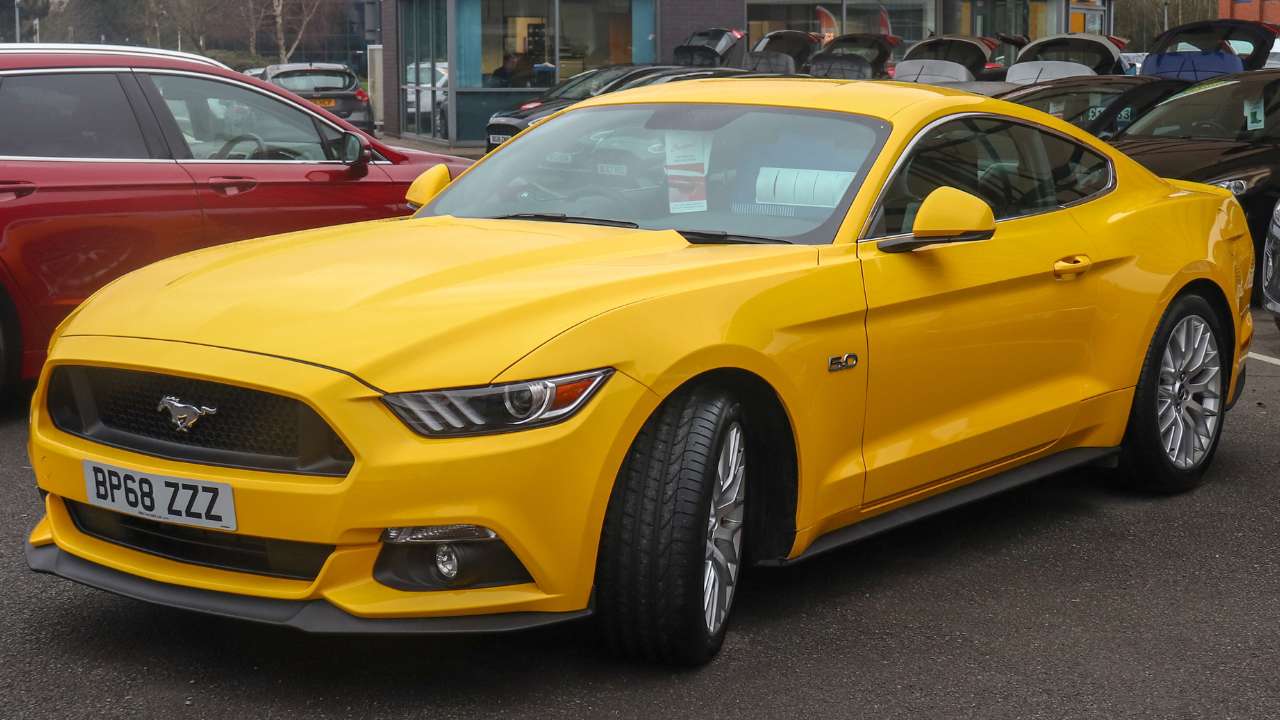
Car people love a good underdog story, and this one’s basically the automotive version of finding an extra fry at the bottom of the bag. An engine package offered as a tidy upgrade on paper has turned out to deliver noticeably more real-world performance than the brochure suggests. The twist is that it’s not just one lucky dyno run or a fluke “hero” car—owners, tuners, and testers have been seeing a pattern.
It’s the kind of situation that makes everyone squint a little. Did the manufacturer sandbag the numbers on purpose? Is the power coming from a loophole in how it’s rated? Or is it simply a case of modern engines being so sensitive to conditions that a “conservative” claim looks silly when everything lines up?
A package that looked ordinary—until it didn’t
The upgrade was sold like a classic factory add-on: pay extra, get a bump in output, and enjoy the peace of mind that it’s still “factory.” The published horsepower and torque figures were respectable, but not exactly headline-grabbing in a world where marketing departments will brag about an extra cup holder. It sounded like a nice-to-have, not a car-transforming cheat code.
Then the early chatter started: owners describing the car as quicker than expected, rolling acceleration that felt suspiciously strong, and trap speeds that didn’t quite match the stated power. It wasn’t just “feels faster” seat-of-the-pants talk, either. People began comparing results, and the numbers kept landing on the same side of “huh, that’s odd.”
Where the extra performance seems to show up
The biggest giveaway hasn’t always been peak horsepower. Instead, it’s the way the car pulls through the middle of the rev range, where most real driving happens. That kind of shove tends to come from a broad torque curve and smart calibration, not just a single high number at the top.
Owners have also pointed to consistency in everyday conditions. The car doesn’t just feel strong on a perfect cool night—it stays punchy in normal weather, with normal fuel, and with normal driving. When an upgrade delivers “easy speed,” it usually means the whole system is working better together, not just one piece getting louder.
The rating game: advertised numbers vs. real output
Modern power ratings can be a little slippery, even when nobody’s trying to be sneaky. Manufacturers may quote crankshaft power (before drivetrain losses), while enthusiasts often measure wheel horsepower on a chassis dyno. Two different dynos can also disagree like two friends arguing over where to eat.
There’s also the question of how conservative a company wants to be. If they rate an engine for worst-case conditions—hot weather, lower-quality fuel, altitude, heat soak, you name it—then plenty of owners will see better results in the real world. A “safe” claim avoids complaints, warranty drama, and awkward comparisons with other models in the lineup.
Software is the new displacement
If this sounds like a calibration story, that’s because it probably is. A modern “engine package” often isn’t just a different intake or exhaust. It can include revised boost targets, different ignition timing strategies, altered throttle mapping, and changes to how aggressively the engine protects itself when temperatures rise.
In other words, it’s not only about making more power. It’s about making the power easier to access, more repeatable, and less dependent on perfect circumstances. Sometimes the magic is as simple as better control logic that keeps the engine in its happy place more often.
The hardware helps too—and it’s usually the boring parts
People naturally focus on the sexy bits: turbos, superchargers, big intakes, and loud exhausts. But the unsung heroes are often cooling upgrades, stronger fuel system components, and revised intercooler setups that keep intake temperatures under control. A car that stays cool can keep making power run after run instead of quietly dialing itself back.
That’s why some owners report that the car feels “more than advertised” specifically after a few pulls, not just on the first hit. If the package improves thermal management, the engine can maintain higher output longer. The result is performance that’s not just higher, but stickier—like it clings to the pavement and refuses to fade.
Why would a manufacturer undersell it?
There are a few reasons, and none of them require a conspiracy board with string. One is internal politics: if the upgraded model gets too close to a higher-tier model, it can steal sales or muddy the brand ladder. Another is regulatory and insurance considerations, where certain power brackets can trigger different classifications in some markets.
And then there’s the simplest reason: warranties. If the company knows the engine can make, say, 10% more in ideal conditions, it may still publish a lower number to ensure almost every customer can hit it, everywhere, all the time, without pushing components to their edge. It’s a little like a restaurant listing “spicy” as one chili pepper when they know some people think ketchup is daring.
How people are verifying the gains
The evidence has been building from multiple angles: dyno charts, drag strip times, and data logs showing boost pressure and timing behavior. None of these are perfect alone, but together they paint a clearer picture. When several independent measurements all imply more output than expected, it stops being an internet myth and starts looking like a real trend.
Still, it’s worth remembering that conditions matter. A strong tailwind, excellent prep at the strip, or a dyno known for “happy numbers” can exaggerate results. The most convincing reports compare before-and-after runs on the same car, same place, and similar weather, because it reduces the amount of guessing.
What it means for buyers (and current owners)
For shoppers, the story is pretty appealing: you might be getting a faster car than the spec sheet suggests, without doing anything sketchy. That’s a rare win in a world where options lists usually feel like a toll road. It also makes the package easier to justify if the price difference looked steep based on advertised output alone.
For current owners, it’s a reminder to manage expectations responsibly. Extra performance is fun, but it can tempt people into pushing harder without upgrading tires, brakes, or maintenance habits. If the car is genuinely quicker than advertised, it deserves the supporting cast to match—otherwise it’s like buying a powerful blender and forgetting the lid.
Will the numbers change officially?
Manufacturers don’t always rush to update ratings, even when the enthusiast world starts connecting dots. Official figures are tied to certification processes, marketing strategy, and long planning cycles. Sometimes it’s easier to quietly enjoy the good press of “underrated” than to publish higher numbers and invite closer scrutiny.
For now, the buzz around this engine package has given the model an unexpected glow-up. It’s not every day you hear a crowd asking for the spec sheet to be less exciting and the real-world results to be more honest. But if this keeps up, the car may earn a reputation as the one that plays it cool on paper—and then surprises you the moment the road opens up.
More from Fast Lane Only