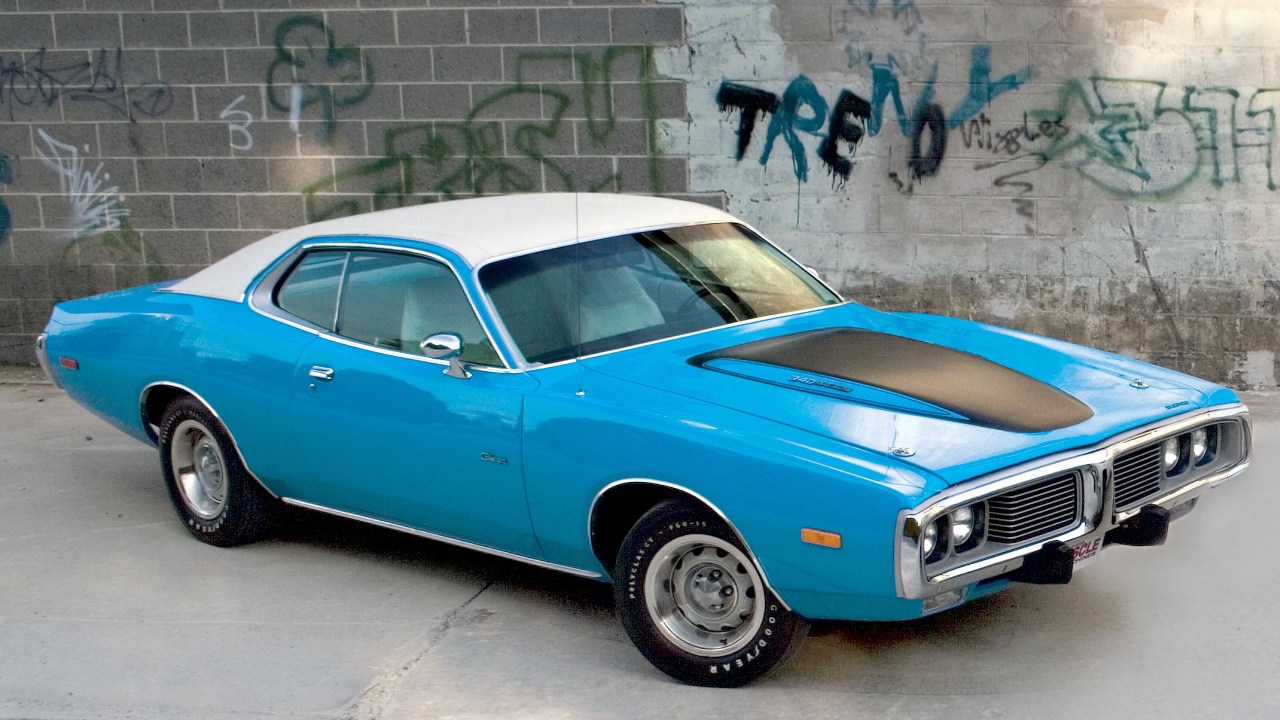
The phrase “factory Hemi Charger” usually sends minds straight to winged Daytonas or modern Hellcat sedans, but one of the rarest and most valuable Mopar muscle cars hides in plain sight. The Charger 500 Hemi, a short‑run NASCAR homologation special, is so scarce that even seasoned brand loyalists can go years without seeing a real one. I want to unpack why this particular configuration is so elusive, how it fits into Dodge’s racing push, and why collectors now treat it as blue‑chip muscle.
The forgotten factory Hemi Charger hiding behind the headlines
When enthusiasts trade stories about legendary Mopars, the conversation usually jumps to the wild aero cars or the latest supercharged monsters, which is exactly how the Charger 500 Hemi slipped into the shadows. Built as a street‑legal answer to NASCAR’s high‑speed demands, it combined the big‑block 426 Hemi with a cleaned‑up Charger body that most people mistake for a regular B‑body at first glance. That visual subtlety, paired with extremely low production, is why even dedicated fans can overlook it while chasing more flamboyant badges like Hellcat or Daytona, both of which dominate modern Hemi lore in a way this earlier car never did.
What sets the Charger 500 Hemi apart is that it was not a tuner special or dealer concoction, but a true factory effort aimed at racing legitimacy. The car carried the same 426 Hemi architecture that powers some of the rarest Dodge muscle machines, an engine often rated at 425 horses in period performance applications, and it did so in a body shell that looked almost anonymous in traffic. That combination of understated styling and top‑tier hardware is a sharp contrast to the later aero‑wing cars and helps explain why this configuration, despite its pedigree, rarely gets top billing when people list the most famous Hemi Chargers.
Built for NASCAR speed, not showroom flash
The Charger 500 program started with a simple problem: the standard fastback Charger looked dramatic but created lift at racing speeds, which hurt stability and top speed on superspeedways. Engineers responded by reshaping the car for the track, not the showroom, fitting a more flush rear window and a revised front end that sliced the air more cleanly. With the 426 Hemi under the hood, the resulting Charger 500 Hemi could reach a claimed top speed of 172 m, a figure that put it squarely in the hunt on high‑bank ovals and justified the compromises made to its styling in the name of aerodynamics.
That focus on function over flair is part of why the car is so easy to miss today. The Charger 500 Hemi lacks the towering rear wing or exaggerated nose that make later aero specials instant poster material, yet it delivered the speed that Dodge needed to stay competitive. Period accounts credit the race‑bred Charger 500 package with a string of wins, and the Hemi‑equipped versions sat at the top of that pyramid. In other words, this was not a cosmetic option set, it was a homologation tool that quietly helped Dodge claim serious results on the track while looking almost restrained on the street.

Production numbers that explain why you never see one
Rarity is not a marketing slogan in this case, it is baked into the build sheets. Estimates suggest between 392 and 580 Charger 500s were produced in total, a tiny run compared with mainstream muscle cars of the era. Out of that already limited pool, only 67 received the 426 Hemi engine, which instantly places the Charger 500 Hemi among the rarest Mopars of its time and explains why even large shows can come and go without a single example on display.
The transmission breakdown makes the numbers even more striking. Reporting on surviving cars notes that the remaining 52 HEMI‑engined examples came with the Torqueflite automatic, while most of the other Charger 5 variants relied on different driveline pairings. That figure, 52, is not a trim code or marketing tagline, it is a hard count that underlines just how few of these factory Hemi Chargers left the assembly line in the configuration most collectors now chase. When I look at those production estimates side by side, it becomes clear that the Charger 500 Hemi is not just rare in a casual sense, it is statistically almost invisible compared with the broader muscle‑car landscape.
Barn finds and the quiet rise in collector status
Because so few Charger 500 Hemi cars were built, each new discovery sends ripples through the Mopar community. A recent barn‑find story described a 1969 Dodge Charger Hemi 500 that had been tucked away for decades, its owner apparently unaware that the car represented one of only 67 Hemi‑equipped Charger 500s built. That kind of find is not just romantic, it is a reminder that some of these homologation specials lived ordinary lives as used cars before the market caught up to their significance, which is one reason they can still surface in sheds and garages instead of long‑established collections.
The market’s response to similar Hemi‑powered Mopars hints at where values for the Charger 500 Hemi have been heading. Coverage of a 1966 Hemi Charger, described as one of the rarest and most valuable Hemi Charger variants and worth well into six figures, shows how collectors now prize early factory Hemi cars that predate modern Hellcat and Daytona branding. When I connect that trend with the microscopic production figures for the Charger 500 Hemi, it is easy to see why specialists treat these cars as blue‑chip assets, even if they lack the visual drama that casual fans associate with high‑dollar muscle.
How the Charger 500 Hemi fits into the broader Hemi hierarchy
To understand just how special the Charger 500 Hemi is, I find it useful to place it alongside other Hemi legends. The 426 Hemi that powered it also sits under the hood of some of the rarest Dodge muscle cars, including purpose‑built drag packages like the Dodge Coronet WO23 that enthusiasts still recognize from period auction coverage by groups such as Mecum Auctions. In those applications, the 426 Hemi was typically rated at 425 horsepower, a figure that cemented its reputation and carried straight into the Charger 500 Hemi’s spec sheet, even if the latter car wore a subtler suit.
Within the Charger family itself, the 500 Hemi occupies a narrow but important niche between the earlier fastback street cars and the later, more extreme aero specials. Lists of top special‑edition Dodge Charger models routinely single out the 1969 Dodge Charger 500 Hemi as a standout, citing its 500 homologation identity and its 172 m top speed as proof that it was more than a cosmetic package. When I weigh that performance against its production numbers, the picture that emerges is of a car that punched far above its weight in competition yet slipped through the cracks of popular memory, overshadowed by louder names even as serious collectors quietly elevated it to near‑mythical status.
More from Fast Lane Only: