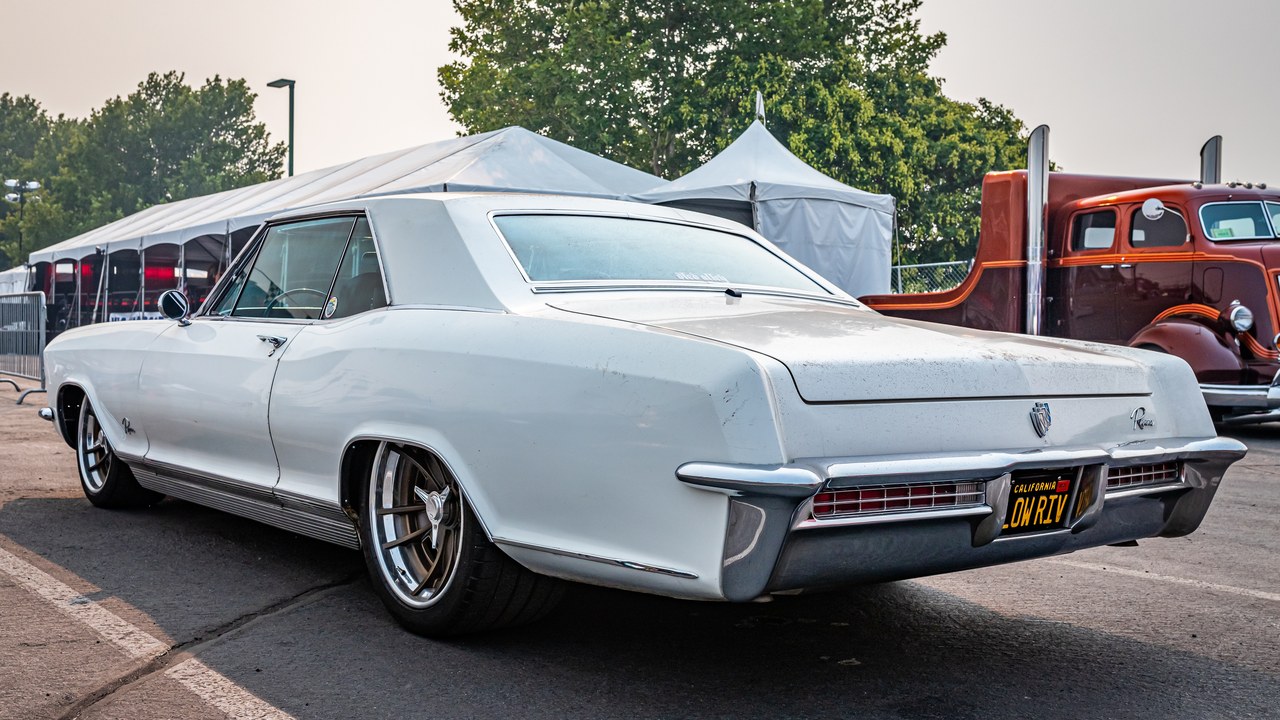
The 1960s were packed with machines built to sell and built to move. This was when muscle cars weren’t niche—they were part of everyday American life. Dealerships moved tens of thousands of units, not because of hype, but because the cars delivered on performance, price, and style. Some models crushed it in the sales charts while still offering real horsepower under the hood. Here’s a look at 15 muscle cars from the ’60s that didn’t just go fast—they flew off showroom floors too.
1965 Pontiac GTO – 75,352 Sold
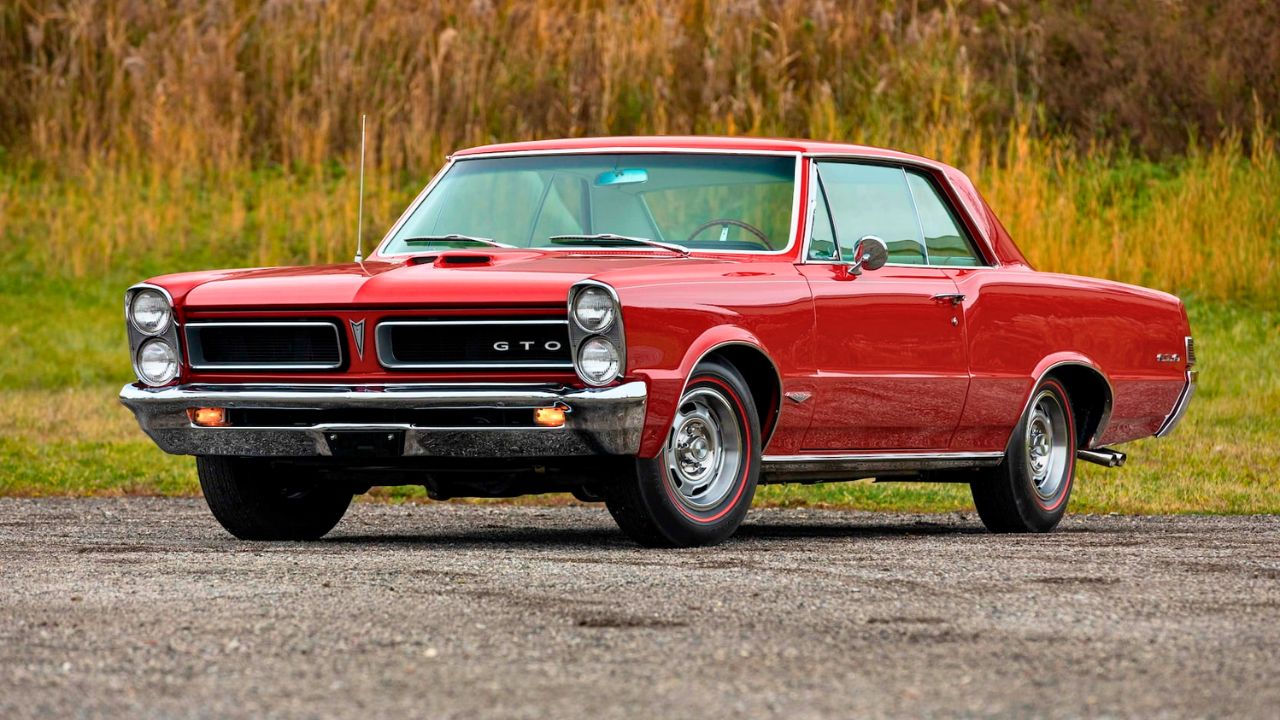
Pontiac hit its stride in 1965. The GTO packed a 389-cubic-inch V8 pushing up to 360 hp with the Tri-Power setup. That kind of output in a mid-size coupe for under $3,000? No wonder it sold over 75,000 units that year.
It had coil springs all around and a fairly soft ride, but it held up in corners better than some expected. Inside, the GTO offered bucket seats, woodgrain trim, and an optional rally gauge cluster. It was simple but sharp, aimed at younger drivers with money and mechanical curiosity.
1966 Chevrolet Chevelle SS 396 – 72,272 Sold

In 1966, Chevy gave the SS 396 its own trim line, and buyers showed up fast. That year, it sold over 72,000 units. Under the hood, the 396-cubic-inch big-block made between 325 and 375 hp, depending on the setup.
It came with heavy-duty suspension: beefier springs, stiffer shocks, and a thicker front sway bar than base models. Interiors were clean, with optional Strato-bucket seats and a console-mounted clock or tach. Not flashy, but it didn’t need to be—the power did most of the talking.
1968 Plymouth Road Runner – 44,599 Sold
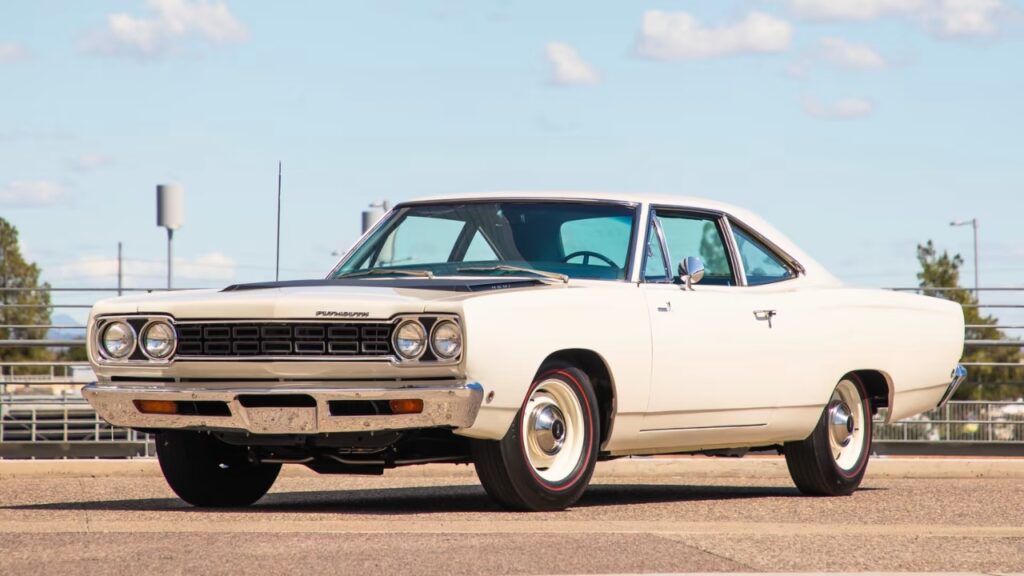
The Road Runner’s no-frills approach hit a nerve in 1968. With over 44,000 sold in its debut year, Plymouth proved you didn’t need bells and whistles to move cars—just a 383 V8 and a solid price tag.
The suspension was basic but effective: torsion bars up front and leaf springs in back. Interiors were stripped to the essentials—bench seat, rubber floor mats, minimal trim. Buyers could add a 426 HEMI if they wanted, but most stuck with the big 383 and drove it like they meant it.
1969 Ford Mustang Mach 1 – 72,458 Sold
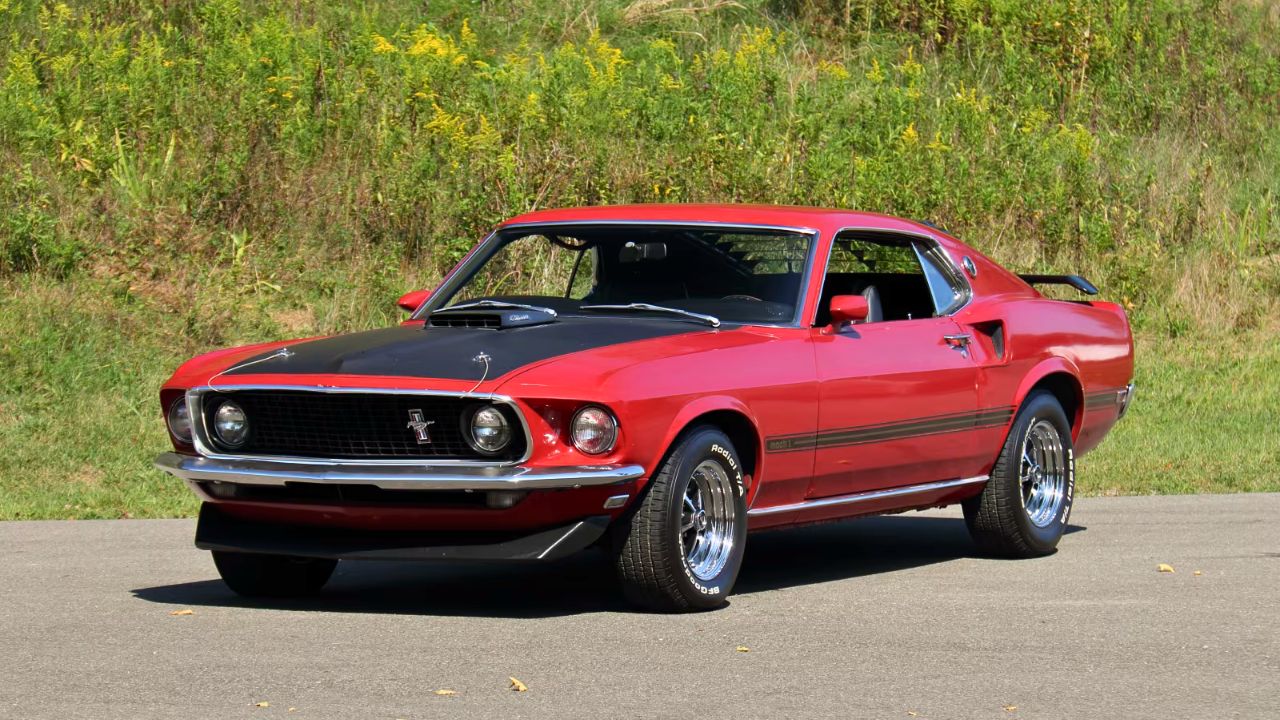
Ford dropped the Mach 1 in 1969 as a performance package for the fastback Mustang, and it took off—over 72,000 sold that year. Buyers had options, from the 351 V8 to the Cobra Jet 428 with 335 hp.
It came with upgraded suspension—firmer springs, bigger sway bars, and staggered shocks out back to cut wheel hop. Inside, the Mach 1 stood out with high-back bucket seats, wood accents, and a deep-set gauge cluster. It had presence but didn’t overdo it, which helped it hit that sales sweet spot.
1967 Chevy Camaro SS – 64,842 SS Models Sold

The Camaro came out swinging in 1967, and the SS trim alone accounted for nearly 65,000 units. Buyers got a 350-cubic-inch V8 standard, with a 396 optional. It wasn’t the most powerful out there, but it had serious street potential.
It used a unibody front with a rear leaf-spring setup—decent enough for spirited driving. The cockpit was low and tight, with options like a center console and rally gauges. The Camaro hit the middle ground well: not overbuilt, not underpowered, and priced just right for young drivers.
1969 Pontiac Firebird – 87,708 Sold

In 1969, the Firebird held its own against its GM sibling, the Camaro, moving over 87,000 units. Engine choices ranged from a 230-cubic-inch inline-six to the 400 V8, with the latter making up to 345 hp in the Ram Air IV spec.
It shared the same F-body platform as the Camaro but with Pontiac-tuned suspension and styling. The ride leaned toward comfort, but it could still move in the corners. Inside, buyers got a sporty dash layout and optional hood-mounted tach. It was a clean mix of power and accessibility.
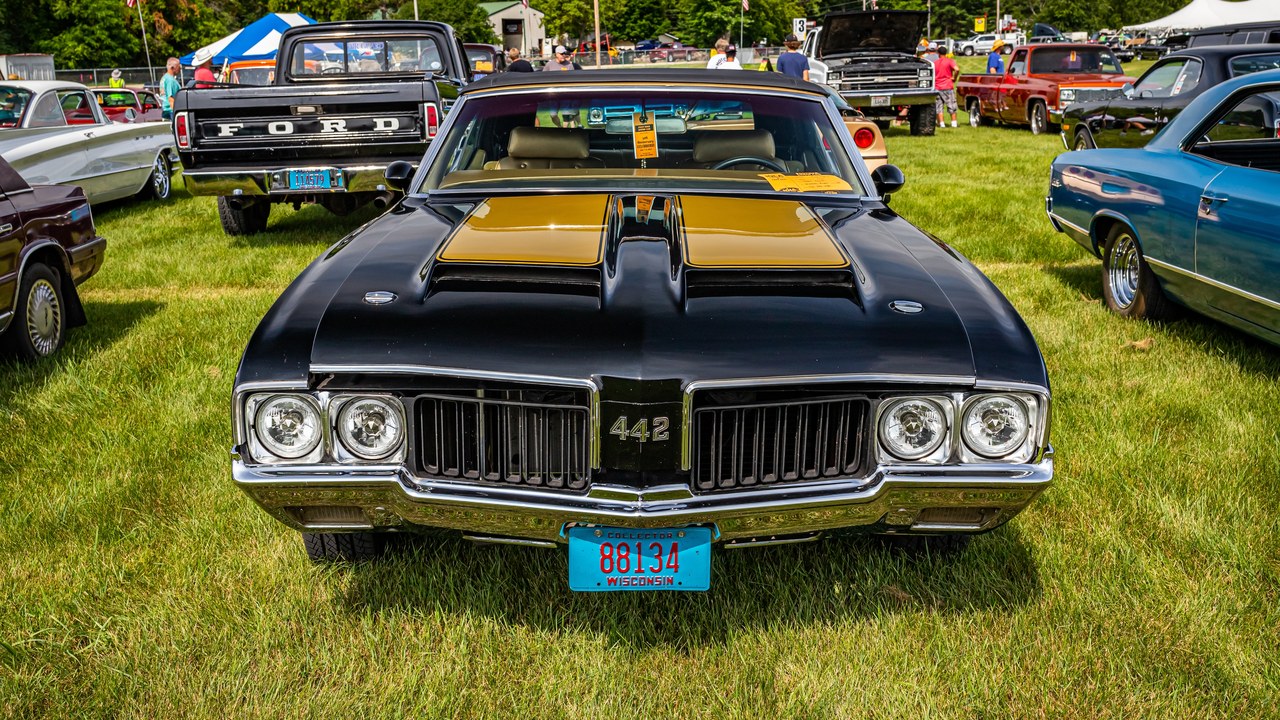
1968 Oldsmobile 442 – 33,607 Sold

In 1968, the 442 officially became its own model, and sales topped 33,000. The 400 V8 came standard with 350 hp and serious low-end grunt, paired with either a four-speed manual or three-speed automatic.
The suspension was upgraded from the base Cutlass, with better shocks and sway bars to handle the extra weight. Interior options leaned toward comfort—buckets or bench seats, faux wood trim, and plenty of insulation. The 442 wasn’t flashy, but it had a grown-up kind of muscle that still drew buyers in.
1967 Mercury Cougar – 150,893 Sold
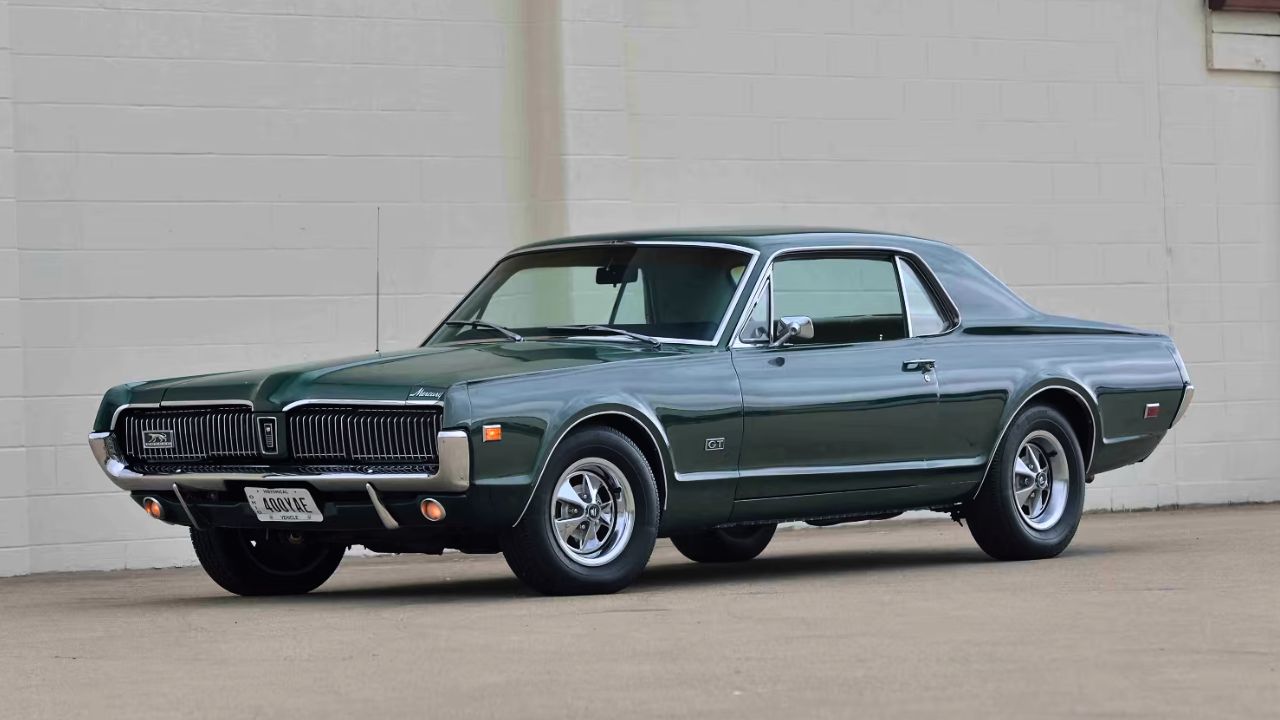
The Cougar came in hot as Mercury’s Mustang alternative, and buyers responded in a big way—over 150,000 sold in its debut year. It came standard with a 289 V8 but could be spec’d up to a 390 for better punch.
With a longer wheelbase and softer suspension, it rode smoother than the Mustang but gave up little in handling. The interior was one of its strengths—full instrumentation, padded dash, and hidden headlights added a touch of class. It was a muscle car in a nicer suit, and that made it stand out.
1966 Dodge Charger – 37,344 Sold
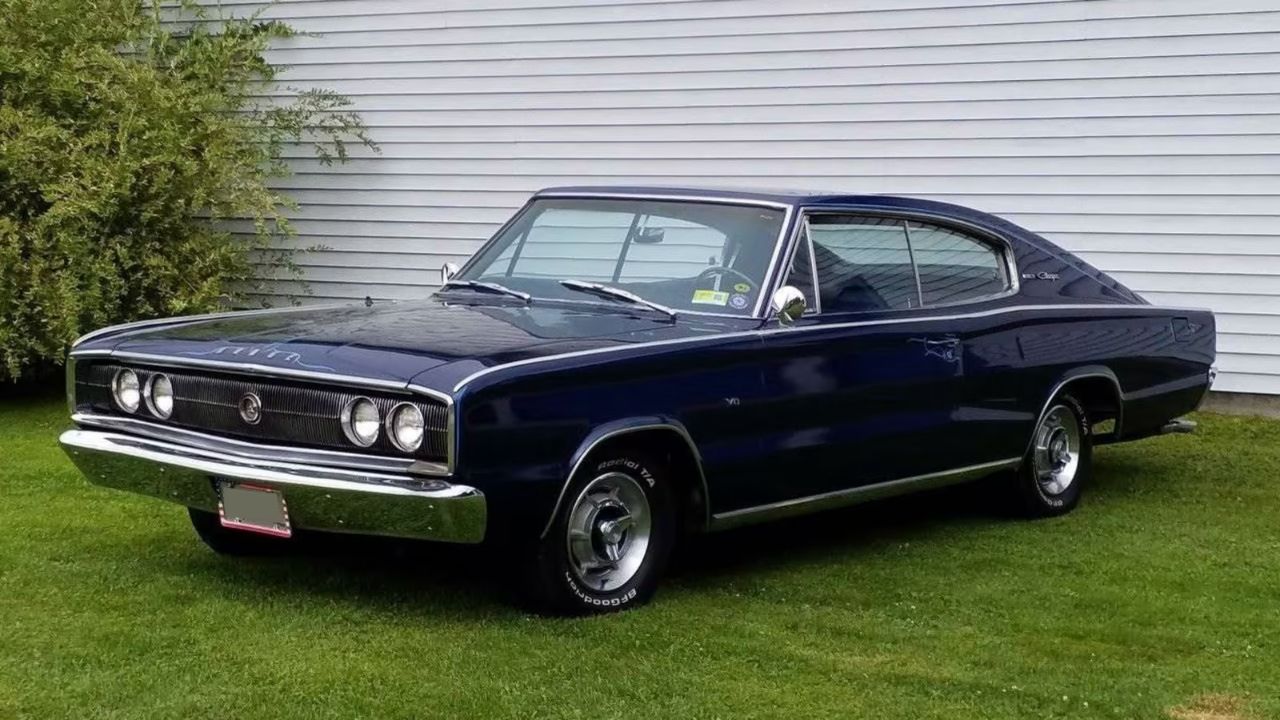
The first-year Charger didn’t move as many units as some competitors, but 37,000 was a strong showing for something so different. The fastback profile and full-length taillight bar turned heads, but under the skin, it was all about the big V8s.
Engine options ranged from the 318 small-block up to the 426 HEMI. Suspension was torsion bars up front and leaf springs out back—solid for straight-line work. Inside, it was ahead of its time: bucket seats front and rear, full-length console, and electroluminescent gauges. It wasn’t just another copy—it carved its own lane.
1969 AMC AMX – 8,293 Sold
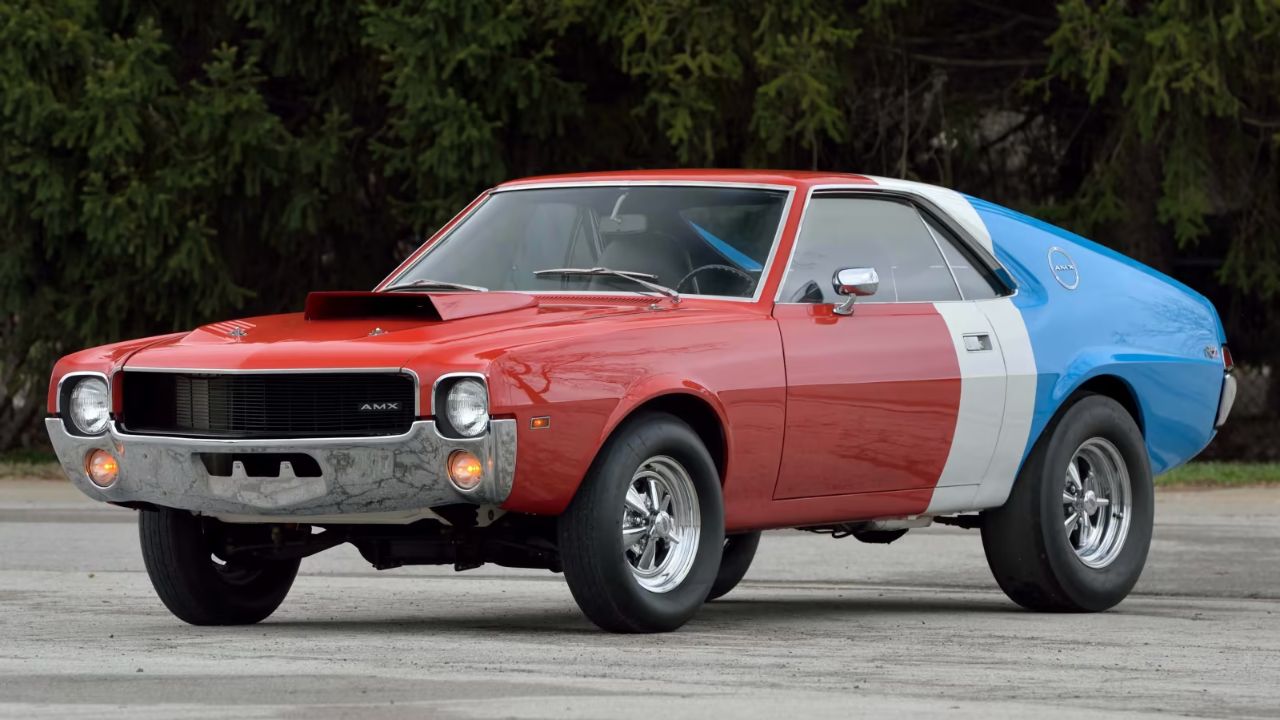
AMC didn’t move as many units, but the AMX still deserves a spot. With just over 8,000 sold in ’69, it was never about mass appeal. But with a 390 V8 making 315 hp and a short 97-inch wheelbase, it was fast and surprisingly nimble.
The suspension was firm, and the car’s compact size gave it a more agile feel than most muscle coupes. It came as a two-seater, which helped it stand out. The interior was tight but well-built, with sporty details like a dash-mounted tach and low-slung seats.
1969 Chevy Impala SS 427 – 69,300 Sold
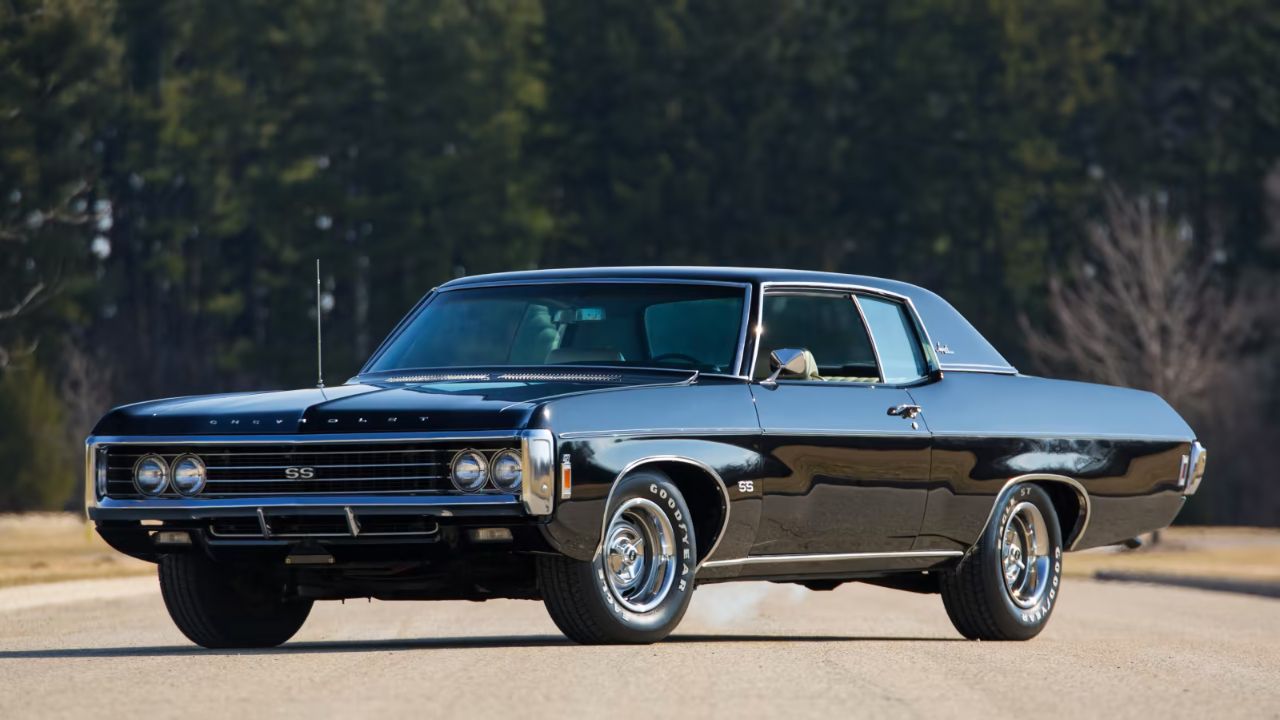
Big, fast, and everywhere—Chevy’s Impala SS 427 made its mark in 1969 with solid sales. It wasn’t light, but with a 427-cubic-inch big-block making up to 390 hp, it didn’t need to be. It moved with authority.
Even with its size, the Impala SS handled decently thanks to coil springs all around and optional heavy-duty suspension. Inside, it was full-size comfort with bucket seats and plenty of room to stretch. It may not have been a corner carver, but it was a muscle car built for long stretches of open road.
1964 Ford Fairlane Thunderbolt – 100 Sold
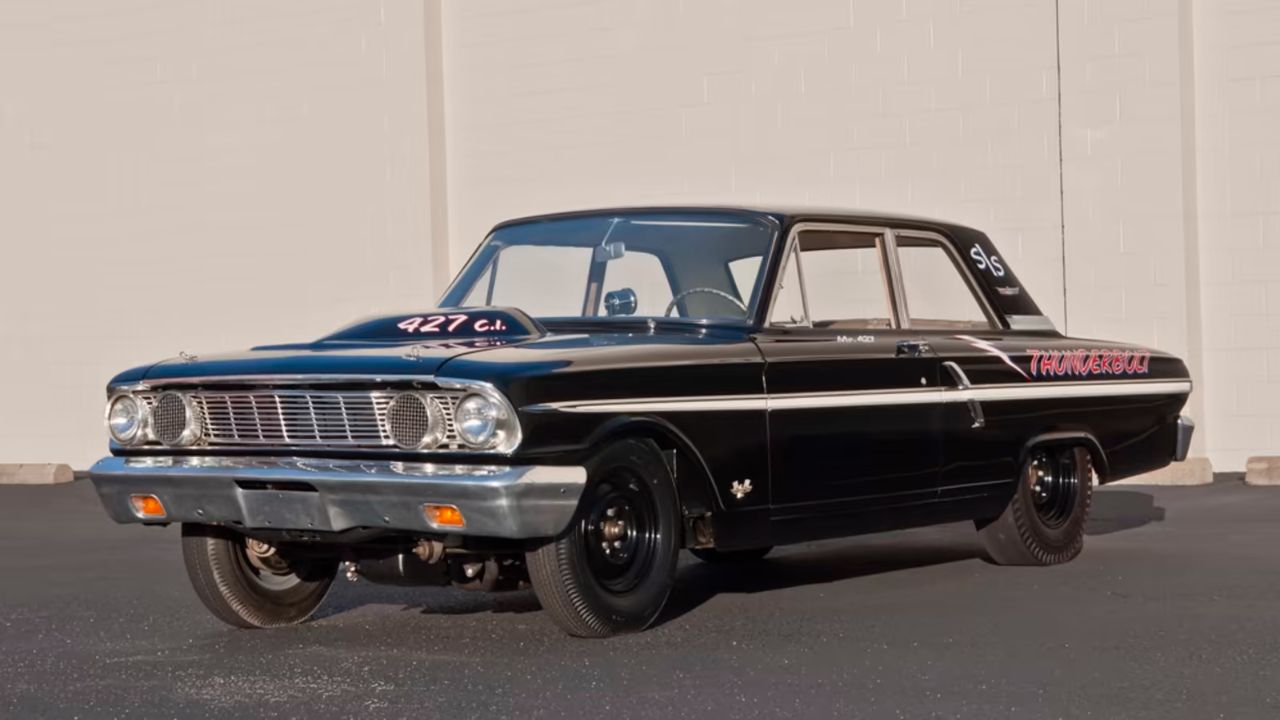
Ford didn’t expect the Thunderbolt to be a showroom star—they only built 100. But it left an outsized legacy. Built strictly for NHRA Super Stock, it came with a 427-cubic-inch V8 rated at 425 hp and was stripped to the bone for weight savings.
Aluminum body panels, plexiglass windows, and no frills inside—just a speedometer and a shifter. The front end used coil springs, and the rear had a leaf setup with traction bars. It wasn’t comfortable, and it wasn’t meant to be. It was muscle in its most focused form.
1968 Dodge Coronet R/T – 28,200 Sold

The Coronet R/T sat in the shadow of Dodge’s flashier offerings, but it still sold over 28,000 units in 1968. The base 440 Magnum V8 made 375 hp, with a 426 HEMI available for the few who wanted more.
It had a wide, planted stance and came with heavy-duty suspension—torsion bars up front and leafs in the back. Interiors were functional but comfortable, with bucket seats and optional rally instrumentation. It was the kind of car that looked plain until you heard it running—or tried to catch it at a light.
1967 Buick GS 400 – 30,431 Sold
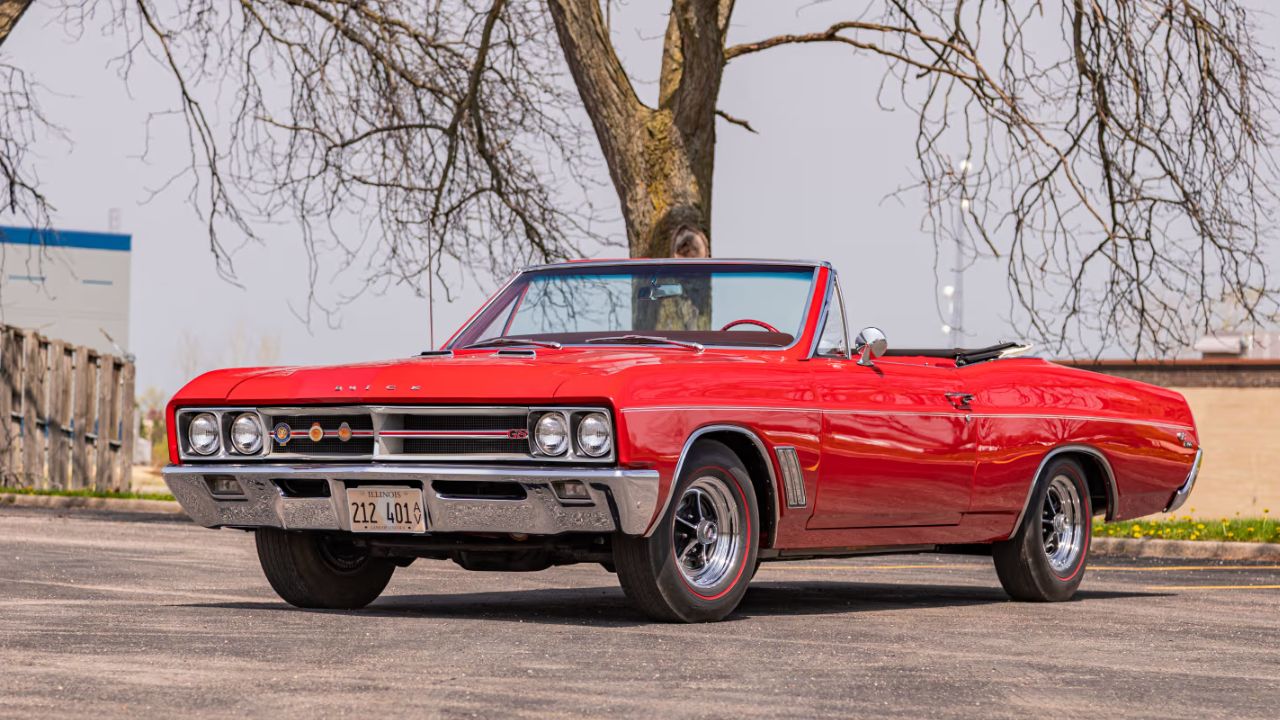
The 1967 Buick GS 400 found its own corner in the muscle world. It moved over 30,000 units that year, thanks in part to its 400-cubic-inch V8 making 340 hp and plenty of torque down low.
It offered a smoother ride than most competitors—Buick didn’t sacrifice comfort for speed. The GS came with firmed-up springs and anti-roll bars but didn’t beat you up. Inside, it leaned luxury, with padded trim, full gauges, and a quiet cabin. For buyers who wanted power without rough edges, it made perfect sense.
1966 Mercury Comet Cyclone GT – 13,812 Sold
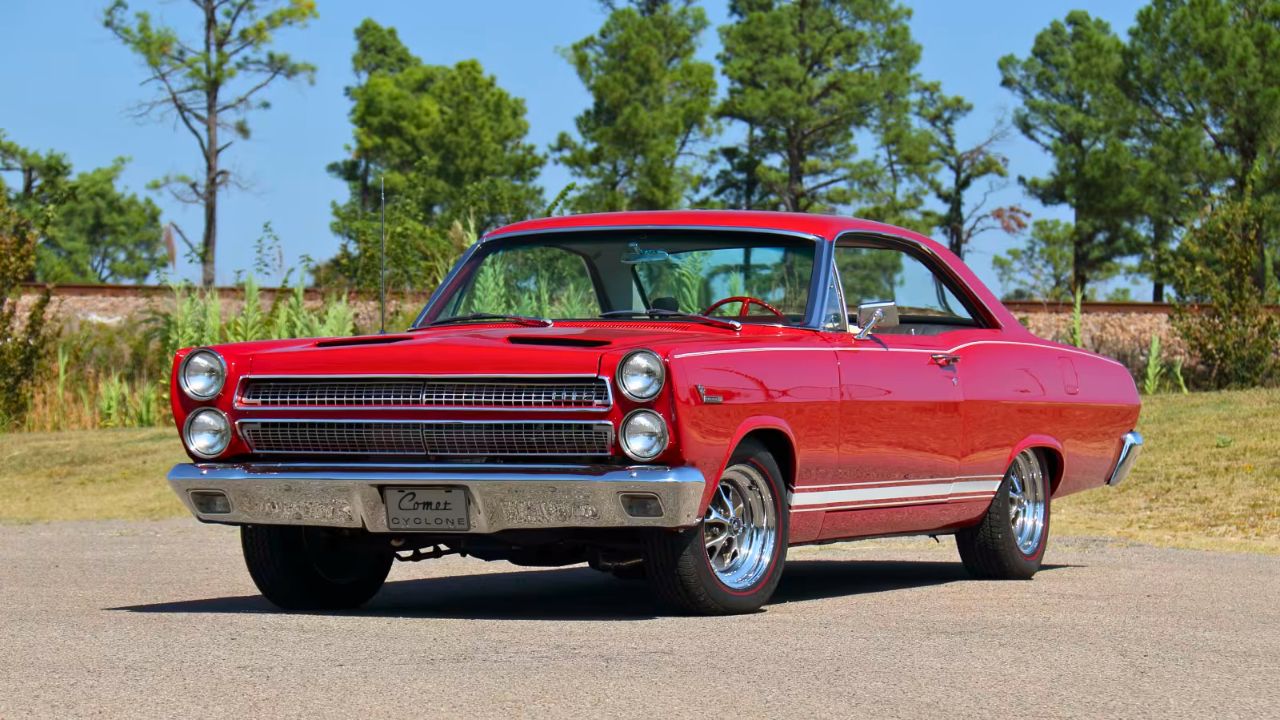
The Cyclone GT wasn’t Mercury’s biggest seller, but it found nearly 14,000 homes in 1966. It came with a 390 V8 as standard, rated at 335 hp, and a four-speed manual was available right off the shelf.
Suspension was conventional—coil springs up front, leafs in back—but it held up well in a straight line. It also came with unique badging and trim that gave it just enough identity. The interior offered bucket seats and a floor shifter with simple instrumentation. It didn’t chase flash—it focused on results.
Like what you read? Here’s more by us:
*Created with AI assistance and editor review.