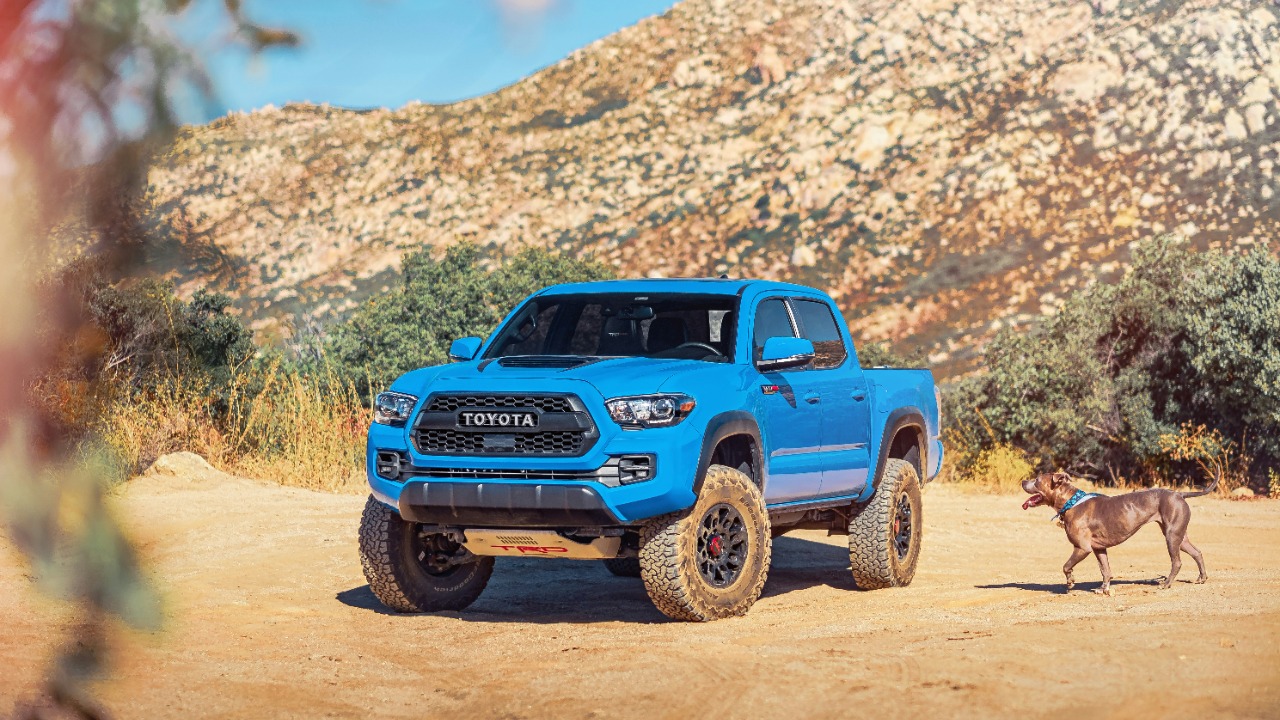
Toyota Tacoma has long been a favorite among truck enthusiasts for its reliability, ruggedness, and off-road capabilities. However, recent surges in prices have raised concerns among even the most loyal fans. Let’s explore the factors influencing these rising costs and their impact on consumer loyalty.
Factors Driving Price Increases
One of the primary reasons for the increased prices of the Toyota Tacoma is the global supply chain disruption. The pandemic wreaked havoc on production lines worldwide, causing shortages in essential components like microchips. This has inevitably led to delays and increased costs in production, which are reflected in the final price tag of the Tacoma. Additionally, logistical challenges such as shipping delays and increased freight costs have further exacerbated this issue.
Moreover, the rising costs of materials and labor have contributed significantly to the price surge. Key materials such as steel and aluminum have seen price hikes due to increased demand and limited supply. Labor shortages and wage increases have also added to the production costs, forcing manufacturers to pass these expenses onto consumers. Combined, these factors create a perfect storm for price inflation in the automotive industry.
High market demand coupled with limited supply has also pushed prices upward. The Tacoma is popular for its off-road capabilities and durability, making it a sought-after choice in the truck market. However, with supply chain issues limiting availability, the classic supply-and-demand principle comes into play. Consumers are willing to pay a premium for the Tacoma, further driving up prices.
Impact on Consumer Loyalty
It’s interesting to observe how loyal Toyota Tacoma fans are reacting to these price hikes. Many long-time enthusiasts express frustration and disappointment as the trucks they love become harder to afford. Forums and social media platforms have been buzzing with discussions about the increasing costs and whether the beloved Tacoma is still worth it. Enthusiasts who have stuck with Toyota for years are now finding themselves questioning their loyalty.
This brings us to the delicate balance between brand loyalty and price sensitivity. While some customers remain steadfast in their support for Toyota, others are more price-sensitive and may consider alternatives. The price increase has put some loyalists in a tough spot, forcing them to weigh their love for the brand against their budgets. It’s a challenging situation, and not all customers are willing to stretch financially to stay with Toyota.
Competitors are certainly taking note of this shift. With brands like Ford and Chevrolet offering competitive models, the increased Tacoma prices might drive some consumers to explore other options. The Ford Ranger and Chevrolet Colorado, for instance, provide similar features and capabilities at potentially lower prices, making them appealing alternatives for those priced out of the Tacoma market.
Toyota’s Response to Pricing Concerns
Toyota, aware of the rising concerns, has not turned a blind eye to the pricing issue. The company has released official statements acknowledging the challenges posed by global supply chain disruptions and increased production costs. They emphasize their commitment to maintaining quality and reliability, even in the face of these hurdles.
In response to the pricing concerns, Toyota is exploring various strategies to ease the burden on consumers. Some dealerships are offering incentives and discounts to loyal customers to offset the rising costs. These initiatives aim to maintain customer satisfaction and keep their fan base intact during these turbulent times.
Looking forward, it’s speculated that Toyota might explore alternative pricing strategies to remain competitive. This could include anything from diversifying their product range to offering more flexible financing options. It’s a dynamic situation, and Toyota’s approach will likely evolve as they navigate these challenging market conditions.
Comparative Pricing Analysis
A look back at the historical pricing trends for the Tacoma reveals a steady increase over the years. Initially, the Tacoma was seen as an affordable and reliable option for truck enthusiasts. However, as more features and advanced technology were integrated into the newer models, prices began to climb. The 2020 Tacoma, for example, saw a notable price increase due to added safety and tech features.
When compared to competitors, the Tacoma still holds its ground, but the gap is narrowing. The Ford Ranger and Chevrolet Colorado, for example, offer competitive pricing and similar features, making them viable alternatives for budget-conscious consumers. This comparative pricing analysis sheds light on the changing dynamics in the truck market.
Despite the higher prices, the Tacoma continues to offer a compelling value proposition. Its reputation for reliability and durability remains unmatched, and for many, these qualities justify the cost. However, with the current economic climate, consumers are more cost-conscious, and the value proposition needs to be stronger than ever to sway buyers.
Long-Term Implications for the Market
The sustained price increases could potentially shift the market dynamics significantly. Consumers may become more selective and price-conscious, leading to changes in purchasing behavior. This shift could see a rise in interest for used vehicles or alternative brands that offer similar features at a lower cost.
Changes in Tacoma pricing might affect overall consumer spending and preferences. As the Tacoma becomes more of a luxury purchase, consumers might prioritize other financial commitments over acquiring a new truck. This could impact the sales volume and market positioning of the Tacoma in the long run.
Ultimately, these pricing trends reflect broader industry changes. As manufacturers grapple with supply chain issues and increased costs, the truck market is likely to see ongoing fluctuations in pricing dynamics. It’s an evolving landscape, and both manufacturers and consumers will need to adapt to these new realities.
More from Fast Lane Only