You are watching a strategic retreat from electric vehicles that does not just weaken climate policy, it hands the future of the car industry to your biggest competitor. While U.S. rules are pulled back, China is racing ahead on batteries, clean car exports, and the factory jobs that come with them. The result is more gas-burning SUVs at home, fewer high-tech positions in your community, and a global EV market increasingly shaped in Beijing rather than Detroit.
If you work in or around the auto sector, that shift is not abstract. It determines whether your next job is on an assembly line for a cutting-edge electric crossover or in a shrinking parts plant that supplies aging gasoline platforms. It also determines whether your kids grow up in a country that leads on clean technology or one that buys it from others.
How the rollback gutted U.S. clean car rules
You now live under a climate and auto regime that has been intentionally stripped of its sharpest tools. The Trump administration moved to weaken the Greenhouse Gas Endangerment Finding and auto emissions regulations so that the remaining rules, such as the fuel efficiency requirements, could also be weakened, a shift that directly affects how quickly your next car gets cleaner or stays stuck on fossil fuel technology, according to Feb. At the same time, U.S. fuel standards were rewritten so that a revised target of 34.5 m replaces the Biden-era goal of 50.4 m, which tells every automaker that you, as a U.S. driver, can be sold thirstier vehicles without penalty.
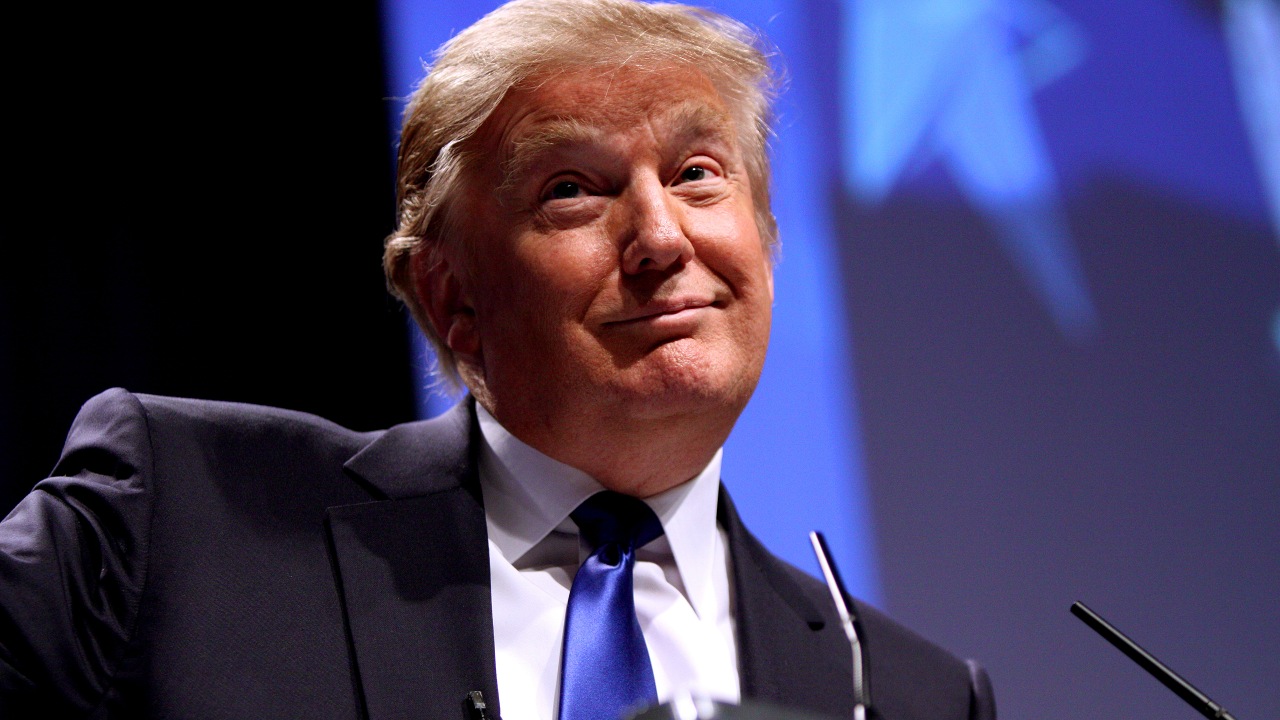
The Environmental Protection Agency under President Donald Trump framed this as relief for your wallet, arguing that the costs imposed by these climate policies have placed new cars out of reach for many American families and harmed Americans’ ability to buy the vehicles they want, with claimed savings of over $2,400 per vehicle, as described in American. Strip away penalties and long-term standards, though, and you also strip away the pressure that pushes carmakers to invest in more efficient engines, batteries, and charging networks, which is why the Latest Trump Policies Likely to Hinder EV Adoption warned that, with these mandates now removed, you lose the policy backbone needed for a robust national charging network and widespread electric options, according to Latest Trump Policies.
China sprints ahead while you idle at the pump
While your government loosens standards and talks up gasoline, China is turning your hesitation into its opportunity. Analysts have been blunt that US President Donald Trump’s administration, by rolling back regulations and favoring petrol cars, discourages EV innovation in your market and gives China competitive advantages in technology, scale, and supply chains, according to Analysts. In practical terms, that means Chinese firms lock in contracts for batteries, motors, and critical minerals while your factories keep churning out gas-powered and hybrid trucks that will look dated in export markets.
The results are already visible in global sales. China is set to consolidate its clean car dominance as some 20% of cars sold worldwide were electric in 2024, a massive 25% increase from the year before, a surge that reflects how quickly overseas buyers are embracing EVs built by Chinese brands, according to China set to. Stuart Braun reported that Donald Trump is pushing gas guzzlers over EVs in spite of climate and cost concerns, while China is now set to dominate the world’s clean car market, a contrast that leaves you buying more fuel while drivers in Europe and the Global South get cheaper, efficient models from Shenzhen and Shanghai, as captured in Stuart Braun.
The job drain from Detroit to Shenzhen
When you weaken EV policy, you do not just change what sits in your driveway, you change where the jobs go. Analysts who track trade and supply chains warn that, as US policy favors petrol cars, Chinese automakers and battery giants like BYD scale up production for export, which lets them capture more of the value that could have supported your communities, according to giants like BYD. Every time a new EV platform is canceled or delayed in the United States, engineers, software developers, and line workers who might have been hired in Michigan or Ohio instead see those roles appear in Chinese industrial zones.
You have already seen how quickly funding can be pulled away from the technologies that would anchor those jobs. Less than a month after promoting support for clean industry, the Trump administration unilaterally and unlawfully froze billions of dollars of funding for everything from EV manufacturing to charging corridors, a move that undercut investment plans in your auto regions and helped clear the way for a Canada China deal that highlighted how far behind U.S. policy had fallen, as detailed in Less. When Prime Minister Carney forges new strategic partnership with the People’s Republic of China, that tells you where capital and long-term planning are flowing while your own government treats EVs as a bargaining chip, according to Discovered.
Policy whiplash on Main Street and in your garage
On the ground, you feel this as confusion and delay. Dealers and automakers are quite convinced that the transition to electric is inevitable, and they figure the U.S. will just lag in that adoption by a decade and a half, which means you are offered bigger, less efficient vehicles today while the rest of the world moves on, according to They. The repeal followed Congress’s zeroing out of penalties for violating fuel economy rules, which tells manufacturers they can sell you larger trucks and SUVs without facing the fines that once nudged them toward cleaner fleets.
You also hear dueling narratives about what this means for your wallet. WASHINGTON, D.C. critics argue that Donald Trump does nothing but repeat the same debunked lies about the historic clean energy plan because he can, insisting that rolling back standards will make it harder, not easier, for you to afford an EV that is cheaper to run and maintain, according to WASHINGTON. But there are sharply different views on what this decision means for American consumers and carmakers, with President Donald Trump and his allies portraying it as liberation from what they call a green new scam, even as industry planners quietly factor in the risk that your market will be flooded later with cheaper Chinese EV imports, according to But.
How you can still shape the EV future
You are not powerless in this story, even if federal policy currently leans toward gasoline. In the Global South, Europe, and ASEAN, consumers and governments are pushing for EV adoption and unleashing the oil industry has not stopped that momentum, which shows you that demand and local rules can still bend the market toward cleaner cars despite national headwinds, according to Global South. When you choose an electric model, support state and city standards, or back workplace charging, you help create the volume that convinces automakers to keep investing in U.S. plants instead of shifting everything to China.
You also have leverage over how foreign players enter your market. Jan brought a Clear Message from Detroit, when during a recent appearance at the Detroit Economic Club, President Donald Trump signaled openness to Chinese EV makers if they build in America, a stance that could either bring jobs to your region or entrench foreign control over key technologies depending on the terms you demand, according to Clear Message. Jul comments showed that trump the former president indicated a willingness to allow Chinese EV factories in the US, provided those Chinese EV producers partner with American firms and create local employment, which means your voice in local permitting fights, union drives, and state incentive debates will help decide whether those plants lift wages or simply lock in dependence on imported designs, as reflected in Jul.
More from Fast Lane Only