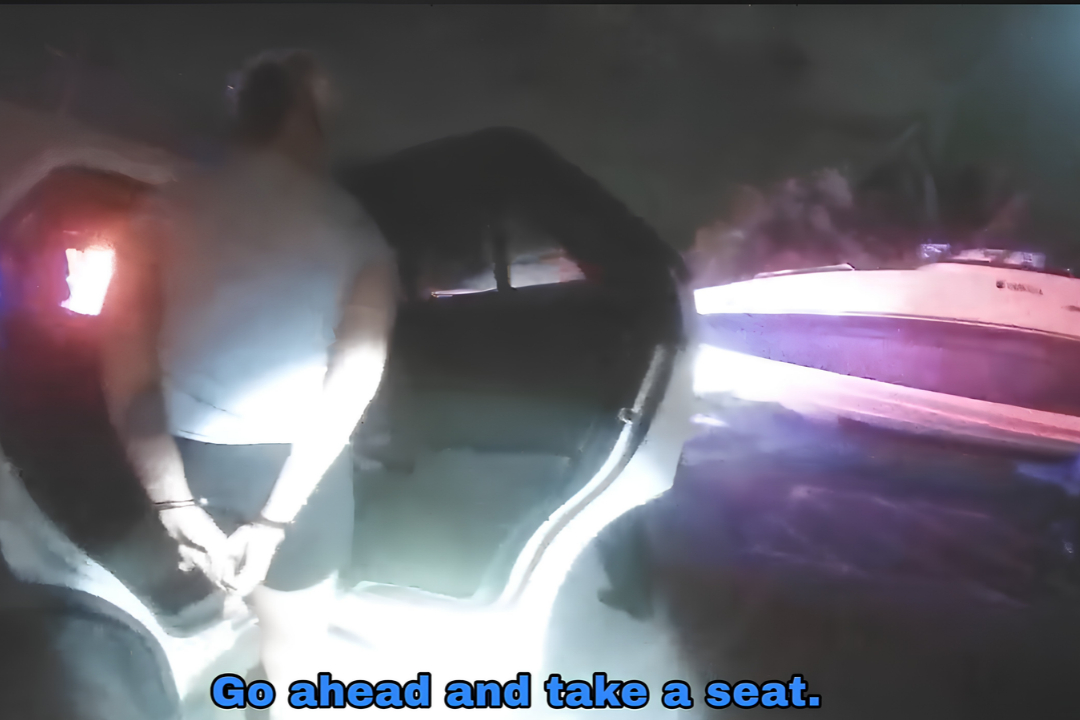
You live in a region where cargo theft is no longer a backlot crime but a highly organized business, and the latest Los Angeles case shows just how sophisticated it has become. Earlier this year, Los Angeles police and partner agencies arrested five suspects, seized supercars and a fleet of stolen trucking equipment, and recovered more than 5 million dollars in allegedly stolen goods tied to a sprawling cargo theft ring. The case offers a rare, detailed look at how such operations work, how they affect your daily life, and what you can do to protect your own vehicles and freight.
How the $5 million operation was taken down
The scale of the case first appears in the numbers. According to LAPD investigators, Five Arrested in a Multi Agency Cargo Theft Investigation were linked to Over 5 Million dollars in suspected stolen property spread across multiple locations in Southern California. While serving coordinated search warrants, officers impounded 84 stolen container chassis, 11 tractors, 25 vehicles, 6 all-terrain vehicles, and other equipment that had effectively become the backbone of a shadow logistics fleet. You are looking at a criminal enterprise that tried to mirror legitimate freight operations, right down to the hardware in the yard.
The case also shows how many agencies it now takes to dismantle a modern theft ring. The LAPD Commercial Crimes Division Cargo Theft Task Force worked alongside the Los Los Angeles Port Police and the California Department of agencies that oversee freight and commercial transport, according to local reporting on. Earlier this year, Authorities in Southern California executed search warrants that targeted properties in Corona and other Inland Empire communities, where Officers recovered the bulk of the stolen chassis and tractors that had been circulating through ports and distribution hubs. You are watching a shift from isolated truck-stop thefts to coordinated, regionwide investigations that treat cargo crime as organized economic sabotage rather than petty larceny.
Supercars, cash, and the glamour factor
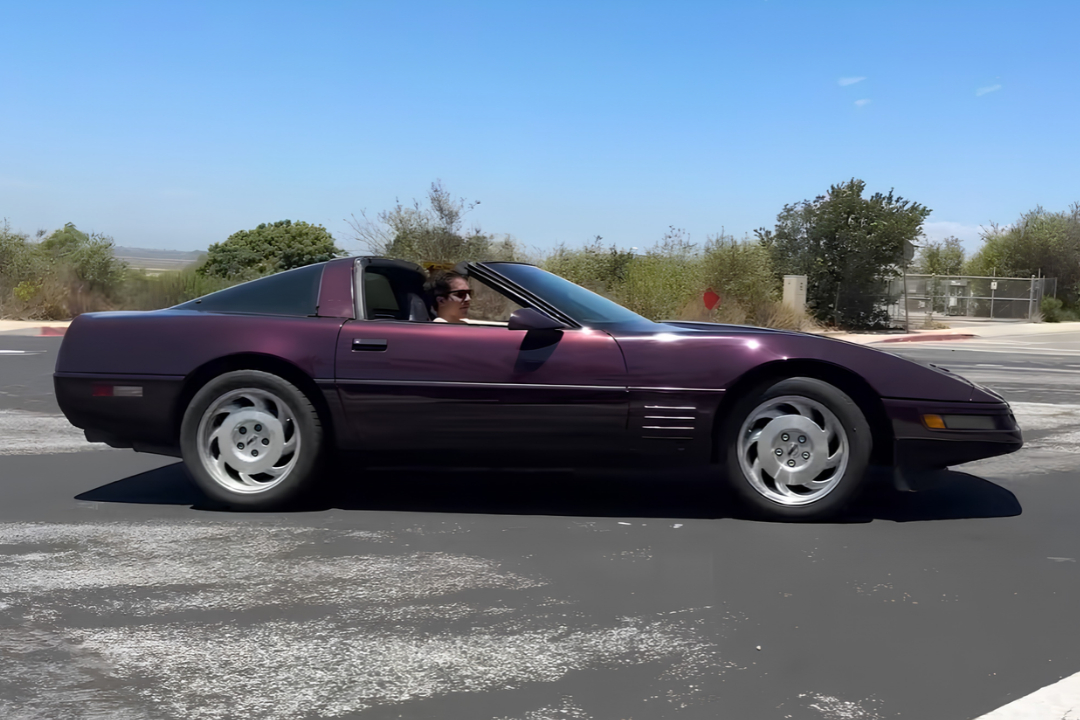
What grabs your attention next is not just the industrial hardware, but the luxury trappings that allegedly came with it. Police say the suspects had access to high-end vehicles, with several reports describing Supercars parked alongside commercial trucks, a visual reminder that stolen freight can quickly be converted into flashy, street-level status symbols. In one account, Cops in Los Angeles recovered 25 stolen cars and found that some of the most eye-catching models sat only a few feet from workhorse tractors and chassis that had been lifted from legitimate carriers. For you as a driver or fleet owner, that mix of exotic and everyday vehicles signals a ring confident enough to flaunt its profits.
The money trail looks just as brazen. Investigators reported seizing $300,000 in cash along with three guns when they moved in on the suspects, a detail that shows how quickly stolen loads can be turned into liquid funds that fuel more crime and more risk on the street. When you see that kind of cash sitting alongside stolen equipment worth more than 5 million dollars, you are looking at an operation that likely moved product fast, flipped it through informal resale channels, and reinvested the proceeds into both lifestyle and logistics. That cycle makes it harder for you and your insurer to trace losses, and it raises the stakes every time a truck or container goes missing from a yard.
Inside the fraudulent VIN and chassis scheme
To understand how a ring like this survives long enough to accumulate 84 stolen container chassis, you need to look at paperwork as much as hardware. Authorities in Southern California described a pattern of fraudulent vehicle identification number activity that let thieves disguise stolen trailers, tractors, and even forklifts so they could circulate through ports and warehouses without immediate detection. One detailed social media briefing explained how investigators uncovered forklifts tied to fraudulent VINs, part of a broader scheme in which altered plates and forged documents helped move equipment through inspections and yard checks with minimal suspicion, as seen in images shared from. You are confronting a paperwork war as much as a physical one, where a few digits on a plate can decide whether a stolen chassis blends in or gets flagged.
When you hear that Officials reported recovering property valued at over an estimated 5 million dollars in stolen property, including those 84 chassis and 11 tractors, you can see how VIN manipulation magnifies the damage. A single fraudulent identity can keep a stolen container hauler in circulation for months, quietly hauling legitimate loads while its true owner absorbs the loss and your insurance market absorbs the cost. A multi agency overview of the case described how Large Scale Cargo Ring Busted operations relied on falsified identities not just for vehicles, but for business fronts and yard leases that gave the ring plausible cover, according to industry-focused reporting. For you, that means the next chassis parked beside your own might look legitimate on paper yet still be part of a theft network that treats VINs as disposable aliases.
Why multi-agency cargo teams matter to you
If you run freight through Southern California, you already know that ports, rail yards, and distribution centers create a dense target field for thieves. What this case shows you is how much more effective enforcement becomes when cargo theft is treated as a shared problem rather than a single department’s headache. The LAPD Commercial Crimes Division Cargo Theft Task Force coordinated with regional partners to track stolen equipment across jurisdictions and into Corona and other inland hubs, as described in detailed local coverage. By pooling data on stolen VINs, chassis serial numbers, and suspicious yard leases, those teams were able to connect what might have looked like isolated thefts into a single, prosecutable pattern that ended with Five Arrested and Stolen Chassis Recovered.
You also see how national freight and insurance communities plug into these regional cases. A broader analysis of cargo crime trends noted that Large Scale Cargo Ring Busted investigations like this one often trigger alerts across underwriting, claims, and risk management circles, where you might see premium adjustments or new security requirements if you operate in high-theft corridors, according to follow up coverage. For you, that means multi agency wins can eventually translate into better risk models and possibly more favorable terms if you can demonstrate strong security practices that align with what investigators say helped them crack this ring.
What you can do to protect your fleet and cargo
Once you absorb the scale of this bust, your next move is to tighten your own defenses so you are not feeding the next 5 million dollar operation. Start by treating chassis and trailers as high-value assets, not just interchangeable hardware. If thieves can quietly stockpile 84 stolen container chassis, you need to assume that every unmonitored yard or unsecured drop lot is a hunting ground. You can respond by installing tamper-resistant locks, geofencing your tractors and trailers with GPS systems that trigger alerts when equipment leaves approved zones, and conducting regular audits that match VINs and chassis numbers against your records and industry theft bulletins. When Authorities and Officers in Southern California describe how they traced stolen equipment across multiple locations, they are implicitly telling you that detailed asset records and movement logs are some of your best defenses.
More from Fast Lane Only