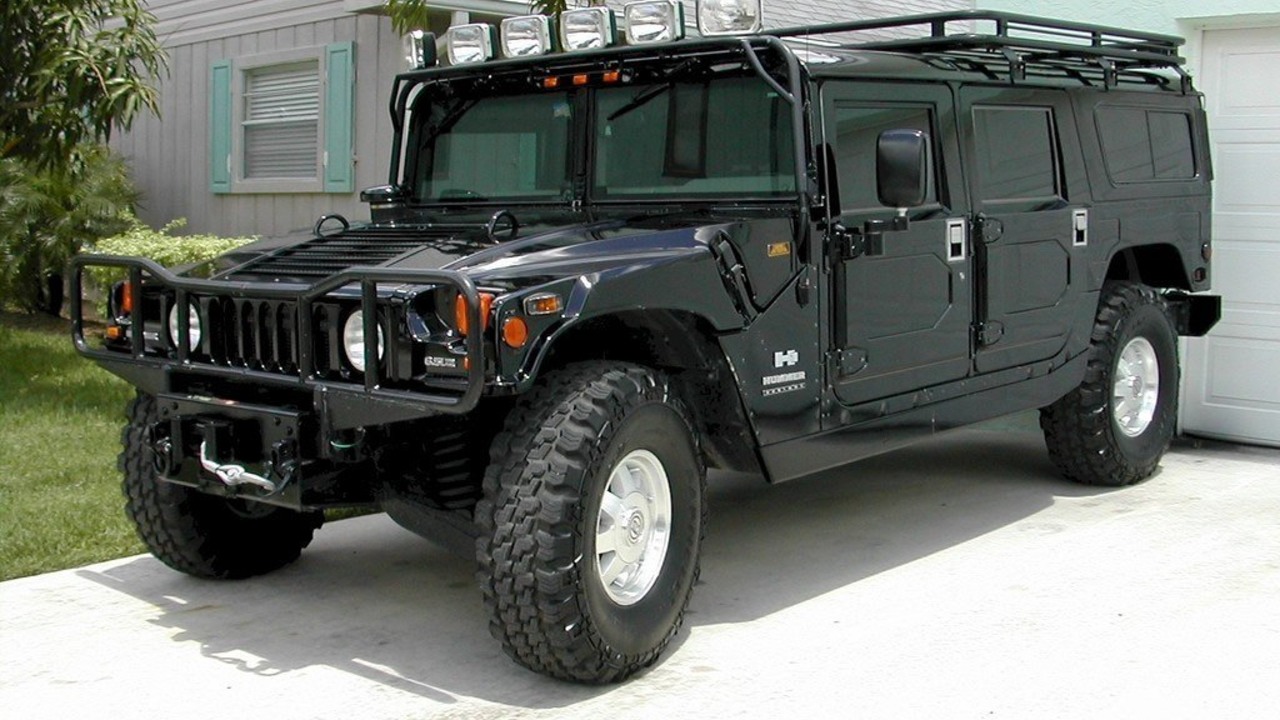
Tupac Shakur’s final personal vehicle, a heavily customized 1996 Hummer H1 with remarkably low mileage, has quietly resurfaced for sale, giving collectors another chance to chase one of hip hop’s most recognizable pieces of automotive history. The truck, bought shortly before Tupac’s death and preserved for years in private hands, now returns to the market as both a rare off‑road machine and a rolling artifact of 1990s rap culture.
Its reappearance comes after a decade of headline‑grabbing auctions that pushed prices into the hundreds of thousands of dollars, and the current listing leans hard on that track record, the truck’s condition, and its direct link to Tupac Shakur. I see this sale as a test of how strong demand remains for celebrity vehicles that combine authentic provenance with genuine enthusiast appeal.
The last truck Tupac bought, and how it survived
The 1996 Hummer H1 stands out because it was the last vehicle Tupac Shakur purchased before he was killed in Las Vegas, a detail that has framed every sale since. After Tupac’s death, the truck did not immediately disappear into a private collection; instead, it was held in storage, then eventually surfaced as the prize in a raffle organized by BET tied to “Picture Me Rollin,” which moved the Hummer into the hands of a fan rather than a traditional collector. That early history, documented in the original auction listing for Tupac Shakur’s 1996 American Motors Hummer H1, is central to why the truck is treated as a time capsule rather than just another modified off‑roader.
From there, the Hummer’s life has been unusually public for a single vehicle, with each change of ownership routed through high‑profile sales rather than quiet private deals. The truck’s journey from storage to the BET “Picture Me Rollin” raffle, then into the specialty auction world, created a paper trail that helps authenticate its connection to Shakur and explains why later sellers could confidently market it as a museum‑grade artifact. That same provenance underpins the current low‑key listing, which leans on the established documentation and the original description of the Hummer as being “held in storage following Shakur’s tragic death” to reassure buyers that they are looking at the same truck that has been tracked for more than two decades.
Custom touches that turned a military brute into a hip hop statement
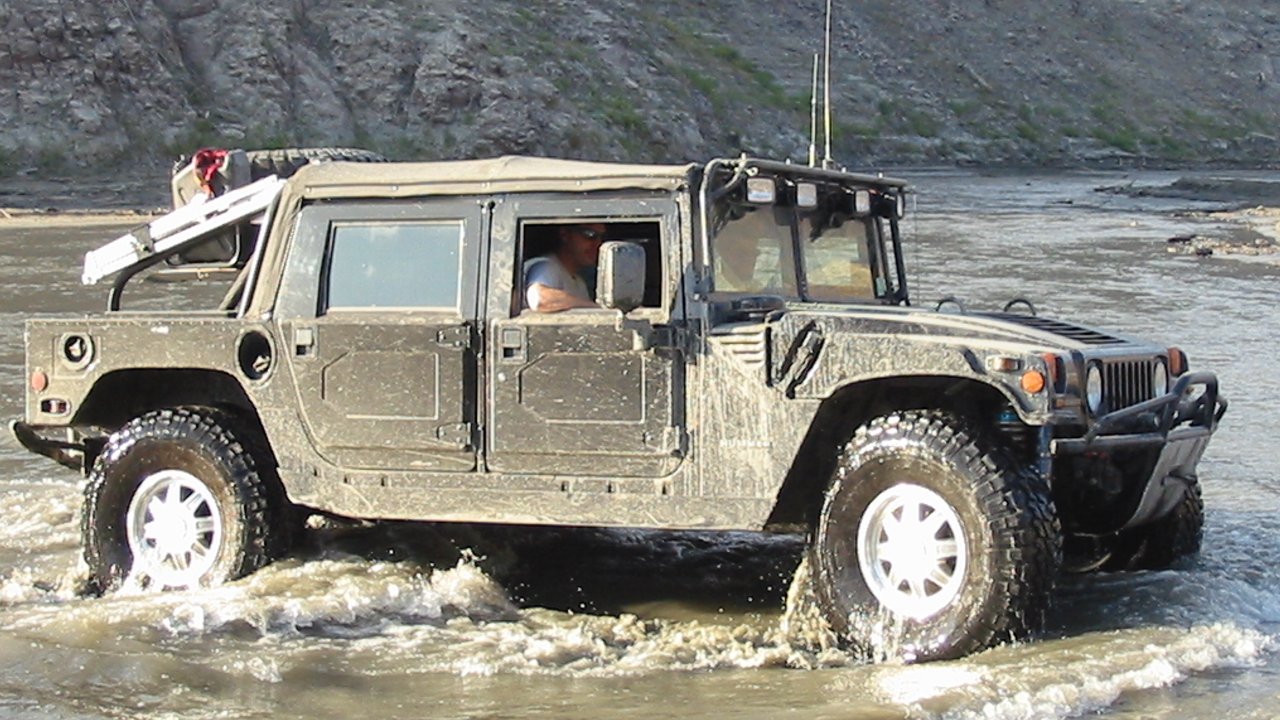
Even without the celebrity link, this Hummer H1 would be notable for its specification, which reflects how Tupac Shakur wanted to be seen on the road. The truck started life as a 1996 American Motors Hummer H1, built back in the period before General and the Hummer brand were folded into a broader marketing push, and it was ordered with a diesel powertrain rather than the later gasoline versions. Contemporary descriptions of the truck highlight that it remains largely in original configuration, with the diesel setup that enthusiasts often prefer for its torque and durability, and that detail has been repeated in recent coverage of the vehicle being for sale again.
What makes it unmistakably Tupac’s, though, are the modifications layered on top of that base. The Hummer was outfitted with off‑road accessories and cosmetic tweaks that turned the already imposing H1 into something closer to a rolling stage: upgraded wheels and tires, external lighting, and a black finish that matched the aggressive stance described in earlier auction previews. Later write‑ups of the truck’s return to the market note that it carries a suite of comfort features that were not guaranteed on early H1s, including air conditioning, a rear sliding glass window, privacy glass, and other convenience items that made it more usable as a daily driver. Those touches, combined with the diesel drivetrain, help explain why the truck has been preserved rather than parted out or heavily reworked by subsequent owners.
A wild auction history, from raffle prize to six‑figure sales
The market history of Tupac’s Hummer reads like a case study in how cultural significance can transform a niche vehicle into a blue‑chip collectible. After the BET “Picture Me Rollin” raffle moved the truck out of storage, it eventually landed at a specialty auction where it sold for $337000, a figure that immediately signaled how far buyers were willing to go for a direct link to Tupac Shakur. Coverage of that sale emphasized that the price was far above typical H1 values at the time and framed the truck as a centerpiece of a themed auction focused on pop culture artifacts.
The story did not end there. The Hummer returned to the block again, with one high‑profile sale described as bringing in more than $300, a shorthand reference to a hammer price that cleared the $300000 mark and reinforced the idea that this was no ordinary used truck. Later, when the vehicle was consigned to another sale, the auction house set a pre‑sale estimate of $100, a figure that, in context, pointed to a six‑figure expectation that still looked conservative compared with the earlier $337000 result. When the gavel finally fell at that event, the truck sold for $206,531, a number that some observers described as lower than anticipated but still far above what a comparable non‑celebrity H1 would command.
Why the low mileage and quiet listing matter now
The latest chapter in this saga hinges on two selling points: the Hummer’s low mileage and the relatively understated way it has been brought back to market. Recent coverage of the current sale notes that the truck has been driven sparingly since its time as a raffle prize and auction star, with the odometer reflecting only modest use over the past two decades. That limited mileage aligns with earlier reports that the H1 had been kept in storage for long stretches and maintained in “pristine condition,” a phrase used when the $206,531 sale was reported and one that still appears to apply today.
What has changed is the tone of the marketing. Instead of another headline‑grabbing live auction, the Hummer is now being offered more quietly, positioned as a rare opportunity for a buyer who understands both its mechanical appeal and its cultural weight. A recent feature on the truck being for sale again underscores that it remains largely original, with the same diesel configuration and custom touches that Tupac specified, and that it is being presented as a usable classic rather than a static museum piece. In my view, the combination of low mileage, documented history, and a less theatrical sales format could attract a different kind of bidder, someone more interested in long‑term stewardship than in flipping the truck at the next big event.
What this sale says about the market for hip hop artifacts
Each time Tupac’s Hummer has crossed the block, it has served as a barometer for how collectors value hip hop history relative to more traditional memorabilia. The early six‑figure results, including the $337000 sale and the later $206,531 hammer price, showed that buyers were willing to pay supercar money for a diesel H1 because it carried Tupac Shakur’s name and a clear ownership trail. The fact that the truck could repeatedly return to auction and still command strong bids suggested that demand was not limited to a single hype cycle but part of a broader shift in what serious collectors consider worthy of investment.
The current low‑profile listing will test whether that appetite has matured into something more stable. If the Hummer finds a buyer at a price in line with its past results, it will reinforce the idea that vehicles tied to major cultural figures can hold their value over time, especially when they are as distinctive and well documented as this one. If it sells for less, closer to the $100‑range estimates that once looked conservative, that could indicate a market that has cooled from its peak but still recognizes the truck as more than just a used off‑roader. Either way, the quiet return of Tupac’s low‑mileage 1996 Hummer H1 to the market shows how a single vehicle can carry decades of musical, cultural, and automotive history every time someone hangs a “for sale” sign on it.
More from Fast Lane Only: