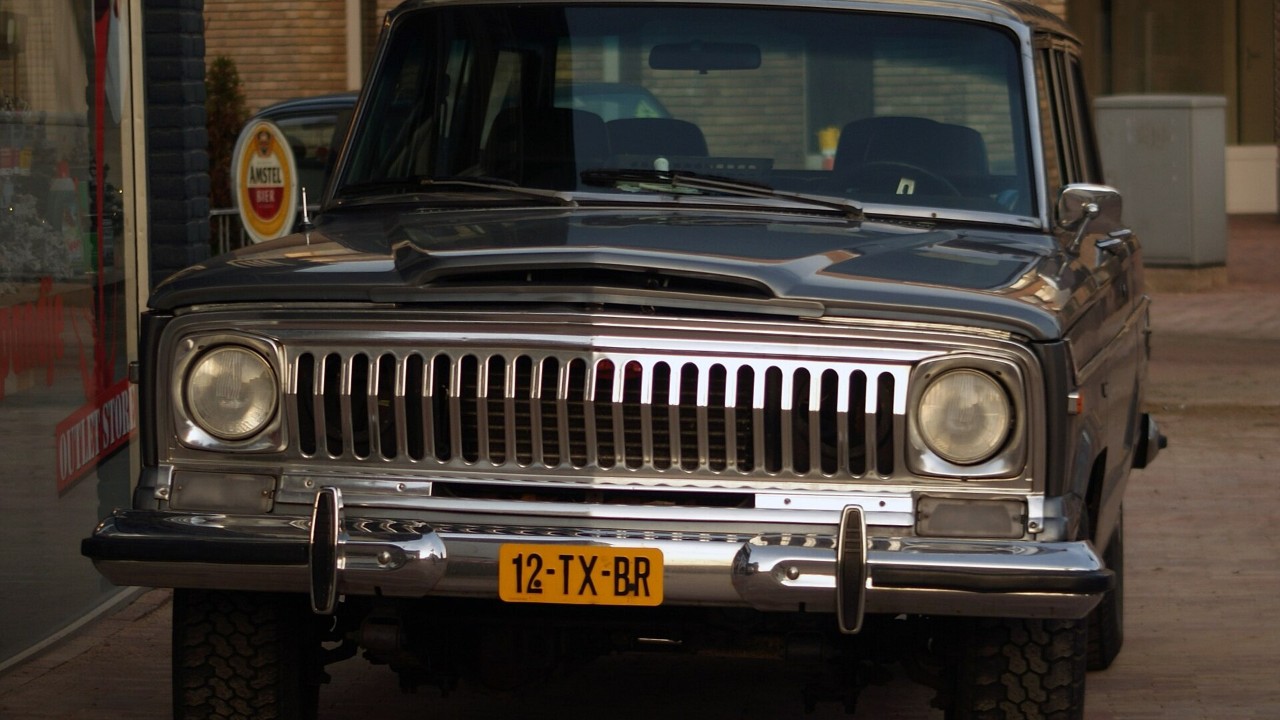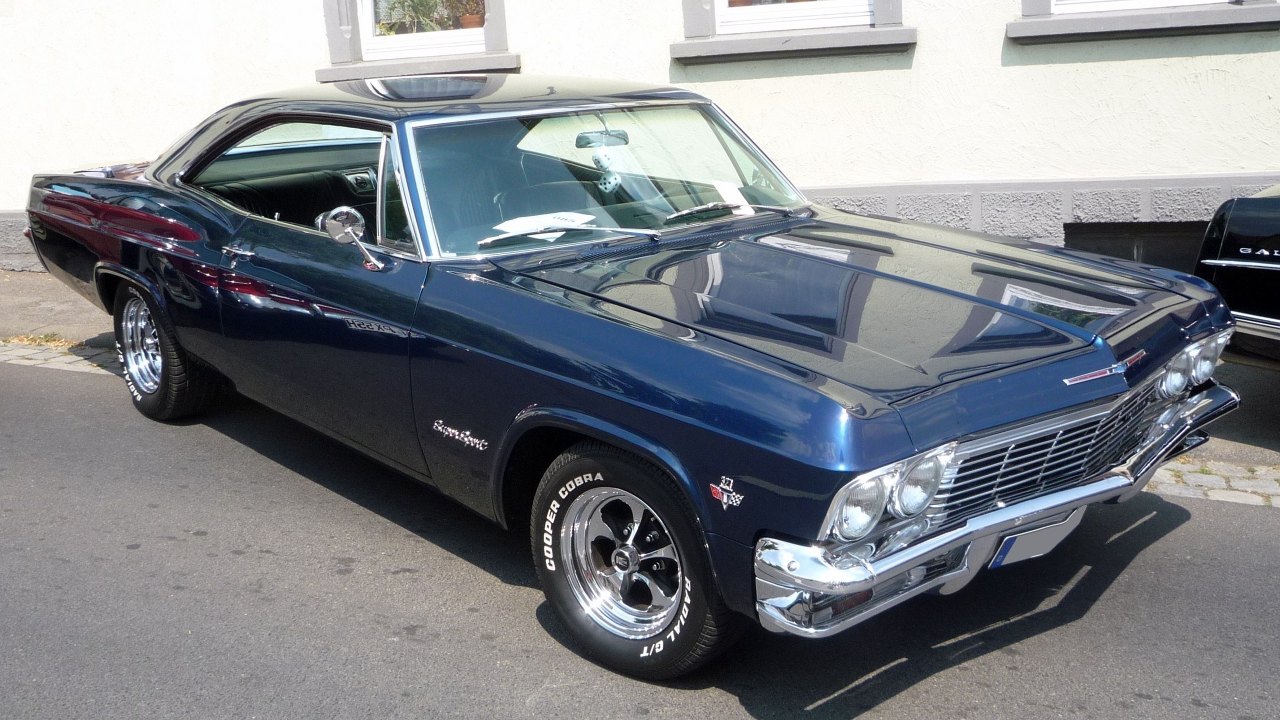
Some of the most satisfying V8 cars never starred in music videos or poster collections, they simply delivered serious pace and character while louder rivals soaked up the attention. The quiet overachievers tended to hide behind conservative styling, obscure badges, or understated marketing, yet they often matched or outperformed the era’s headline acts. I want to look at a handful of those V8s that punched above their image, and why they still matter in a market drifting toward downsized and electrified powertrains.
Why understated V8s matter in a shrinking V8 world
As emissions rules tighten and electrification spreads, the classic V8 is becoming a rarer sight, which makes the low-profile standouts even more interesting. Technical reports on Engine Design and Configuration stress that eight-cylinder layouts are prized for smooth power delivery and high output, yet they also face pressure from efficiency-focused alternatives. In that context, cars that quietly delivered this layout’s best qualities without the usual flash feel like a last, almost subversive expression of the format.
These sleepers also show how much of performance is about engineering rather than image. Some of the most respected V8s among enthusiasts, such as the Toyota UZ and GM LS families, are celebrated less for noise and theatrics and more for reliability, tuning headroom, and versatility, traits highlighted in discussions of the best V8 engines. When those powertrains are wrapped in unassuming sheet metal, the result is a car that can embarrass flashier machinery on the road while looking like a commuter in the office car park.
Mercedes-Benz 500E: the boardroom express that ran with supercars
Few cars capture the idea of a stealth V8 better than the Mercedes-Benz 500E, a sedan that looked like a standard early 1990s executive car but delivered performance on par with contemporary exotics. Built in limited numbers and often described as One of the rarest production Mercedes models of its era, it packed a large-displacement V8 into the conservative W124 body. The result was a car that could cross continents at supercar speeds while its understated styling and subtle stance kept it largely invisible to anyone not in the know.
What set the 500E apart was not just straight-line speed but the way it integrated that power into a package that still felt like a serious business tool. Contemporary accounts emphasize how it combined the durability expected of a Mercedes with the kind of acceleration that left more ostentatious sports cars scrambling, which is why it regularly appears in lists of Sleeper That Goes Under The Radar models. In an era when many performance cars shouted about their capabilities with wings and graphics, the 500E proved that a V8 sedan could be both devastatingly quick and almost anonymous.
Chevy SS: a family sedan with track-day credentials
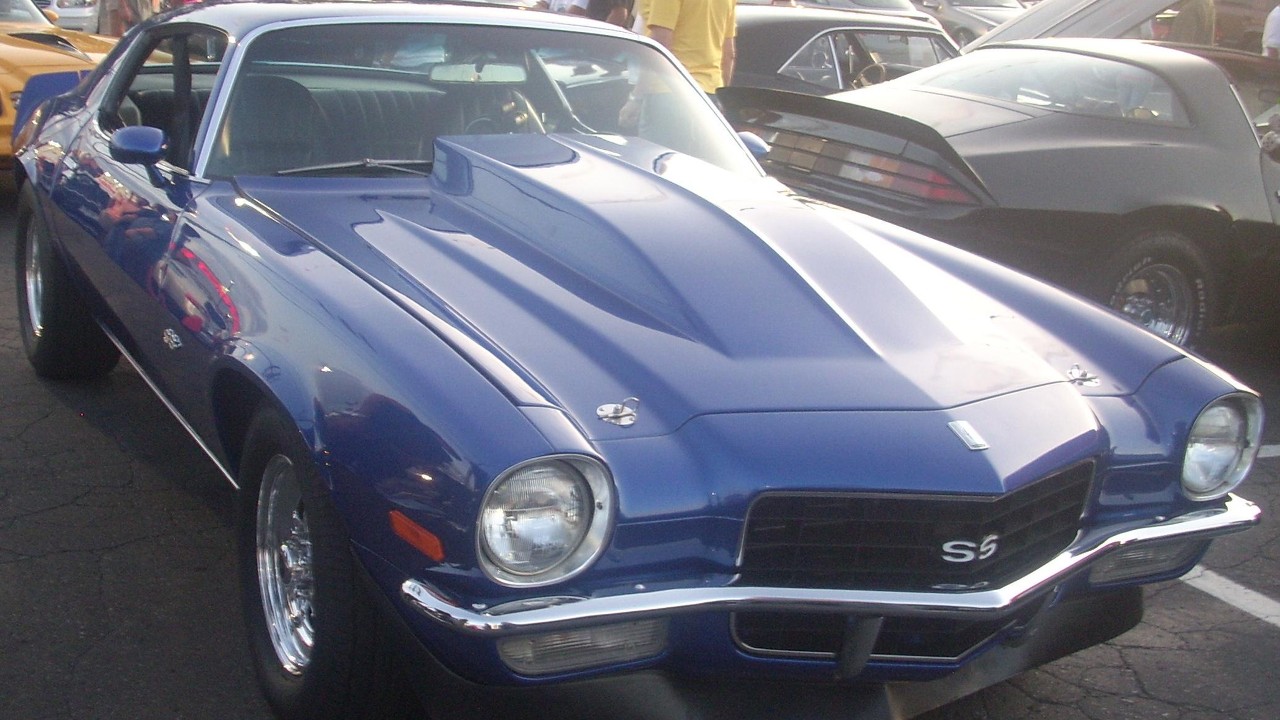
The Chevy SS followed a similar philosophy decades later, arriving as a plain-looking four-door that quietly hid serious hardware. On enthusiast forums, when drivers ask for something uncommon with a V8, the Chevy SS surfaces quickly, precisely because it never sold in huge numbers and never had the visual drama of a traditional muscle car. Yet under the conservative bodywork sat a V8 closely related to the GM LS-series that mechanics and tuners repeatedly single out as one of the most capable eight-cylinder families on the market.
That LS connection matters, because in technical discussions of the best V8 engine ever made, the GM LS-series is mentioned alongside the Toyota 1UZ-FE and Mercedes M119 as a benchmark for strength and tunability. That means the SS is not just a quick sedan out of the box, it is a platform that responds well to modification, even if its styling suggests a rental counter upgrade. In daily traffic it reads as a generic family car, but on a back road or track day it can run with far more extroverted machinery, which is exactly the kind of quiet outperformance that defines this group.
TVR Cerbera and AJP8: lightweight engineering over loud branding
At the other end of the spectrum from big sedans sits the TVR Cerbera, a coupe that prioritized low mass and a bespoke V8 over marketing polish. Reports on the lightest V8 car money can buy describe how The TVR Cerbera, produced between 1996 and 2006, combined a very low curb weight with a potent V8 that delivered 320 lb-ft of torque. That power-to-weight ratio allowed it to out-accelerate many more famous sports cars of its day, even if its badge recognition outside enthusiast circles remained limited.
The engine at the heart of the Cerbera, the TVR AJP8, is also singled out in lists of the best V8 engines ever made, where it appears alongside heavy hitters like the Toyota UZ and Chrysler Hemi. That inclusion underscores how the car’s performance credentials rest on serious engineering rather than marketing hype. While TVR styling was hardly subtle, the brand’s relative obscurity meant that many drivers underestimated what a Cerbera could do until it disappeared up the road, a reminder that some of the most advanced V8 work happened far from the biggest showrooms.
European precision: Audi’s 4.2 FSI and tunable German V8s
Not all underappreciated V8s hide in anonymous bodies, some are overshadowed by turbocharged successors or more famous badges in the same showroom. The naturally aspirated 4.2 FSI V8 in the B8-generation Audi RS5 is a good example, praised in enthusiast videos as a legend in its own right, with the figure 4.2 itself becoming shorthand for a particular kind of high-revving character. In an era increasingly dominated by forced induction, that engine’s linear power delivery and distinctive sound gave the RS5 a personality that numbers alone could not capture, yet it rarely gets the same attention as newer turbocharged models.
Beyond that single engine, European tuning culture has quietly turned several German V8s into serious performers without much mainstream fanfare. In discussions of heavily tunable V8s, enthusiasts point to European options supported by companies like APR for Audi, Renntech for Mercedes and Dinan for BMW, which have built reputations on extracting large gains from factory engines while keeping drivability intact. That ecosystem means a relatively understated S or AMG sedan can be transformed into something that runs with supercars, all while looking like a well-optioned company car. It is another form of quiet outperformance, driven by engineering depth and aftermarket expertise rather than factory theatrics.
Japanese ingenuity and the global sleeper V8 tradition
Japan’s car industry has a long history of slipping V8s into vehicles that do not immediately read as performance machines, a pattern highlighted in coverage of unexpected cars powered V8 engines. The island nation’s automotive industry has a long heritage of squeezing V8 engines into cars that look destined for far more modest roles, from luxury cruisers to quirky coupes. That approach mirrors the broader sleeper ethos, where the powertrain’s capability far exceeds what the styling or badge might suggest.
On the engine side, the Toyota 1UZ-FE, part of the wider Toyota UZ family, is repeatedly cited in mechanic and enthusiast discussions as one of the standout V8 designs of the modern era. In debates over the best V8 engine ever made, Some names that keep coming up are the Toyota 1UZ-FE, the Mercedes M119, and the GM LS-series, a trio that reflects a balance of reliability, refinement, and tuning potential. Many of the cars that carried those engines were marketed as comfortable, even conservative, yet the hardware under the hood gave them performance and longevity that quietly outclassed flashier rivals. In a future where V8s are likely to be rarer and more specialized, those understated overachievers may end up defining how the configuration is remembered.