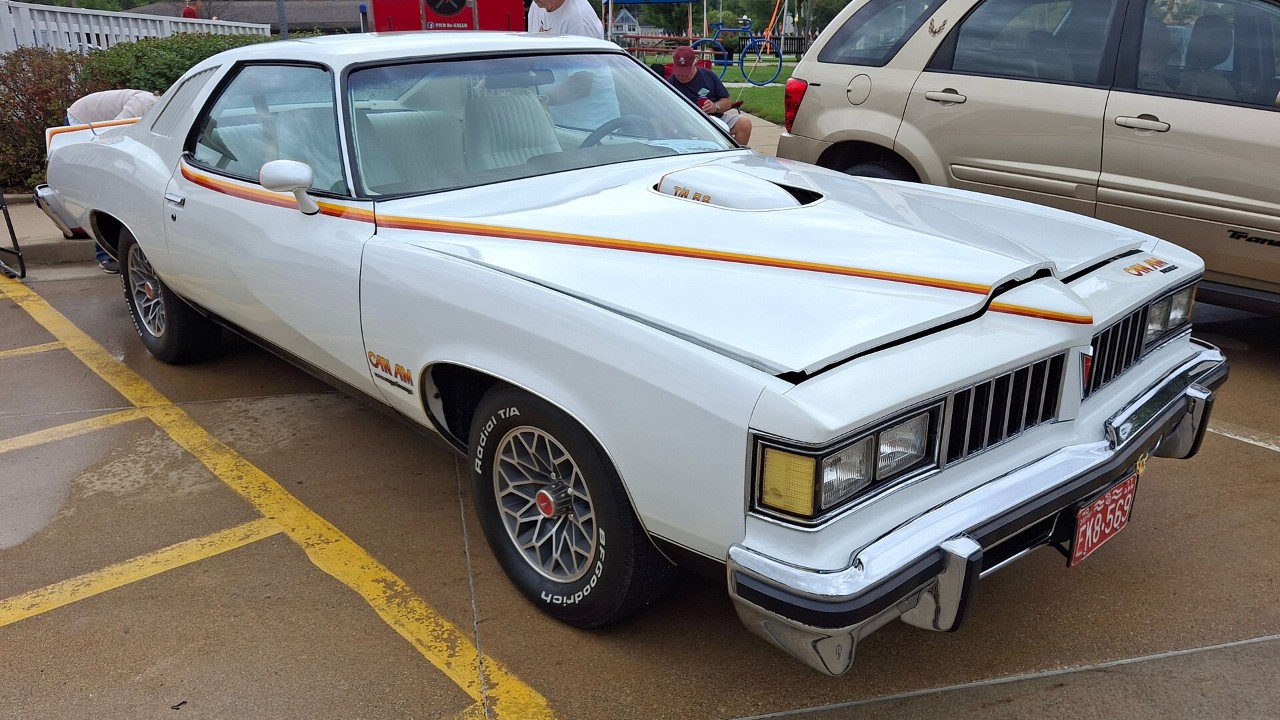
On paper, muscle cars were supposed to be blunt instruments, all noise and straight-line speed, easily outgunned by bigger, more expensive machinery. On the street, the story was often very different. The most memorable American bruisers were the ones that punched above their weight, using lighter bodies, clever engineering, and unapologetically loud personalities to humble larger rivals at the stoplight.
When I look back at that era, the pattern is clear: the cars that embarrassed giants were not always the most powerful, but the ones that combined big torque with relatively modest size and ruthless focus. From factory drag specials to stripped intermediates, they turned weight, traction, and attitude into equalizers that raw displacement alone could not match.
How smaller intermediates flipped the power script
The turning point came when Detroit realized that stuffing big engines into smaller, lighter shells could outclass heavier full-size flagships in real-world runs. Consumers quickly caught on that intermediate platforms, with less mass to move, could turn the same horsepower into much more brutal acceleration. As Consumers figured out, the right A-body or mid-size chassis could deliver performance that embarrassed the company’s own luxury barges, let alone rival brands’ big cruisers.
That shift made the classic street scene lopsided in unexpected ways. A seemingly modest intermediate with a big-block option could roll up next to a prestige full-size and leave it behind before the larger car had even clawed for traction. The combination of shorter wheelbases, lower curb weights, and aggressive gearing meant these “middle children” of the lineup often became the true performance benchmarks, even if the brochures still pushed the bigger, pricier models as halo cars.
Dodge Super Bee: loud, cheap, and quicker than it looked
The Dodge Super Bee embodied that formula of smallish body, big engine, and zero subtlety. Built on a mid-size platform and sold as a budget alternative to more polished muscle, it was designed to be crude, loud, and effective. Period accounts describe it as one of those cars that managed to be loud in both senses of the word, visually and mechanically, with bright paint, graphics, and a thunderous exhaust that made its presence impossible to ignore. One analysis of Dodge Super Bee models highlights how the combination of garish paint schemes and huge engines turned them into rolling declarations of intent.
On the street, that intent translated into humiliation for larger, supposedly more sophisticated cars. The Super Bee’s relatively simple engineering, big-displacement powerplants, and stripped-down interiors meant less weight and more of the budget devoted to straight-line speed. Against heavier personal luxury coupes or full-size sedans with similar or even higher advertised horsepower, the Bee’s traction and power-to-weight advantage often made the difference in a short sprint. It was not refined, but that was the point: it existed to win the first hundred yards and leave bigger rivals staring at its tail stripe.
Ford Fairlane Thunderbolt: factory freak that rewrote expectations
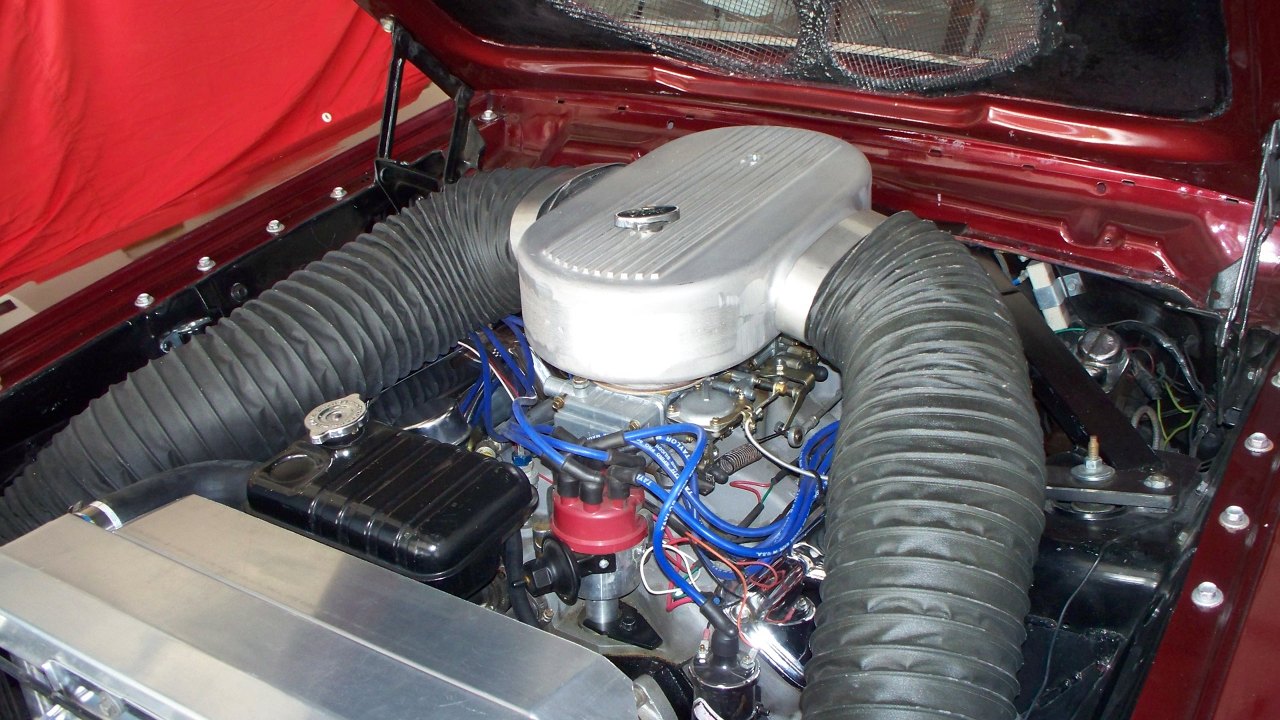
If the Super Bee was the loud street brawler, the Ford Fairlane Thunderbolt was the assassin that made even purpose-built race cars nervous. The car started as a humble Fairlane, then was transformed by Ford’s competition arm into a limited-run drag weapon. The project, known internally as The Fairlane Thunderbolt, was Zimmermann’s first project for Ford’s Special Vehicle operations, conceived as a factory experimental drag car that could be homologated into the NHRA Super Stock class.
What made the Thunderbolt so devastating on the street was how little it cared about comfort or pretense. Ford engineers stripped weight wherever possible, then dropped in serious big-block power, creating a car that was not a regular production model at all but a focused experiment in acceleration. As one retrospective on Ford Fairlane Thunderbolt The Thunderbolt notes, it was a limited-run Ford experiment built specifically to dominate in a straight line, and its name reflected exactly how it performed. Lined up against heavier full-size performance models, the Thunderbolt’s ruthless weight reduction and drag-focused setup meant it could leave them scrambling, its humble Fairlane roots making the defeat sting even more.
Bill Thomas Cheetah: a wild card that could humble exotics
Not every giant killer wore a familiar Detroit badge. The Bill Thomas Cheetah was an independent effort that took the muscle car ethos to an extreme, pairing a powerful American V8 with a radically compact, almost improvised body. Its proportions were so unconventional that they created an unusual layout, with the engine pushed far back in the chassis. According to one detailed account, But the awkward shape and the engine placement resulted in almost a 50:50 weight distribution, close to a mid-engine setup in terms of balance.
That near mid-engine balance, combined with raw V8 torque, meant the Cheetah could do more than just run hard in a straight line. On the street, it had the potential to shock European sports cars that expected American iron to be clumsy in corners. The same report notes that the design created a very hot cabin under hard driving, a reminder that comfort was sacrificed in pursuit of performance. Yet that tradeoff is exactly what defined the era’s most surprising street heroes: they were willing to give up refinement to gain the kind of agility and traction that let them challenge bigger, more prestigious rivals in real-world conditions.
Why these underdogs still matter in the muscle car story
Looking across these examples, a consistent pattern emerges: the cars that embarrassed larger rivals did so by exploiting physics and priorities, not just horsepower. Intermediates that enthusiasts gravitated toward, as highlighted in the analysis of how Consumers embraced smaller, lighter cars, showed that weight and chassis choice could turn a mid-range model into a giant killer. The Dodge Super Bee proved that a relatively affordable, visually loud package could out-accelerate more expensive machines, while the Ford Fairlane Thunderbolt demonstrated how far a manufacturer would go when it built a car with drag racing, not daily driving, as the primary mission.
Even outliers like the Bill Thomas Cheetah fit into that narrative, using unconventional layouts and near 50:50 balance to challenge expectations of what an American performance car could do. When I trace the legacy of these machines, I see more than nostalgia. I see a blueprint for how clever engineering, weight-conscious design, and a willingness to sacrifice comfort can let a supposedly lesser car dominate something bigger and more prestigious. That tension between appearance and outcome, between spec sheet and street reality, is what keeps these muscle legends relevant long after the last stoplight race has faded into memory.