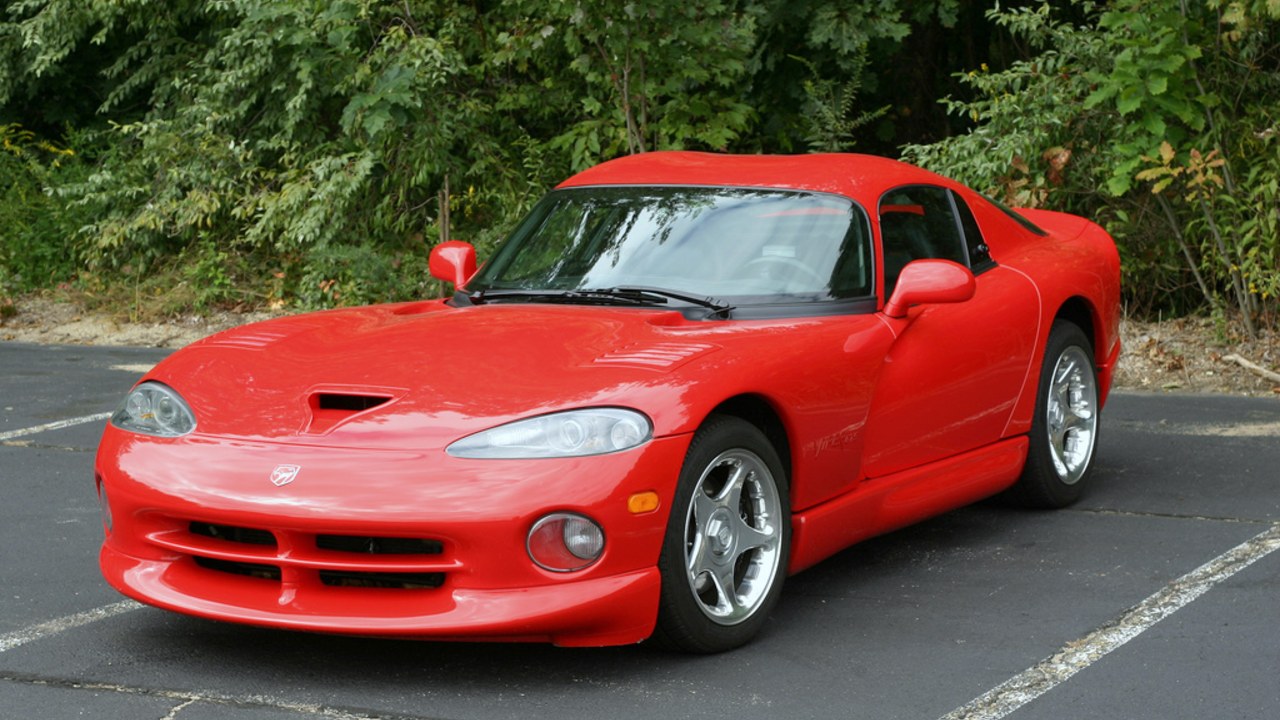
Every Dodge Viper ever sold used a Viper V10, but the engine never stayed the same for long. Over five generations, it grew from 8.0 liters to 8.4 liters and from 400 horsepower to 645. Chrysler’s own 2013 launch release calls that car the fifth generation, so that’s the count we use here.
Each output figure below comes from a Chrysler or Dodge release, or from Hagerty. Where a rating changed partway through a generation, we give the model year it belongs to.
1. 1992–1995 Dodge Viper RT/10
The first Viper was a roadster and nothing else. According to Motor1, it debuted in 1991 and went on sale in 1992 with an 8.0-liter V10. Dodge built the early cars at its Mack Avenue plant in Detroit from 1992 to 1994, according to a later Dodge release.
The output was simple to remember. In fact, Hagerty’s Viper buyer’s guide rates the Gen I car at 400 horsepower. That figure covers the Gen I years from 1992 through 1995, and it’s the baseline for every later Viper V10.
2. 1996–2002 Dodge Viper GTS and RT/10
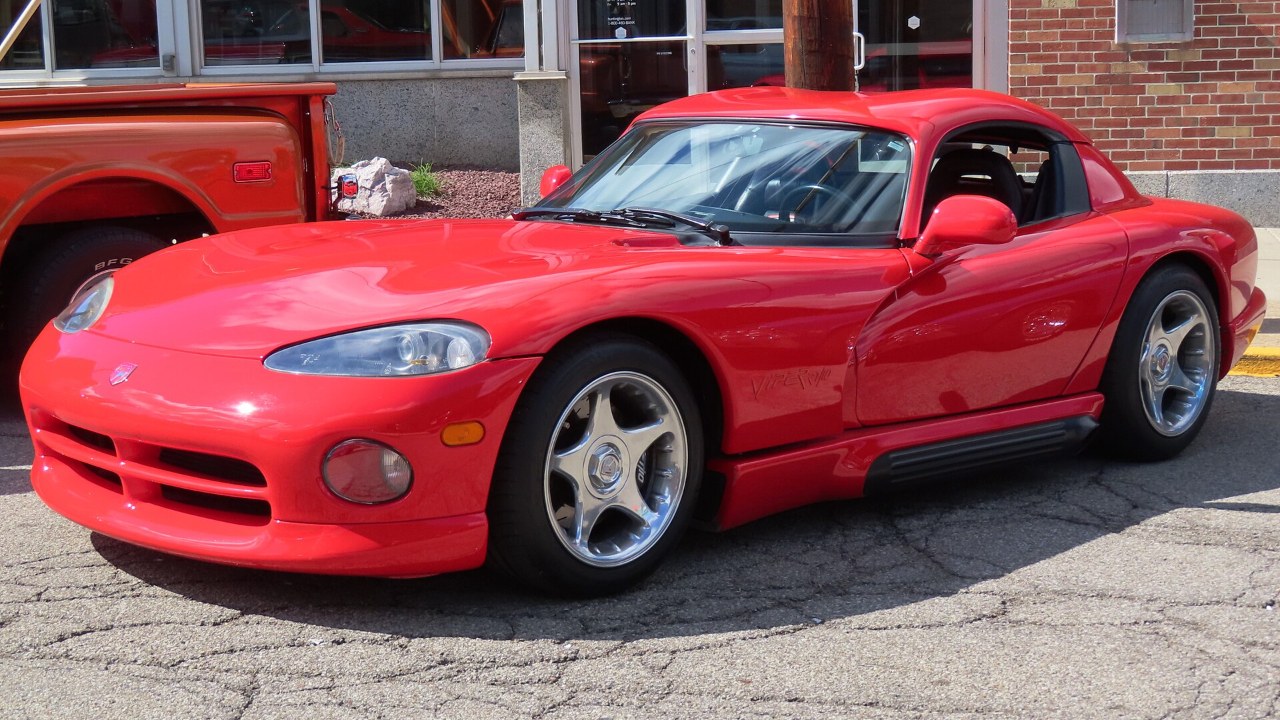
The second generation brought the Viper its first roof. Hagerty says the 1996 GTS coupe was the first fixed-roof edition, and the Gen II RT/10 roadster followed a year later. However, Hagerty also flags a “Gen 1.5” exception: 1996 RT/10s that mixed old and new parts.
The true Gen II engine was still 8.0 liters, now rated at 450 horsepower and 490 lb-ft, according to Hagerty. Meanwhile, the ACR and GT2 Championship Edition added 10 horsepower and 10 lb-ft. Hagerty also says Dodge sold just over 10,000 second-gen Vipers. Today, its guide puts a concours-quality GTS coupe at $65,000 to $71,000.
3. 2003–2006 Dodge Viper SRT-10

For 2003, the Viper changed its name and its engine. Chrysler called it an all-new 8.3-liter V10 rated at 500 horsepower. That’s a jump of 50 horsepower over the regular Gen II car.
Buyers had a choice of bodies again. Motor1 says the third generation came as a coupe or a convertible. Chrysler later recalled the 2003 engine’s figures in its 2008 Viper SRT10 release, which is where the 8.3-liter, 500-hp rating comes from.
4. 2008 Dodge Viper SRT10
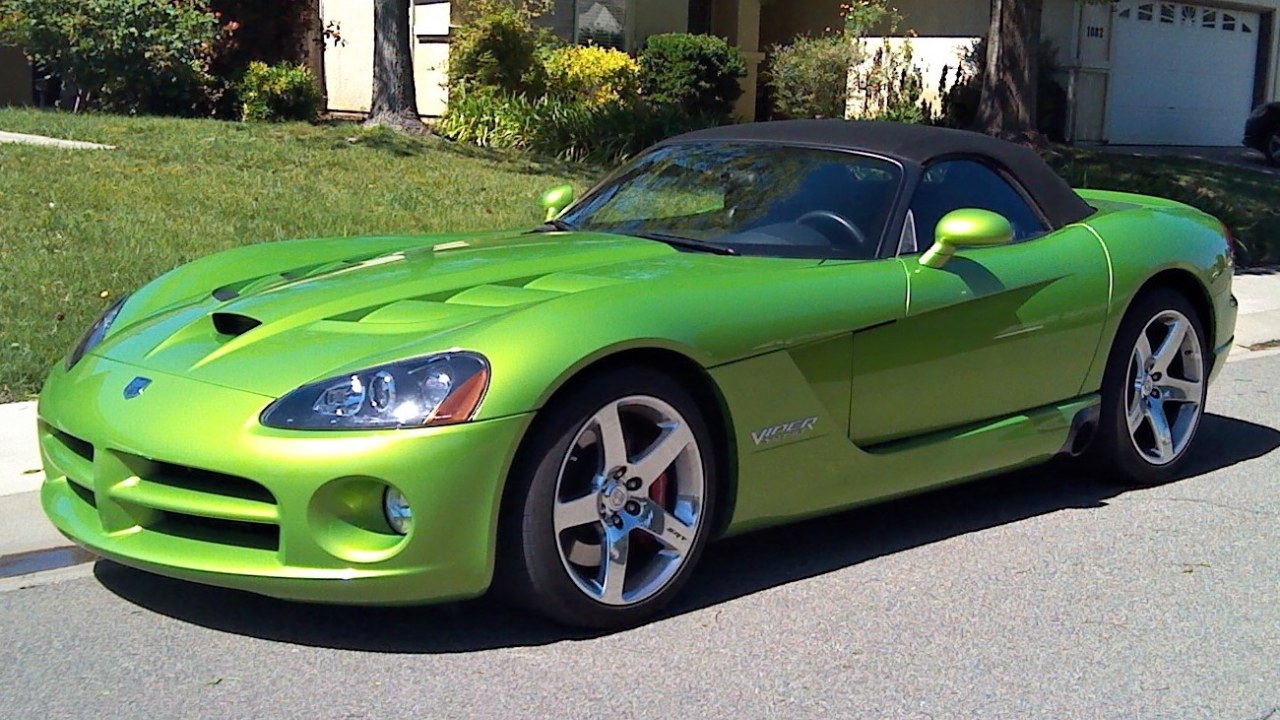
The fourth generation brought the biggest single jump in output. According to Chrysler’s August 31, 2007 release, the 2008 SRT10 used an 8.4-liter V10 with 600 horsepower and 560 lb-ft. That’s 510 cubic inches, and it meant 100 more horsepower than the 500 of the 2003 car.
Chrysler got there with more than size. For example, the bore grew by one millimeter, and the engine gained variable valve timing with CamInCam technology. The heads also got CNC-shaped combustion chambers and larger valves. Then a smaller twin-disc clutch cut rotating inertia by 18 percent, the release says.
5. 2013–2017 SRT and Dodge Viper, the Last Viper V10
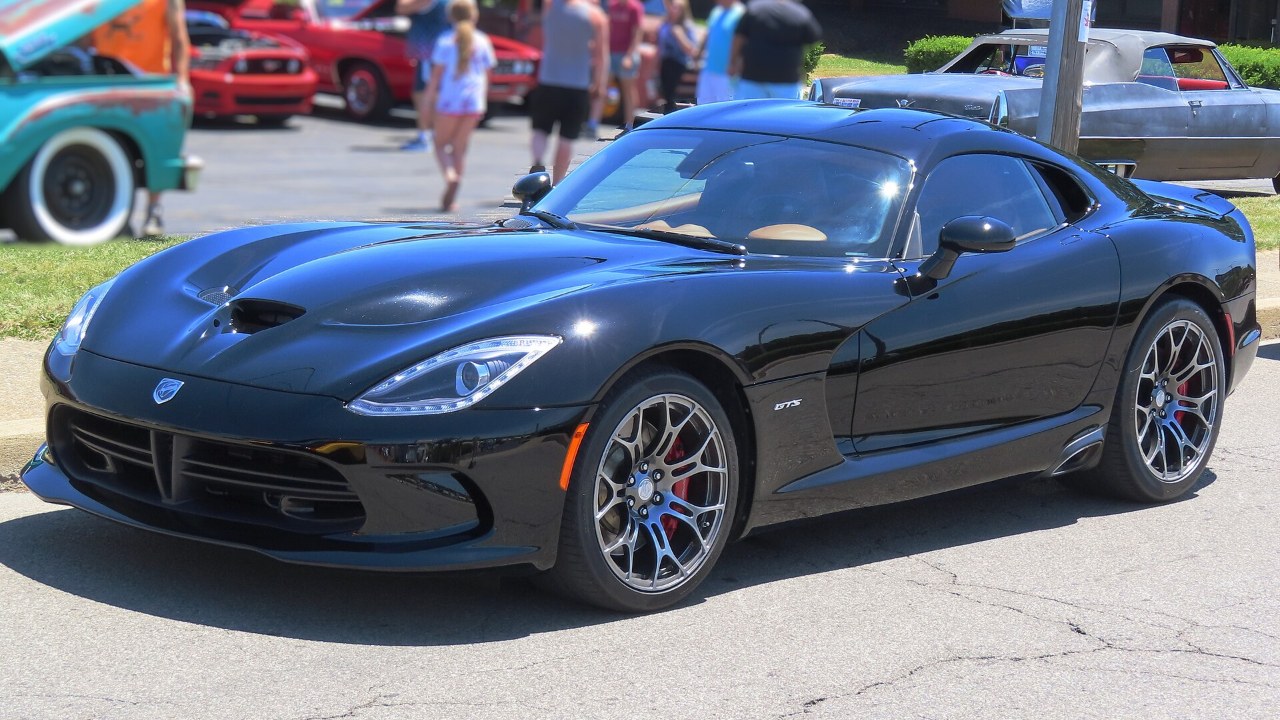
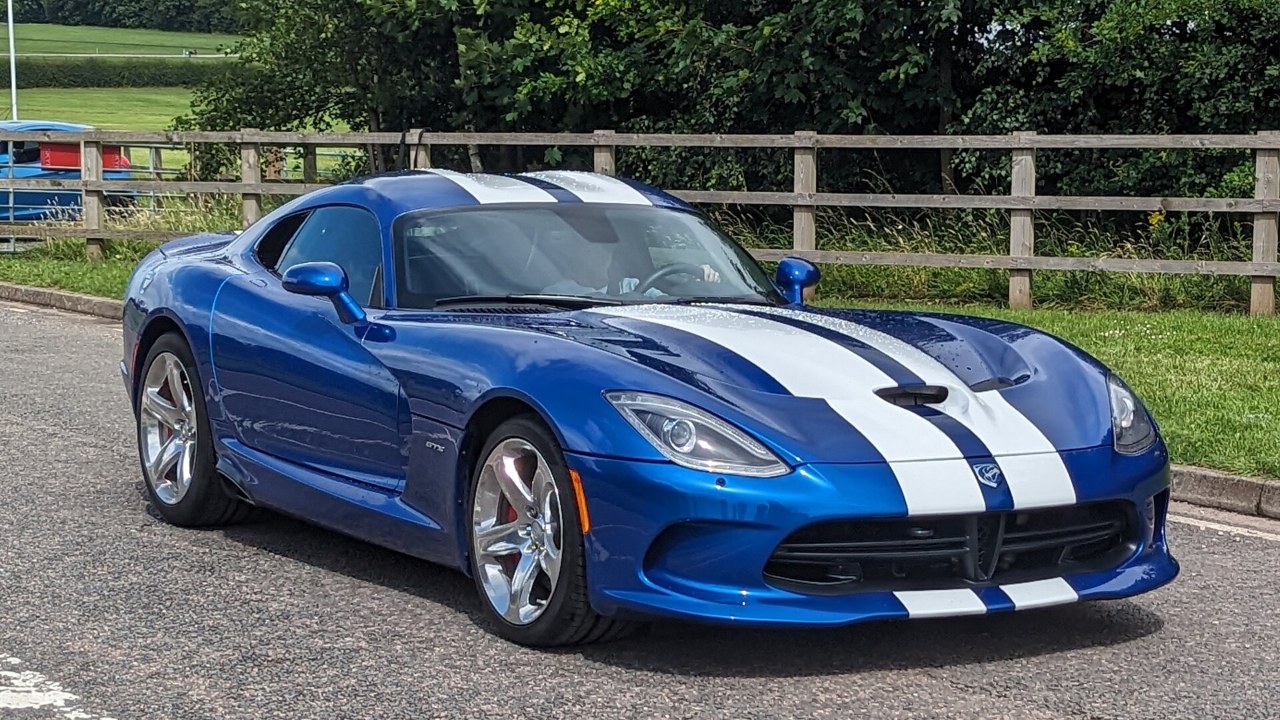
After a pause, the car returned for 2013 under the SRT brand. Chrysler’s April 2012 release, “The Return of the Snake,” calls it the fifth generation. Its 8.4-liter V10 carried estimated ratings of 640 horsepower and 600 lb-ft. Chrysler also claimed that was the most torque of any naturally aspirated engine in the world. Power went through a Tremec TR6060 six-speed manual, and the engine redlined at 6,200 rpm, according to the same release.
The number then rose once more. Dodge’s 2015 Viper release says new calibration and transmission changes raised output to 645 horsepower. Torque stayed at 600 lb-ft. That made the 2015 car’s Viper V10 the strongest of the five generations.
Dodge then named 2017 the final year of Viper production. Its June 2016 release rated every 2017 Viper at 645 horsepower and 600 lb-ft. It also said Dodge and SRT had built about 30,000 Vipers since 1992, at Mack Avenue and then at Detroit’s Conner Avenue plant from 1995.
More from Fast Lane Only
- Unboxing the WWII Jeep in a Crate
- 15 rare Chevys collectors are quietly buying
- 10 underrated V8s still worth hunting down
- Police notice this before you even roll window down
This article was created with the help of AI and was reviewed and edited by Fast Lane Only editors before publication.