Classic fleet vehicles have long been celebrated for their iconic designs and nostalgic value, but their significance lies in the durability lessons they provide. Examining these vehicles can provide modern drivers with insights into longevity, maintenance, and value retention that are often overlooked.
The Evolution of Fleet Vehicles
Fleet vehicles have undergone significant transformation since their inception, primarily designed to serve the practical needs of businesses and government agencies. In the early to mid-20th century, the focus was on utility and longevity, with manufacturers producing vehicles that could withstand the rigors of daily use. The classic Ford Model T, for instance, was not just a car; it was a purpose-driven vehicle that prioritized function over form, designed to be accessible and durable for the masses.
As decades progressed, the automotive industry witnessed key milestones, such as the introduction of more specialized models like the Chevrolet Suburban in the 1930s, which served as both a family vehicle and a workhorse for businesses. The shift from utilitarian design to consumer-focused models began in the 1970s and 1980s, with the advent of more aesthetically pleasing vehicles that catered to personal tastes. Nevertheless, many classic fleet vehicles still hold valuable lessons regarding durability. A later but highly influential example is the Ford Crown Victoria, widely used in law enforcement and taxi fleets, which demonstrated how a single platform could endure decades of intensive real-world service.
Durability Features in Classic Fleet Vehicles
One of the most notable aspects of classic fleet vehicles is their construction materials. Many older vehicles were built primarily from steel, a material known for its strength and resistance to wear and tear. In contrast, modern vehicles often utilize lighter composites and plastics that improve fuel efficiency but may not match the same level of durability. For example, the 1965 Ford F-100, with its robust steel body, has proven to withstand decades of use and abuse, often outlasting newer models.
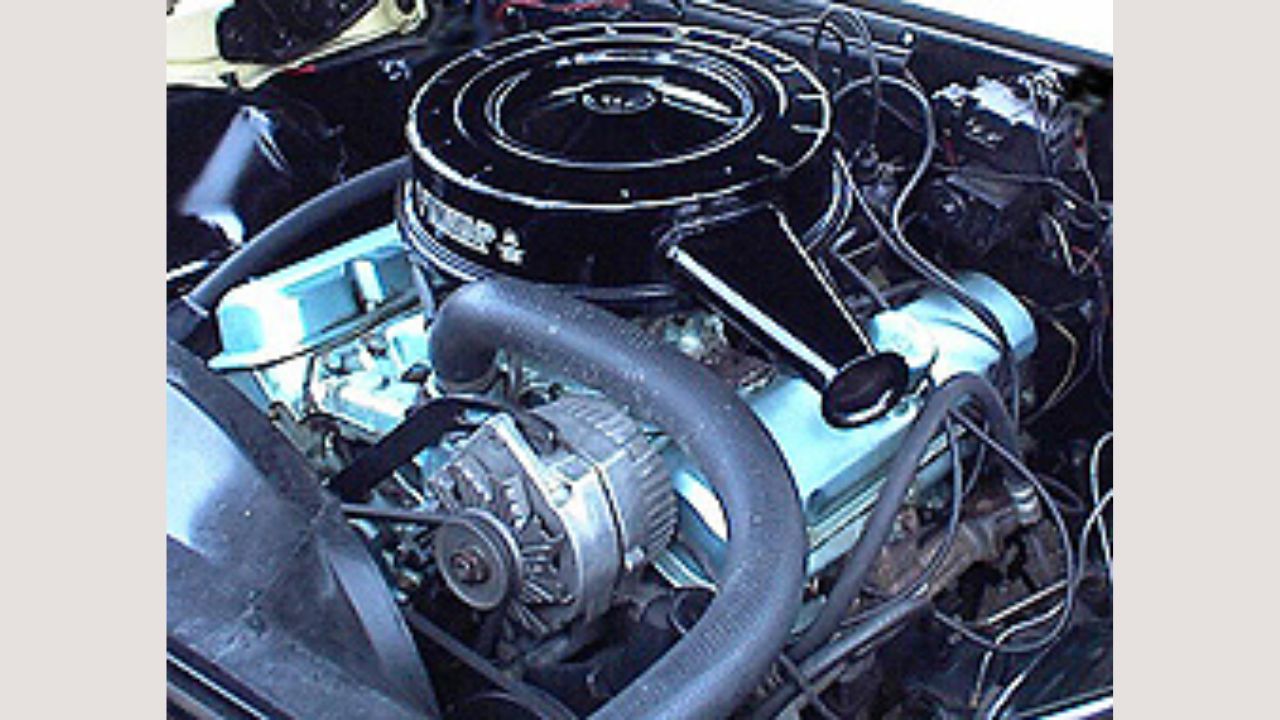
Engine reliability is another crucial factor in the longevity of classic fleet vehicles. Many older engines were designed with simplicity in mind, allowing easy repairs and extended service life. An example is the Chevrolet 350 small-block engine, which has a reputation for durability and ease of maintenance. In an age where modern engines are often equipped with complex electronics and turbocharging systems, the straightforward mechanics of older vehicles can be an advantage for those seeking long-lasting performance. The Ford Crown Victoria reinforced this reputation in modern fleet history, with its V8 drivetrain becoming a benchmark for dependable high-mileage operation in demanding environments.
Maintenance Lessons from the Past
Classic fleet vehicles have instilled a culture of DIY maintenance that many modern vehicle owners overlook. The simplicity of older vehicles allows owners to perform repairs without needing specialized tools or extensive training. For instance, changing the oil or replacing a starter on a 1970s Dodge van can often be accomplished with basic hand tools, enabling owners to manage their vehicle’s maintenance themselves.
Furthermore, the availability of parts for classic vehicles is a significant factor in their durability. Many classic models have a wealth of replacement parts readily accessible, thanks to a dedicated aftermarket and numerous restoration companies. This ease of access ensures that owners can maintain their vehicles without facing the frustration of searching for hard-to-find components. Scheduled maintenance practices, like regular oil changes and brake checks, have also stood the test of time, proving that a proactive approach is key to longevity.
The Ford Crown Victoria also exemplifies this maintenance accessibility in a fleet context, as its widespread use ensured long-term parts availability and simplified repair processes across service garages.
The Role of Design in Durability
The design of classic fleet vehicles often incorporates elements that enhance their structural integrity and overall durability. For example, the boxy design of vehicles like the 1980s GMC Vandura not only catered to aesthetics but also contributed to a robust frame that could handle the rigors of frequent use. Additionally, aerodynamic features, albeit more rudimentary compared to today’s standards, were often optimized in classic designs to improve fuel efficiency and reduce wear on components.
Interestingly, the aesthetics of classic vehicles play a role in consumer perceptions of durability. A vehicle that looks rugged and well-built often instills confidence in its longevity. The Ford Bronco, with its iconic styling, continues to be a sought-after model for its blend of ruggedness and nostalgic appeal. Such designs not only capture the spirit of their era but also communicate a sense of reliability that resonates with drivers. The Ford Crown Victoria followed a similar philosophy in fleet form, where its understated, functional design reinforced its reputation as a dependable service vehicle rather than a lifestyle product.
Real-World Performance of Classic Fleet Vehicles
Many classic fleet vehicles remain in service today, serving as testaments to their durability. For instance, the 1984 Chevrolet K5 Blazer is still popular among off-road enthusiasts and restoration projects due to its robust construction and reliability. Long-term owners often share testimonials about these vehicles, emphasizing their ability to withstand tough conditions while remaining functional and reliable.
When comparing classic fleet vehicles to modern counterparts, the differences in lifespan and repair frequency become apparent. A well-maintained classic vehicle can easily surpass 200,000 miles, while many modern vehicles are engineered for shorter lifespans, often requiring costly repairs as they age. The Ford Crown Victoria is one of the clearest examples of this durability benchmark, with countless units exceeding extremely high mileage in police and taxi service while remaining operational for extended periods.
Fleet Vehicles vs. Consumer Vehicles
The manufacturing priorities between fleet and consumer models differ significantly, with fleet vehicles designed for robustness over comfort and luxury. Fleet vehicles are subjected to rigorous testing under extreme conditions, ensuring they can perform reliably when needed most. This emphasis on durability often results in a more rugged build quality compared to consumer vehicles, which may prioritize aesthetics and features over longevity.
Understanding these differences can inform modern purchasing decisions. Fleet vehicles like the 2020 Ram 1500 are designed with heavy-duty components that can handle demanding tasks, making them ideal choices for those seeking reliability. By considering the traits that make fleet vehicles durable, consumers can make more informed choices about their own vehicles, leading to better long-term satisfaction.
The Ford Crown Victoria further illustrates this distinction, as its fleet-focused engineering prioritized long service life and ease of repair over luxury refinement.
The Impact of Technology on Durability
Advancements in technology have undeniably changed the durability landscape of vehicles. While modern engineering has introduced features that enhance safety and efficiency, it has also complicated vehicle systems, making them less accessible for DIY maintenance. For instance, the integration of complex electronic systems in newer vehicles may offer better performance but can result in higher repair costs and downtime.
Finding a balance between technology and simplicity in vehicle design is crucial for future models. Classic vehicles demonstrate that straightforward mechanics can lead to greater longevity and ease of maintenance. As manufacturers move forward, lessons from classic fleet vehicles can guide the development of new models that prioritize durability while incorporating the latest technological advancements.
Environmental Considerations and Sustainability
Long-lasting vehicles play a significant role in reducing automotive waste, contributing positively to environmental sustainability. Classic fleet vehicles often have longer lifespans, meaning fewer vehicles end up in landfills. Restoring older models not only preserves their durability but also minimizes the environmental impact associated with manufacturing new vehicles. The practice of restoration allows enthusiasts to breathe new life into these classics while promoting sustainable automotive practices.
Classic vehicles serve as a model for sustainable practices in the automotive industry, encouraging manufacturers to consider longevity as a key factor in design and production. By focusing on durability, the industry can reduce its overall carbon footprint while meeting consumer demands for reliable transportation. As more drivers recognize the benefits of long-lasting vehicles, the automotive landscape may shift toward more sustainable practices in the future.
The Future of Fleet Vehicles: Lessons Learned
Classic fleet vehicles offer a wealth of insights that can inform the design of future vehicles. As consumers increasingly prioritize durability, manufacturers must adapt their strategies to meet these demands. Incorporating features that enhance longevity, such as robust materials and straightforward mechanics, can resonate with buyers looking for reliable transportation.
Understanding the value of durability in consumer preferences moving forward is essential. By examining what makes classic fleet vehicles successful, manufacturers can develop models that not only appeal to contemporary tastes but also stand the test of time. Strategies for integrating durability into modern models will be vital as the industry evolves, ensuring that vehicles continue to meet the needs of drivers for generations to come.
More from Fast Lane Only