Between 1998 and 2002, the Pontiac Trans Am WS6 wasn’t just another late-era muscle car—it was one of the last real V8 screamers you could drive off a showroom floor. While the Firebird formula had been around for decades, the WS6 package took it to another level. Ram Air induction, a freer-flowing exhaust, stiffer suspension, and wider wheels gave it more than just a mean look—it gave it bite.
This article digs into what made the 1998–2002 WS6 so memorable, from performance numbers to street presence. Even in an era of rising imports and tech-heavy sports cars, the WS6 stuck to old-school power in a way that still holds up.
LS1 V8 Power

At the heart of the WS6 package was the 5.7-liter LS1 V8, shared with the Corvette. It cranked out 320 horsepower and 345 lb-ft of torque in WS6 trim—slightly more than the base Trans Am. The engine used an aluminum block and heads, contributing to the car’s balance. It could do 0–60 in just over 5 seconds, putting it squarely in sports car territory at the time. And thanks to the LS-series’ tunability, it had plenty of aftermarket potential.
Ram Air Hood
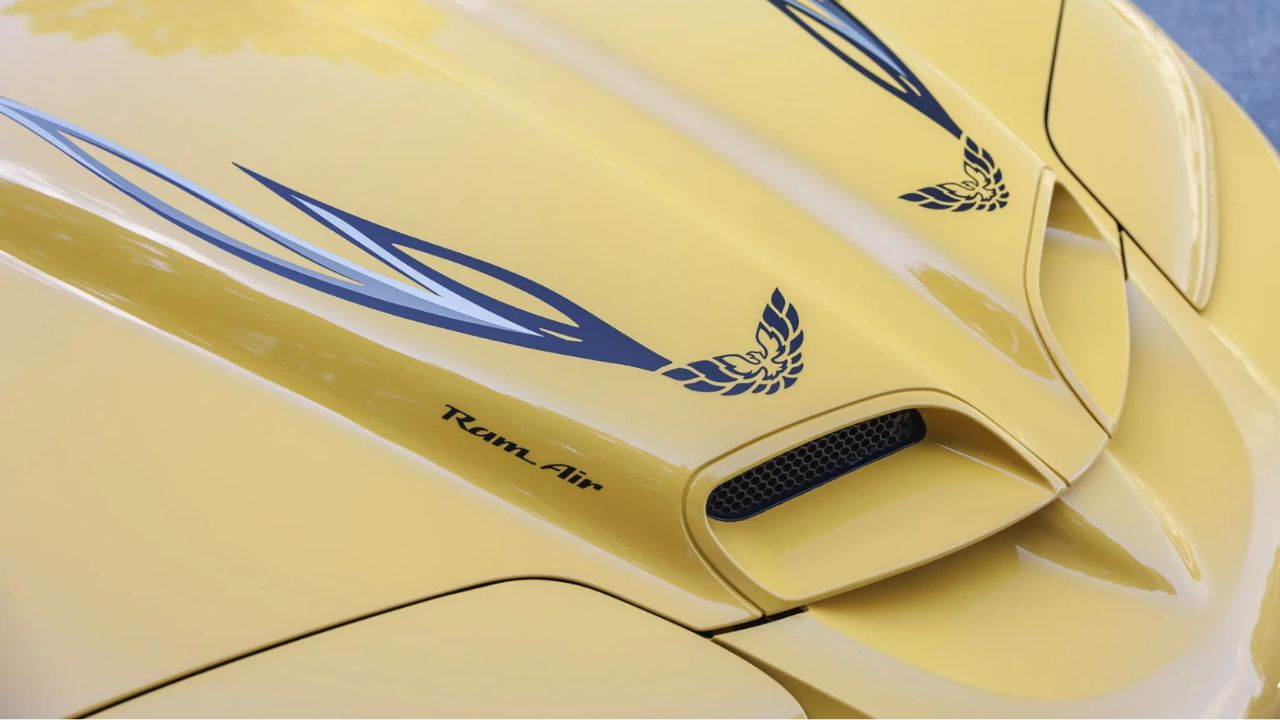
The WS6’s functional twin-scoop Ram Air hood wasn’t just for show. It fed cooler, denser air directly into the intake, improving performance and giving the car a throatier growl under load. Combined with a low-restriction airbox, this setup added a measurable performance bump over the standard Trans Am. The hood design itself became an icon—visually setting WS6 cars apart with aggressive lines that hinted at the engine’s capability.
Performance Suspension Package
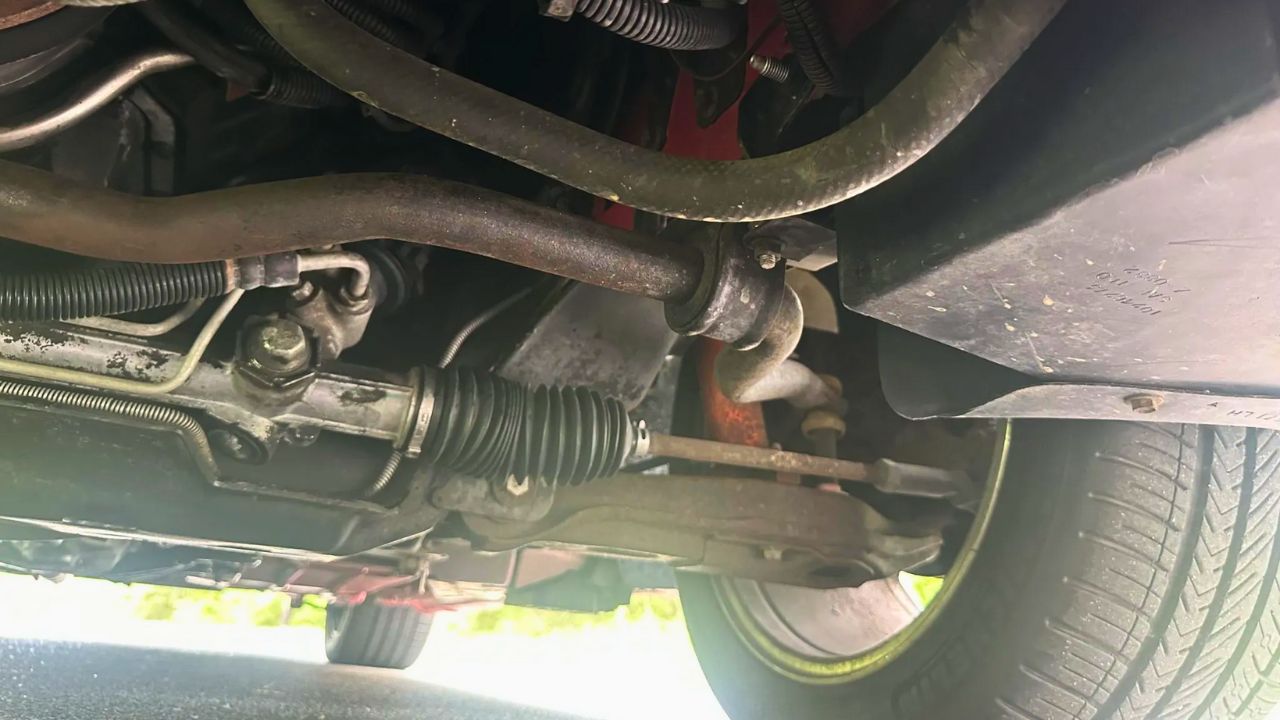
The WS6 name originally referred to a specific suspension package, and that core idea carried through. It came with stiffer springs, larger sway bars, and specially tuned shocks. The result was flatter cornering and tighter handling compared to the base Trans Am. While not a track car by modern standards, the WS6 offered solid grip for a rear-wheel-drive muscle car in the early 2000s—and it was perfectly suited for highway runs and backroad blasts.
17-Inch Wheels and Sticky Tires

WS6 cars got factory 17-inch alloy wheels wrapped in meaty 275/40ZR17 tires. That wider contact patch gave the car better road feel and helped translate its suspension upgrades into real-world handling benefits. The aggressive wheel design also gave the car an unmistakably modern look. It wasn’t just window dressing—the combination of chassis, tire, and wheel changes added up to a more planted, responsive machine.
Available 6-Speed Manual

Unlike many performance packages that got saddled with an automatic, the WS6 could be had with a Tremec T56 6-speed manual. It was the same gearbox used in the Corvette and Viper, offering precise throws and a real connection between driver and machine. The manual version was quicker off the line and more fun to wring out. It also helped the WS6 earn respect in the performance community as a real driver’s car.
Last of Its Kind

By 2002, the writing was on the wall. Pontiac—and the Firebird itself—was about to disappear. That makes WS6 cars from the last few years of production some of the final traditional American muscle cars of their era. With rear-wheel drive, V8 power, and a proper manual option, they marked the end of a long line. Today, that historical context adds to their appeal, especially as modern performance cars get more complex.
Aggressive Styling Cues

From the dual exhaust to the fender vents and Ram Air hood, the WS6 had all the visual cues of a serious street machine. It looked fast parked at a curb, and it followed through when you got behind the wheel. The design might’ve been polarizing, but it’s part of what makes the WS6 memorable today. It didn’t blend in—and for many buyers, that was the whole point.
Underrated Performance

Despite its real-world performance numbers, the WS6 never got the credit it deserved during its production years. Journalists often lumped it in with lesser muscle cars or criticized it for interior plastics. But from a numbers standpoint, it was running with the likes of Mustangs and even C5 Corvettes. That underdog status is part of what’s helped it become a cult favorite with people who know what it can do.
Rising Collector Value

Prices for clean WS6 cars—especially low-mileage 6-speed versions—are on the way up. A decade ago, you could grab one for under $10,000. Today, those same cars are pushing $25,000–$35,000 depending on condition. The WS6’s combination of performance, rarity, and end-of-era appeal has finally caught the attention of collectors. It’s no longer just a budget V8—you’re looking at a future classic.
Strong Community Support

The WS6 has never lacked for fans. From dedicated forums to track day meetups, the community around these cars is still active. That means parts availability is solid, and there’s a wealth of knowledge out there for DIY repairs, upgrades, and performance tuning. If you’re thinking about buying one, you’re not alone—and that network makes ownership more rewarding.
Like Fast Lane Only’s content? Be sure to follow us.
Here’s more from us: