
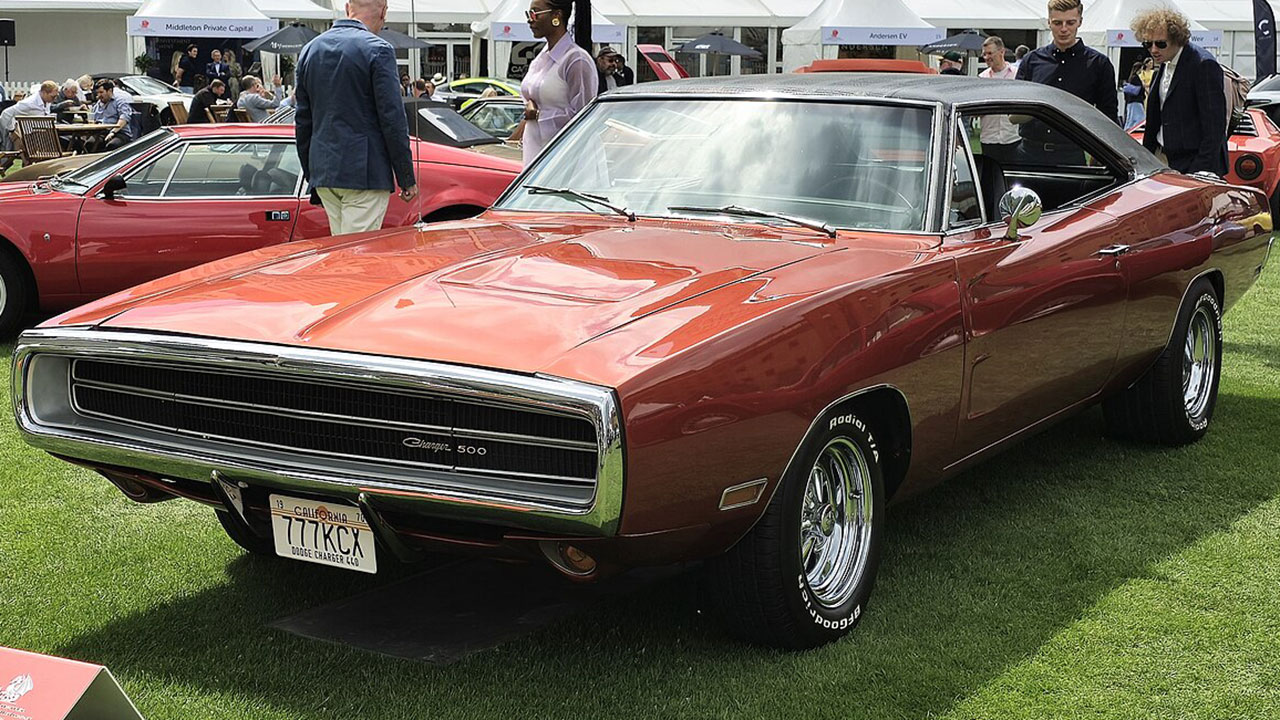
The Dodge Charger SE 500 is a classic muscle car that has captured the hearts of car enthusiasts and collectors alike. Known for its powerful performance and sleek design, the Charger SE 500 holds a special place in automotive history. With its unique blend of muscle and style, it has become a sought-after gem for collectors. Let’s explore the years of production for the Charger SE 500 and its current value in the collector’s market.
Origins and Evolution of the Dodge Charger
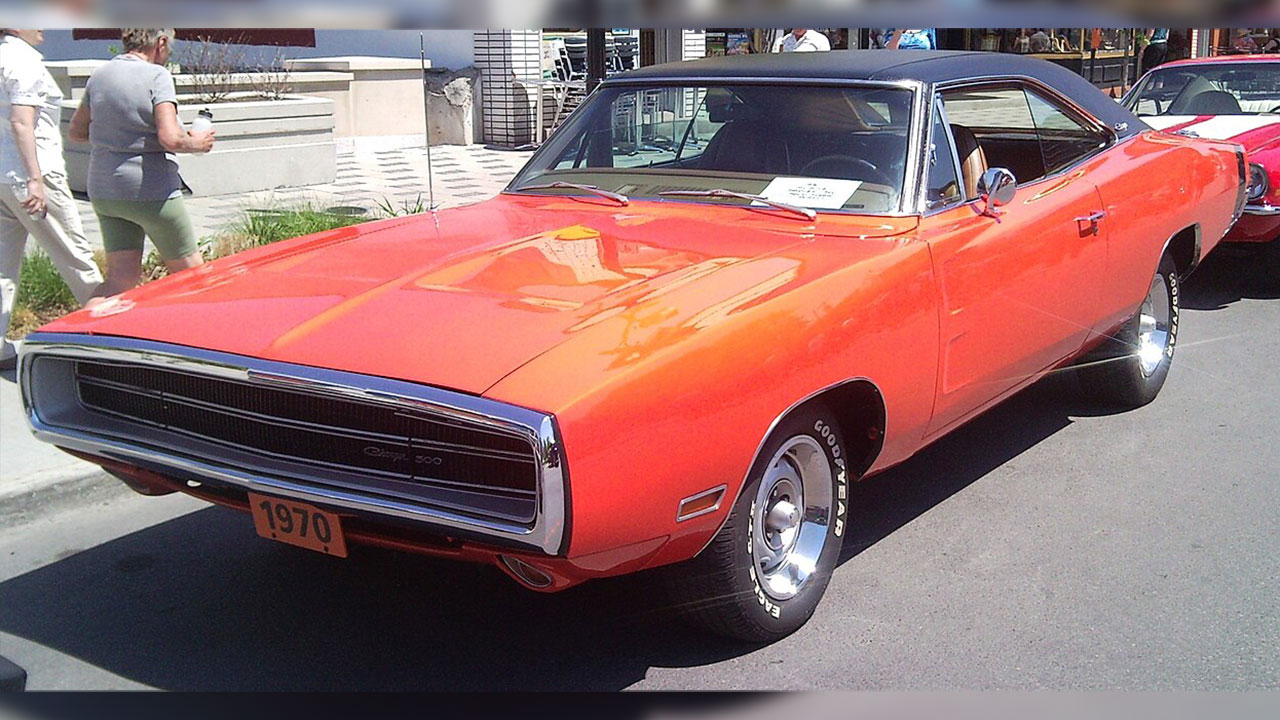
The Dodge Charger made its debut in the mid-1960s, a time when American automakers were fiercely competing in the muscle car segment. The Charger was introduced in 1966 as a fastback version of the Coronet, and it quickly gained popularity due to its aggressive styling and powerful engine options. Its initial success was bolstered by the growing demand for high-performance vehicles, and the Charger became synonymous with American muscle.
Over the years, the Charger evolved, transitioning from a pure performance vehicle to a more luxury-oriented model. This shift was evident in the second generation, which launched in 1968 and featured a more refined design with a focus on comfort and luxury. Despite the changes, the Charger maintained its performance credentials, offering powerful V8 engines and innovative engineering improvements that kept it competitive in the muscle car market.
By the early 1970s, the Charger underwent further design changes, adapting to new safety and emission regulations. These changes marked the end of the era for classic muscle cars as they were originally conceived, but the Charger remained a beloved nameplate in Dodge’s lineup, continuing to evolve with the times.
Production Years of the Charger SE 500
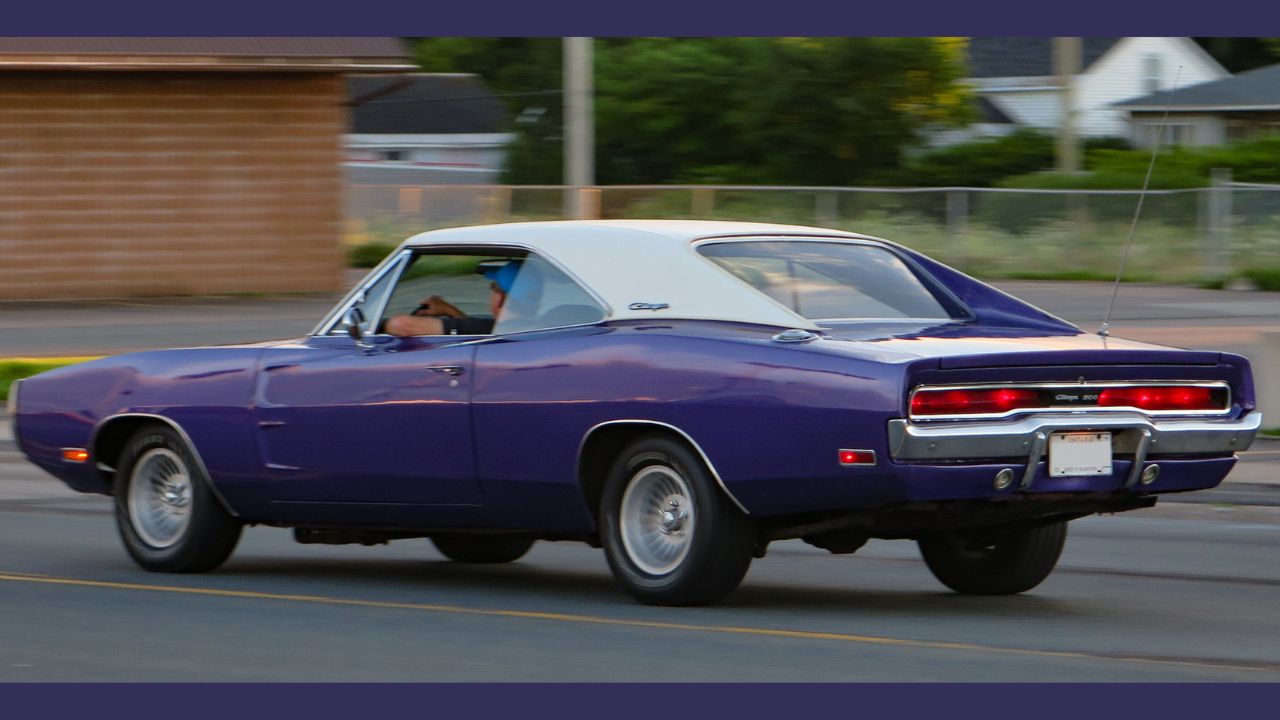
The Charger SE 500 was a special edition model produced during the late 1960s and early 1970s. Specifically, Dodge built the Charger SE 500 in the years 1969 and 1970, a period that is often regarded as the golden age of muscle cars. The SE 500 designation stood for “Special Edition,” and it included unique features that set it apart from other Charger models. These features typically included upgraded interior and exterior trim, as well as exclusive badging.
The introduction of the SE 500 was a strategic move by Dodge to offer a more upscale version of the Charger, appealing to buyers who wanted both performance and luxury. The SE 500 was equipped with either a 318 cubic inch V8 engine or an optional 383 cubic inch V8, providing ample power and performance. The model’s unique combination of features and performance made it a standout in the Charger lineup.
Despite its popularity, the Charger SE 500 was short-lived, as production ceased after the 1970 model year. Several factors contributed to its discontinuation, including changing consumer preferences and increasing regulatory pressures.
Collector Interest and Market Value

In recent years, the classic muscle car market has seen a resurgence in interest, with models like the Charger SE 500 attracting significant attention from collectors. The SE 500’s rarity, combined with its unique features and historical significance, has made it a desirable addition to any collection.
The value of a Charger SE 500 can vary greatly depending on factors such as condition, originality, and provenance. Well-maintained, numbers-matching examples with full documentation tend to command the highest prices. Recent auction results have shown that pristine examples can fetch six-figure sums, while project cars or those in need of restoration are more affordable, providing opportunities for enthusiasts willing to invest in a restoration project.
Market trends suggest that the value of classic muscle cars will continue to rise, driven by a growing appreciation for automotive history and the nostalgia associated with these iconic vehicles. Resources like Hagerty’s Dodge Charger Buyer’s Guide offer valuable insights into what collectors should look for when evaluating a Charger SE 500.
Preservation and Restoration Considerations
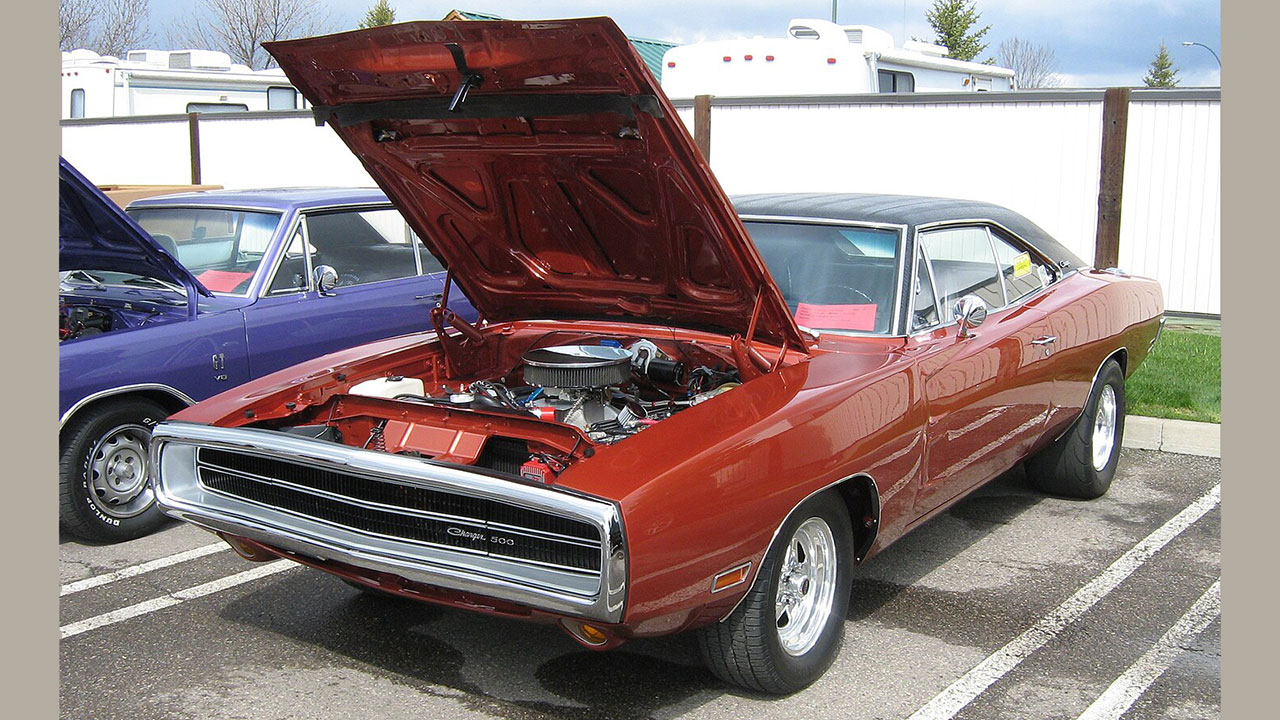
Owning a Charger SE 500 comes with its own set of challenges, particularly when it comes to preservation and restoration. These vehicles, now over 50 years old, often require significant attention to maintain their performance and aesthetics. Common restoration challenges include sourcing original parts, addressing rust and corrosion, and ensuring that any restoration work maintains the car’s authenticity and originality.
For those looking to preserve or restore a Charger SE 500, it is essential to seek out resources and communities that specialize in these vehicles. Engaging with fellow enthusiasts and experts can provide valuable guidance and support throughout the restoration process. Tips for maintaining authenticity include documenting all work and modifications, and using original or high-quality reproduction parts whenever possible.
Joining online forums, attending car shows, and connecting with clubs dedicated to classic Dodge vehicles can be invaluable for owners. These communities not only offer practical advice but also foster a sense of camaraderie among enthusiasts. As the classic car market continues to thrive, the Charger SE 500 remains a testament to the enduring appeal of American muscle cars.
Like Fast Lane Only’s content? Be sure to follow us.
Here’s more from us:
*Created with AI assistance and editor review.





Leave a Reply