The automotive industry has long been a symbol of innovation and progress, but there have been instances where car companies have overstepped boundaries. From regulatory challenges to controversial business practices, these moments highlight the tension between advancement and responsibility.
The Rise and Fall of the 1970s Auto Industry
Image Credit: Eric Friedebach – CC BY 2.0/Wiki Commons
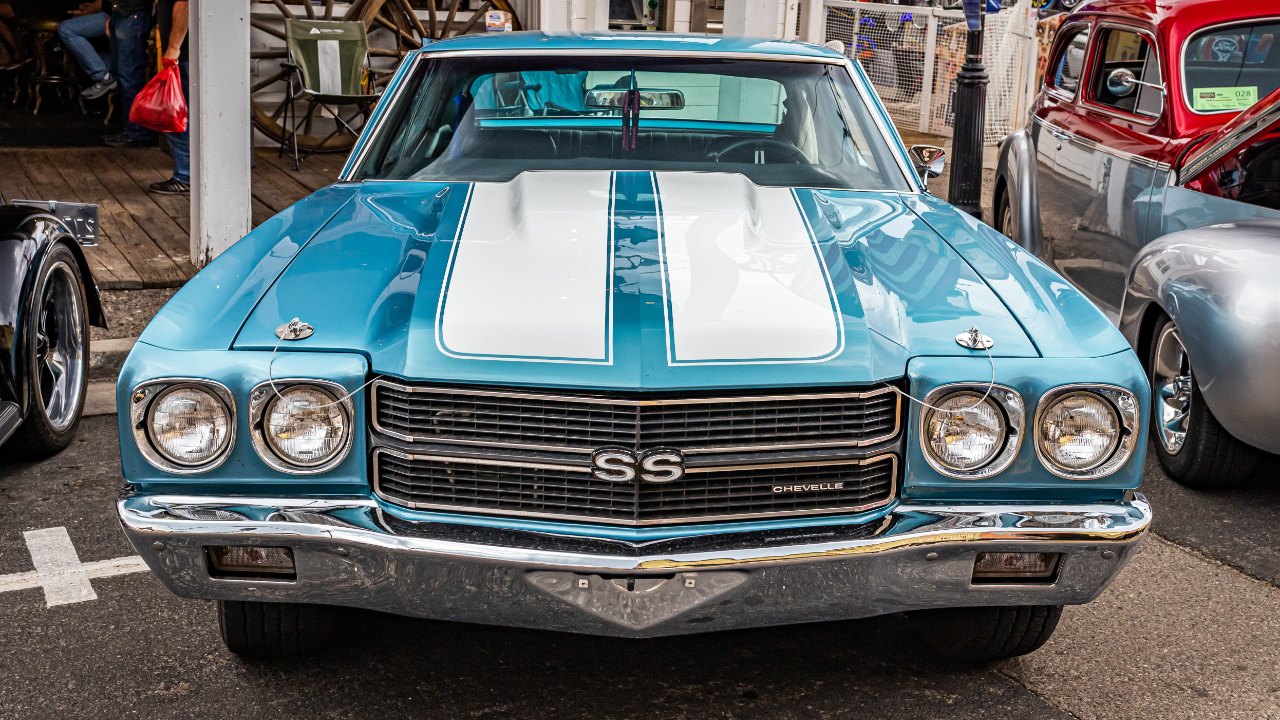
The decline of the U.S. automotive industry in the late 1970s marked a significant turning point. A combination of economic challenges, including the oil crisis and inflation, put immense pressure on domestic car manufacturers. Poor strategic decisions, such as focusing on large, gas-guzzling vehicles when consumer preferences were shifting towards more fuel-efficient models, exacerbated the situation. As a result, American automakers struggled to maintain their dominance in the market.
International competition further intensified these challenges. Japanese automakers, with their focus on efficiency and reliability, quickly captured a significant share of the U.S. market. This shift forced domestic companies to rethink their strategies, but by the time adjustments were made, the damage was already done. The impact of these events is detailed in this Quora discussion, where industry insiders and historians analyze the causes and effects of this downturn.
Technological Overreach and the Regulatory Backlash
Image Credit: Mliu92 – CC BY-SA 4.0/Wiki Commons
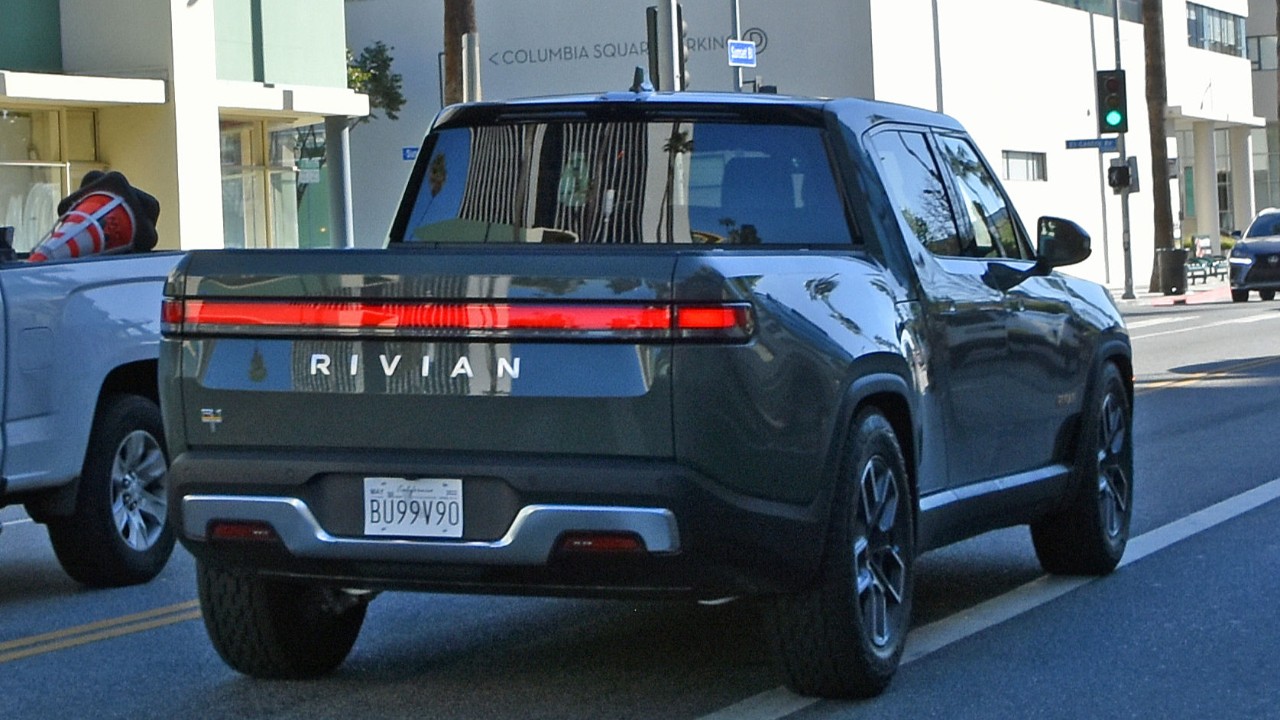
In recent years, automakers have faced significant scrutiny over their resistance to federal regulations, notably on automatic emergency braking systems. This tension highlights the ongoing struggle between technological innovation and safety standards. While companies strive to push the boundaries of automotive technology, regulatory bodies emphasize consumer protection and safety.
The pushback from the industry against these regulations has led to court challenges and debates over the role of government in enforcing compliance. The balance between innovation and regulation remains delicate, with both sides advocating for their respective priorities.
Environmental Challenges and Policy Clashes
Image Credit: Granada – CC BY-SA 4.0/Wiki Commons
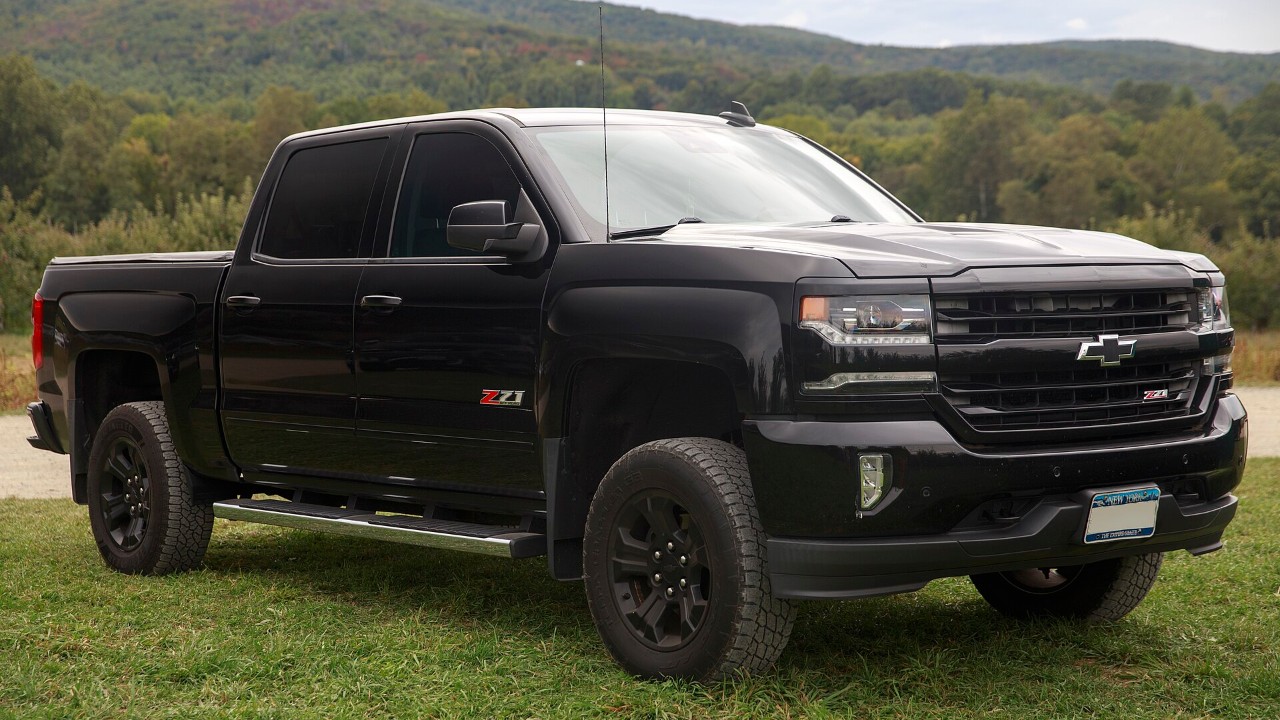
The automotive sector has long been at the center of environmental policy debates. One of the most prominent conflicts involves automakers and the state of California’s stringent clean air regulations. This clash has been further complicated by political changes at the federal level, which have influenced the direction of environmental policies.
Figures like Mary Nichols have played pivotal roles in shaping air quality standards, often facing opposition from both industry and political entities. Her efforts, along with the ongoing legal and regulatory battles, are chronicled in this Politico article, which examines the complexities of balancing environmental goals with industrial interests.
The Influence of Social Media and Corporate Responsibility
Image Credit: Tesla Owners Club Belgium – CC BY 2.0/Wiki Commons
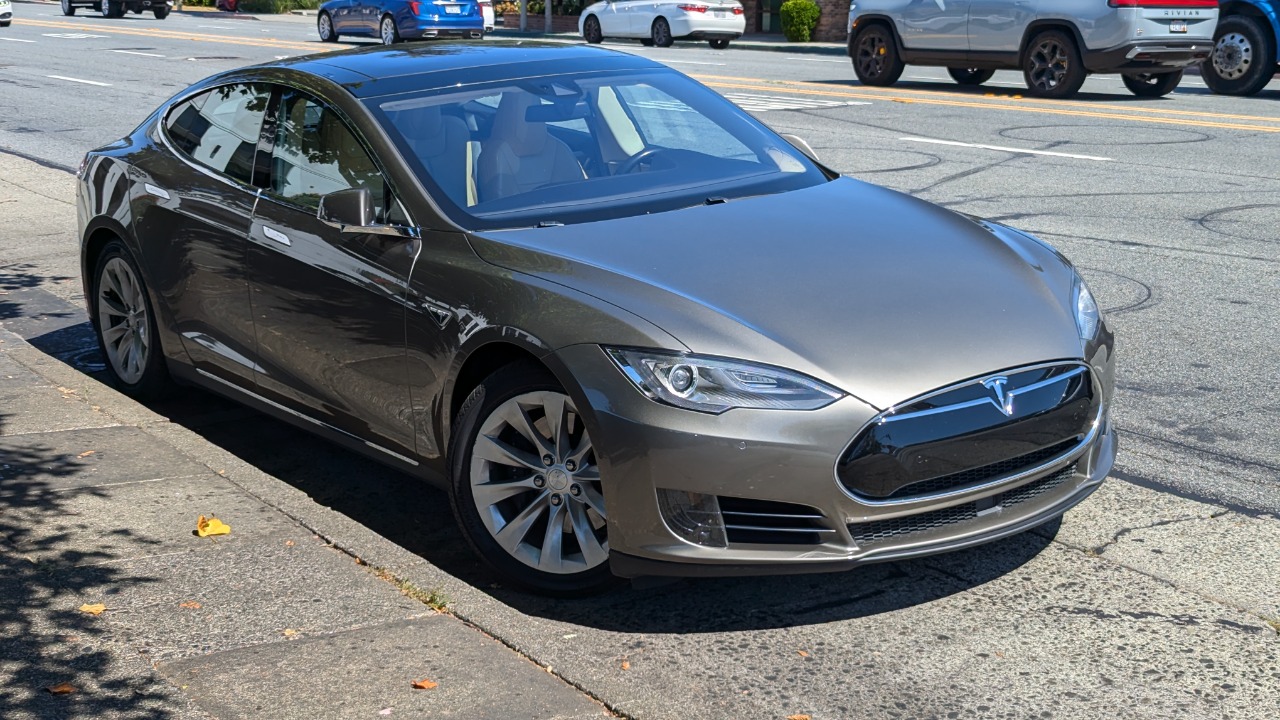
In the digital age, the influence of social media on corporate image and responsibility has become increasingly apparent. Elon Musk’s controversial social media presence serves as a case study in how a CEO’s online behavior can impact a company’s reputation. His statements have often sparked debates and influenced public perception of Tesla.
The broader implications of CEOs using social media to sway public opinion and policy are significant. While personal expression is a right, it must be balanced with corporate accountability, as unexpected or controversial posts can have far-reaching consequences. Musk himself has acknowledged the impact of his social media activity, as noted in this Reuters report, which explores his reflections on past statements.
Ethical Dilemmas in Automotive Innovation
Image Credit: TuRbO_J – CC BY 2.0/Wiki Commons
As the automotive industry continues to innovate, ethical dilemmas have emerged, particularly when profit motives overshadow consumer safety. Instances where companies prioritized financial gain over ethical considerations have led to significant public backlash. These challenges underscore the importance of maintaining ethical standards in a highly competitive environment.
Consumer advocacy and legal action play crucial roles in holding automakers accountable for their decisions. This dynamic is crucial in ensuring that technological advancements do not come at the expense of ethical responsibility. A comprehensive exploration of these ethical challenges can be found in this book on automotive ethics, which delves into the complex interplay between innovation and integrity.
Bobby Clark is the founder and editor of Fast Lane Only, covering performance cars, automotive news, recalls, classic vehicles, consumer automotive topics, and enthusiast culture. His work focuses on making automotive news engaging, accessible, and informative for both enthusiasts and everyday drivers.
Welcome!
Welcome to Fast Lane Only—We are an independent automotive publication covering performance cars, automotive news, recalls, classic vehicles, industry trends, and enthusiast culture.
From the rarest collector’s cars to the high-performance machines turning heads today, we bring you stories, specs, and insider looks at the rides that matter. If it’s fast, legendary, or owned by someone famous, you’ll find it here. Buckle up and stay in the fast lane!