

In the mid-20th century, Chevrolet revolutionized the automotive industry by infusing mid-size cars with unprecedented drag-strip power. This bold move helped shape the muscle car era, establishing Chevy as a formidable player on the racing circuit and in American car culture. This article delves into the history, impact, and legacy of Chevrolet’s groundbreaking decision.
The Birth of the Drag-Strip Power Revolution

Before Chevrolet’s game-changing move, the mid-size car market in the 1950s and 1960s was largely focused on practicality and affordability. Family sedans and station wagons dominated the landscape, catering to the needs of the average American family. However, the post-war economic boom brought about a change in consumer attitudes, with a growing desire for speed and performance. At the same time, drag racing was gaining immense popularity across America, evolving from clandestine night races on deserted roads to a legitimate motorsport with organized events and dedicated tracks.
Recognizing an opportunity to tap into this burgeoning market, Chevrolet strategically entered the drag-racing scene by introducing factory-backed drag cars. This bold move marked the beginning of the drag-strip power revolution, with Chevrolet at the helm. Central to this strategy was the development of the Chevrolet 409 engine, a powerhouse that delivered unprecedented performance. The 409 engine was more than just an engineering feat; it was a statement of intent, showcasing Chevrolet’s commitment to transforming the mid-size car into a high-performance machine capable of dominating on the track.
Chevrolet’s Iconic Models and Engines

The introduction of the 1961 Chevrolet Impala SS 409 was a significant milestone in this journey. This model, equipped with the formidable 409 engine, boasted technical specifications that set it apart from its contemporaries. With up to 425 horsepower, the Impala SS 409 became a beloved figure in the racing community, earning accolades for its speed and agility. Its cultural impact extended beyond the track, influencing popular music and media, with songs like “409” by the Beach Boys celebrating its prowess.
Beyond the Impala, Chevrolet’s commitment to exclusive high-performance engines was exemplified by the legendary Z11 engine. This engine was produced in limited numbers, making it one of Chevrolet’s rarest and most sought-after powertrains. The Z11 transformed mid-size cars into racing legends, further solidifying Chevrolet’s reputation as a leader in performance innovation. These engines not only delivered raw power but also represented the cutting-edge engineering that defined the era, leaving a lasting legacy in the world of automotive performance.
The Rivalry That Fueled Innovation

The fierce rivalry between Ford and Chevrolet was a defining feature of this era, pushing both companies to new heights of innovation. This competition played out on drag strips and racetracks across the country, with key events such as the NHRA Nationals highlighting the intense battles between these automotive giants. The rivalry wasn’t just about winning races; it was about pushing the boundaries of what was possible in car engineering and design. Each victory was a testament to the company’s prowess and a catalyst for further advancements.
For Chevrolet, the rivalry with Ford was a driving force behind its strategic decisions. The company eagerly responded to Ford’s advancements by investing in research and development, resulting in innovations that resonated with consumers. Chevrolet’s ability to stay ahead of the curve was evident in its swift adoption of new technologies and its commitment to delivering performance that exceeded expectations. This competitive spirit not only fueled engineering excellence but also influenced consumer preferences, as car buyers were drawn to the excitement and prestige associated with Chevrolet’s high-performance models.
Cultural and Historical Impact
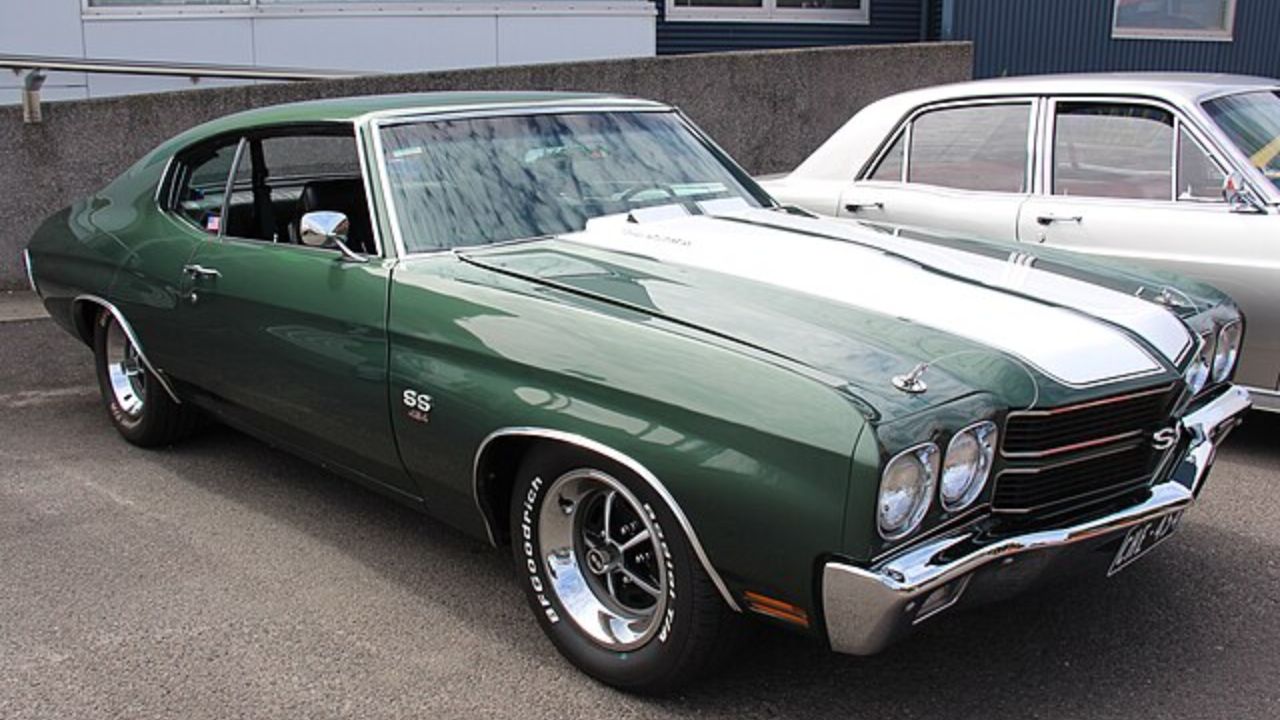
The rise of muscle car culture in America during the 1960s and 1970s was inextricably linked to the innovations pioneered by Chevrolet. The company’s mid-size cars, with their drag-strip power and sleek designs, became symbols of freedom and rebellion, embodying the spirit of the American dream. As more people embraced the thrill of performance driving, Chevrolet’s vehicles became cultural icons, celebrated in films, music, and popular media. This cultural phenomenon was more than just a trend; it was a reflection of a society that valued individuality and the pursuit of excitement.
Chevrolet’s lasting legacy in automotive history is evident in the continued reverence for its mid-size drag cars among car enthusiasts today. These vehicles remain iconic, celebrated not only for their historical significance but also for their influence on modern car design and engineering. The principles of performance, innovation, and style that Chevrolet championed in the mid-20th century continue to resonate in the automotive industry. As manufacturers strive to balance power with sustainability, the lessons learned from Chevrolet’s drag-strip power revolution remain relevant, inspiring a new generation of engineers and designers.
Like Fast Lane Only’s content? Be sure to follow us.
Here’s more from us:
*Created with AI assistance and editor review.




Leave a Reply