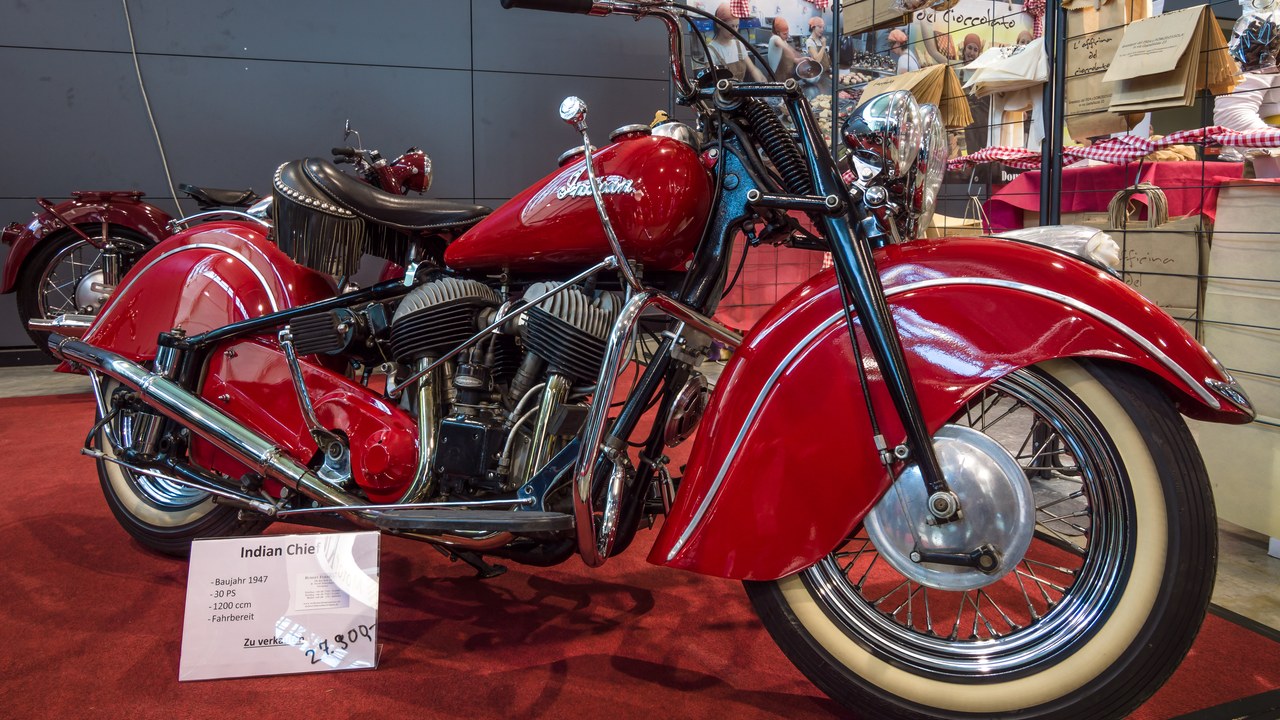
Big block engines once ruled the roads, celebrated for their high horsepower and torque. These powerhouses became the heart of many iconic muscle cars, but as technology evolved, they gradually disappeared from the spotlight. Here, we take a nostalgic journey through 10 remarkable big block builds that are no longer in production.
The Chrysler 426 Hemi
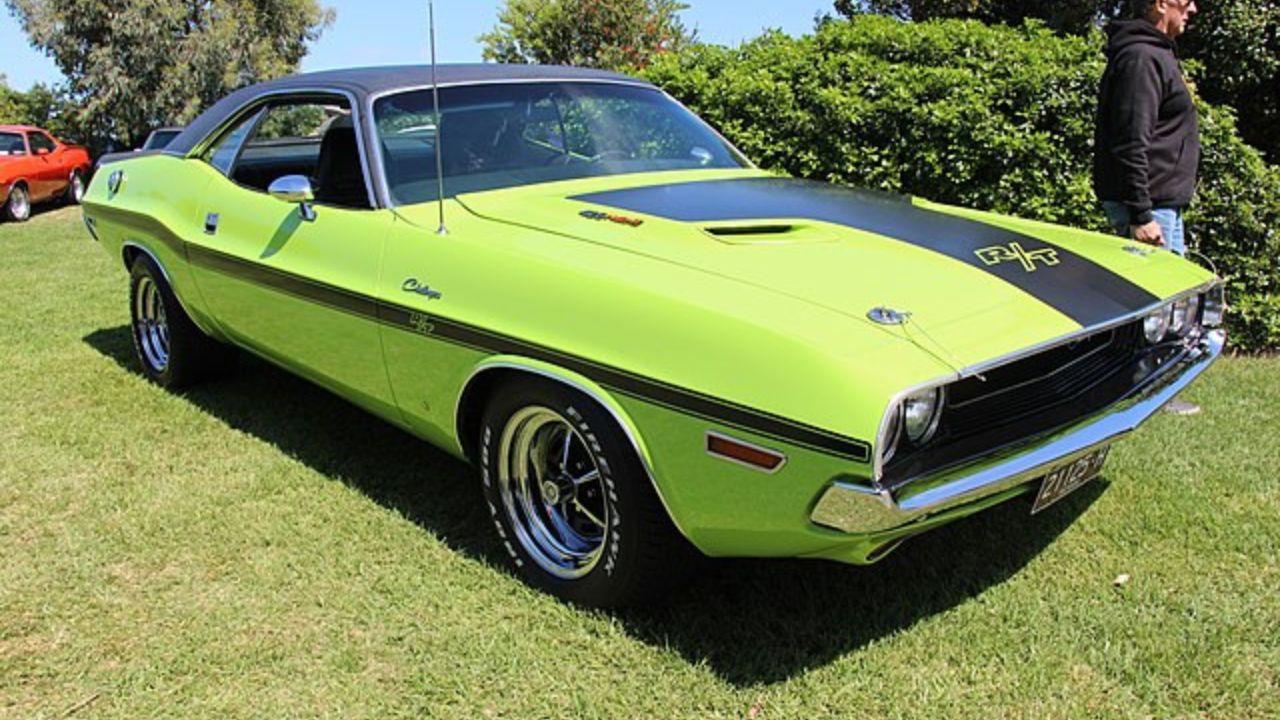
The Chrysler 426 Hemi, often referred to as the “Elephant Engine,” made a big splash in the 1960s and 1970s. Known for its hemispherical combustion chambers, the 426 Hemi powered legendary vehicles such as the Dodge Charger and Plymouth Barracuda. Its prowess on the racetrack made it a favorite among car enthusiasts.
Despite its legendary status, the 426 Hemi was short-lived due to stricter emissions regulations and the oil crisis of the 1970s. While Chrysler revived the Hemi name in the 2000s with a modern twist, the original 426 Hemi remains a cherished memory among classic car aficionados.
The Ford 427 SOHC “Cammer”
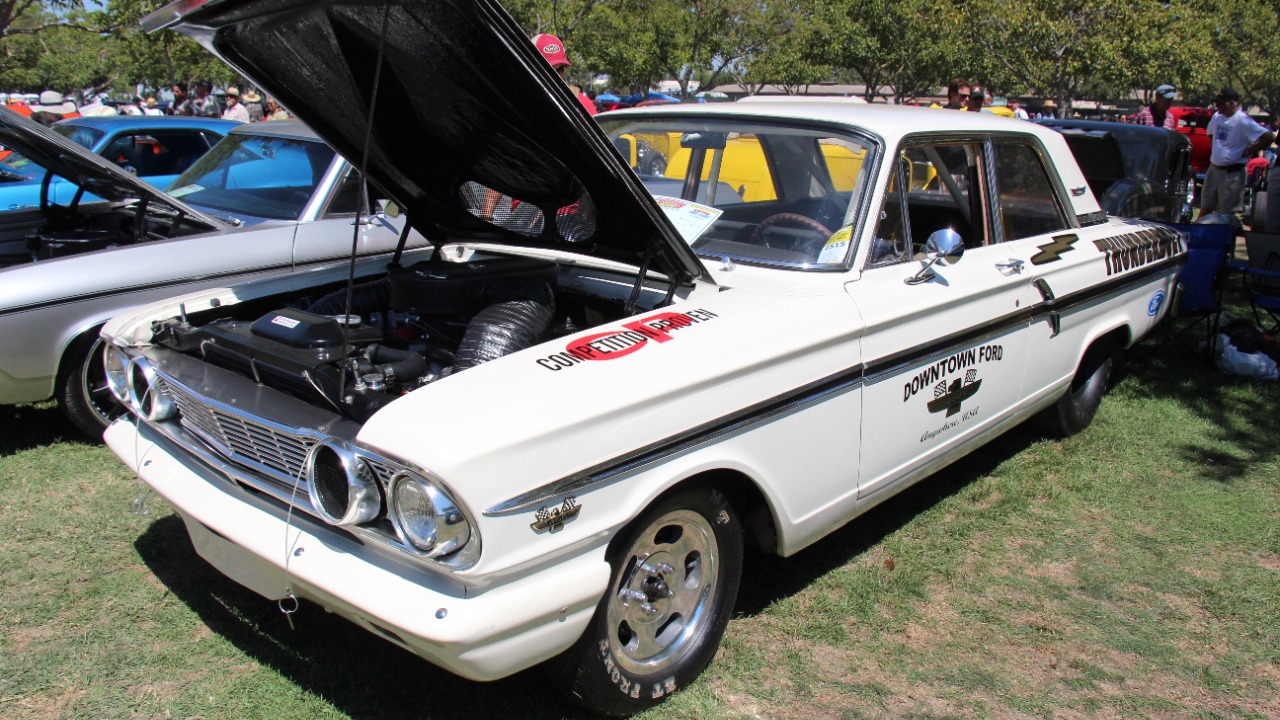
Dubbed the “Cammer,” the Ford 427 SOHC was a racing marvel developed in the mid-1960s. This engine was a response to Chrysler’s dominance in NASCAR, featuring a unique overhead camshaft design. However, the 427 SOHC faced regulatory challenges that limited its use in sanctioned races.
Despite its limited production and racing restrictions, the Cammer became a sought-after powerhouse for drag racers and car builders. Its rarity and historical significance continue to attract collectors and enthusiasts worldwide.
The Chevrolet 454 LS6
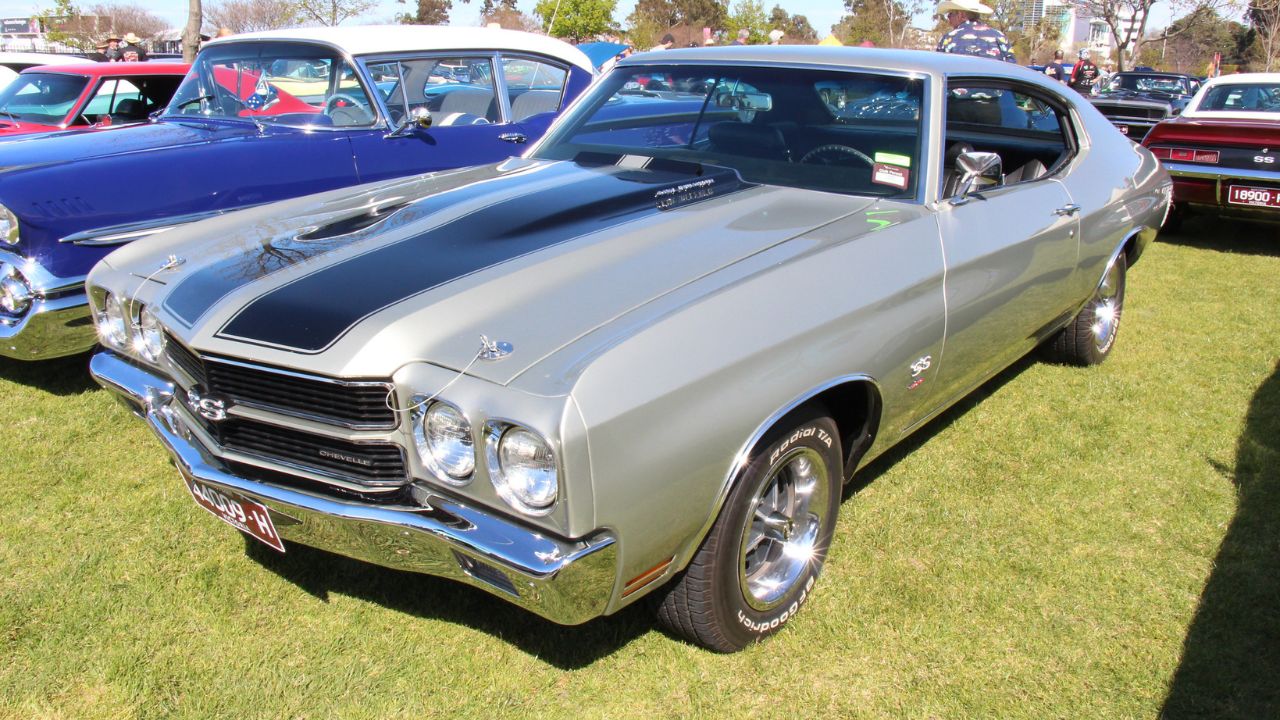
Introduced in 1970, the Chevrolet 454 LS6 was the epitome of muscle car performance. Found in the Chevelle SS, this engine delivered an advertised 450 horsepower, making it one of the most powerful production engines of its era.
However, the 454 LS6’s reign was brief, as tightening emissions standards and the fuel crisis spelled the end for high-compression engines. Today, the 454 LS6 remains a symbol of the golden age of American muscle cars.
The Pontiac 455 HO

The Pontiac 455 HO was a high-output variant of Pontiac’s 455 big block engine, introduced in the early 1970s. Known for its impressive torque and power, the 455 HO powered models like the Pontiac GTO and Firebird Trans Am.
As the 1970s progressed, emissions regulations and fuel economy concerns led to the decline of high-performance engines like the 455 HO. It remains a beloved relic for fans of classic Pontiacs and muscle cars.
The Oldsmobile 455 Rocket
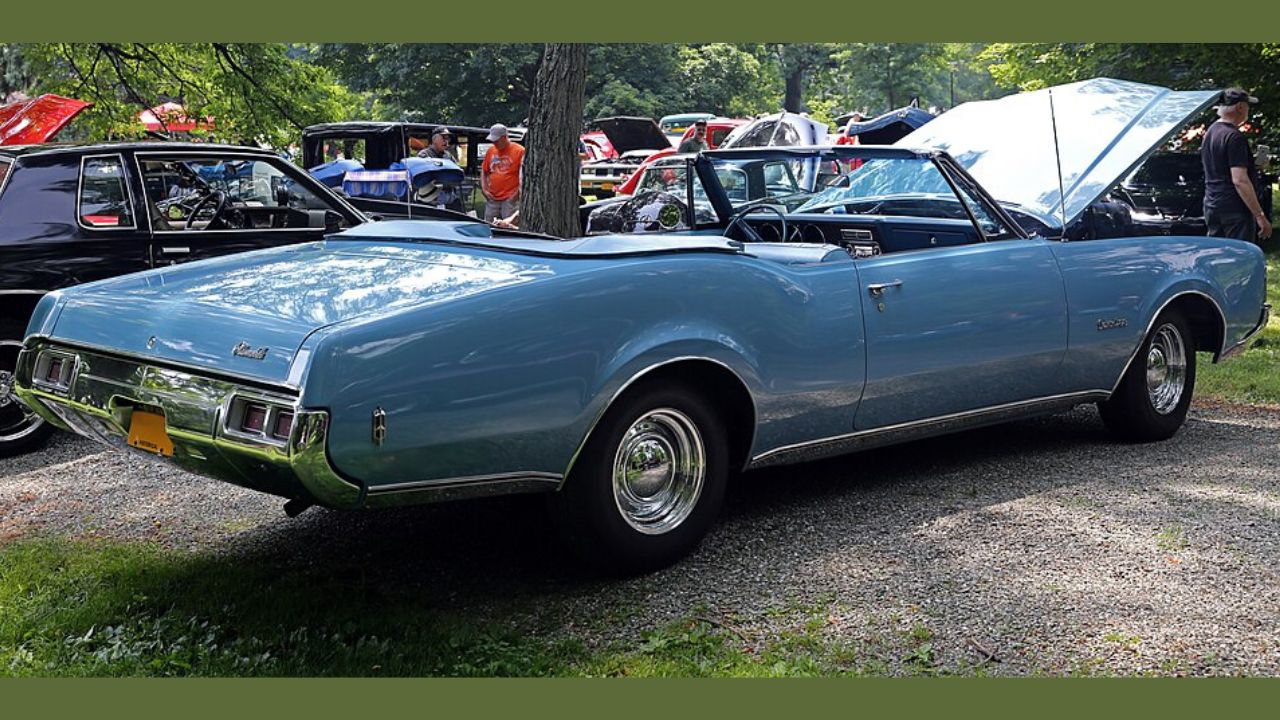
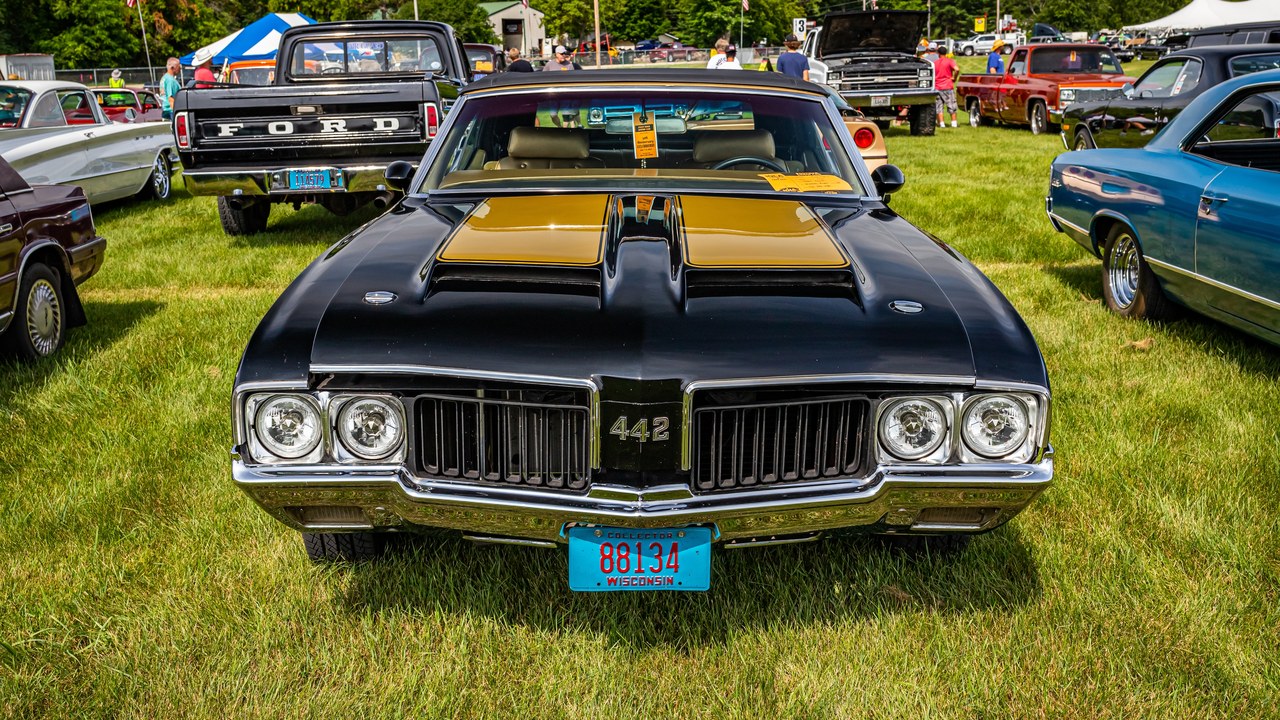
The Oldsmobile 455 Rocket was a versatile big block engine that powered numerous Oldsmobile models, such as the 442 and the Toronado. Known for its smooth power delivery, the 455 Rocket was popular throughout the late 1960s and early 1970s.
Despite its initial success, the Rocket engine fell victim to the changing automotive landscape. With the shift towards smaller, more efficient engines, the 455 Rocket slowly faded away, leaving behind a legacy of performance and innovation.
The Buick 455 Stage 1
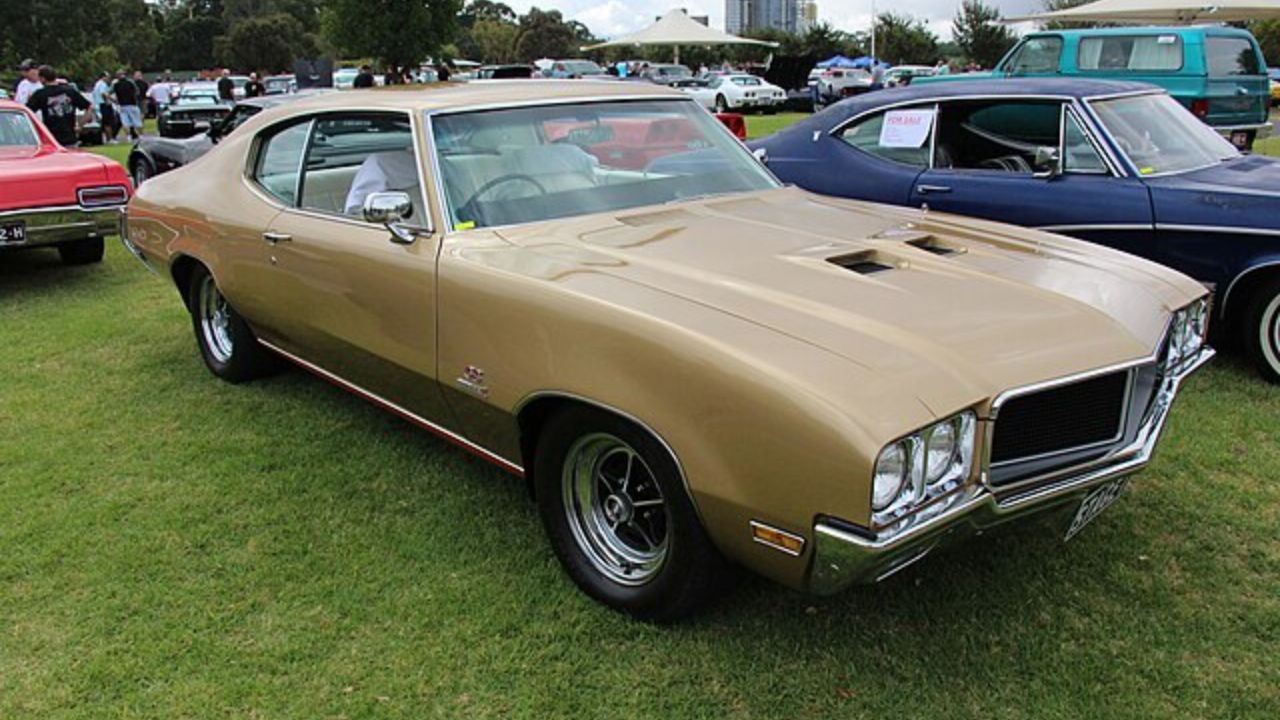
The Buick 455 Stage 1 was a high-performance version of the Buick 455 engine, released in the early 1970s. This engine was a powerhouse, capable of producing significant horsepower and torque, making it a formidable competitor on the drag strip.
As emissions standards tightened, the Stage 1 was phased out, but it remains a highly valued engine among collectors and enthusiasts. Its reputation for performance and reliability endures, even as modern engines dominate the market.
The Mopar 440 Six Pack
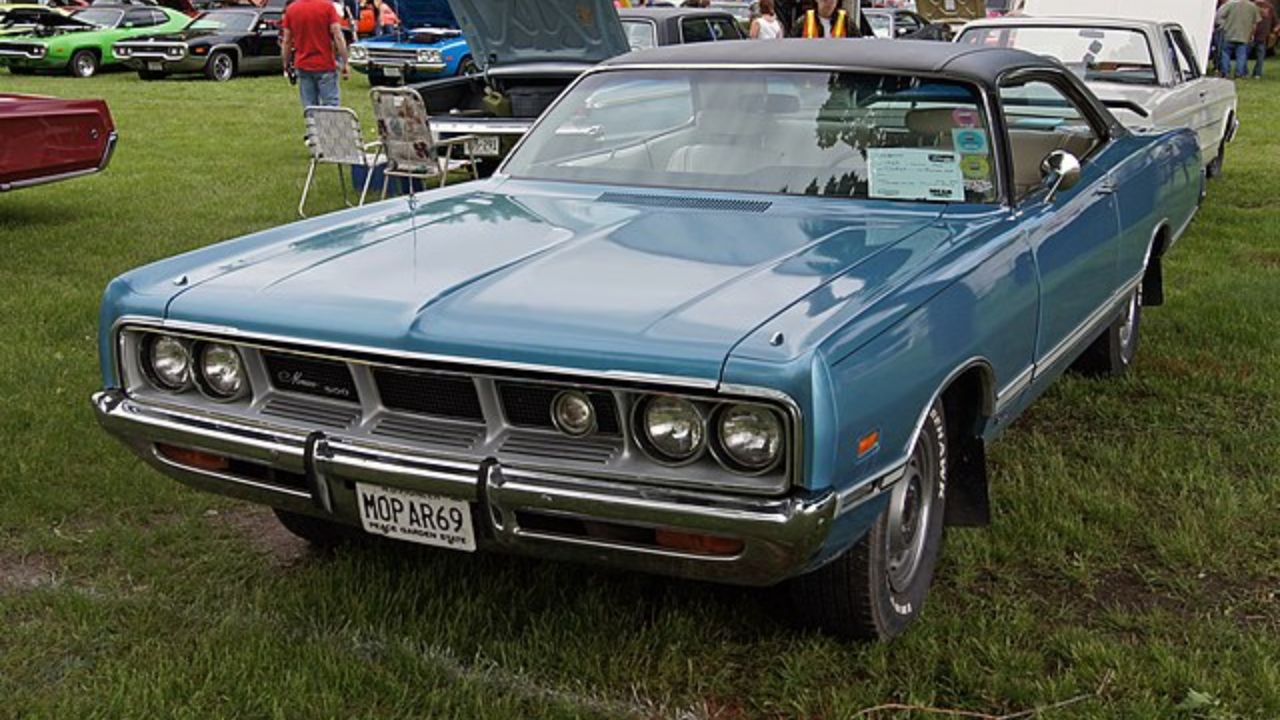
The Mopar 440 Six Pack was a high-performance version of Chrysler’s 440 big block, featuring three two-barrel carburetors. This setup offered impressive power and performance, making it a favorite among muscle car fans.
Cars like the Dodge Super Bee and Plymouth Road Runner benefited from the 440 Six Pack’s capabilities. However, the engine’s production was short-lived, as emissions regulations and the oil crisis led to its demise. Today, the 440 Six Pack is a prized possession for collectors and restorers.
The AMC 401 V8

The AMC 401 V8 was a formidable engine used in American Motors Corporation vehicles during the 1970s. This engine powered models like the AMC Javelin and the AMX, offering a notable performance boost.
Despite its capabilities, the AMC 401 V8 struggled to maintain its place in an evolving automotive industry. As AMC faced financial difficulties and the market shifted, the 401 V8 was gradually phased out. Nevertheless, it remains a significant part of AMC’s legacy.
The Ford 460 Lima
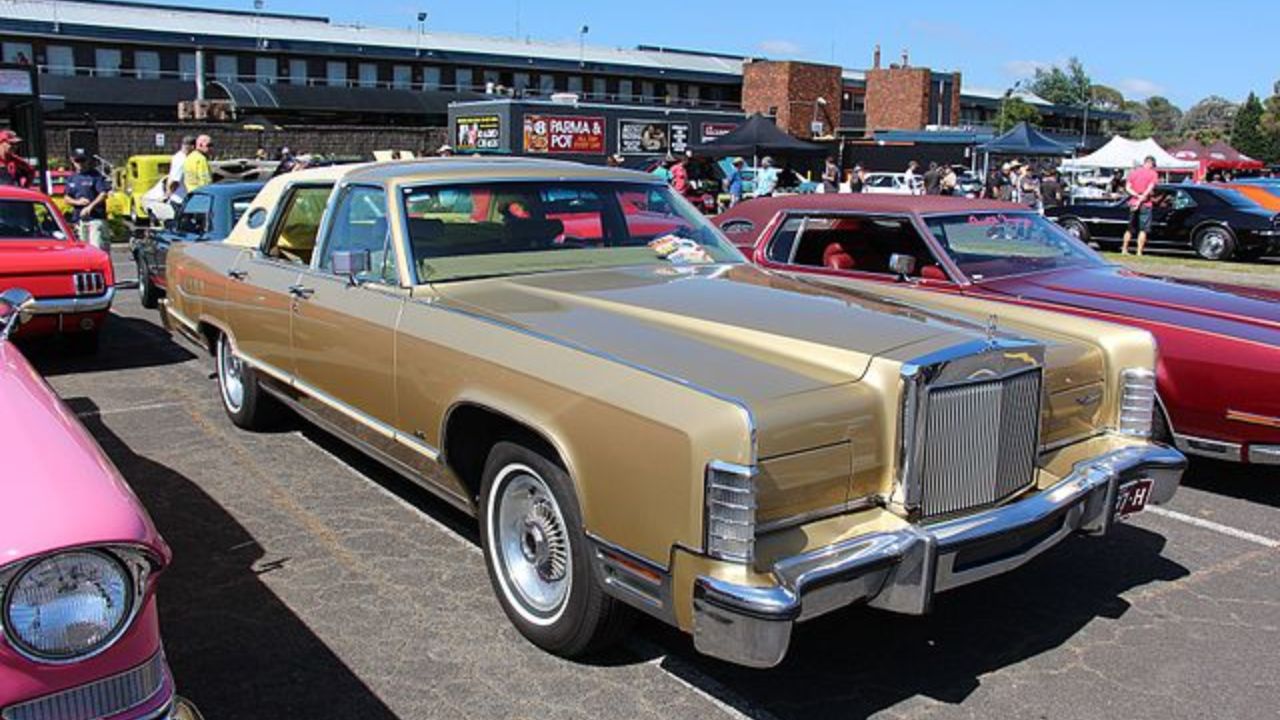
The Ford 460 Lima was a workhorse engine that powered a variety of Ford vehicles, from trucks to luxury cars, throughout the 1970s and 1980s. Known for its durability and power, the 460 found its niche in heavy-duty applications.
Although the 460 Lima was eventually replaced by more efficient engines, it remains popular among enthusiasts for engine swaps and custom builds. Its legacy continues in the realm of performance modifications and restoration projects.
The Cadillac 500 V8
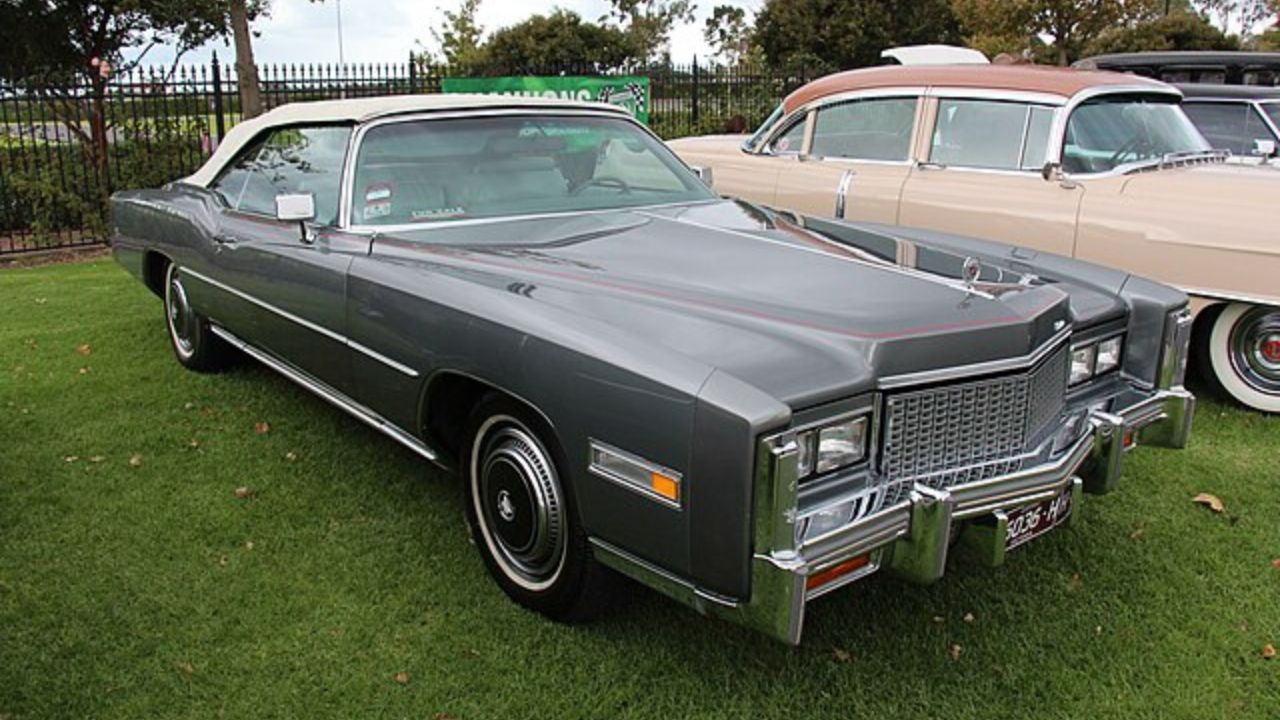
The Cadillac 500 V8 was the largest production V8 engine available during the early 1970s. It powered Cadillac’s luxury models, providing smooth, effortless power and performance.
While the 500 V8 was eventually discontinued due to emissions regulations and fuel economy challenges, it remains a popular choice for hot rodders and classic car enthusiasts. The Cadillac 500 V8’s impact on the automotive world is undeniable, and its legend continues to inspire those who seek power and elegance.
Like Fast Lane Only’s content? Be sure to follow us.
Here’s more from us:
*Created with AI assistance and editor review.