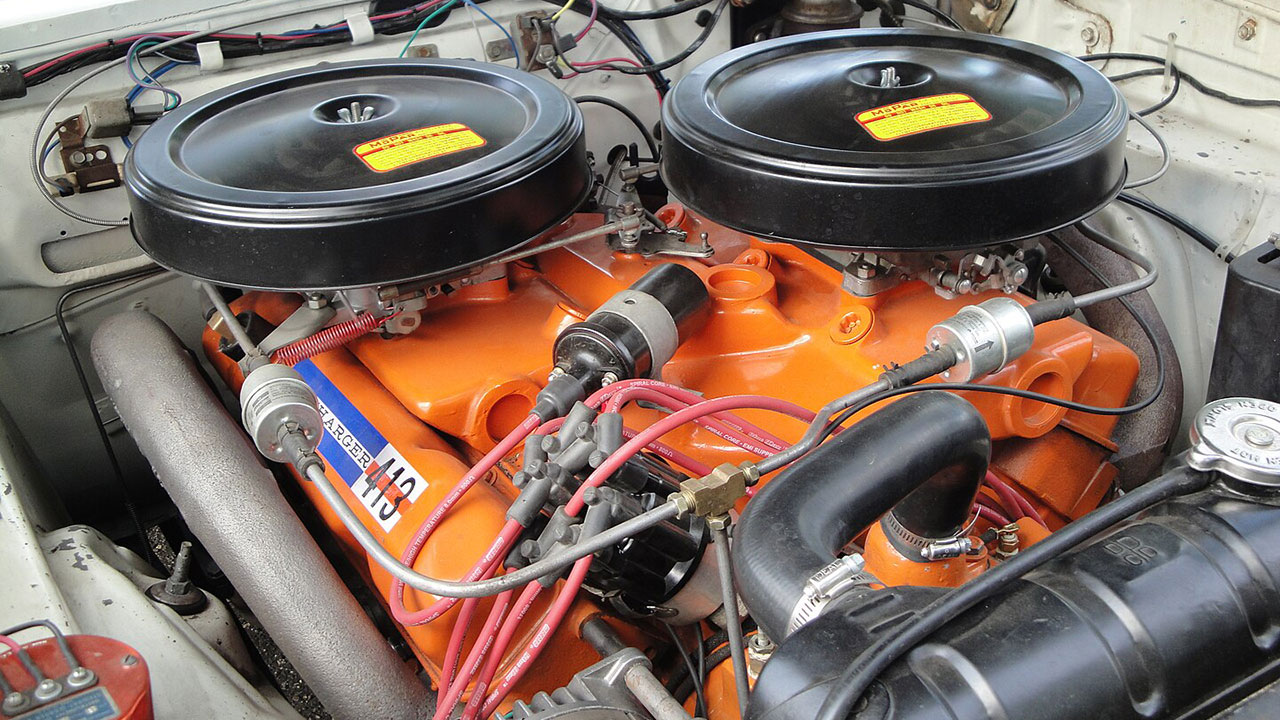
The Max Wedge 413/426 engines were a significant part of Dodge’s contribution to the muscle car era, making a mark in the early 1960s. These engines were renowned for their performance and power, captivating car enthusiasts and collectors to this day. We will explore the production timeline of these iconic engines and discuss their current market value.
The Birth of the Max Wedge Engines

The Max Wedge engines emerged from the innovative minds at Dodge during a time when horsepower and speed were at the forefront of automotive engineering. In the early 1960s, engineers at Chrysler’s Dodge division embarked on a mission to create an engine that could dominate the drag racing scene. The result was the Max Wedge series, which incorporated high-compression ratios, aggressive camshafts, and a dual-carburetor setup to maximize power output. This development marked a significant advancement in engine technology for Dodge, setting a new standard for performance.
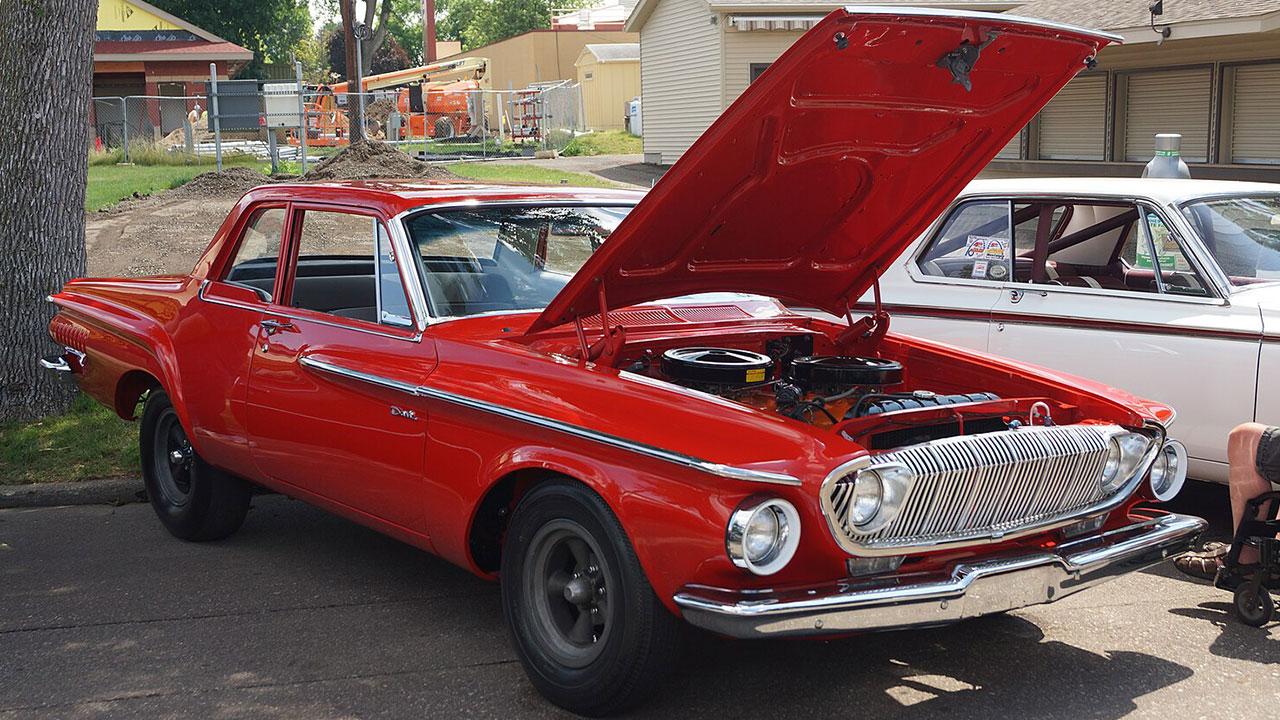
The 413 cubic inch engine made its debut in 1962, becoming an instant sensation both on and off the racetrack. Known for its robust construction and impressive horsepower, the 413 engine quickly found its place in racing and production vehicles. Racing enthusiasts were particularly drawn to its capabilities, as it enabled Dodge to compete fiercely against other American muscle cars of the era. The 413’s success paved the way for further developments, leading to the eventual introduction of the 426 cubic inch engine.
As the demand for even greater power grew, Dodge transitioned from the 413 to the larger 426 cubic inch engine. This evolution brought about significant improvements in performance, with the 426 engine delivering even more horsepower and torque. The 426 Max Wedge, often referred to as the “Stage III,” became a formidable contender in the world of drag racing, cementing Dodge’s reputation as a leader in high-performance engineering. The transition from the 413 to the 426 marked a pivotal moment in the Max Wedge story, showcasing Dodge’s commitment to pushing the boundaries of automotive performance.
Production Years and Models
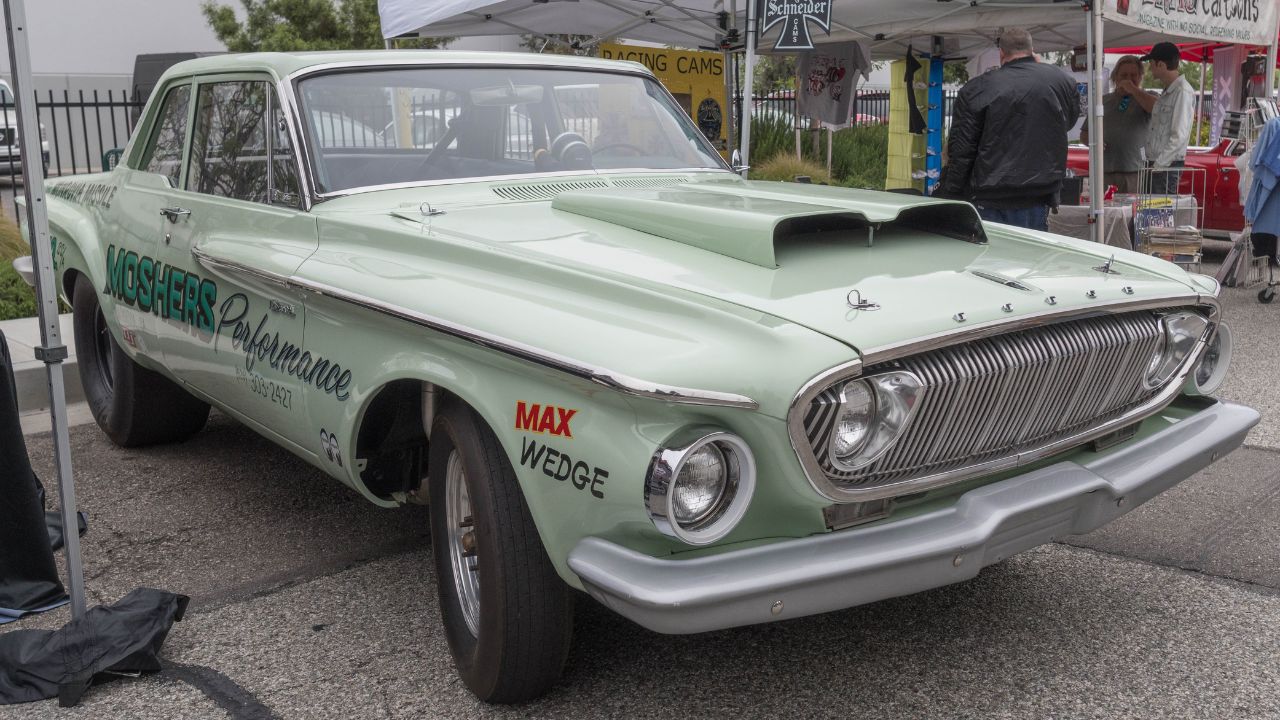
The production of the Max Wedge engines spanned a brief but impactful period from 1962 to 1964. During these years, Dodge strategically integrated the Max Wedge engines into several of its models, creating a lineup that appealed to both enthusiasts and everyday drivers. The 1962 Dodge Dart, for instance, was one of the first models to feature the 413 engine, offering consumers a taste of high-octane performance typically reserved for the racetrack.
Among the key Dodge models that prominently featured the Max Wedge engines were the Dodge Polara and the Dodge 330. These vehicles embodied the essence of the muscle car era, combining aggressive styling with unparalleled power. The Max Wedge engines transformed these models into legends, attracting attention wherever they went. Meanwhile, the Plymouth brand also played a significant role in the Max Wedge story, with its Savoy and Belvedere models offering similar performance capabilities.
Plymouth’s involvement in the Max Wedge saga cannot be understated. The brand’s collaboration with Dodge allowed for the expansion of the Max Wedge lineup, giving consumers more options to experience the thrill of high-performance engines. Notable Plymouth models, such as the 1963 Plymouth Fury, showcased the potential of the Max Wedge engines, further solidifying their place in automotive history.
Performance and Specifications

The Max Wedge engines were engineered with a focus on maximizing power and efficiency. Featuring high-compression pistons, large intake valves, and an aggressive camshaft profile, these engines were designed to deliver exceptional performance. The dual-quad carburetor setup ensured optimal fuel delivery, allowing the engines to produce impressive horsepower numbers. The 413 engine, for example, boasted up to 420 horsepower, while the 426 engine pushed the limits further with up to 425 horsepower.
The impact of the Max Wedge engines on racing was profound. These engines became synonymous with drag racing success, enabling drivers to achieve remarkable speeds on the quarter-mile track. The combination of lightweight vehicle bodies and powerful Max Wedge engines allowed Dodge and Plymouth models to dominate the competition. This era of racing helped to solidify the Max Wedge’s place in automotive folklore.
In comparison to their competitors, the Max Wedge engines stood out for their raw power and innovative design. While other manufacturers were also producing high-performance engines during the same period, the Max Wedge series offered a unique blend of power, reliability, and affordability. This made them a popular choice among racing enthusiasts and car collectors alike, further enhancing their reputation as a formidable force in the muscle car era.
Collectibility and Current Market Value
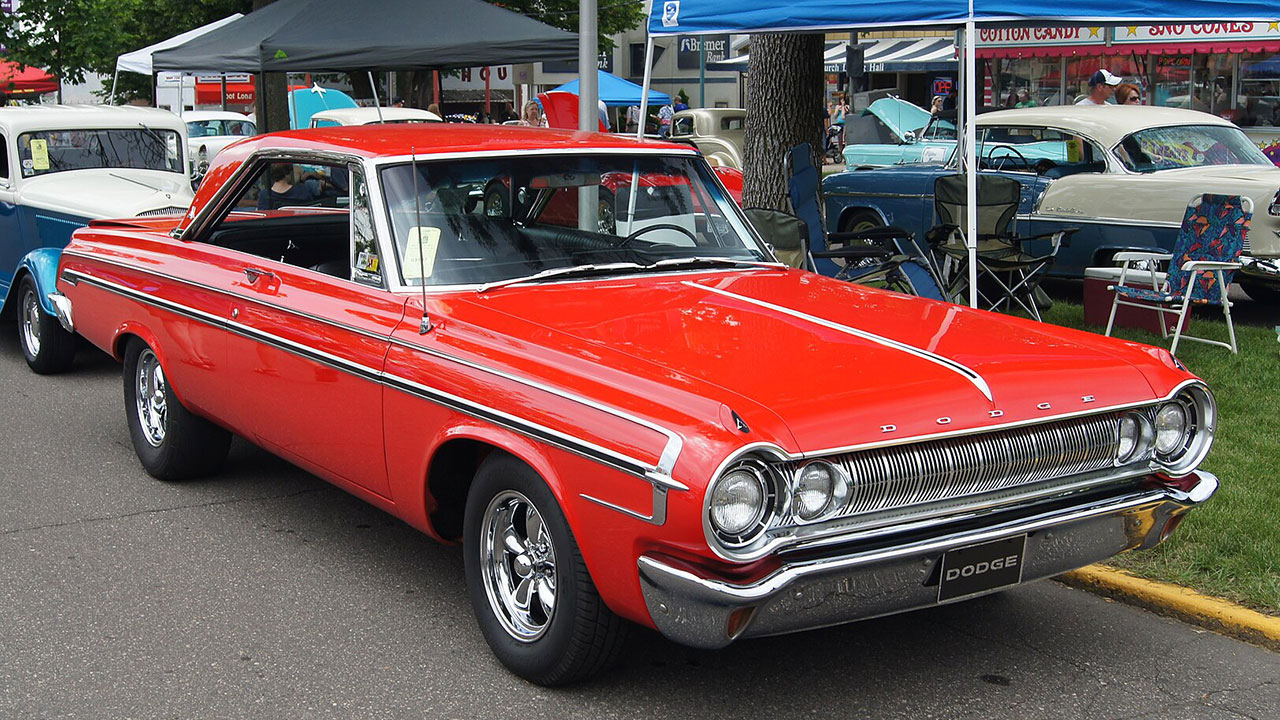
The collectibility and market value of vehicles equipped with Max Wedge engines are influenced by several factors. Rarity, condition, and provenance all play crucial roles in determining the value of these classic cars. As with any collectible vehicle, originality and authenticity are highly prized. Cars that have retained their original Max Wedge engines and factory specifications tend to command higher prices in the marketplace.
Recent auction results provide valuable insights into the current market value of Max Wedge-equipped vehicles. For instance, a 1964 Dodge Polara with a Max Wedge engine recently sold for a substantial sum at a prestigious auction, highlighting the enduring appeal of these cars. Collectors are willing to pay a premium for well-preserved examples, recognizing the historical significance and performance capabilities of the Max Wedge engines.
For collectors interested in purchasing a Max Wedge-equipped vehicle, it’s essential to conduct thorough research and due diligence. Examining the vehicle’s history, verifying engine authenticity, and inspecting the overall condition are crucial steps in making an informed purchase. Consulting with experts or joining enthusiast communities can also provide valuable guidance and insights into the nuances of Max Wedge vehicles.
Legacy of the Max Wedge Engines
The legacy of the Max Wedge engines extends beyond their production years, leaving a lasting impact on the automotive industry. These engines paved the way for subsequent high-performance engines from Dodge, influencing future designs and engineering advancements. The knowledge and expertise gained from the development of the Max Wedge engines contributed to the creation of legendary engines like the Hemi, which continued Dodge’s tradition of high-performance excellence.
Culturally, the Max Wedge engines have become icons of the muscle car era, representing a time when American automakers pushed the limits of speed and power. Their presence in popular media, car shows, and racing events has solidified their place in automotive history, captivating generations of enthusiasts and collectors. The Max Wedge engines serve as a testament to the ingenuity and passion that defined the era, continuing to inspire admiration and respect.
Today, the enthusiast community surrounding Max Wedge engines remains vibrant and active. Car clubs, online forums, and social media groups provide platforms for enthusiasts to connect, share knowledge, and celebrate their shared passion for these iconic engines. The enduring legacy of the Max Wedge engines is a testament to their impact on the automotive world and the lasting impression they have left on car culture.
Like Fast Lane Only’s content? Be sure to follow us.
Here’s more from us:
*Created with AI assistance and editor review.