The Mustang name has long balanced everyday drivability with a streak of performance, but for a brief window in the late 1960s and early 1970s Ford tried something different: a pony car dressed as a junior luxury coupe. The Mustang Grande package turned the familiar fastback and coupe formula into a quieter, more plush highway cruiser, a move that still shapes how collectors value these cars today. Understanding when that package arrived, what it offered, and how the market now prices it helps explain why some Grandes remain attainable while other trims from the same era have surged.
Looking back at the Mustang Grande also reveals how quickly tastes shifted from comfort to raw performance and back again. The package debuted as the muscle era was peaking, then bowed out just as insurance costs and emissions rules were reshaping the entire Mustang lineup. That short production run, from 1969 into the early 1970s, now gives buyers a defined slice of history to chase, with values that depend heavily on condition and options rather than simple name recognition.
How and when the Mustang Grande package arrived
Ford introduced the Mustang Grande as a distinct trim level in 1969, positioning it as a more luxurious take on the standard coupe rather than a separate model line. Reporting on The Mustang Grande notes that it was sold from 1969-1973, and that it was only available as a hardtop, which immediately set it apart from the fastback and convertible performance variants. The timing matters: the package arrived in the same model year that Ford was expanding the Mustang range to cover everything from basic transportation to serious track hardware, and the Grande was meant to satisfy buyers who wanted Mustang style without the harsh ride or stripped-down interiors of the more aggressive trims.
Contemporary descriptions of Ford Mustang Grande development emphasize that the 1969 lineup was designed to meet “every styling and performance appetite,” and the Grande filled the comfort end of that spectrum. While the Auto Editors of Consumer Guide highlighted how The Ford Mustang Mach 1 package debuted in 1969 to chase speed and image, the Grande leaned into quieter cabins, upgraded trim, and a more formal roofline. That dual launch in 1969, with Mach 1 on one side and Grande on the other, shows how Ford tried to stretch the Mustang brand in both directions at once.
What made the Mustang Grande different from other Mustangs
At its core, the Grande was a content and image package layered on top of the standard Mustang hardtop, but the details gave it a distinct personality. Coverage of What Is the Mustang Grande explains that the package bundled features that were optional or unavailable on base cars, including upgraded interior materials, additional sound deadening, and more formal exterior touches. The same reporting notes a table with a header listing “Model Year” and “Price (Base Model + Grande Package),” underscoring that buyers paid a clear premium over the Base Model for the Grande Package, effectively turning the Mustang into a near-personal luxury coupe in miniature.
Later commentary on The Ford Mustang and its many trims points out that The Mustang has always been a shape-shifter, and the Grande was one of the clearest examples of that flexibility. A social media post highlighting a 1969 Ford Mustang Grande describes it as a rare luxury variant of the iconic Mustang, noting that it featured a 351 V8 engine, automatic transmission, and comfort-focused appointments that made it a standout among classic Mustangs. That reference to “351” power shows how the Grande could still be ordered with serious hardware, even as its marketing leaned on quietness and plushness rather than quarter-mile times.
Model years, engines, and how long the Grande lasted
The production run for The Mustang Grande was relatively short, which now helps define its place in Mustang history. Reporting dated Jul 21, 2024 on What Is the Mustang Grande states that The Mustang Grande was a more luxurious trim level, sold from 1969-1973, and that it was only a hardtop. That span covers the final years of the original body style and the early 1970s redesign, so the Grande name appears on both the sharper 1969-1970 cars and the larger, more touring-oriented 1971-1973 models. The same reporting notes that while the package was aimed at comfort, examples with the high performance Cobra Jet engine do exist, which adds a layer of complexity to how collectors view these cars today.
Within that 1969-1973 window, the Grande could be paired with a range of engines, from modest six cylinders to V8s like the 351 referenced in the Jul 6, 2025 post about a 1969 Ford Mustang Grande. That flexibility meant the badge alone did not dictate performance, and buyers could prioritize fuel economy, smoothness, or outright power. A feature on The Ford Mustang notes that The Mustang also had several trims that pushed it toward luxury over the years, and the Grande was an early attempt at that formula before similar ideas resurfaced around its mid-80s’ reintroduction. That historical echo reinforces the idea that the Grande was not an anomaly, but part of a recurring pattern in Mustang strategy.
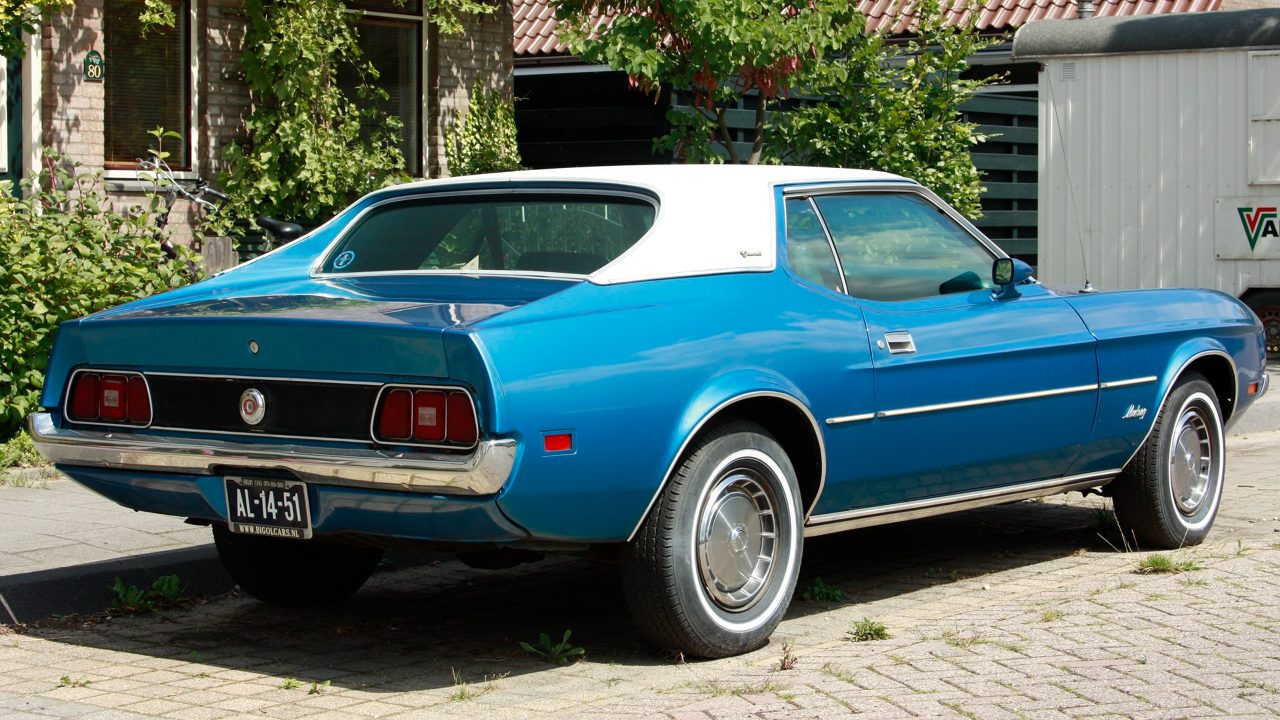
How collectors value the 1969 Mustang Grande today
On the collector market, the 1969 Ford Mustang Grande sits in a nuanced position, often priced below the most sought-after performance trims but still commanding respect when well preserved. Valuation data for the 1969 Ford Mustang Grande emphasize that the value of a 1969 Ford Mustang Grande can vary greatly depending on its condition, mileage, options, and history, a reminder that there is no single “Grande price.” The same Common Questions section underscores that originality and documentation can move the needle significantly, especially for cars with desirable engines or rare color and trim combinations.
Market analysis of 1969 Mustang trims more broadly shows how the Grande compares to its siblings. A feature dated Jan 14, 2024 on 1969 values notes that the 1969 Ford Mustang GT The GT is significantly more desirable than base models, and that even average examples command strong money, with top cars pushing towards $200,000 according to Hagerty. That kind of ceiling does not typically apply to the Grande, which rarely reaches the same heights as the most aggressive performance trims. Instead, the Grande tends to attract buyers who value comfort, period-correct luxury details, and relative affordability within the 1969 Mustang universe.
Later Grande years and how 1973 values compare
By 1973, the Mustang had grown larger and more comfort oriented, and the Grande name fit that direction even more naturally. The 1973 Ford Mustang Grande carried forward the same basic idea of a better-trimmed hardtop, but in a body that was already leaning toward the personal luxury segment. Valuation tools for the 1973 Ford Mustang Grande again frame pricing through the lens of condition, options, and history, with Common Questions pointing out that a #3 Condition car can reach into the tens of thousands of dollars. That benchmark shows that even the later, heavier Grandes have carved out a place in the market, especially when they present well and remain largely unmodified.
Comparing 1969 and 1973 values highlights how collectors weigh styling and performance potential against comfort and rarity. The sharper 1969 cars, especially those with engines like the 351 or rarer high performance options, tend to draw more attention from enthusiasts who prioritize driving dynamics. Yet the 1973 Grande appeals to buyers who want a more relaxed cruiser with period-correct luxury cues, and the valuation data suggest that clean examples are no longer overlooked bargains. When I look across the available reporting, from the Jul 21, 2024 overview of What Is the Mustang Grande to the detailed Common Questions in modern price guides, the pattern is clear: the Grande has matured into a recognized niche within the classic Mustang world, with pricing that rewards originality and condition rather than raw horsepower alone.
More from Fast Lane Only: