The Oldsmobile Toronado arrived as a radical front-wheel-drive personal luxury coupe, but in the late 1960s it briefly morphed into something far more aggressive with the W-34 performance package. That short production window created one of the more intriguing crossovers between muscle car and luxury cruiser, and it now shapes how collectors value these cars. I want to trace how Oldsmobile built that hot-rod Toronado, what made the W-34 special, and why values today still lag some rivals even as interest quietly builds.
From radical front-drive coupe to W-34 performance experiment
The Oldsmobile Toronado started life as a bold engineering statement, pairing a big American V8 with front-wheel drive in a sleek personal luxury body. By the late 1960s, Oldsmobile saw an opening to turn that concept into something closer to a muscle car, using the same basic platform but adding a hotter drivetrain and more focused hardware. The result was the Toronado W-34, a package that layered serious performance onto a car that had been marketed first as a comfortable long-distance cruiser.
Factory literature and enthusiast histories describe how The Oldsmobile Toronado evolved from its original configuration into a car that could be ordered with a special option code that effectively created the W-34 package, adding a higher output version of Oldsmobile’s big-block V8 and related upgrades to the personal luxury shell of the Oldsmobile. That evolution is documented in technical overviews of the Oldsmobile Toronado, which detail how the option transformed the character of the car without changing its basic exterior identity.
Inside the W-34 package: drivetrain, hardware and performance
What set the Toronado W-34 apart was not a wild body kit or flashy graphics, but a carefully tuned powertrain and supporting hardware hidden under the same crisp sheetmetal. Oldsmobile engineers took the already stout big-block and reworked intake, exhaust and calibration to create a hotter version that could move the heavy coupe with unexpected urgency. The W-34 cars kept the front-wheel-drive layout, which made their performance feel very different from the typical rear-drive muscle car of the era.
Technical retrospectives on Oldsmobile’s W-series engines explain how, in 1966, The Toronados used a low-profile intake manifold and spherical exhaust joints, and later W-34 development built on that foundation to create what enthusiasts now group under the banner of Oldsmobile W-Powered Muscle Cars. Those same sources describe how the W-34 specification tightened up the drivetrain and cooling hardware so the front-drive system could cope with sustained high-speed use, turning the Toronado from a pure boulevard car into something that could credibly run with contemporary performance coupes.
The 1968–1970 W-34 run and the Toronado GT
The W-34 story is tightly bound to a narrow production window, which is part of why collectors pay attention today. Enthusiast accounts describe how Oldsmobile offered the W-34 package on the Toronado between 1968 and 1970, effectively creating a limited run of front-drive muscle-luxury hybrids. Within that span, the 1970 Toronado GT variant sharpened the formula further, and it is now one of the most discussed versions among marque specialists.
Owners and historians in groups like Forgotten Musclecars FWD have highlighted how, as of May 19, 2018, posts under the banner of Forgotten Musclecars FWD described the 1970 oldsmobile toronado gt as a personal luxury muscle car that pushed the W-34 concept to its logical extreme. The same discussion threads, also dated May 19, 2018, note that Although the Olds Toronado began as a supreme luxury car, the 1968-1970 Toronado W34 one rare olds W-machine was tuned aggressively enough to deliver a reported low-second standing quarter mile run, a colorful way of underscoring just how serious the performance package was for its time, as captured in another Forgotten Musclecars FWD post.
A closer look at a 1969 Oldsmobile Toronado W34 Performance Coupe
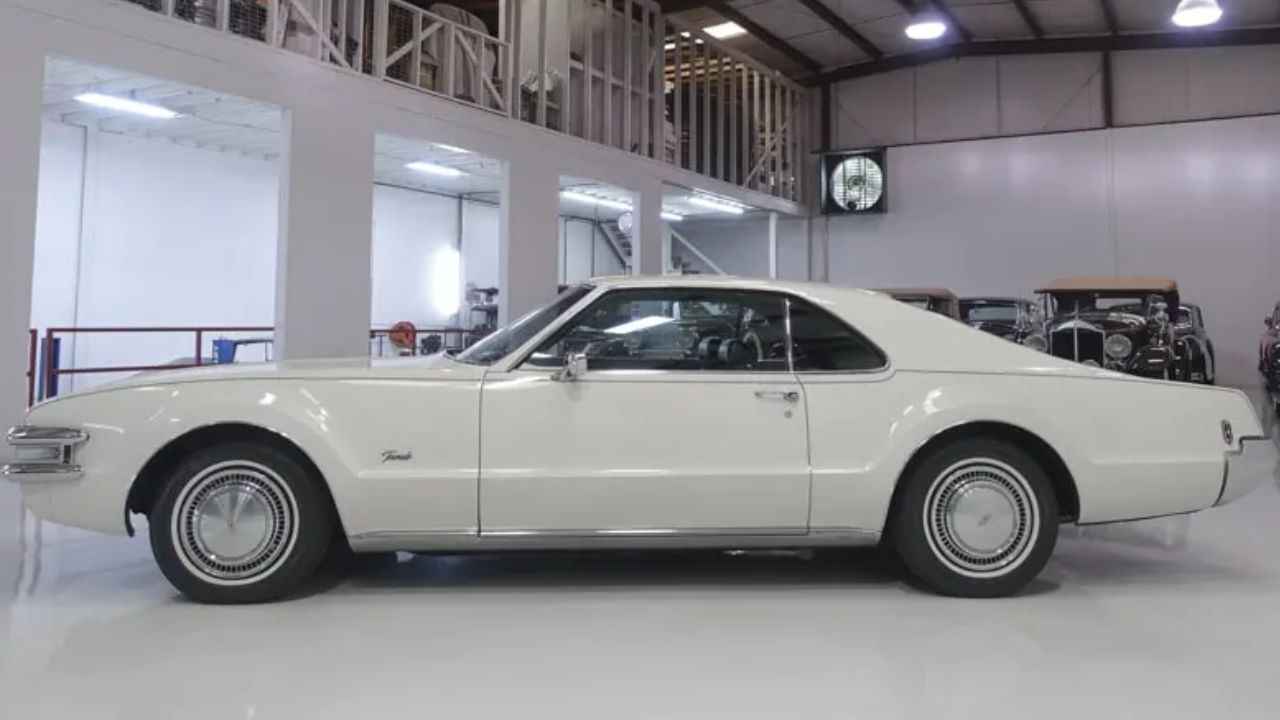
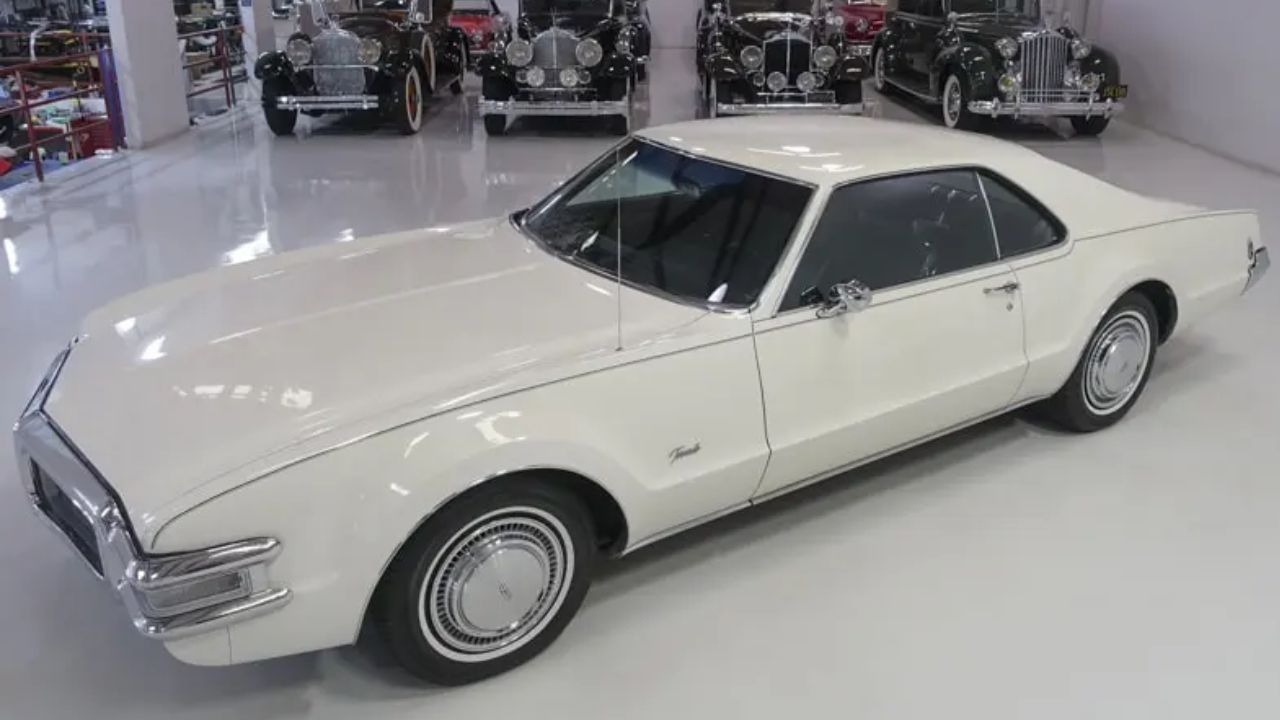
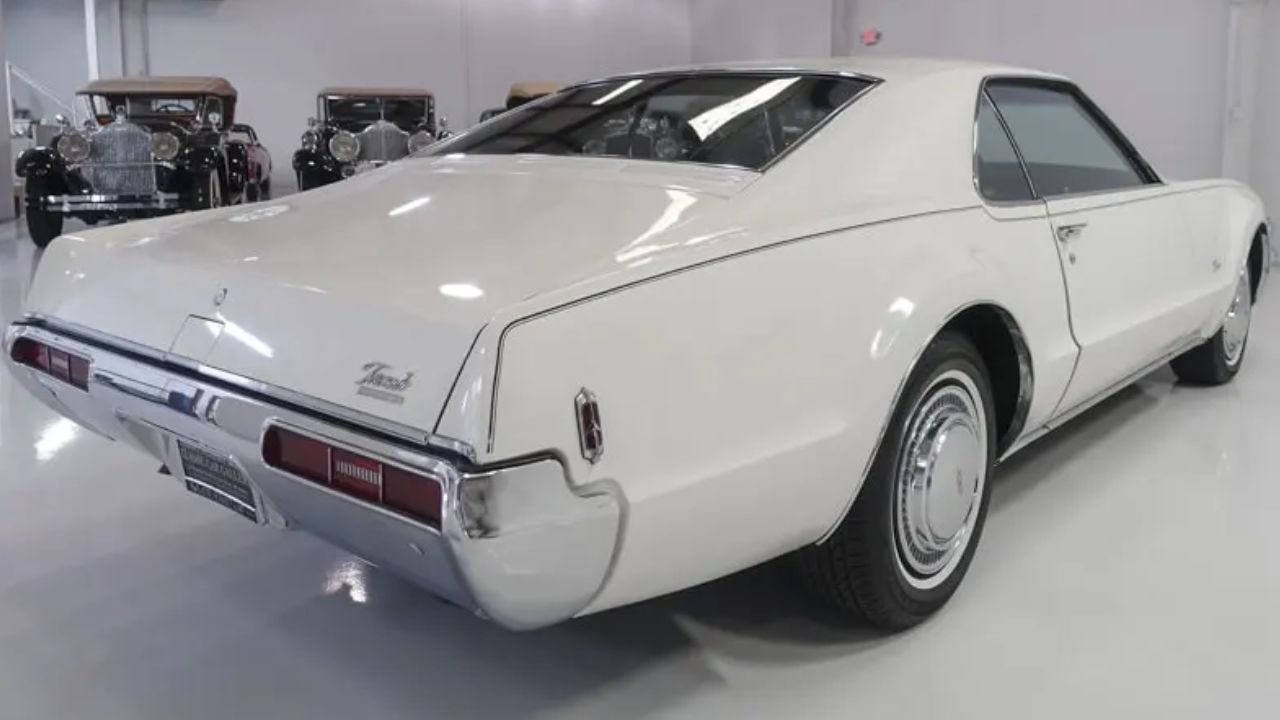
To understand how these cars present today, it helps to look at a specific example that has circulated in the collector market. One detailed listing describes a 1969 Oldsmobile Toronado W34 Performance Coupe finished in Cameo White, highlighting how the car combines period-correct luxury trim with the hotter drivetrain. The description emphasizes careful preservation and mechanical servicing, which is typical of how serious sellers now position W-34 cars to a niche but knowledgeable audience.
That same listing for a 1969 Oldsmobile Toronado W34 Performance Coupe notes that the car shows 10,035 miles and is powered by a 455ci 400 hp “Rocket” V8, explicitly identifying it as a W-34 Performance Coupe and pricing it at $43,900.00, details that illustrate how a well-kept example is marketed today to buyers who understand the significance of the Oldsmobile, the Toronado, the Cameo White paint and the Rocket engine, as laid out in the seller’s 1969 listing. The broader narrative around that car, including its thorough mechanical service and detail, appears in the same dealer’s overview of the 1969 Oldsmobile Toronado W34, which underscores how sellers lean on originality and condition to justify asking prices that sit above base Toronado values but still below many period muscle cars.
How W-34 values compare in the broader Toronado market
Collector interest in the W-34 cars sits within a wider market for all Toronados, and that context helps explain current pricing. Valuation tools for the 1969 Oldsmobile Toronado show that a standard car’s worth can vary significantly depending on condition, with guidance that typically, buyers can expect to pay a moderate premium for cars in good condition with average specifications. That baseline sets the floor from which W-34 and GT variants climb, since they add rarity and performance without losing the underlying personal luxury appeal.
Price guides that answer Common Questions such as “How much is a 1969 Oldsmobile Toronado worth?” indicate that the Oldsmobile Toronado in base form remains relatively affordable compared with some contemporaries, as reflected in the valuation tools for that year. Broader market analysis of the model line notes that the most valuable model year is 1966, with a median #3 (Good) value of $18,000, and that Prices tend to drop with each ensuing model year, a pattern documented in a profile of the Toronado’s jet-age style and affordable prices that pegs a later #3-condition value at $10,700, as seen in the Feb analysis. Against that backdrop, W-34 cars command a premium but still look like relative bargains next to high-profile muscle machines from the same era.
Real-world asking prices and enthusiast expectations
Beyond formal price guides, the live market for Toronados, including W-34s, shows up in dealer listings and enthusiast conversations. A scan of current offerings for classic Toronados reveals a spread of conditions and prices, from driver-quality cars to restored examples, with W-34 and GT variants sitting at the upper end of that range when they appear. Those listings confirm that the Toronado remains accessible for many collectors, with only the best-documented performance cars pushing into higher territory.
On major classifieds platforms, the roster of Oldsmobile Toronado cars for sale shows how sellers position everything from early jet-age coupes to later personal luxury models, with W-34s flagged as rarer performance options among the broader Toronado listings. Enthusiast discussions echo that hierarchy: one detailed comment thread from May 16, 2025, features Anthony Bardaro estimating that a 1970 Toronado GT W34 might bring 9-10k in unrestored condition, and that Getting it cleaned and detailed inside and out could lift that number, a perspective captured in a post that directly quotes Anthony Bardaro. Those figures sit below the ask for the pristine 1969 Performance Coupe but align with the idea that condition, documentation and originality drive big swings in value.
Why the W-34 remains an “obscure muscle” favorite
Among muscle car fans, the Toronado W-34 occupies a niche that is both cult and underappreciated. It lacks the drag-strip reputation of rear-drive icons, yet its combination of front-wheel drive, big torque and luxury appointments gives it a character that few other cars can match. That unusual mix has led some commentators to group it among the more obscure but compelling muscle offerings of its era.
One enthusiast feature from Aug 22, 2013, framed the 1968-70 W-34 as a prime candidate for the Hooniverse Obscure Muscle Car Garage, explicitly calling out the 70 and 34 designations while inviting readers with a “Welcome” to the Hooniverse Obscure Muscle discussion of the Oldsmobile Toronado, as seen in the Aug feature. That framing captures how the W-34 is perceived: not as a headline-grabbing auction star, but as a connoisseur’s choice for collectors who appreciate engineering quirks and under-the-radar performance.
Rarity, documentation and the future of W-34 values
Looking ahead, I see three factors shaping W-34 values: documented provenance, mechanical originality and the broader reevaluation of overlooked muscle-era cars. The W-34 package was never produced in huge numbers, and many cars were driven hard, which makes surviving, well-kept examples inherently scarce. As more collectors seek out distinctive alternatives to mainstream muscle, that scarcity could start to matter more.
Recent social posts about the 1968 Oldsmobile Toronado W-34 option, including a detailed note from Mar 7, 2024, describe how the 1968-1970 Toronado W34 one rare olds W-machine was such an important part of Oldsmobile history that it simply could not be ignored, language that reflects a growing appreciation for the Toronado and Oldsmobile performance heritage in general, as highlighted in the Mar commentary. When that sentiment meets the hard data from valuation tools and real-world sales, the W-34’s current position as a relatively affordable, historically significant performance coupe looks less like an anomaly and more like an opportunity for collectors willing to do their homework.
More from Fast Lane Only