Saab, the Swedish automaker known for its unique engineering and design, carved a niche in the automotive world with its innovative turbocharged cars. During the late 20th century, Saab’s turbo models not only provided exceptional performance but also redefined the driving experience, making them highly sought after by enthusiasts and collectors alike.
The Rise of Saab’s Turbocharged Era
In the 1970s and 1980s, the automotive industry was undergoing a transformation driven by the oil crises and a growing demand for more fuel-efficient vehicles. Turbo technology emerged as a promising solution, allowing automakers to extract more power from smaller engines without increasing fuel consumption. During this time, Saab positioned itself at the forefront of this technological revolution, leveraging its engineering prowess to create cars that were not only efficient but exhilarating to drive.
Saab’s commitment to innovation was evident in its strategic embrace of turbo technology. The company integrated turbochargers into their vehicles, enhancing performance while maintaining impressive fuel efficiency. This approach quickly set Saab apart from competitors, earning the brand a reputation for producing cars that were as thrilling as they were practical. As the market began to recognize the potential of turbocharged engines, Saab’s models became increasingly popular, prompting other automakers to follow suit and intensifying competition within the industry.
Engineering Marvels Behind Saab Turbo Cars
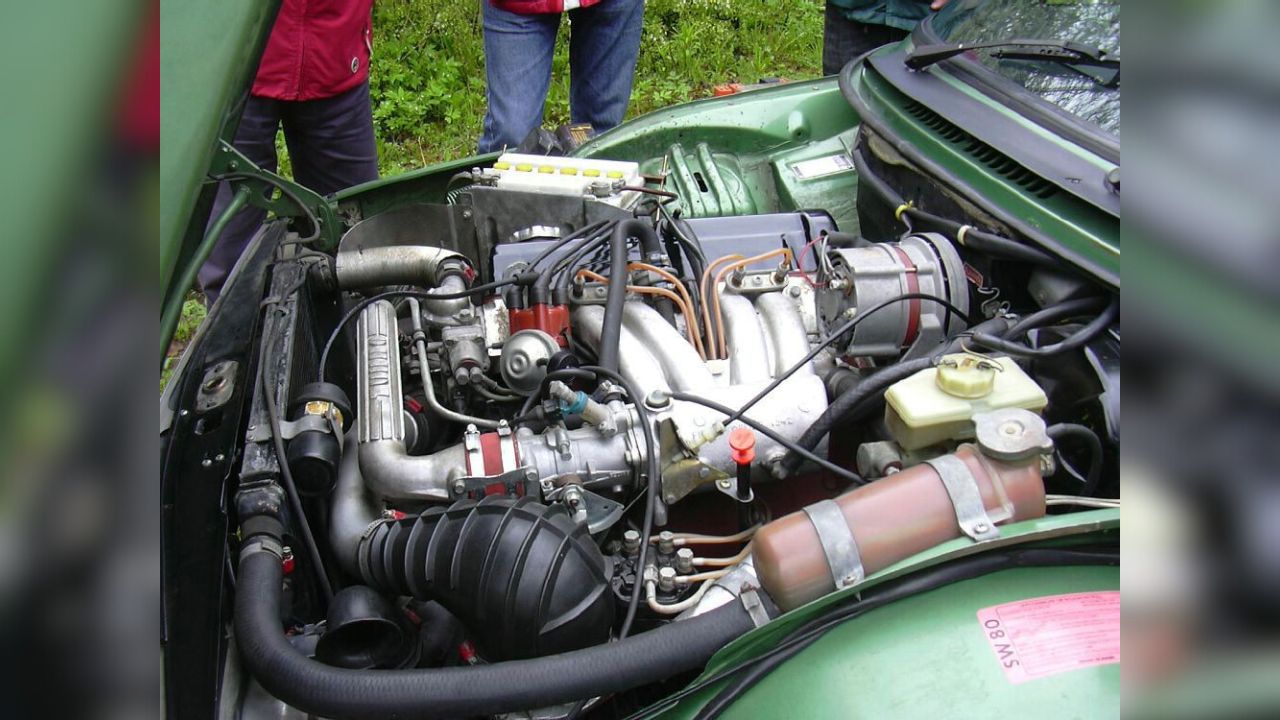
At the heart of Saab’s turbocharged success was its mastery of turbo technology. In simple terms, a turbocharger is a device that forces more air into the engine’s combustion chamber, allowing for increased power output. Saab’s engineers fine-tuned this technology to create engines that were not only powerful but also reliable, ensuring a smooth and responsive driving experience. This engineering expertise became a hallmark of Saab’s turbo models, setting new standards for performance and efficiency.
Complementing the advanced turbo technology were Saab’s unique design elements. The brand was known for its distinctive features, such as the wraparound windshield and aircraft-inspired cockpit, which not only enhanced aesthetics but improved driver visibility and comfort. In addition, Saab was a pioneer in automotive safety, integrating advanced features into their turbo models that set new benchmarks in the industry. This commitment to innovation and safety further solidified Saab’s reputation as a forward-thinking automaker.
Iconic Saab Turbo Models
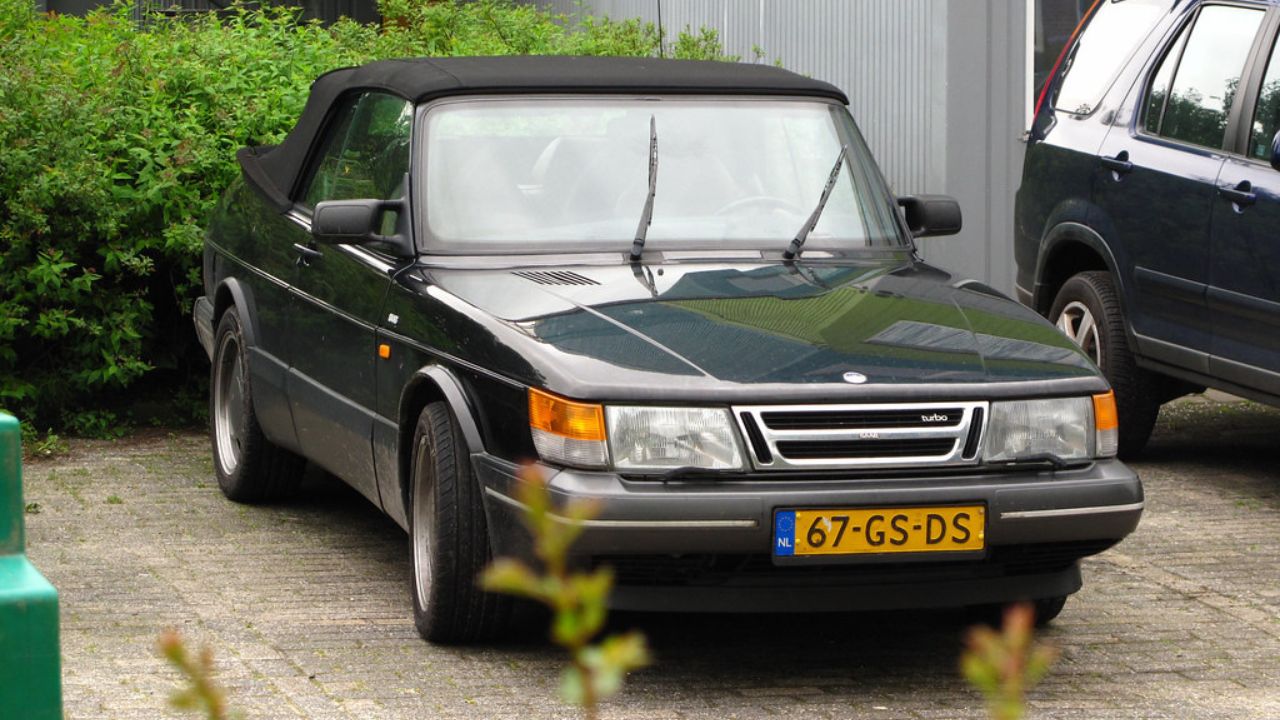
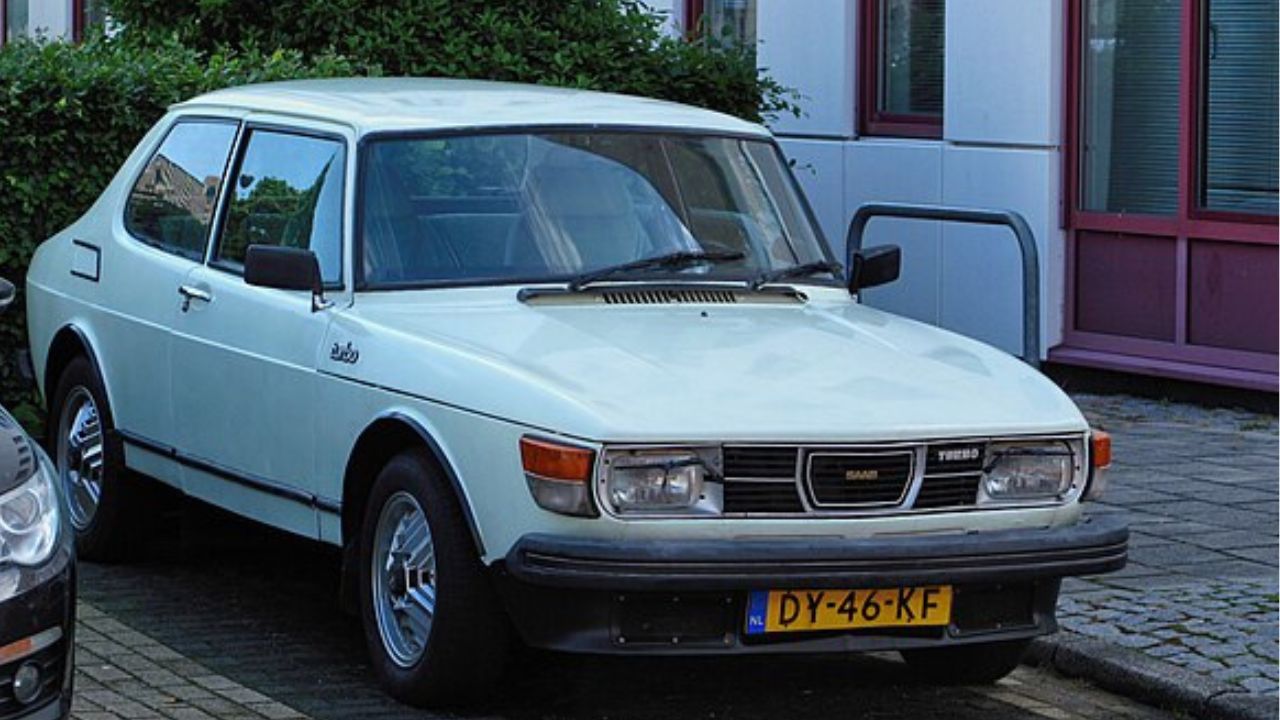
The introduction of the Saab 99 Turbo marked a significant milestone in automotive history. As the brand’s first turbocharged model, the Saab 99 Turbo set the stage for a new era of performance-oriented vehicles. Its impact was profound, as it demonstrated the potential of turbo technology and inspired a wave of innovation across the automotive industry.
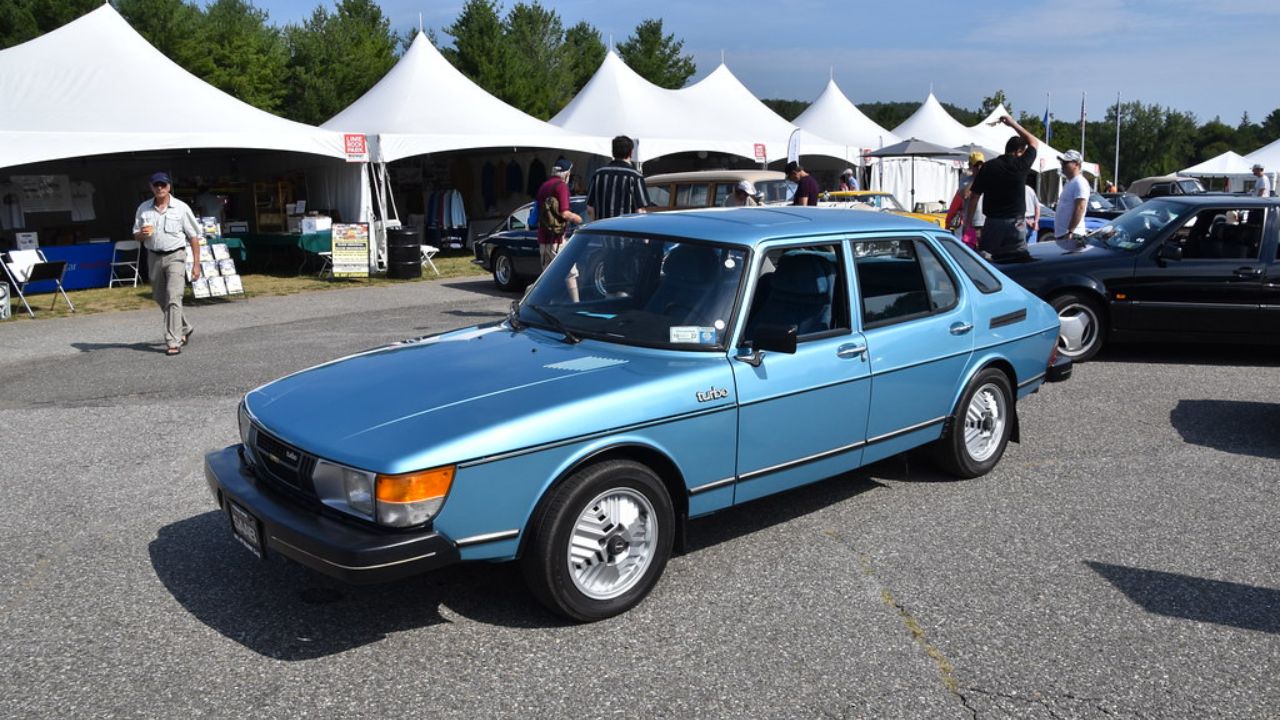
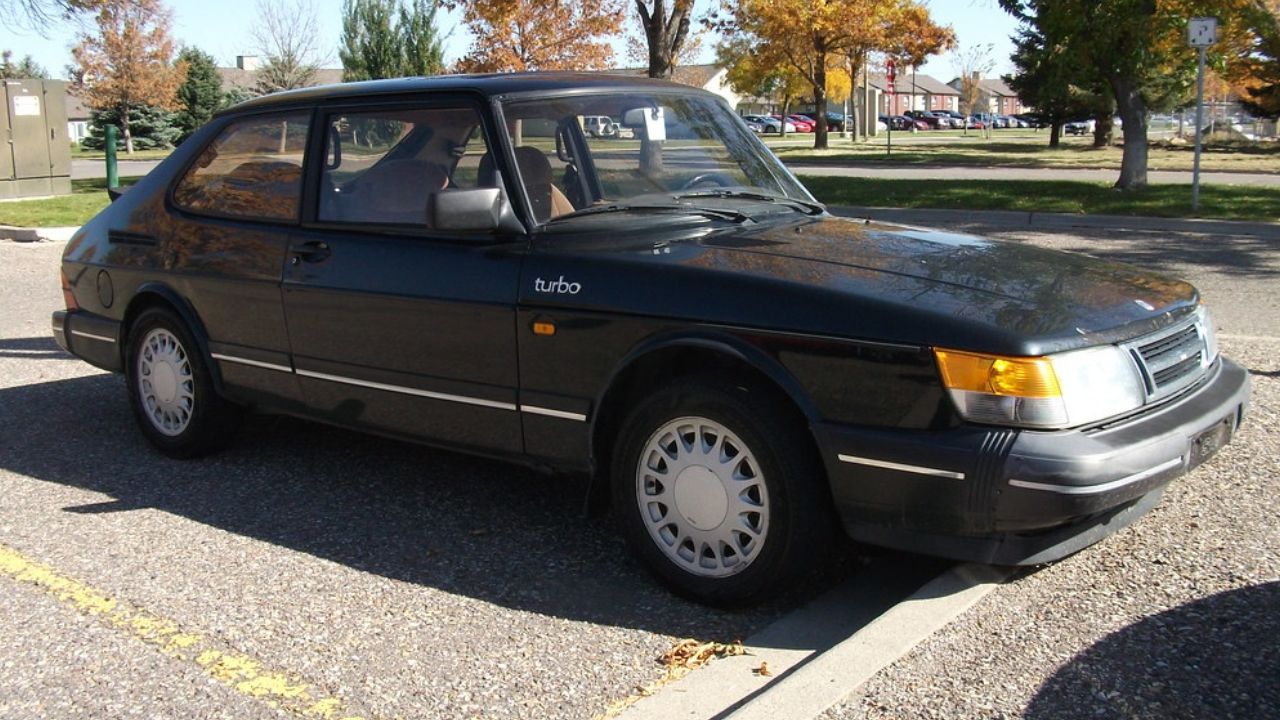
The Saab 900 Turbo took the company’s turbocharged legacy to new heights. Known for its remarkable performance capabilities, the 900 Turbo quickly became a favorite among driving enthusiasts. Its blend of power and practicality earned it a status as a modern classic, celebrated for its enduring appeal and timeless design. Meanwhile, the Saab 9000 Aero represented the pinnacle of Saab’s turbocharged offerings, showcasing the brand’s evolution in terms of technological advancements and luxury features.
Saab’s Legacy and Influence
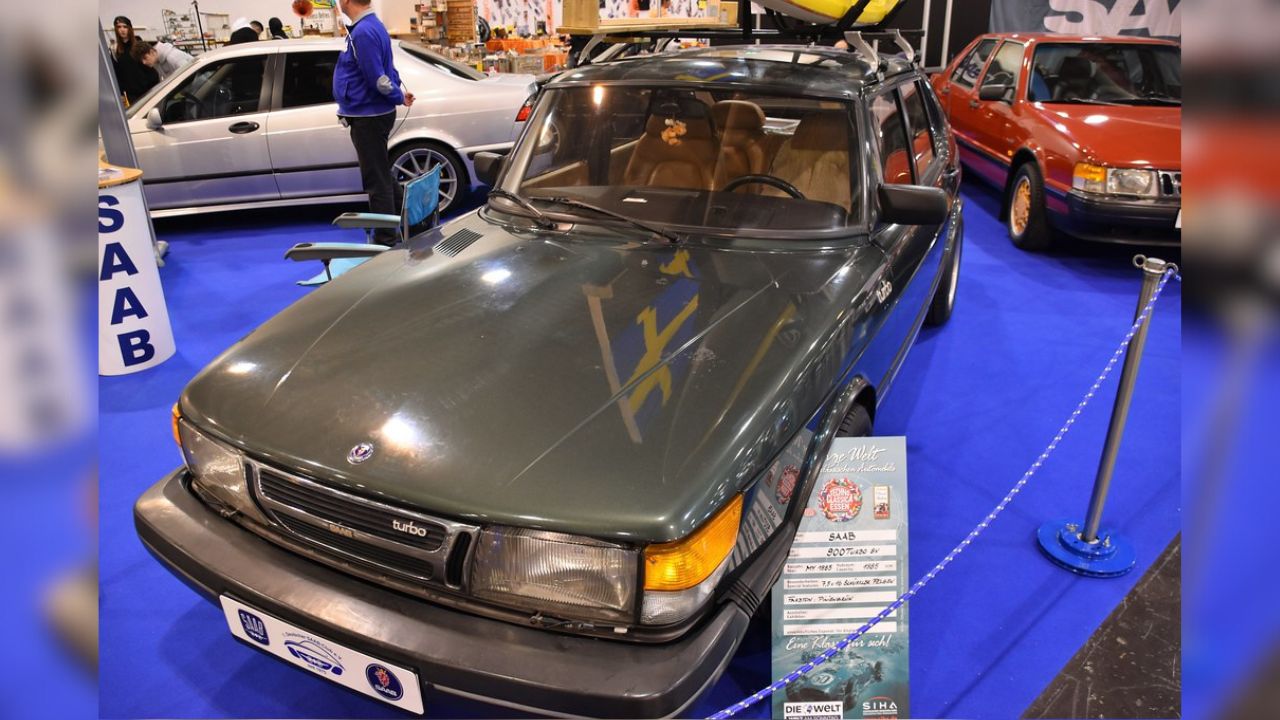
Today, Saab’s turbo cars are cherished by collectors and enthusiasts, with a dedicated community keeping the brand’s legacy alive. These vehicles are considered highly collectible, often featured on lists of sought-after classic cars. For instance, Saab models have been highlighted as desirable collectibles, highlighting their enduring value and appeal.
Saab’s influence extends beyond its own models, as the company’s innovations in turbo technology have left a lasting impact on modern automotive engineering practices. Many automakers have drawn inspiration from Saab’s approach, integrating turbochargers into their own vehicles to enhance performance and efficiency. Additionally, Saab’s turbocharged cars hold a special place in pop culture, often celebrated for their distinctive design and performance. Their portrayal in media has further solidified their role in shaping automotive trends of the era.
Challenges and Decline
Despite its engineering successes, Saab faced significant economic and industry challenges that ultimately contributed to its decline. The automotive landscape was rapidly evolving, with increased competition and changing consumer preferences posing challenges for the brand. Additionally, financial struggles and ownership changes further complicated Saab’s ability to sustain its operations.
The eventual end of Saab’s production marked a poignant moment for the brand’s loyal fanbase and the automotive industry as a whole. While the discontinuation of Saab vehicles was a disappointment for enthusiasts, the brand’s legacy continues to resonate. Saab’s story serves as a powerful lesson for modern automakers, emphasizing the importance of innovation and adaptability in an ever-changing market. For those who appreciate the unique blend of performance and design, Saab’s turbocharged cars remain a testament to the brand’s enduring impact and influence.
Like Fast Lane Only’s content? Be sure to follow us.
Here’s more from us:
*Created with AI assistance and editor review.