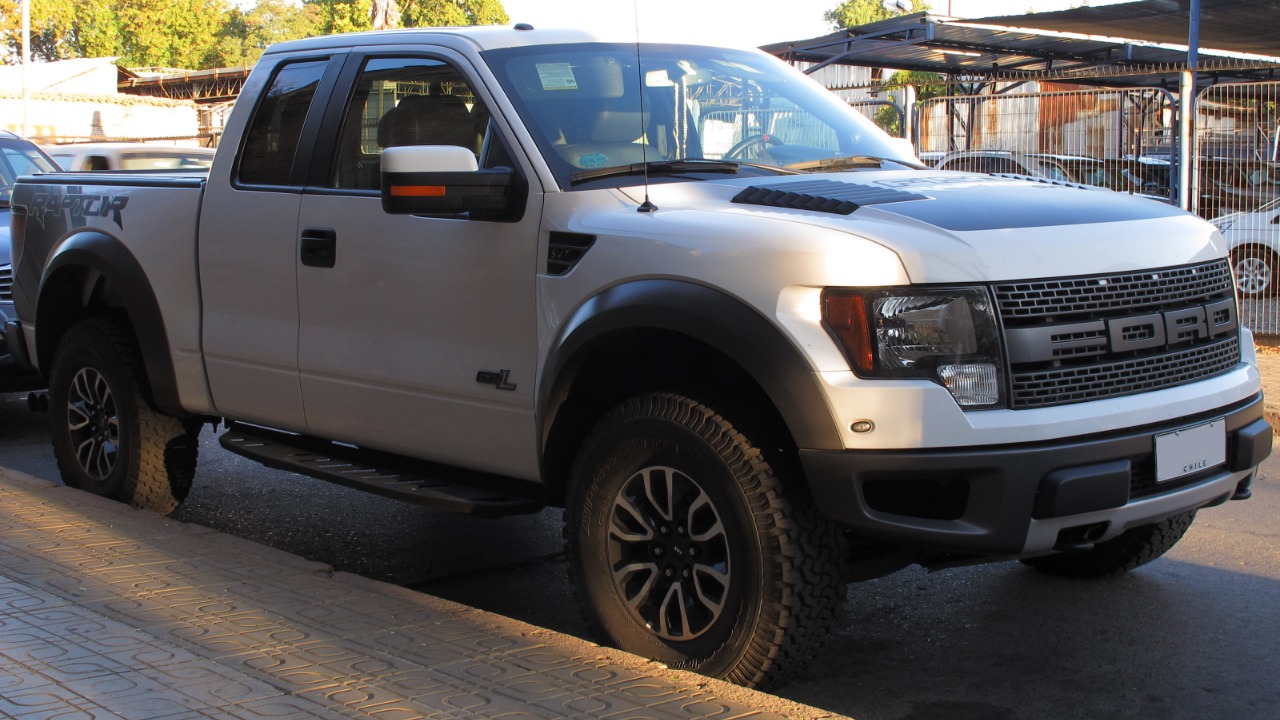
You can trace today’s desert-ready pickups back to a single turning point, when a factory truck suddenly behaved like something built in a race shop. The 2013 Ford Raptor did not just add a few skid plates and stickers, it reset expectations for how fast, how composed, and how user friendly an off-road truck could be straight from the showroom. A decade later, you still feel its fingerprints on every rival that claims to be “Baja inspired.”
If you are shopping used, building a trail rig, or just curious how we got from workhorse pickups to high-speed sand weapons, the 2013 model year is where you see the formula fully mature. By then, Ford’s performance team had refined the original idea into a cohesive package that blended serious hardware with everyday comfort, and that balance is what still makes the truck a benchmark.
The evolution that led to 2013
To understand why the 2013 Ford Raptor mattered so much, you first need to see it as a chapter in a longer story. The truck arrived after several years of development that started when The Ford Raptor first appeared as a specialized version of the F-150, and by the time you get to the 2013 model, the concept had been sharpened through multiple cycles of feedback and real-world abuse. One detailed look at the Raptor over 15 years describes how that first generation proved the idea that a mass-produced truck could run at desert-racing speeds while still handling daily driving. By 2013, you were getting the most polished version of that first-gen recipe, not an experiment.
That evolution is also clear when you zoom out and look at the broader F-150 family. Later on, the Series would move to an aluminum-intensive body that cut weight by over 50 percent of certain components and swap big V8s for a twin turbo V6, but the 2013 truck sits right before that shift. It is the high-water mark of the original steel-bodied, naturally aspirated era, which is exactly why so many enthusiasts still hunt for it. When you buy into that year, you are getting the culmination of the first formula before Ford rewrote the playbook.
Hardware that changed the rulebook
What really set the 2013 Ford Raptor apart for you as a driver was not just power, it was the way the chassis let you use that power on ugly terrain. Earlier coverage of the Evolution of the Ford Raptor notes that while the engine grabbed attention, the real star was the long-travel suspension that let the truck float over whoops that would punish a normal pickup, and that focus remained central by 2013. When you read about the Evolution of the, you see how that suspension, not just the horsepower figure, is what let the truck carry serious speed where a regular F-150 would have to crawl. The 2013 model kept that focus, giving you confidence to drive harder without feeling like you were torturing the truck.
By this point, the performance team behind the SVT Raptor had already gone through several iterations, and one detailed breakdown notes that After four iterations of the SVT Raptor, Ford had essentially perfected the core performance package. That means the 2013 truck did not need radical changes, because the long-travel dampers, reinforced frame, and wide track were already delivering what desert drivers wanted. If you are cross-shopping years, that is a key point: you get the mature hardware without paying for the very latest generation.
Factory beadlocks and tech you could actually use
One of the clearest ways the 2013 Ford Raptor raised the bar for you was by bringing race-style features into the factory order sheet. Reporting on the 2013 SVT Raptor explains that the truck became the first production vehicle to offer beadlock compatible alloy wheels straight from the factory, a detail that shows up in early coverage of the SVT Raptor. That matters because beadlocks let you air down tires for traction without worrying about the tire slipping off the rim, something you used to have to visit a specialist shop to achieve. Suddenly, you could order that capability with a warranty and a window sticker.
At the same time, Ford was layering in technology that made the truck easier to live with when you were not bombing across a dry lake bed. A closer look at the SVT Raptor connectivity suite points out that the truck featured Ford’s SYNC communications and entertainment system, giving you hands free voice control and integrated media in a package that still felt like a serious off-road tool. That same analysis notes that the SYNC system sat alongside options like a rear camera, which meant you could thread this wide truck into a tight parking spot after spending the weekend on the trail. For you as an owner, that blend of hardcore hardware and everyday tech is a big part of why the 2013 model still feels relevant.
How it actually drove off-road
Specs are one thing, but what cemented the 2013 Ford Raptor’s reputation was how it behaved when you pointed it down a rough road and refused to lift. One detailed drive report compares taking a Raptor down narrow dirt tracks with doing the same in a Fusion or a Focus, and the difference is the speed you can safely carry. In that account, the Raptor can run those same paths at roughly twice the pace, while still feeling composed enough that you are not bracing for every rut. That is the kind of real-world advantage you notice the first time you chase a friend in a regular pickup and realize you are barely working.
Another long term update on the 2013 truck underlines the same point from a different angle, noting that this is an off-road truck and that What really stands out is how natural it feels when you finally get it onto rough ground. That review describes how you can push harder and harder before the suspension and chassis start to complain, which is exactly what you want if you are learning your limits as a driver. When you combine that with the earlier observation that the first generation of Ford Raptors was one of the most capable PRODUCTION off-road vehicles out of the box, as highlighted in a detailed look at When the Ford Raptors were introduced, you start to see why the 2013 model is still a reference point. It let you drive like a desert racer without needing a trailer or a chase crew.
Why the 2013 benchmark still matters today
If you are looking at the Raptor story from today’s vantage point, it is tempting to focus on the latest generation with its lighter body and turbocharged power. Yet when you read a broader history that tracks how Over the years, the Raptor engine lineup shifted from early V8s to more efficient turbocharged units, you realize the 2013 truck captures a moment before that transition. One overview of how the Over the Raptor generations evolved makes it clear that the early trucks prioritized raw, naturally aspirated punch over efficiency. If that is the character you want, the 2013 model is one of your best entry points.
At the same time, the truck’s influence stretches beyond its own badge. A retrospective on The Evolution of a Game Changer The Raptor from Feb notes how Ford used the success of this formula to expand into other segments, even bringing a similar off-road beast to the SUV world. That same look at The Evolution of a Game Changer The Raptor underlines how the 2013 era proved there was a real audience for high speed off-road capability that did not compromise daily usability. When you see modern rivals chasing that same balance, from midsize trucks to performance SUVs, you are really seeing echoes of what the 2013 Ford Raptor already nailed.
More from Fast Lane Only