Owning a 1963 Corvette split-window has a funny way of changing your priorities. Plenty of classic-car owners like tasteful upgrades, but with this one-year-only icon, originality tends to become the North Star. It’s not just about bragging rights; it’s about how the car is judged, valued, and understood as a snapshot of mid-century American performance.
The split-window’s “one-year-only” spotlight
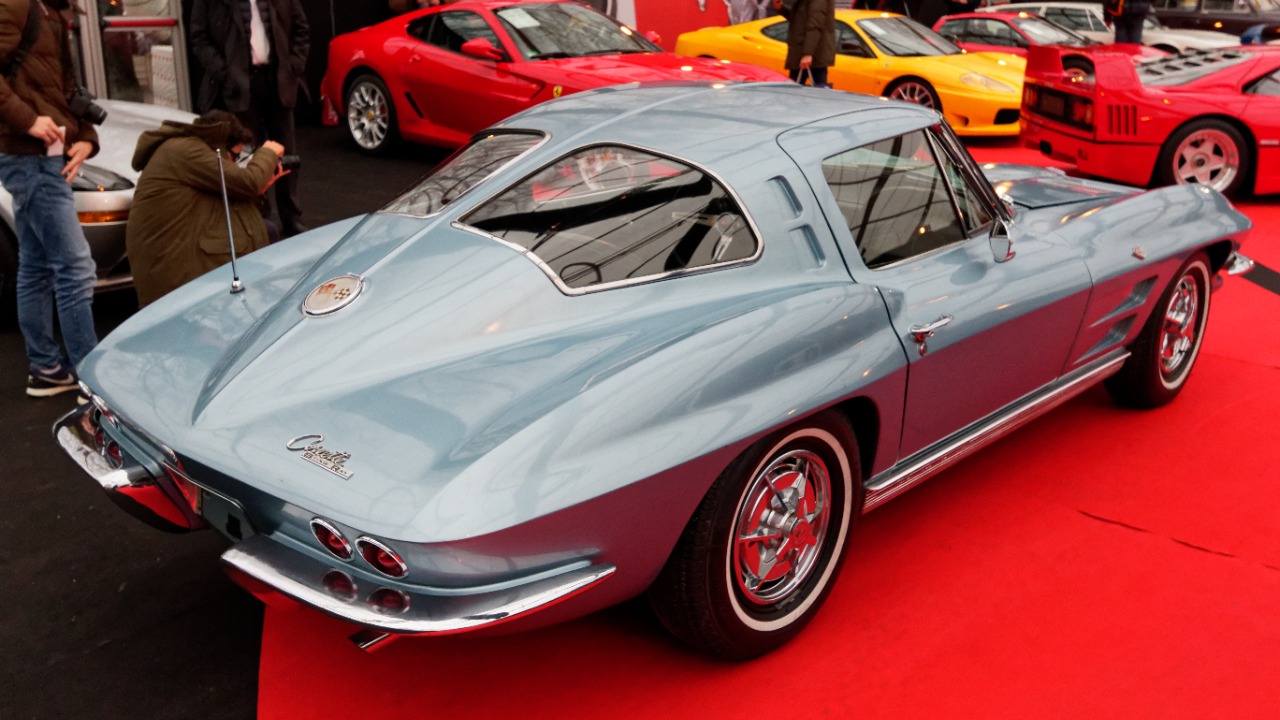
The split rear window is exclusive to the 1963 Corvette Sting Ray coupe, making it instantly recognizable even to casual enthusiasts. That kind of unique, single-model-year design detail puts the car under a microscope at shows, auctions, and club events. When everyone knows exactly what they’re looking at, deviations from factory-correct details stand out fast.
It also means that parts and trims tied specifically to the 1963 coupe can carry extra scrutiny. Owners often learn that even small items—correct interior finishes, trim pieces, or period-appropriate hardware—can matter more here than on a more common classic. The result is a mindset shift: “close enough” becomes less satisfying when the whole point of the car is its specific, historically anchored look.
How judging culture nudges owners toward correctness
The Corvette hobby has long had an active judging scene, with detailed standards and a strong emphasis on factory-correct presentation. Whether it’s NCRS-style authenticity discussions or marque-club expectations more generally, the split-window frequently appears as the kind of car people want to evaluate carefully. Owners who participate in that culture naturally become more attentive to what’s original, what’s a correct replacement, and what’s a modern interpretation.
Judging isn’t only about chasing trophies, either. It creates a shared language: casting numbers, date codes, finishes, fasteners, and assembly details become part of the conversation. Even owners who don’t compete often find themselves researching because other enthusiasts ask precise questions—what’s under the hood, what’s been restored, and how closely it tracks to how the car left the factory.
Restoration is common, and documentation becomes the anchor
Many 1963 Corvettes were driven, raced, or simply used as sporty cars before they became blue-chip collectibles. Over decades, it’s normal to see repainting, interior replacement, drivetrain swaps, or “refreshes” done in periods when strict originality wasn’t the priority. Today’s owners frequently inherit those past decisions, and that’s where careful documentation starts to matter.
Original paperwork, protect-o-plate-style records when available, ownership history, and restoration receipts help establish what’s correct for a specific car. Even when the goal isn’t a museum piece, knowing what’s authentic versus replaced can guide smarter restoration choices. It also helps avoid the classic trap of spending money twice—first on parts that look right, then again on parts that are verifiably correct for 1963.
The split-window has some “tell” areas restorers watch closely
Because the 1963 coupe’s styling is so distinctive, certain areas naturally draw attention. The rear window divider and surrounding trim are obvious focal points, and fit-and-finish details around the backlight can become a discussion point at any gathering. Owners who want the car to read as authentic tend to obsess a bit over alignment, seals, and correct-looking hardware.
Beyond the window itself, the early C2 generation introduced new shapes and interior cues compared with the earlier C1 cars. That means there are plenty of small details—materials, textures, and finishes—that can drift during restorations if someone uses later parts or modern substitutes. Once you learn where people look first, it’s hard not to start checking those areas on your own car.
Market value often rewards “original” and penalizes uncertainty
The split-window’s reputation has made it a frequent feature of high-end sales, and the market tends to price certainty. Cars described as retaining original components, finishes, and correct configurations often command stronger interest than cars with unclear histories or loosely documented restorations. Even owners who never plan to sell may become careful simply because they don’t want to unknowingly reduce the car’s long-term desirability.
It’s also common for buyers to differentiate between “restored,” “correctly restored,” and “survivor/original” categories. Each can be desirable, but they’re judged by different standards and typically valued differently. Owners learn quickly that the safest route—especially if the car is already highly original—is to preserve rather than reinvent.
Preservation habits become part of the ownership experience
Once an owner starts thinking in terms of originality, everyday decisions change. Routine maintenance might favor period-correct finishes where practical, careful storage, and reversible updates instead of permanent modifications. Even something as simple as saving take-off parts and labeling them can become standard practice, because provenance matters in this segment of the hobby.
There’s also a social side to it: split-window owners often trade notes with other caretakers, compare details, and share hard-won lessons about what’s correct for 1963. Over time, that community knowledge encourages a careful, conservation-minded approach. The car stops being just a classic to enjoy and becomes a piece of automotive history you’re temporarily responsible for getting right.
None of this means a 1963 split-window can’t be driven and enjoyed. It just means the car’s unique place in Corvette history, and the culture that’s grown around it, gently pushes owners toward research, restraint, and documentation. For many, that’s part of the appeal: the fun isn’t only in the drive, but in keeping a legend authentically itself.