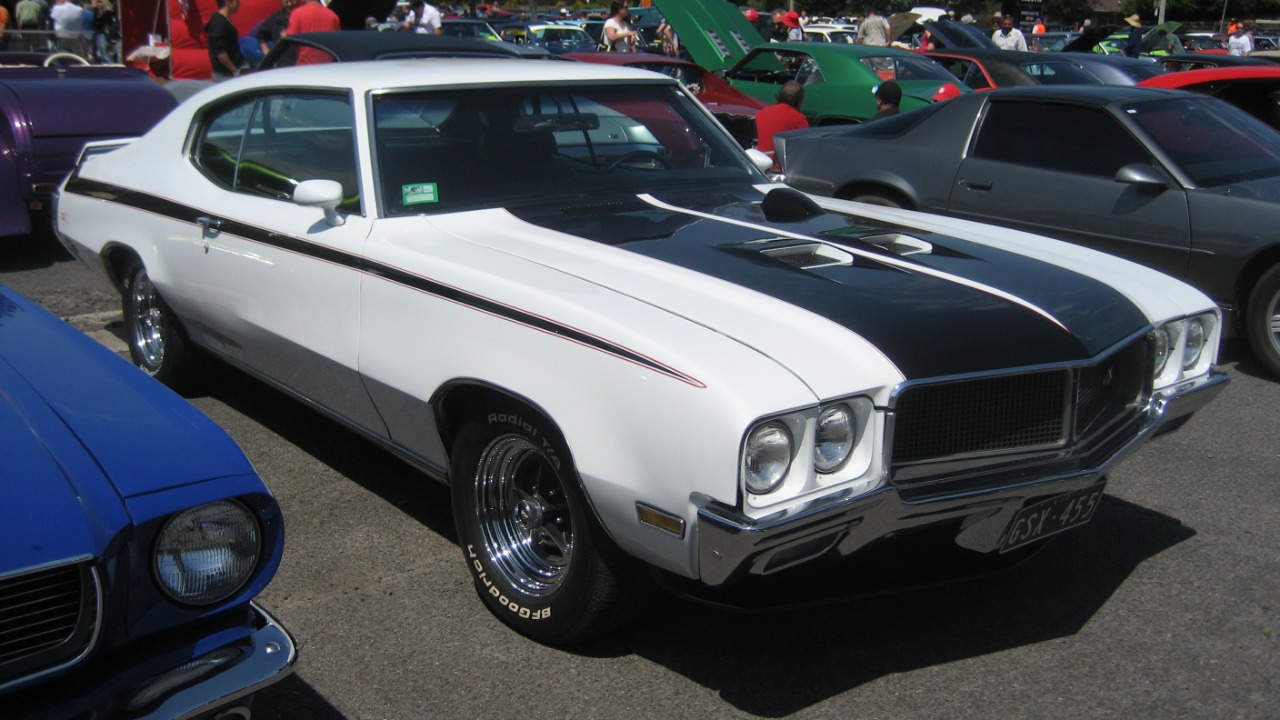
If you own a 1970 Buick GSX—or you’re shopping for one—paperwork isn’t just nice to have. It’s a big part of what separates a legitimately documented car from a look-alike, especially because the GSX package is visually easy to imitate with stripes, spoilers, and wheels. The cars themselves are well understood by enthusiasts, but the details that prove how a specific example was built and sold are what buyers and judges lean on when real money is on the line.
Why the GSX is especially sensitive to “proof”
The GSX was a performance-and-appearance package applied to the 1970 Buick Gran Sport, and it’s now one of the most recognized Buicks of the era. That recognition has a downside: the most obvious GSX identifiers are bolt-on or paint-level changes that can be added to a standard GS. Because of that, documentation becomes the quickest way to support claims about authenticity and original configuration.
It also helps that Buick documentation culture is strong. Among muscle car circles, Buick owners have long relied on factory build paperwork and dealer records to sort out options, powertrains, and production quirks. When a car’s value can swing dramatically based on what it actually is, the paper trail becomes part of the car.
Matching the car to its factory identity
The starting point is always identity: VIN tags, body tags, and any factory or dealer paperwork that ties the physical car to the way it left the assembly line. Enthusiasts scrutinize whether the numbers and codes are consistent with a 1970 Buick A-body and whether they align with known Buick formatting for the period. Even small inconsistencies—odd rivets, incorrect tag fonts, or mismatched stampings—raise questions quickly.
Owners also pay attention to whether the car’s major components “make sense” together. A well-documented car often has a coherent story: the assembly details, the options list, and the equipment present on the car all line up without requiring a lot of hand-waving. When that story is clear, it’s easier to defend the car in a sale, a show, or a judging environment.
Proving engine and drivetrain claims without guessing
On a 1970 Buick GSX, drivetrain details matter because they’re central to what people think they’re buying. Buick offered the 455 in both high-performance and more common form in that era, and enthusiasts know there’s a difference between a car that’s correctly equipped and one that’s simply wearing the right decals. Documentation helps confirm what the car was ordered with, rather than relying on what’s currently under the hood.
That’s why original paperwork, factory build documentation, and period-correct component stampings are examined together. A replacement engine isn’t automatically a deal-breaker for every buyer, but undisclosed swaps or shaky claims can be. The more the drivetrain story is supported by records, the less the owner has to rely on assumptions or hearsay.
Options, colors, and “easy to change” details that affect value
Beyond horsepower, some of the biggest documentation battles are over things that can be changed in a weekend: paint color, stripes, interior trim, wheels, and spoilers. The GSX look is iconic, and it’s not hard for a restorer to create an authentic-looking appearance. That makes it even more important to show what a particular car was born with, especially when a rare or desirable combination is being claimed.
Owners will often keep copies of factory option listings, dealer invoices, and restoration photos that show the car before disassembly. Those materials help establish whether a color change happened, whether the interior was converted, or whether the car has been cosmetically “up-badged” over time. The goal isn’t to shame modifications—plenty of enthusiasts build cars to their tastes—but to be transparent about what’s original and what’s not.
Ownership history and the importance of a clean chain of records
Muscle cars are now old enough that many have passed through multiple hands, sometimes across several states, and sometimes with long gaps in their histories. A continuous chain of ownership documents, old registrations, titles, and insurance cards can help validate the story a car is sold with. Even when the history isn’t perfectly complete, a few solid anchors—like early paperwork or a long-term owner’s records—add credibility.
That provenance can matter for practical reasons, too. Correcting clerical errors, sorting out title issues, or verifying the legitimacy of an out-of-state transfer is far easier when the records are organized. For cars that get shown at marque events, owners often find that good documentation turns stressful Q&A sessions into quick, confident conversations.
How documentation supports restorations and protects the hobby
Documentation isn’t just about resale price; it also guides better restorations. Factory paperwork and period references can help owners avoid common “restoration drift,” where a car gradually accumulates incorrect parts or finishes because they look right at a glance. When a restorer can point to records, the end result is more likely to reflect how Buick actually built and delivered the car.
Just as importantly, strong documentation helps protect the broader GSX community. It makes it harder for misrepresented cars to circulate, and it encourages honest listings where the car’s strengths and compromises are clearly stated. For a 1970 Buick GSX, that honesty is part of the appeal—because owning one isn’t only about the drive, it’s also about preserving a well-understood piece of Buick performance history.