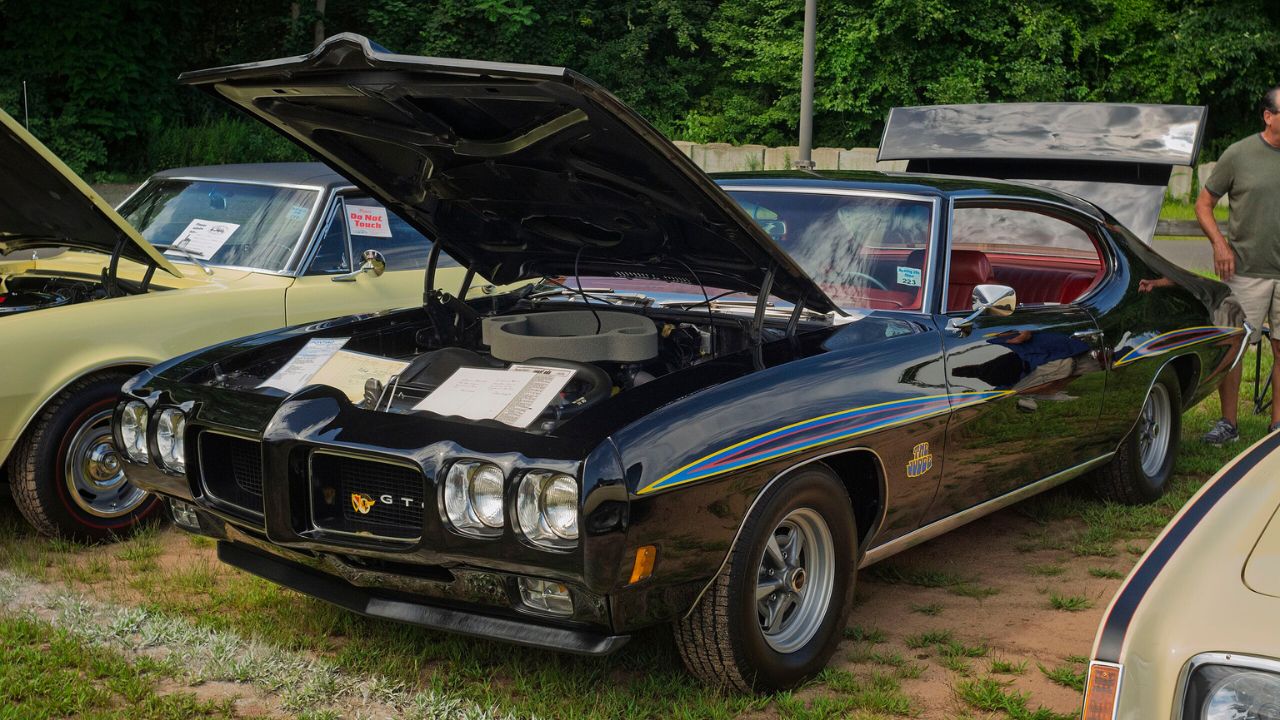
With a 1970 Pontiac GTO Judge, the temptation is to judge the car by what you can see: stance, stripes, wheels, and the way the body lines catch light. But longtime owners and serious buyers know the paper trail can be just as important as the paint. That’s because the Judge package sits at a busy crossroads of high demand, mid-year production changes, and decades of parts swapping—conditions that reward anyone who can prove exactly what their car was when it left Pontiac.
Why the Judge package makes documentation unusually important
The Judge wasn’t a separate model so much as a high-profile option package layered onto the GTO, and that’s where the paperwork starts to matter. When an identity depends on how the car was ordered and built, documents become the best way to confirm that identity decades later. A clean, correctly restored GTO can look the part, but proving it was born a Judge is a different job.
That dynamic is amplified because the visual cues—spoilers, stripes, hood details, and emblems—are all pieces that can be added after the fact. Many of those components were available through dealer parts counters back in the day and have been reproduced for years. Owners who’ve lived with these cars for a long time tend to be protective of their documentation because it helps separate “built to look like” from “built that way.”
What owners look for: build sheets, invoices, and factory identifiers
For many enthusiasts, the gold standard is paperwork that ties the car’s VIN to its original configuration. Depending on what survived, that might include a factory build sheet, dealer invoice paperwork, early registrations, or other period documentation. Even when a single document doesn’t tell the whole story, multiple consistent sources can paint a reliable picture of how the car was originally equipped.
Owners also cross-check what’s on paper against hard identifiers on the car. That includes VIN and trim tag information and component date codes that should make sense relative to the build period. The goal isn’t to create a perfect museum narrative—it’s to confirm that the car’s major pieces and its story line up in a way that’s historically plausible for a 1970 Pontiac built and sold through normal channels.
Engine and transmission claims are where paperwork saves headaches
The 1970 Judge is closely associated with Pontiac’s Ram Air engines, and that association is exactly why documentation matters. High-performance components have always had a way of migrating from car to car over the decades, sometimes innocently through repairs and upgrades, other times to increase a car’s perceived pedigree. A correct-looking engine bay can be assembled with the right parts, but proving what the car was born with is a separate question.
That’s why owners scrutinize any records that clarify the original drivetrain and options. Service receipts, older restoration photos, and long-term ownership history can help explain why a car has what it has today. Even when a car isn’t “numbers-matching,” solid documentation can show that changes were period-correct, long-standing, or done for reasons that make sense—details that affect credibility as much as value.
Color, stripe, and interior combinations can be surprisingly contentious
The Judge’s identity is tied to its appearance, so disputes often pop up around paint colors, stripe colors, and interior trims. A fresh repaint can be beautiful and still be wrong to the car’s original build, especially if it was changed to a more fashionable combination. Paperwork helps owners confirm what the car started as and whether a restoration respected that.
Even when the original color isn’t someone’s personal favorite, there’s a strong preservation instinct in the Judge community. People appreciate cars that reflect how Pontiac actually delivered them, not just what looks best at a show today. When documents support an unusual or less common combination, it can turn what might look “off” at first glance into one of the car’s most interesting attributes.
Provenance and timeline matter because these cars have lived many lives
Most 1970 GTO Judges have been through multiple owners, multiple states, and at least one era where they were just used cars. That long life is why buyers like to see a coherent timeline: earlier titles, old insurance cards, dealership service stamps, period photos, or even a folder of handwritten notes from prior owners. None of that is glamorous, but it’s the kind of evidence that’s hard to fake and easy to appreciate.
Documentation also helps explain the “why” behind a car’s current condition. If a car was off the road for a stretch, the paperwork might show when and why. If it was raced, restored in the 1990s, or rebuilt after an accident, records can help separate honest history from unanswered questions—something that matters a lot when the car’s market value depends on trust.
How paperwork and sheet metal work together during an inspection
Experienced owners typically approach an inspection like a two-column checklist: what the car shows physically and what the documents support. They’ll look at the body for consistent panel fit, signs of rust repair, and evidence of past damage, then compare that to any restoration photos or shop invoices. If the sheet metal looks too perfect for a car with no recorded restoration history, that’s a cue to dig deeper.
The same cross-checking applies to option content and correctness. A Judge can be restored with impressive attention to detail and still be a blend of parts from different years or sources. When the paperwork aligns with the physical evidence—dates, components, finishes, and features that make sense together—it gives owners confidence that they’re not just buying a look, but a legitimate, well-understood example of a desirable Pontiac.
For 1970 Pontiac GTO Judge owners, the best cars aren’t simply the shiniest ones. They’re the ones that can explain themselves, with documentation that backs up what the car appears to be. When paper and sheet metal agree, the car’s story becomes clearer—and that clarity is a big part of the enjoyment of owning one.